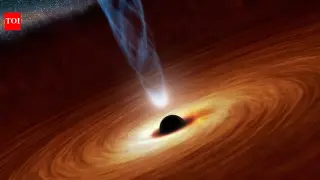
Ancient Dark Stars Could Leave Gravitational-Wave Footprints Across the Cosmos
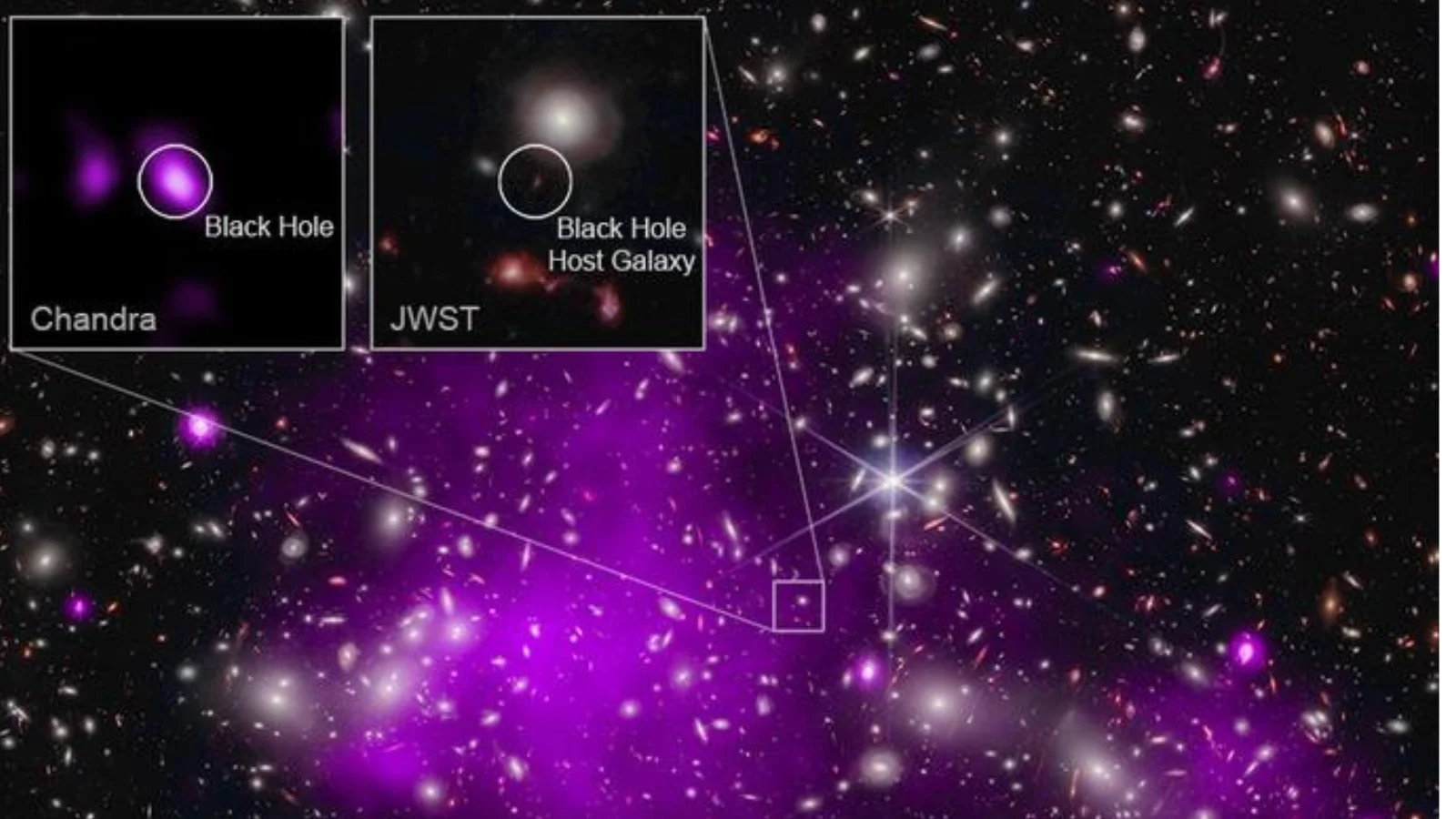
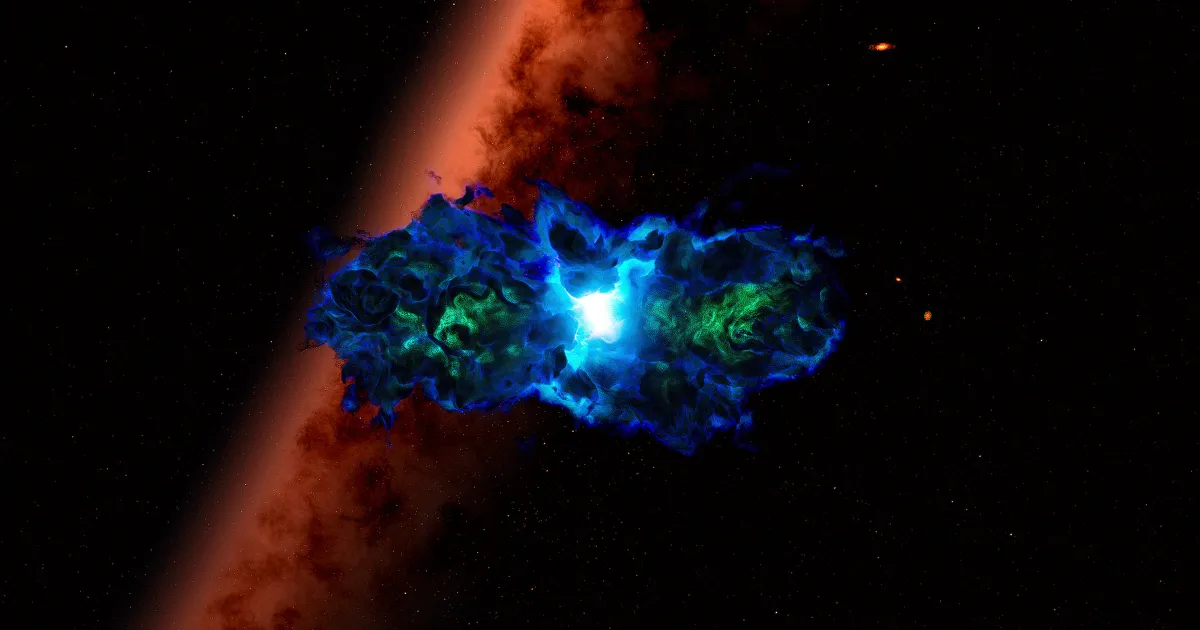
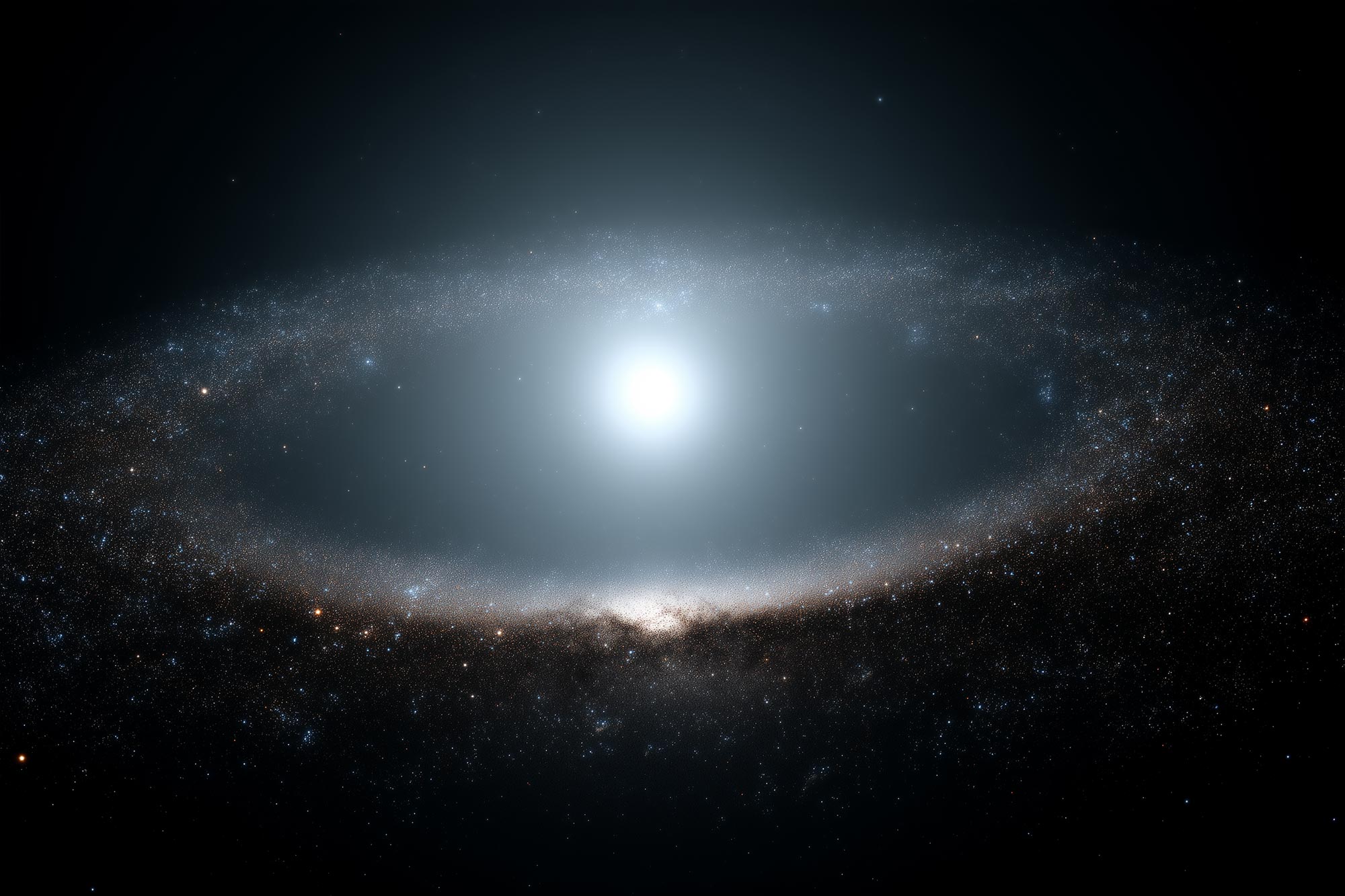
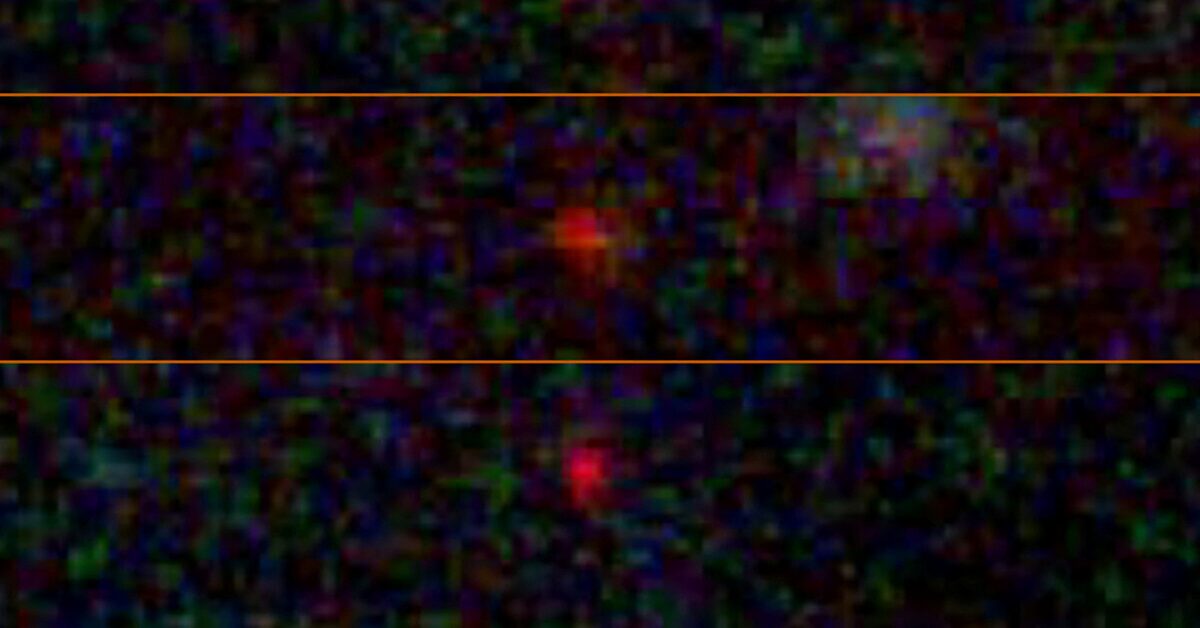
New research explores whether remnants of hypothetical supermassive Dark Stars—early stars powered by dark matter—could seed black holes that grow, merge, and contribute to the low-frequency gravitational-wave background detected by pulsar timing arrays. The study suggests Dark-Star–derived seeds might dominate the signal compared with direct-collapse black holes, offering an indirect way to probe the universe’s dawn. However, Dark Stars remain theoretical, and current measurements only constrain how common such objects could have been; future data will help confirm or refute this scenario.