Tag

Lost City

All articles tagged with #lost city

Atlantic’s ‘Lost City’ Hydrothermal Field Offers Clues to Alien Life
science-and-tech9 days ago

Atlantic’s ‘Lost City’ Hydrothermal Field Offers Clues to Alien Life

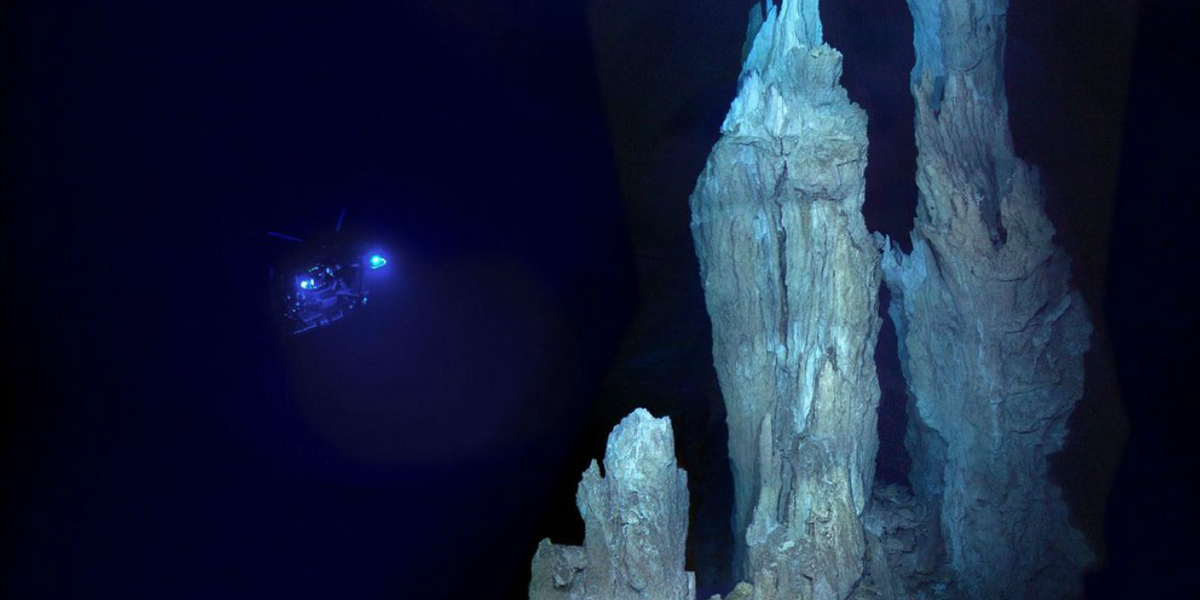
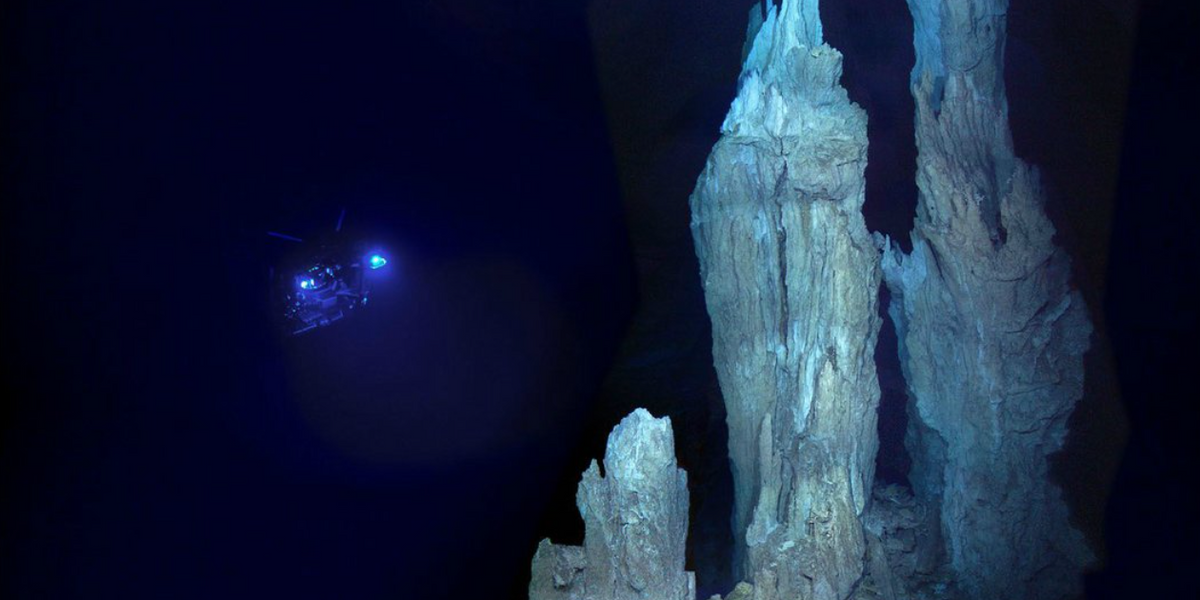
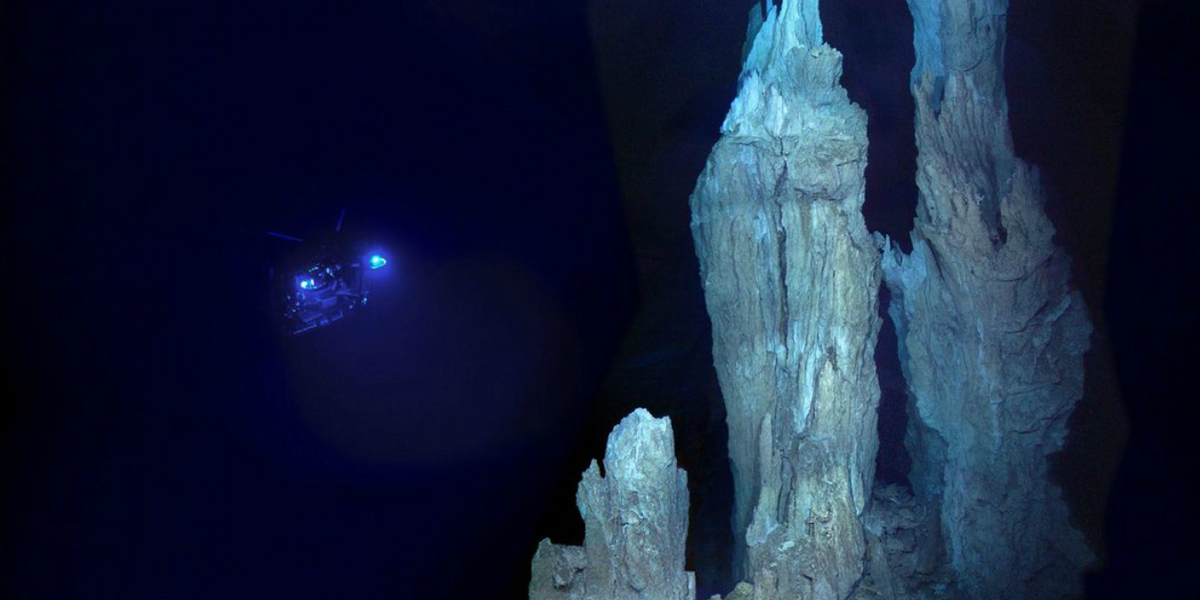
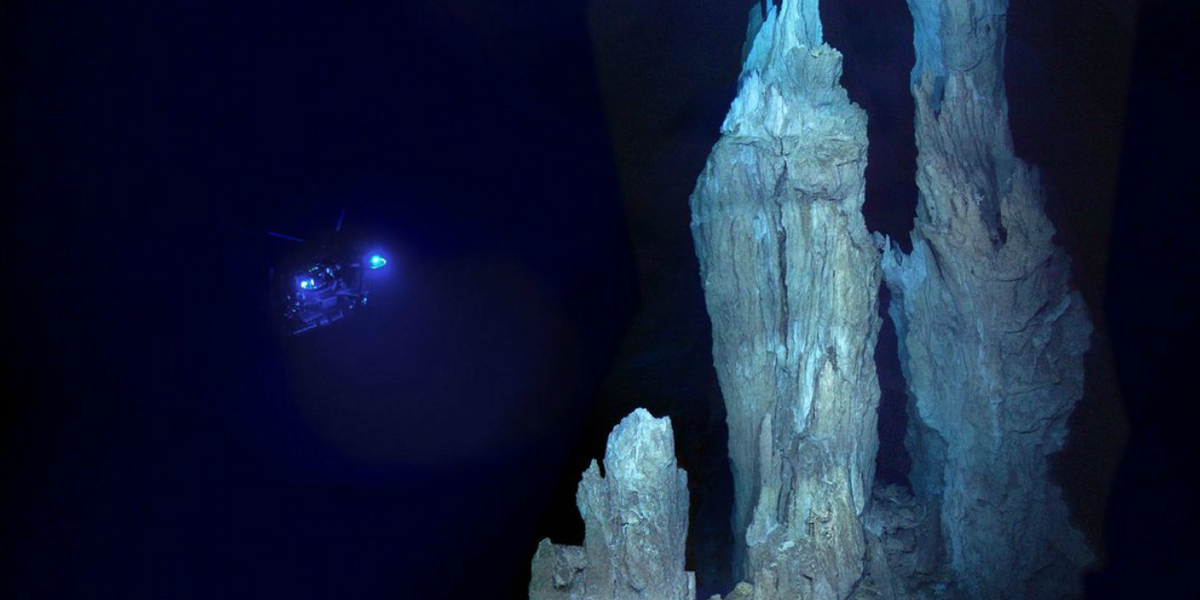
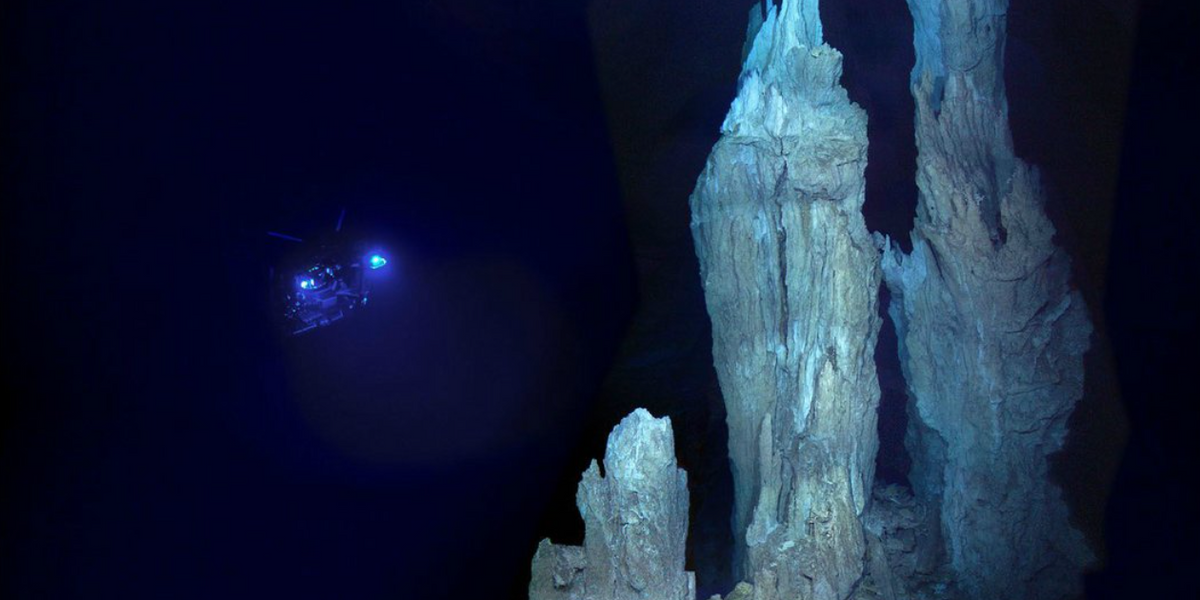
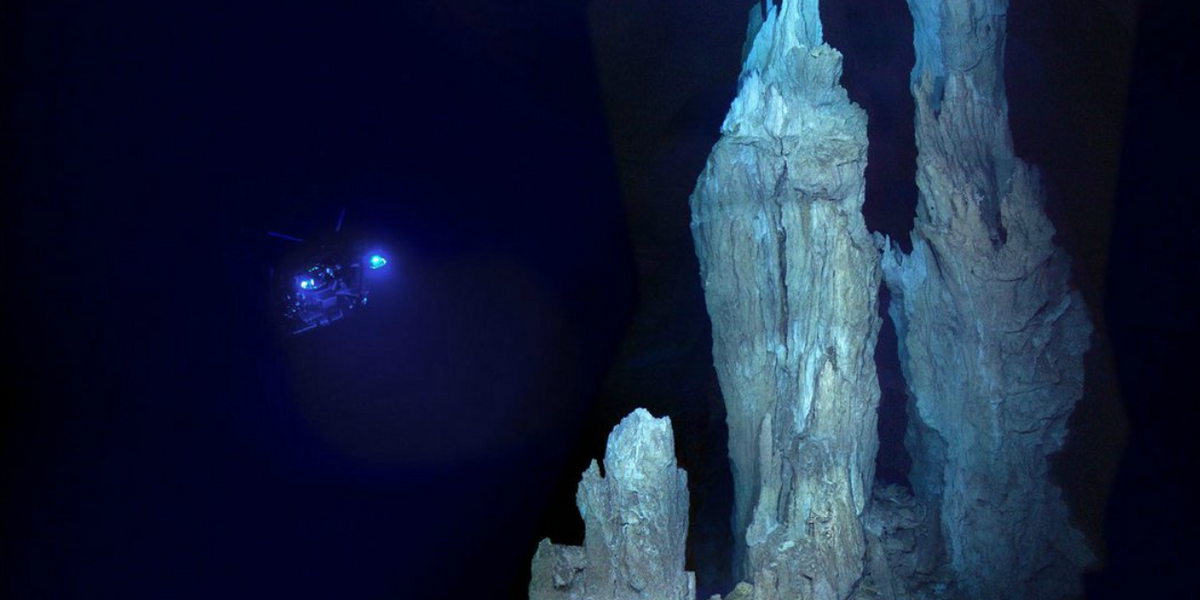
A unique hydrothermal field in the Atlantic, known as the 'Lost City,' features towering carbonate structures and supports life without sunlight. Discovered in 2000, it is the longest-lived venting environment on Earth. While it offers insights into potential life on other planets, it faces threats from deep-sea mining rights granted to Poland in 2018. Conservationists are calling for World Heritage status to protect the site.
Deep Atlantic Drilling Reveals Hidden Hot Water Source Fueling Sunless Ocean Life
science2 months ago

Deep Atlantic Drilling Reveals Hidden Hot Water Source Fueling Sunless Ocean Life

Scientists drilled 1.3 km beneath the Atlantic seabed near the Lost City hydrothermal field and found superheated, hydrogen-rich water with a chemical fingerprint matching the vent fluids, implying a hidden deep source feeding the sunless ecosystem. The water’s chemistry indicates past temperatures of at least 300°C, highlighting how chemical energy from rock–water reactions supports life without sunlight and offering clues about life on icy ocean worlds; however, samples were mixed with seawater and drilling fluids, and a direct underground connection to the chimneys remains unproven, so further expeditions are planned.

Deepest Mantle Rock Recovered Off Atlantic, Yet Moho Remains Uncrossed
science8 months ago

Deepest Mantle Rock Recovered Off Atlantic, Yet Moho Remains Uncrossed

A team aboard the JOIDES Resolution drilled 1,268 meters near the Lost City hydrothermal field, retrieving abyssal peridotite and harzburgite—the deepest mantle-like rock ever recovered—without crossing the crust–mantle Moho boundary. The findings advance understanding of the upper mantle and serpentinization, but the mission ended not from rock failure or depth limits; it was due to the operations window ending, and funding has since been cut for further mantle sampling, potentially slowing progress in deep-mantle research.

Unveiling the Mysteries of the Ocean's Ancient Lost City
science1 year ago

Unveiling the Mysteries of the Ocean's Ancient Lost City

A 120,000-year-old hydrothermal seafloor structure called the Lost City Hydrothermal Field, discovered in 2000, features towering carbonate formations and hosts unique microbial communities that thrive without oxygen, offering insights into early Earth life and potential extraterrestrial ecosystems. Recent recovery of mantle rock samples aims to deepen understanding of life's origins and the possibility of similar habitats on other planets.

Unveiling the Mysterious Submarine 'Lost City'
science1 year ago

Unveiling the Mysterious Submarine 'Lost City'

The Lost City, an extraordinary underwater hydrothermal field located deep beneath the ocean near the Mid-Atlantic Ridge, features towering carbonate structures and unique microbial ecosystems that have existed for over 120,000 years. Its discovery offers insights into the origins of life and the potential for extraterrestrial life, but it faces threats from proposed deep-sea mining, prompting calls for its protection as a natural heritage site.

Unearthed: Astonishing 'Lost City' discovered in the depths of the Atlantic
science2 years ago

Unearthed: Astonishing 'Lost City' discovered in the depths of the Atlantic

Scientists have discovered a real "Lost City" deep in the Atlantic Ocean, west of the Mid-Atlantic Ridge. This hydrothermal field, which has been active for over 120,000 years, is teeming with life and consists of massive walls, columns, and monoliths. The ecosystem, sustained by vents spouting hydrogen, methane, and other gases, offers insights into the origin of life on Earth and the potential for life on other celestial bodies. There are calls to protect the Lost City as a World Heritage site, as mining activities in the surrounding area could have unintended consequences.

Unearthed: Astonishing 'Lost City' Discovered in the Depths of the Atlantic
science2 years ago

Unearthed: Astonishing 'Lost City' Discovered in the Depths of the Atlantic

Scientists have discovered a real "Lost City" deep in the Atlantic Ocean, west of the Mid-Atlantic Ridge. This hydrothermal field, which has been active for over 120,000 years, is teeming with life and consists of massive walls, columns, and monoliths. The ecosystem, sustained by vents spouting hydrogen, methane, and other gases, offers insights into the origin of life on Earth and the potential for life on other celestial bodies. There are calls to protect the Lost City as a World Heritage site, as mining activities in the surrounding area could have unintended consequences.

Unearthed: Astonishing 'Lost City' discovered in the depths of the Atlantic
science2 years ago

Unearthed: Astonishing 'Lost City' discovered in the depths of the Atlantic

Scientists have discovered a real "Lost City" deep in the Atlantic Ocean, west of the Mid-Atlantic Ridge. This hydrothermal field, which has been active for over 120,000 years, is teeming with life and consists of massive walls, columns, and monoliths. It offers insights into ecosystems that could exist elsewhere in the universe and may shed light on the origin of life. The Lost City's unique features and importance have led to calls for it to be listed as a World Heritage site to protect it from potential destruction caused by deep-sea mining activities.

Unearthed: Astonishing 'Lost City' Discovered in the Depths of the Atlantic
science2 years ago

Unearthed: Astonishing 'Lost City' Discovered in the Depths of the Atlantic

Scientists have discovered a hydrothermal field deep in the Atlantic Ocean, known as the "Lost City," which is teeming with life. This unique environment, consisting of massive walls, columns, and monoliths, has been active for over 120,000 years and offers insights into ecosystems that could exist elsewhere in the universe. The hydrocarbons produced by its vents were not created by sunlight or carbon dioxide, but by chemical reactions on the seafloor, similar to how life on Earth may have originated. The Lost City's preservation as a World Heritage site is being advocated to protect this natural phenomenon from potential destruction caused by deep-sea mining activities.

Unearthed: Astonishing 'Lost City' Discovered in the Depths of the Atlantic
science2 years ago

Unearthed: Astonishing 'Lost City' Discovered in the Depths of the Atlantic

Scientists have discovered a real "Lost City" deep in the Atlantic Ocean, west of the Mid-Atlantic Ridge. This hydrothermal field, which has been active for over 120,000 years, is teeming with life and consists of massive walls, columns, and monoliths. It offers insights into ecosystems that could exist elsewhere in the universe and may shed light on the origin of life. The Lost City's unique features and importance have led to calls for it to be listed as a World Heritage site to protect it from potential destruction caused by deep-sea mining activities.

Unearthed: Astonishing 'Lost City' Discovered in the Depths of the Atlantic
science2 years ago

Unearthed: Astonishing 'Lost City' Discovered in the Depths of the Atlantic

Scientists have discovered a real "Lost City" deep in the Atlantic Ocean, west of the Mid-Atlantic Ridge. This hydrothermal field, which has been active for over 120,000 years, is teeming with life and consists of massive walls, columns, and monoliths. The ecosystem, sustained by vents spouting hydrogen, methane, and other gases, offers insights into the origin of life on Earth and the potential for life on other celestial bodies. There are calls to protect the Lost City as a World Heritage site, as mining activities in the surrounding area could have unintended consequences.

Unearthed: Astonishing 'Lost City' Discovered in the Depths of the Atlantic
science2 years ago

Unearthed: Astonishing 'Lost City' Discovered in the Depths of the Atlantic

Scientists have discovered a real "Lost City" deep in the Atlantic Ocean, west of the Mid-Atlantic Ridge. This hydrothermal field, which has been active for over 120,000 years, is teeming with life and consists of massive walls, columns, and monoliths. It offers insights into ecosystems that could exist elsewhere in the universe and may shed light on the origin of life. The Lost City's unique features and importance have led to calls for it to be listed as a World Heritage site to protect it from potential destruction caused by deep-sea mining activities.

Unprecedented 'Lost City' in the Atlantic Ocean faces imminent mining threats
science2 years ago

Unprecedented 'Lost City' in the Atlantic Ocean faces imminent mining threats

Scientists have discovered a hydrothermal field deep in the Atlantic Ocean, known as the "Lost City," which is teeming with life. This unique environment, consisting of massive walls, columns, and monoliths, has been active for over 120,000 years and offers insights into ecosystems that could exist elsewhere in the universe. The hydrocarbons produced by its vents were not created by sunlight or carbon dioxide, but by chemical reactions on the seafloor, similar to how life on Earth may have originated. The Lost City's preservation as a World Heritage site is being advocated to protect this natural phenomenon from potential destruction caused by deep-sea mining activities.

Unprecedented Discovery: Mysterious 'Lost City' Found in Ocean Depths
science-and-environment2 years ago

Unprecedented Discovery: Mysterious 'Lost City' Found in Ocean Depths

The Lost City, a unique and ancient hydrothermal field discovered deep in the ocean, is teeming with life and has the potential to provide insights into the origins of life on Earth and beyond. The ecosystem, which has been active for at least 120,000 years, is home to diverse microbial communities and unusual creatures. However, the area surrounding the Lost City is at risk due to plans for deep-sea mining, which could harm the delicate habitat. Scientists are calling for the Lost City to be designated as a World Heritage site to protect it from potential destruction.