A 12-week trial in 48 overweight Japanese men found that daily plain yogurt, plus dietary guidance and regular walking, slowed biological aging by about 2.2% (measured by DunedinPACE), suggesting a combined benefit from probiotics, diet, and exercise—though the study is small and short, and results can’t yet be generalized.
On a SXSW appearance, Mark Cuban described a three-ingredient lunch—egg white wraps with canned baby clams and honey—as his go-to post-workout meal that delivers about 25g of protein. He notes the dish aligns with his shift from vegetarian to pescatarian for iron and longevity, despite calling it gross and noting the lack of vegetables. Nutrition expert says canned shellfish provides absorbable iron and protein, but warns about sodium in clams and sugar from honey, reinforcing that it's part of his broader health routine.
Turkish researchers evaluated five free AI chatbots (ChatGPT 4, Gemini 2.5 Pro, Bing Chat-5GPT, Claude 4.1, Perplexity) and found they produced 3‑day teen meal plans that undercount total calories by roughly 700 per day, overemphasize protein and fat, and under-allocate carbohydrates. The result: potential growth stunting and hormonal/bone health risks, especially for athletes. Two independent registered dietitians reviewed the results and warned against relying on AI for nutrition guidance. The study, published in Frontiers in Nutrition, calls for more research and greater skepticism toward AI-generated dietary advice.
A Cochrane review of 22 randomized trials (1,995 adults) finds intermittent fasting produces about 3% body-weight loss over up to 12 months, roughly on par with traditional dietary advice and far below a 5% clinically meaningful target, with little evidence of quality-of-life gains; overall evidence quality is variable, so fasting should be viewed as one option among several, not a miracle solution.
The Times piece notes that cutting carbs can spur rapid weight loss but cautions against demonizing carbohydrates, highlighting potential downsides and emphasizing individualized nutrition—some doctors, like Dr. Nate Wood, do not recommend universal low-carb diets.
Pediatric cardiologist Dr. David Stone dispels common myths about nutrition and diets, emphasizing the importance of long-term lifestyle changes over temporary fads. He advocates for simple, sustainable approaches to nutrition, including the benefits of low-carb diets and the misconception that eating fat leads to fat storage. Stone recommends focusing on the type of calories consumed rather than counting them, and encourages thinking of food as fuel and energy for the body.
Some hospitals reinstate mask mandates due to a rise in COVID-19 and flu cases, while a study suggests annual breast cancer screenings reduce mortality. Screen time for toddlers is linked to sensory differences, and a panel of health experts selects the best diets for 2024. Additionally, designers are transforming hearing aids into fashionable accessories, and a study identifies 15 factors contributing to young-onset dementia.
According to a panel of experts, the best diets for overall health in 2024 are the Mediterranean, DASH, and MIND diets, which are backed by scientific research and promote cardiovascular and brain health. While diets like keto, Atkins, and HMR are effective for quick weight loss, they ranked low overall. Nutritionists emphasize the importance of sustainable changes over quick fixes, recommending gradual adjustments and long-term focus on health and well-being.
A new review examines the impact of the Mediterranean, keto, and plant-based diets on cancer risk and progression. The review found that adherence to the Mediterranean diet was associated with smaller tumor size, absence of nodular metastases, and better survival in breast cancer patients. High adherence to the Mediterranean diet also lowered the risk of breast cancer occurrence compared to a Western diet. Keto diets showed promise in reducing tumor size and inflammation in breast cancer patients. Plant-based diets were found to decrease the risk of developing breast cancer, gastric cancer, and colorectal cancer, with the quality of the diet playing a significant role. However, unhealthy plant-based diets were associated with a higher risk. Adherence to the Mediterranean diet also showed benefits in reducing the risk of other cancers such as lung, bladder, and thyroid cancer.
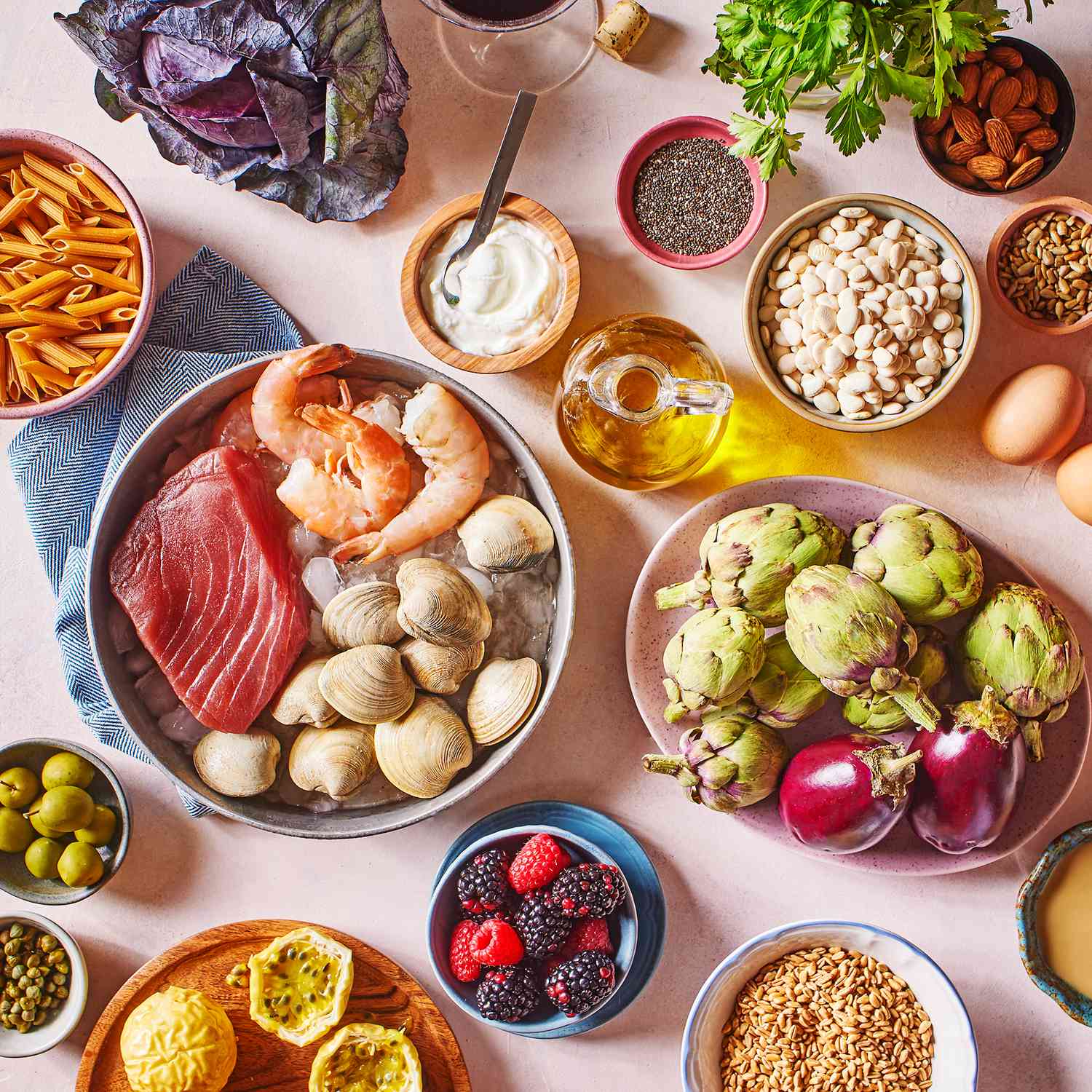
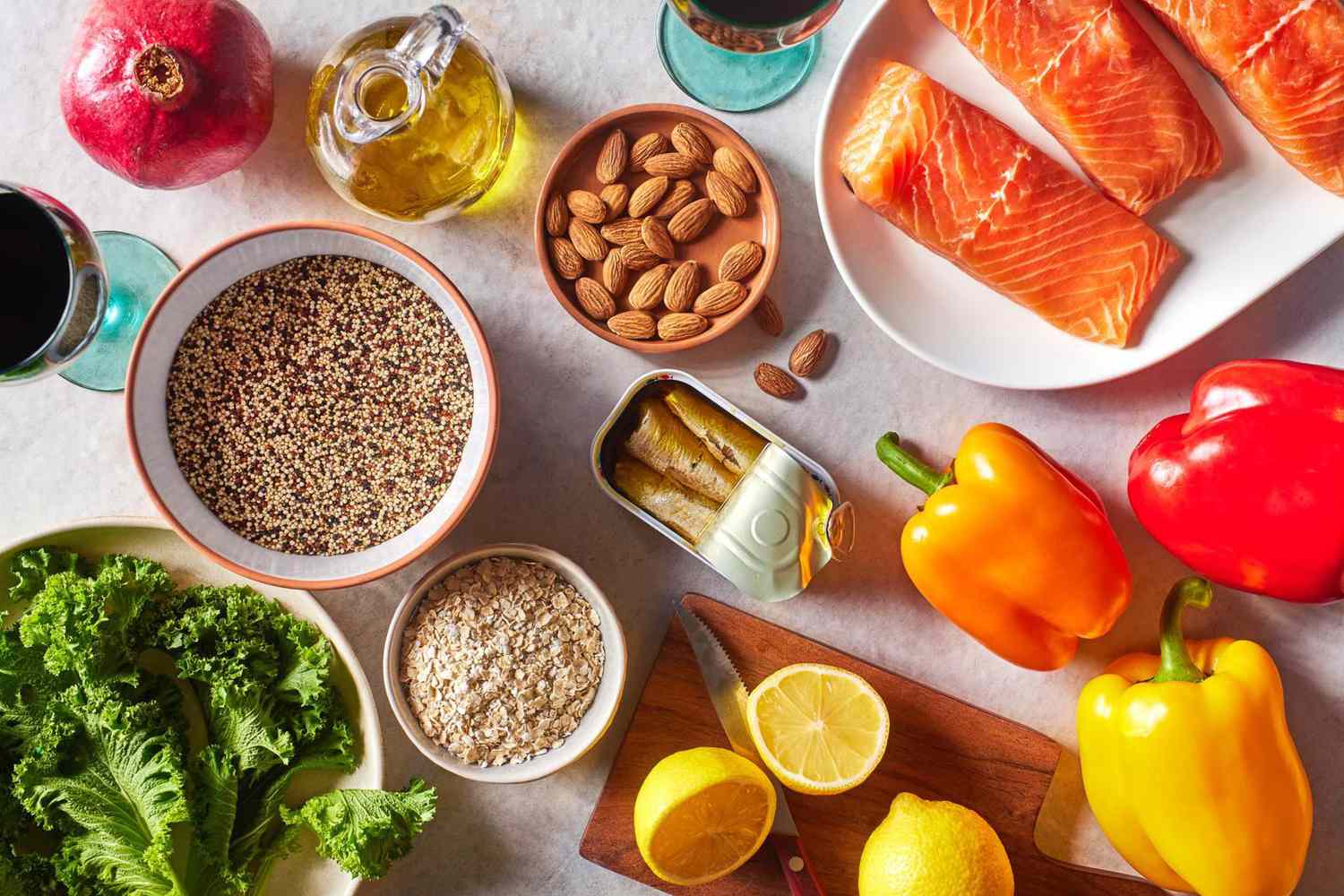
The DASH diet, which focuses on whole foods and limits processed foods, is the fifth most popular diet in the U.S. The carnivore diet, consisting solely of animal-based products, ranks fourth but can lead to nutritional deficiencies and health risks. The vegan diet, replacing animal products with plant-based alternatives, is the third most popular but may also result in nutritional deficiencies. The keto diet, a low-carb, high-fat diet, is the second most searched but is criticized for lacking essential nutrients and being unsustainable. The Mediterranean diet, which includes fruits, vegetables, whole grains, and healthy fats, is the most popular and considered the healthiest option, effectively reducing chronic diseases and symptoms of depression.
Expert guidelines recommend slower weight loss for the treatment of obesity, but there are conflicting opinions on whether slow and steady or fast weight loss is more effective and safe. While both approaches result in similar weight loss, slow weight loss is better for metabolism, fat-to-muscle ratio, and bone density. Restrictive diets can have adverse effects and are not sustainable for long-term health. Successful long-term weight loss requires evidence-based programs, qualified healthcare professionals, and gradual lifestyle changes to form healthy habits.
U.S. News & World Report has selected the DASH, Mediterranean, and MIND diets as the best diets for women over 50. These diets prioritize low-fat dairy products, fruits, veggies, nuts, seeds, whole grains, and lean proteins while limiting added sugars. They are rich in key nutrients such as vitamin B12, calcium, vitamin D, and protein, which are important for women's health as they age. Experts recommend avoiding fad diets and diet pills and sticking to a sustainable diet for long-term well-being.
Researchers led by the University of Southampton analyzed chemical properties in tooth enamel to reconstruct the hunting habits and diets of Neanderthals and other prehistoric humans living in western Europe nearly 100,000 years ago. The study revealed that Neanderthals in the region hunted fairly large animals across vast expanses of land, while humans inhabiting the same area tens of thousands of years later relied on smaller creatures within a territory half the size. The team employed a technique that lasers samples of enamel and measures thousands of individual strontium isotope readings along the growth of a tooth crown.
The DASH, pescatarian, and Mediterranean diets are among the best diets for heart health, according to a new scientific report by a committee of professors and cardiologists who analyzed the current body of scientific evidence. The DASH diet scored a perfect 100, while the Mediterranean diet came in at a strong third place. Vegan and low-fat diets tied in the middle, while very low-fat and low-carb diets fell into the seventh and eighth positions. Paleo and very low-carb/keto diets fell in ninth and tenth place.