Supreme Court dismisses Cisco lawsuit over alleged help to China’s crackdown
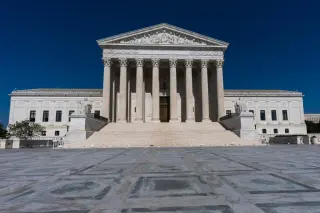
The U.S. Supreme Court dismissed a lawsuit accusing Cisco Systems of aiding the Chinese government in persecuting dissidents, effectively ending the case.
All articles tagged with #dissidents

The U.S. Supreme Court dismissed a lawsuit accusing Cisco Systems of aiding the Chinese government in persecuting dissidents, effectively ending the case.

Twenty-two nations, including the United States, United Kingdom, France, Germany, Canada and Australia, issued a joint statement condemning Iran for hostile, extraterritorial actions against dissidents, journalists and Jewish/Israeli interests abroad and called for an immediate halt. The signatories blame the IRGC Intelligence Organization and Quds Force for various plots, kidnappings and attacks, including antisemitic incidents in Europe and Australia, stressing violations of sovereignty and international law and pledging to remain united against Iran's destabilizing behavior.
A Brooklyn jury convicted Lu Jianwang, a U.S. citizen who helped run a Chinatown outpost tied to China’s government, of acting as an illegal foreign agent and obstructing justice by deleting messages; he was acquitted on a conspiracy charge. Prosecutors said the “police station” served to monitor dissidents, while Lu’s defense argued it was a community center; sentencing is pending. Co-defendant Chen Jinping had previously pleaded guilty to conspiracy.

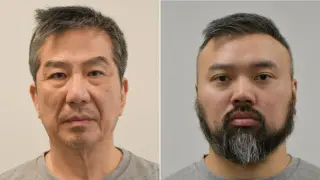
Two men, Chung Biu Yuen and Chi Leung Wai — including a former UK Border Force officer — were found guilty in London of spying for a foreign intelligence service by surveilling Hong Kong dissidents in Britain, including activist Nathan Law, between December 2023 and May 2024; they face up to 14 years in prison, while a third co-defendant died and a separate ‘foreign interference’ charge ended with a hung jury, highlighting ongoing security tensions between the UK and China.

The death toll from a bus bombing on the Pan-American Highway in Cajibio, southwestern Colombia, has risen to 20, with authorities blaming dissident factions of the former FARC rebels amid a broader wave of violence.

OpenAI’s new report details a sprawling Chinese influence operation that used ChatGPT as a diary to document and execute repression against dissidents abroad, including impersonating US immigration officials and trying to take down a dissident’s social media via forged court documents. The effort involved hundreds of operators and thousands of fake accounts and illustrates how AI tools can power authoritarian information campaigns. OpenAI banned the user after matching diary notes with real-world activity, highlighting ongoing AI-driven geopolitical information operations amid US–China AI competition.
Hamas has intensified its brutal crackdown on dissidents and civilians in Gaza, exploiting the world's focus on Israel and Iran to increase violence and repression, including torture, executions, and intimidation tactics against those opposing Hamas's rule.

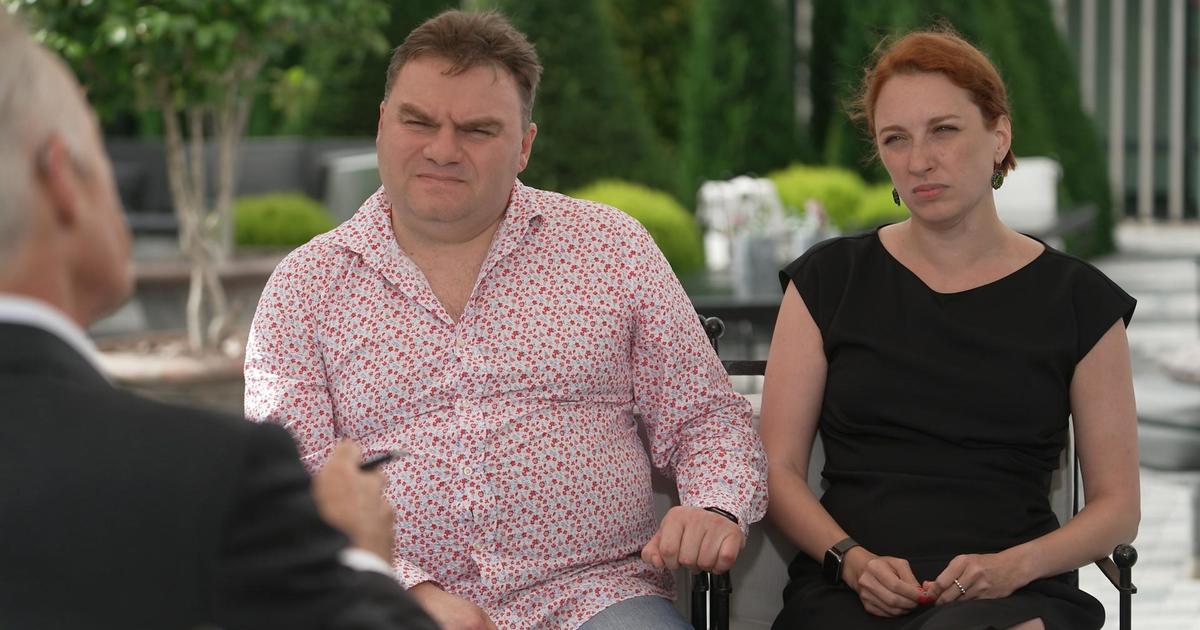
In the wake of Putin's unopposed re-election in Russia, many courageous Russian dissidents have fled to Lithuania, a NATO ally that has welcomed over 2,500 Russian exiles. These dissidents, including a crusading mother and a human rights activist, have spoken out against Putin's regime, which has cracked down on internal opposition and independent media. They continue their fight for freedom and democracy from abroad, while facing concerns about their safety as Russia constantly probes and attempts to silence them.

Russian President Vladimir Putin is expected to secure his fifth term in power, with prominent dissidents like Vladimir Kara-Murza, Ilya Yashin, Andrei Pivovarov, Lilia Chanysheva, Oleg Orlov, and Alexei Gorinov serving time in prison for various charges, including treason, spreading false information, and criticizing the government's actions. These cases have raised concerns about the safety of imprisoned dissidents and the suppression of dissent in Russia.

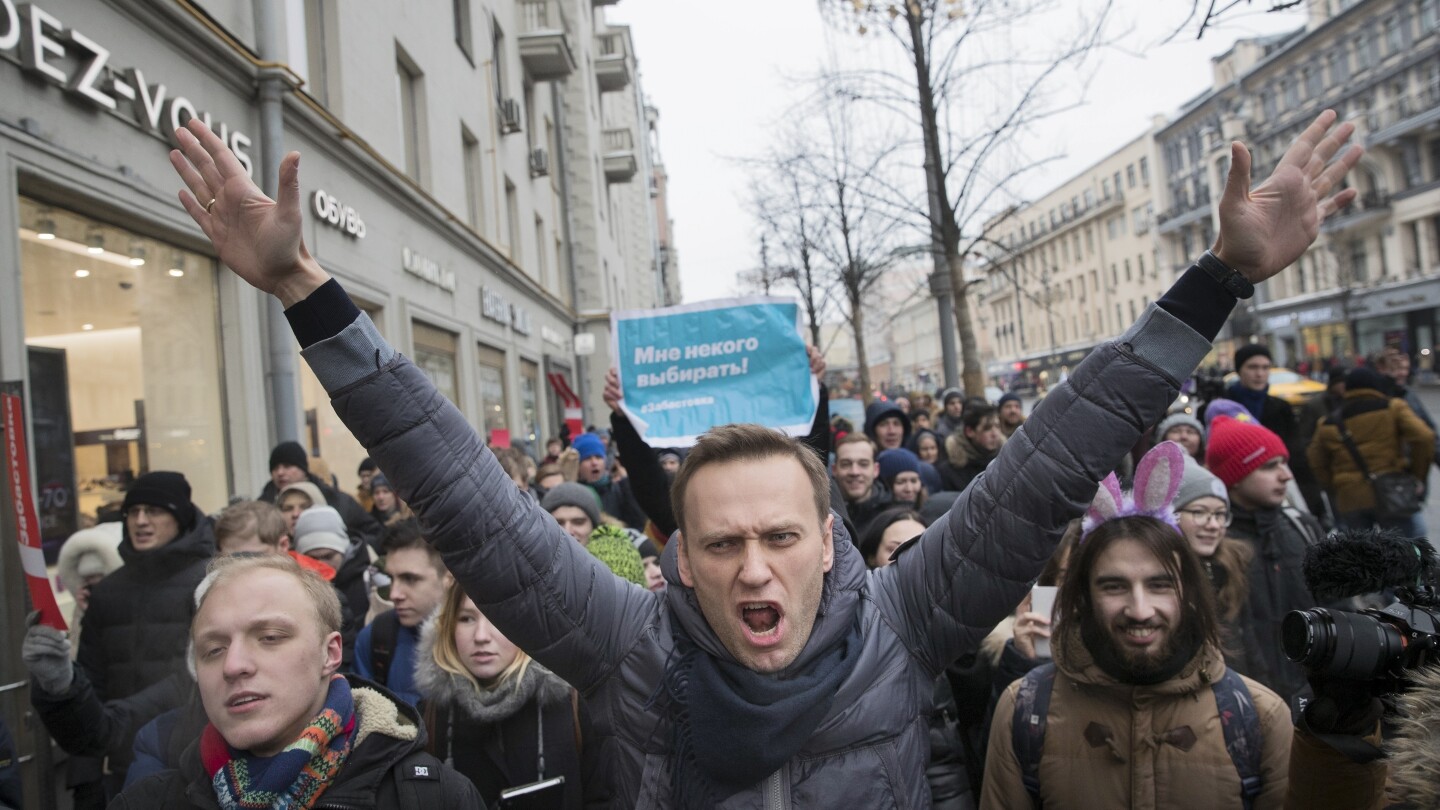
The funeral of Russian dissident Alexei Navalny, set for Friday, reflects the current political climate in Russia under Vladimir Putin's rule. Navalny's family has faced obstacles in arranging the funeral, reminiscent of past dissidents' burials, such as Anatoly Marchenko and Andrei Sakharov. The Russian government's handling of Navalny's funeral has drawn comparisons to past dissident funerals, with Navalny's team calling for supporters to attend despite potential arrests or clashes. The funeral of Boris Nemtsov, another opposition figure, also serves as a reminder of the government's crackdown on dissent.

A leaked trove of over 500 sensitive technical documents reveals a Chinese technology company's hacking operations, target lists, and marketing materials for the Chinese government, with a focus on surveilling and harassing dissidents critical of the Chinese government. The leaked documents also detail the company's bidding for work to surveil the Uyghur population and its relationships with Chinese government agencies. Cybersecurity researchers are analyzing the leak, which includes details on custom spying devices and internal bureaucratic information, providing valuable insights into China's competitive marketplace for hacking operations.

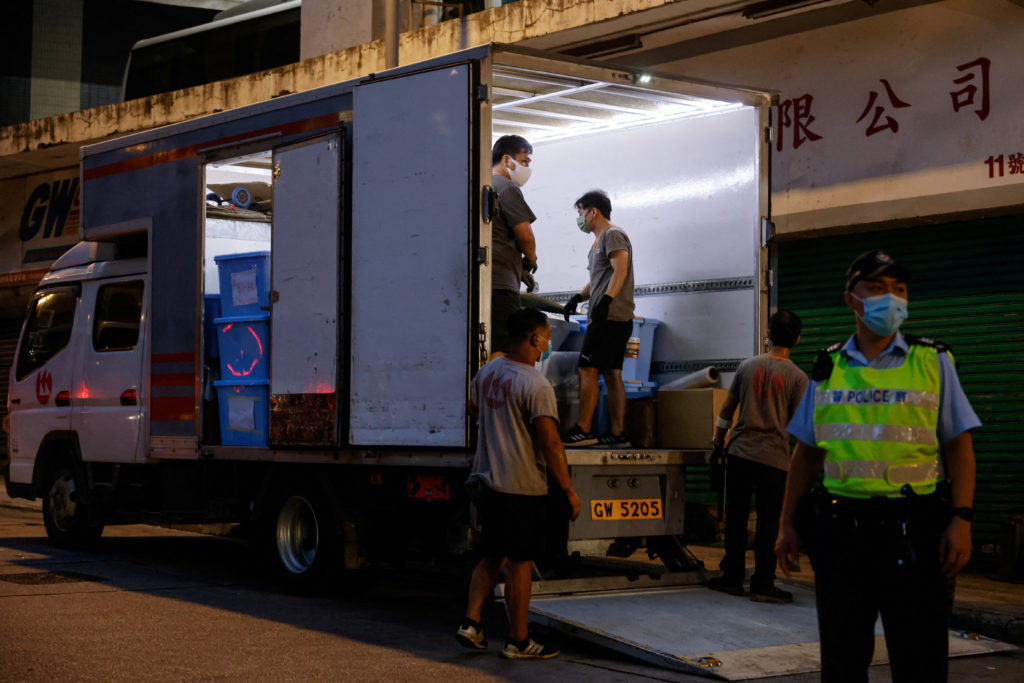
Hong Kong police have arrested four men accused of providing financial support to individuals who fled overseas and are involved in activities endangering national security. The suspects, believed to be former members of the pro-democracy party Demosisto, are accused of using companies, social media, and mobile applications to receive funds and support individuals overseas. The arrests come as part of an ongoing crackdown on dissidents in Hong Kong, with over 260 people arrested under the National Security Law. The police operation is ongoing, and further arrests have not been ruled out.

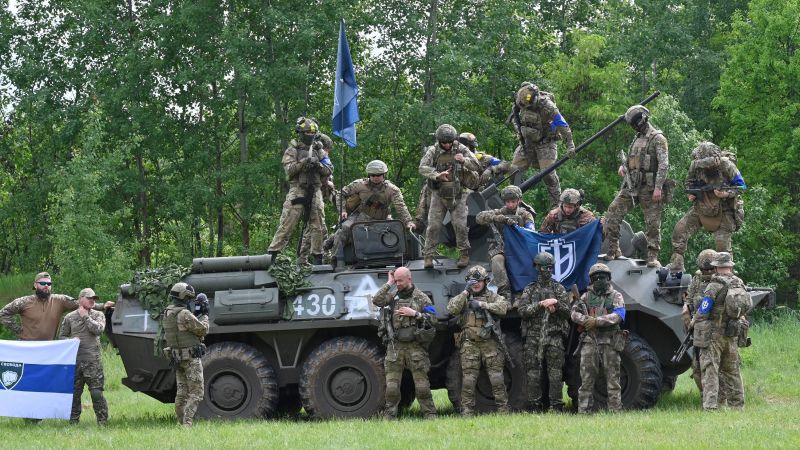
Russian dissidents in Belgorod are siding with Ukraine in the ongoing conflict, but are struggling to adhere to Kyiv's official line. The dissidents recently paraded a captured Russian vehicle, and their actions have raised concerns about potential repercussions from the Russian government. The conflict between Russia and Ukraine continues to escalate, with both sides experiencing losses on the battlefield.

German police are investigating the possible poisoning of two Russian exiles who attended a conference in Berlin organized by a Russian Kremlin critic. The investigation is being handled by the state security unit, a specialized team that examines cases related to "terrorism" or politically motivated crimes. Several poison attacks have been carried out abroad and in Russia against Kremlin opponents in recent years, and Moscow denies its secret services were responsible.

The families and friends of dissident figures in Belarus are being targeted by the government in retaliation for anti-government actions of their relatives. The crackdown on those who disagree with Belarusian leader Alexander Lukashenko intensified after a widely disputed presidential election in 2020. The families of activists have been subjected to much harsher intimidation techniques than ever before, including raids on their homes. At the time of writing, 1,497 people are behind bars for politically motivated charges. The United Nations believes that the Belarusian authorities use extremism and counter-terrorism laws to suppress dissent.