Tag

Early Intervention

All articles tagged with #early intervention

Seeing Early Signs: Utah Kids and the Urgency of Timely Mental Health Care
health4 days ago

Seeing Early Signs: Utah Kids and the Urgency of Timely Mental Health Care

A Utah family describes how early recognition of signs like withdrawal, anxiety, and physical symptoms led to therapy for their child, illustrating how early intervention can alter outcomes; experts note one in five Utah children under eight face emotional or behavioral challenges, and providers like The Children’s Center Utah are expanding access with new locations (including a Lehi site) to better meet needs.

Play-based therapy helps Tommy Klein find his voice
health7 days ago

Play-based therapy helps Tommy Klein find his voice

Tommy Klein, diagnosed with autism at 20 months, found a new path through Golisano Children’s Hospital’s JASPER program—a play-based social-communication therapy that leverages his interests to build language and connection. Driven by persistent parental advocacy and early intervention, Tommy progressed from minimal speech to saying 'I love you,' transforming family life and expanding access to similar therapies for local families in Rochester.

Brief Abatacept Therapy Delays Rheumatoid Arthritis Onset for Years
health1 month ago

Brief Abatacept Therapy Delays Rheumatoid Arthritis Onset for Years

A long-term analysis from King’s College London shows that a 12-month course of abatacept in people at high risk of rheumatoid arthritis can delay disease onset by up to four years, with benefits persisting after treatment ends; strongest effects were in those at highest risk identified by specific autoantibodies, and while the therapy does not permanently prevent RA, early immune modulation may lessen future symptom burden and support preventive strategies, with safety comparable to placebo.

health2 months ago

The quiet science behind dangerous kids and how early help can change their path

A psychologist explains that some children display callous-unemotional (CU) traits that sit on a spectrum and increase the odds of adult psychopathy, detectable in early childhood. The piece explores how genetics and parenting contribute to these traits, cites case studies of extreme behavior, and emphasizes evidence-based interventions—such as parent-child interaction therapy—that reward empathy and limit punishment. It argues that removing problematic children from settings may shift harm elsewhere and that a coordinated family, school, and community approach can reduce violence and improve outcomes for both affected children and their peers.

Blood tau clock could forecast when Alzheimer’s symptoms begin
health3 months ago

Blood tau clock could forecast when Alzheimer’s symptoms begin

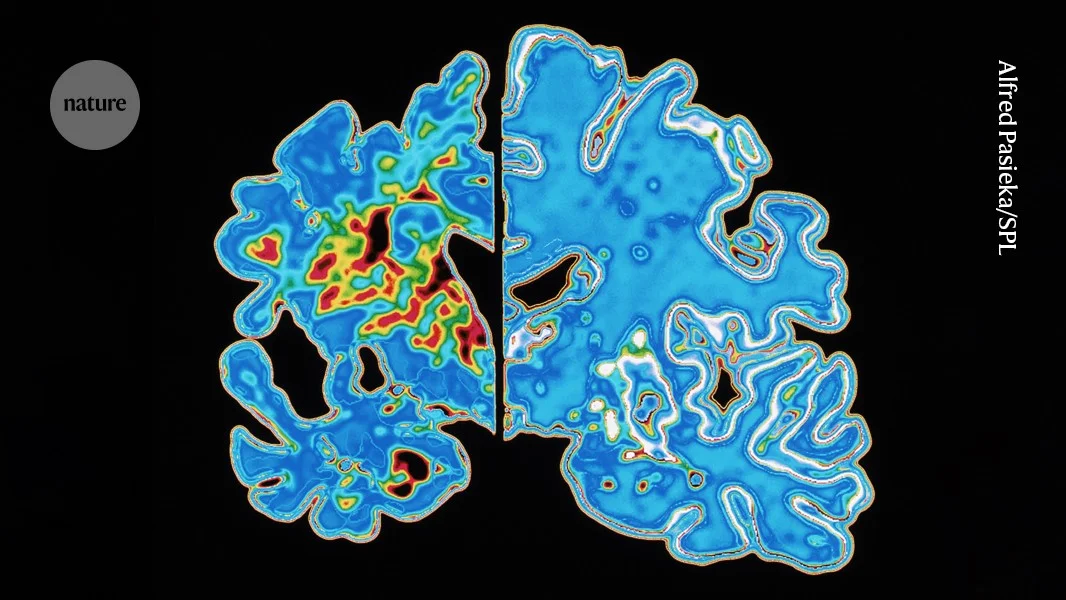
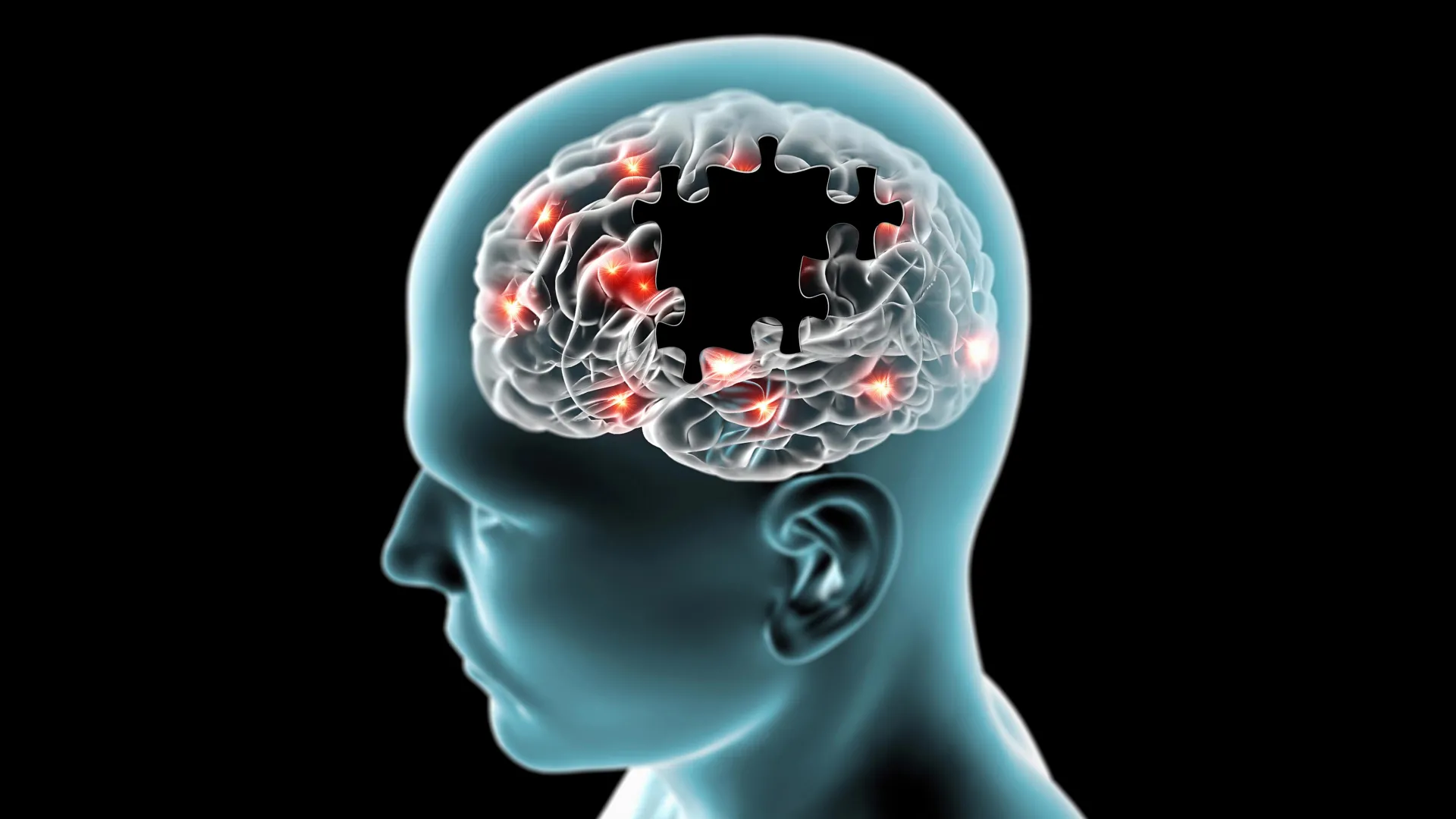
A Nature Medicine study describes a blood test that detects an abnormal form of tau in the blood, which may serve as a molecular clock to predict not only if someone will develop Alzheimer’s but also when symptoms could start. If validated in larger trials, it could enable earlier interventions and streamline clinical testing for therapies, though experts caution that it’s not yet recommended for cognitively unimpaired individuals to use this biomarker outside of research.

Social Inference as a Potential Cure for Schizophrenia
health7 months ago

Social Inference as a Potential Cure for Schizophrenia

Researchers at Case Western Reserve have identified social inference—the ability to interpret social cues—as a key target for treating early-stage schizophrenia. Strengthening this skill through structured social training programs could improve functional recovery, prevent long-term disability, and offer a personalized approach beyond traditional medication, especially when implemented early during adolescence.

Genetic Tools for Early Prediction of Obesity Risk in Children
health10 months ago

Genetic Tools for Early Prediction of Obesity Risk in Children

A large international study has developed a genetic test that predicts the risk of obesity, especially in children, with higher accuracy for individuals of European ancestry. The test uses a polygenic risk score that accounts for genetic variants linked to higher BMI, potentially enabling early interventions. However, its effectiveness varies across different populations, and lifestyle factors remain crucial in obesity risk management.

Genetic Testing Offers Early Prediction of Obesity Risk
health10 months ago

Genetic Testing Offers Early Prediction of Obesity Risk

A large-scale study has developed a genetic test that can predict a child's risk of obesity in adulthood, potentially enabling early interventions. The test, based on a polygenic risk score, is more effective than previous methods, especially for individuals of European ancestry, and highlights the importance of combining genetic insights with lifestyle factors to address obesity. Further research is needed to improve accuracy across diverse populations.

The Rising Threat of Fatty Liver Disease and Its Long-Term Impact
health1 year ago

The Rising Threat of Fatty Liver Disease and Its Long-Term Impact

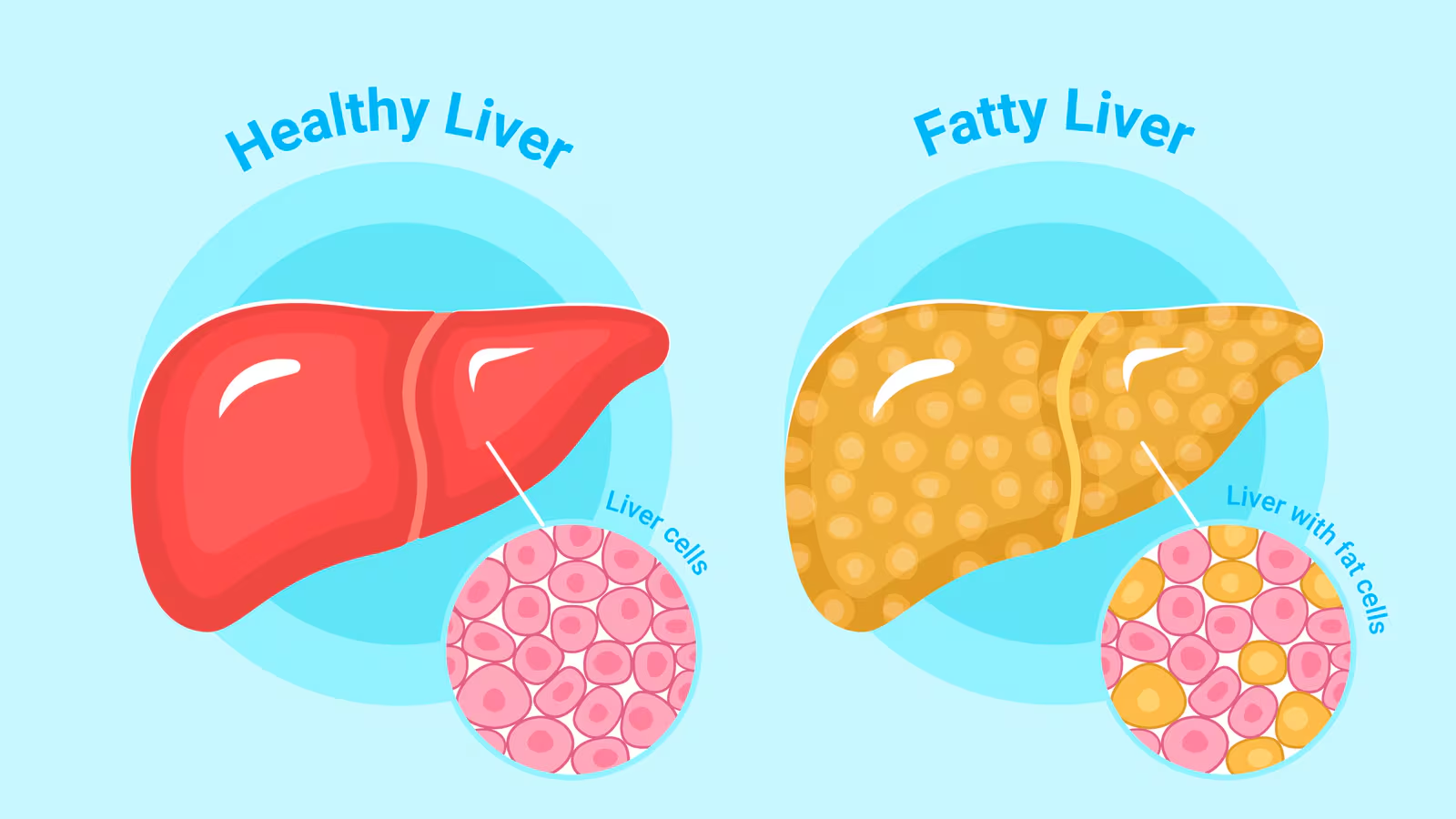
Fatty liver disease, increasingly common due to sedentary lifestyles and obesity, can progress from fat buildup to irreversible scarring and liver failure if not treated early. Dr. Wendi emphasizes the importance of early action to prevent serious liver damage and highlights the stages of disease progression, including fibrosis and cirrhosis.

Preschool Tantrums: Early Signs of ADHD to Watch For
health1 year ago

Preschool Tantrums: Early Signs of ADHD to Watch For

A study by the University of Edinburgh found that preschoolers who struggle with emotional regulation are more likely to exhibit ADHD symptoms and mental health issues by age seven. Analyzing data from the UK Millennium Cohort Study, researchers linked slower emotional development to conduct problems and internalizing behaviors like sadness. The findings suggest that early monitoring of emotional regulation could help identify children at risk for mental health challenges, allowing for targeted interventions.

"Machine Learning Predicts Onset of Psychosis from Brain Scans"
health-and-neuroscience2 years ago

"Machine Learning Predicts Onset of Psychosis from Brain Scans"

Researchers have developed a machine-learning tool that uses MRI brain scans to accurately identify individuals at high risk of psychosis, achieving an 85% accuracy rate in training and 73% using new data. This innovative approach offers a promising avenue for early intervention in psychosis, potentially improving treatment outcomes. The study involved over 2,000 participants from 21 global locations, highlighting the tool’s potential in diverse clinical settings. By detecting structural brain differences before the onset of psychosis, this tool marks a significant advancement in psychiatric care, aiming for better prediction and prevention strategies.

"Recognizing Early Psychosis in Young People"
health2 years ago

"Recognizing Early Psychosis in Young People"

A study led by the University of Toronto found that 50% of youth accessing mental health services exhibit Psychosis Spectrum Symptoms (PSS), indicating a higher prevalence than anticipated. The study aims to identify early predictors of psychosis spectrum disorder and improve intervention effectiveness by integrating research assessments into clinical practice and involving youth in a patient-facing dashboard. The goal is to develop new strategies for early identification and better characterize the mental health needs of at-risk youth, with the ultimate aim of improving youth mental health outcomes.