Tag

Eating Habits

All articles tagged with #eating habits

Neurologists Identify Five Mealtime Shifts That May Signal Early Dementia
health2 months ago

Neurologists Identify Five Mealtime Shifts That May Signal Early Dementia

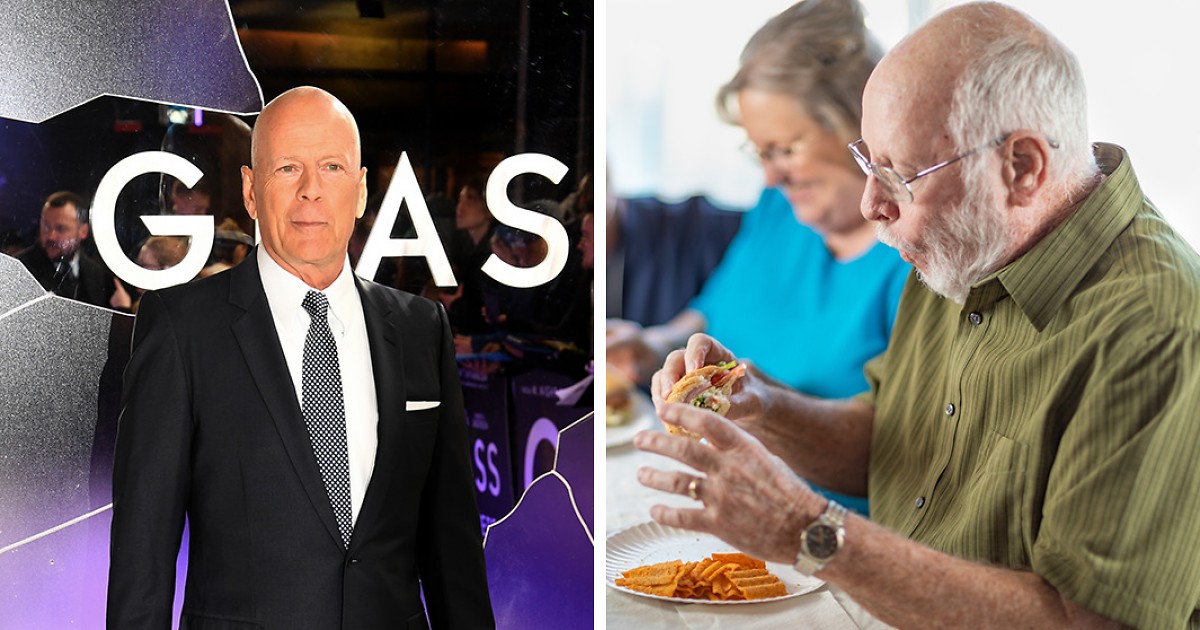
Neurologists identify five specific changes in eating habits that may indicate early dementia: simplifying meal preparation, losing interest in food, forgetting to eat, rigid food choices, and new sweet cravings. While these signs are not definitive, they warrant medical evaluation, especially when accompanied by other cognitive changes. Caregivers are advised to create positive mealtime environments, use clear cues, and pair preferred foods with nutritious options to support patients.


Neurologists Identify Five Mealtime Shifts That May Signal Early Dementia
health2 months ago

Neurologists Identify Five Mealtime Shifts That May Signal Early Dementia

Neurologists warn that subtle changes in eating habits, such as a sudden craving for sweets or a shift toward simpler meals, can be early indicators of dementia. While these signs do not guarantee a diagnosis, they often reflect cognitive decline affecting planning, impulse control, and sensory processing. Experts emphasize that these changes should prompt a medical evaluation rather than immediate alarm, as other conditions like depression or dental issues can mimic these symptoms.

"Ditch This Common Habit to Torch Fat and Improve Health"
health-and-fitness2 years ago

"Ditch This Common Habit to Torch Fat and Improve Health"

A personal trainer emphasizes the importance of maintaining a consistent eating schedule to aid weight loss and metabolic health, warning against irregular eating times. He suggests methods like Intermittent Fasting and Early Time-Restricted Feeding, and advises focusing on nutrient timing, avoiding late-night eating, and staying hydrated. The expert also highlights the significance of a balanced diet rich in whole foods and reducing processed foods for effective weight loss.

The Loneliness-Food Connection: Cravings, Addiction, and Health Implications
health-and-wellness2 years ago

The Loneliness-Food Connection: Cravings, Addiction, and Health Implications

A recent study from UCLA Health reveals that feelings of loneliness can lead to changes in brain function, unhealthy eating behaviors, and increased risk of obesity. The research suggests that lonely individuals exhibit heightened brain activity in response to food cues, leading to intense cravings and using food as a coping mechanism. These altered brain responses are associated with higher body fat percentage and poorer mental health outcomes. Strategies to combat the negative effects of loneliness on health include seeking social interaction, engaging in physical activity, practicing mindfulness, maintaining a balanced diet, and seeking professional help if needed. This study emphasizes the importance of addressing loneliness and social isolation for both physical and mental well-being.

"Assessing Your Diet: 3 Essential Self-Reflection Questions"
health-and-wellness2 years ago

"Assessing Your Diet: 3 Essential Self-Reflection Questions"

Health professionals caution against restrictive diets, emphasizing the importance of sustainable eating habits. To determine if a diet is restrictive, individuals are advised to consider how often they think about food, their flexibility around dietary rules, and their ability to enjoy foods in moderation. Seeking guidance from health professionals, including doctors and dietitians, is recommended to establish a healthy approach to eating while avoiding restrictive behaviors.

"Reevaluating Your Diet: 3 Essential Questions to Consider"
health-and-wellness2 years ago

"Reevaluating Your Diet: 3 Essential Questions to Consider"

Health professionals caution against restrictive diets, emphasizing the importance of sustainable eating habits. Signs of a restrictive diet include obsessive thoughts about food, inflexibility around eating styles, and feeling out of control around certain foods. To promote a healthier relationship with food, experts recommend seeking guidance from health professionals, adopting a balanced approach to eating, and reframing the mindset around "forbidden" foods.

"Eating Habit Linked to Early Dementia, Experts Warn"
health2 years ago

"Eating Habit Linked to Early Dementia, Experts Warn"

Unusual eating habits, such as hyper-fixating on one food or eating non-food objects, could be an early sign of frontotemporal dementia, a subtype of dementia that affects the frontal and temporal lobes of the brain. These behaviors, including obsessive or repetitive eating, may be indicative of the condition, which can also manifest as personality and behavior changes, language problems, and difficulties with mental abilities. Seeking medical advice early is crucial for intervention and management of the condition.

"Eating Habit Linked to Early Dementia, Experts Warn"
health2 years ago

"Eating Habit Linked to Early Dementia, Experts Warn"

Unusual eating habits, such as hyper-fixating on one food or eating non-food objects, could be an early sign of frontotemporal dementia (FTD), a subtype of dementia that affects the frontal and temporal lobes of the brain. Individuals with FTD may exhibit obsessive or repetitive behavior related to food, which can lead to health issues such as weight gain or loss. Other symptoms of FTD include personality and behavior changes, language problems, mental abilities issues, and physical problems. If you suspect dementia, it's important to consult a GP for early intervention.

"Health Expert Warns Against Eating Snow After Reese Witherspoon Controversy"
health-and-wellness2 years ago

"Health Expert Warns Against Eating Snow After Reese Witherspoon Controversy"

Nutritionist and Registered Dietician Harriet Skevis warns against eating snow due to potential contamination from air pollutants, soil chemicals, and other contaminants. Snow can collect dust, pollen, and chemical pollutants as it forms in the clouds and descends to the ground, making it unsafe to consume, especially during snowstorms. Skevis advises against eating discolored snow and recommends using filtered ice for treats instead, as consuming contaminated snow can lead to health risks, particularly for children with low immunity.

The Snacking Epidemic: Americans Consuming an Extra Meal's Worth of Calories
health2 years ago

The Snacking Epidemic: Americans Consuming an Extra Meal's Worth of Calories

A study published in PLOS Global Public Health reveals that nearly a quarter of the calories consumed by U.S. adults come from snacks, which average 400 to 500 calories per day. These snacks are often lacking in protein, vitamins, and minerals, and contribute to one-third of daily added sugar intake. The most common snacks are convenience foods high in fats and carbohydrates, followed by sweets, alcoholic or sugary beverages, protein, milk and dairy, and fruits and grains. Fruits and vegetables make up only about 5% of total snacking calories. The study emphasizes the importance of making mindful and well-balanced snack choices, including a combination of healthy fats, carbohydrates, and protein, and opting for unprocessed foods.