Tag

Endothermy

All articles tagged with #endothermy

Tooth enamel analysis reveals T. rex maintained a 97°F body temperature
science23 days ago

Tooth enamel analysis reveals T. rex maintained a 97°F body temperature

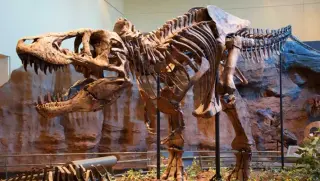
A new study provides the first direct measurement of Tyrannosaurus rex body temperature, finding it ran at approximately 36.3°C (97°F). This temperature, comparable to modern elephants and humans, suggests the dinosaur was a warm-blooded endotherm capable of active predation and survival in diverse climates, including cold northern regions.
First Direct Measurement: T. rex Ran at 97°F, Matching Human Body Temperature
science24 days ago

First Direct Measurement: T. rex Ran at 97°F, Matching Human Body Temperature

A new study in Science Advances provides the first direct measurement of Tyrannosaurus rex body temperature, finding it ran at approximately 36.3°C (97.3°F). This temperature, similar to modern humans and elephants, confirms T. rex was warm-blooded and capable of inhabiting colder regions like Alaska, distinct from the cooler temperatures of contemporary reptiles.

Tooth Enamel Analysis Pins T. rex Body Temperature at 97°F, Confirming Warm-Blooded Metabolism
science26 days ago

Tooth Enamel Analysis Pins T. rex Body Temperature at 97°F, Confirming Warm-Blooded Metabolism

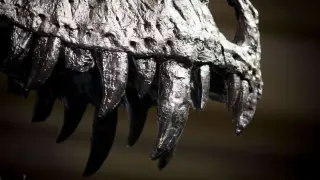
A new study published in Science Advances uses carbon and oxygen isotope analysis of fossilized teeth from 'Thomas the T. rex' to estimate the dinosaur's body temperature at approximately 97°F (36°C). This finding provides the first direct thermal measurement, confirming that T. rex was warm-blooded and capable of sustaining high metabolic activity across diverse climates, from Mexico to Alaska.

Warm-signature tag hints at white-shark predation on a pregnant porbeagle
science1 month ago

Warm-signature tag hints at white-shark predation on a pregnant porbeagle

A pop-up satellite tag on a pregnant porbeagle off Cape Cod recorded four days of anomalously stable, warm internal readings that didn’t match surrounding water, suggesting the tag sat inside a predator’s stomach. Pattern analysis points to a white shark rather than a mako, though this is not conclusive and represents a single data point about predation on porbeagles.

"Warm-Blooded Dinosaurs Emerged 180 Million Years Ago, Study Reveals"
science2 years ago

"Warm-Blooded Dinosaurs Emerged 180 Million Years Ago, Study Reveals"

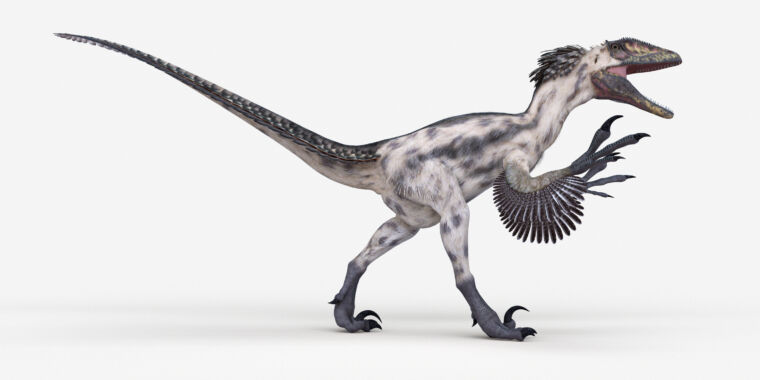
Researchers have found that certain dinosaur groups, such as theropods and ornithischians, evolved warm-bloodedness as they migrated to cooler regions during the Early Jurassic period. This adaptation likely helped them survive drastic climate changes, including the Early Jurassic Jenkyns Event, which caused extreme global warming. The study suggests that these adaptations may have contributed to the rise of avian endothermy, tracing back to the earliest ancestors of modern birds.

Megalodon: The Warm-Blooded Terror of the Seas.
science3 years ago

Megalodon: The Warm-Blooded Terror of the Seas.

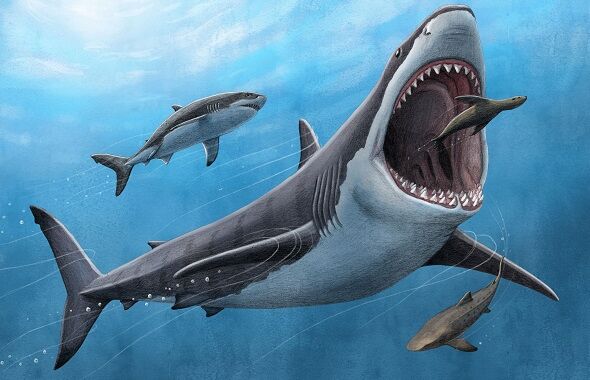
New research on fossilized teeth of megalodon, a large predatory shark that lived 4 million years ago, suggests that it regulated its body temperature and was at least partially endothermic. The study used isotope clumping to estimate the temperature at which the teeth formed and found that megalodon consistently had a body temperature about 7°C warmer than cold-blooded fish. This could have helped the shark maintain its growth rates and swim faster, but also made it vulnerable to climate change.

Ancient bird-like dinosaurs nested communally, study shows.
paleontology3 years ago

Ancient bird-like dinosaurs nested communally, study shows.

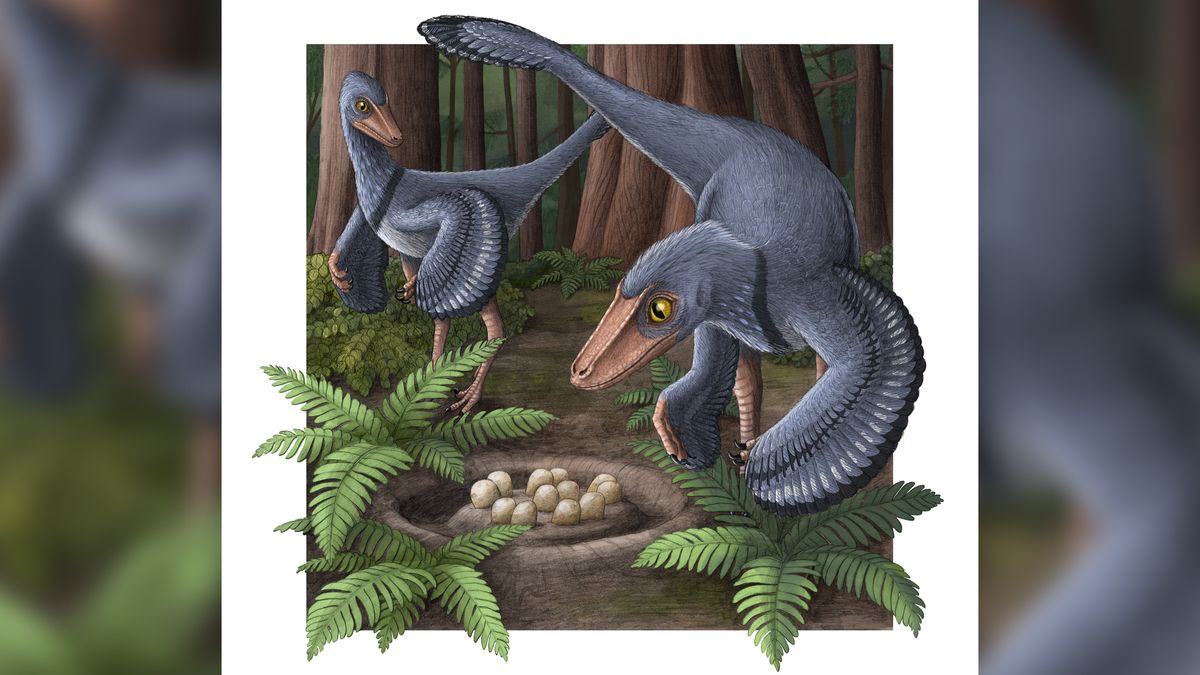
Fossilized eggshells have revealed that Troodon, a bird-like dinosaur that lived up to 74 million years ago, shared communal nests where several female nestmates often laid more than 20 eggs together, which these feathery dinos then brooded to keep warm. The dinosaurs were endotherms, meaning they were warm-blooded and could self-regulate their body temperature. They could probably switch between a warm-blooded state and a state of cold-blooded torpor — a strategy common in modern birds, called heterothermy. The finding sheds light on the evolutionary transition from cold-bloodedness to endothermy in dinosaurs.