Tag

Erythritol

All articles tagged with #erythritol

Erythritol under the microscope: what the latest science really says
health8 days ago

Erythritol under the microscope: what the latest science really says

Sponsored content: This piece explains erythritol as a bulk, blood-sugar–friendly sugar substitute useful in baking and low-sugar foods, while noting a widely publicized 2023 Nature Medicine study that linked higher blood erythritol to cardiovascular events; importantly, samples in that study largely came from before erythritol-containing products existed, so causation isn’t proven, and later work suggests possible effects on platelets under certain conditions. The overall message remains that excess added sugar poses real health risks, with erythritol offered as one of several tools to reduce sugar intake. People with stroke/clotting history should consult their healthcare provider, and the article advocates gradually retraining taste buds to crave less sweetness rather than chasing a perfect substitute.


Erythritol in Focus: What Science Really Says About This Sugar Substitute
health9 days ago

Erythritol in Focus: What Science Really Says About This Sugar Substitute

A sponsored wellness piece by Molly Kimball explains that while a 2023 Nature Medicine study linked higher blood erythritol with heart events, the data mostly used samples from 2001–2007 before erythritol-containing products were common and the body naturally produces erythritol, so causation isn’t proven. Some studies suggest possible increased platelet activity under certain conditions, but decades of evidence still show the harms of excess added sugar. For most people, erythritol can help reduce sugar intake, but long-term effects remain under study; the broader message is to retrain taste for less sweetness rather than chasing a perfect sugar substitute.

Erythritol May Weaken Brain’s Shield, Linked to Stroke Risk in Lab Study
health29 days ago

Erythritol May Weaken Brain’s Shield, Linked to Stroke Risk in Lab Study

A laboratory study found that erythritol can damage brain endothelial cells by lowering nitric oxide, raising endothelin-1 and reactive oxygen species, and reducing tissue plasminogen activator, which together may weaken the blood-brain barrier and help explain links between higher erythritol levels and stroke risk. The work was done in cell cultures, not humans, so results must be interpreted with caution and more clinical research is needed; researchers also urge monitoring non-nutritive sweetener consumption.

Common Sugar Alcohol in Diet May Boost Stroke Risk, Lab Finds
health4 months ago

Common Sugar Alcohol in Diet May Boost Stroke Risk, Lab Finds

CU Boulder researchers found that erythritol, a sugar alcohol widely used in protein bars and zero-sugar drinks, altered brain blood vessel cells in vitro: less nitric oxide, more endothelin-1, and about 75% higher reactive oxygen species. When thrombin was introduced, erythritol also blunted tissue plasminogen activator (t-PA), reducing the body's ability to dissolve clots. The study echoes a 2023 epidemiological link between higher blood erythritol and stroke/heart attack risk, but authors caution that causality isn’t proven and endogenous production of erythritol may confound results, so continuing evaluation of non-nutrient sweeteners is prudent.

Erythritol Shown in Lab to Impair Brain Vessels, Potentially Elevating Stroke Risk
health-and-medicine5 months ago

Erythritol Shown in Lab to Impair Brain Vessels, Potentially Elevating Stroke Risk

New lab findings from the University of Colorado Boulder suggest erythritol, a widely used sugar substitute, may impair brain microvascular endothelial cells by lowering nitric oxide, raising vasoconstrictors, reducing clot-busting t-PA, and boosting reactive oxygen species, potentially increasing stroke risk at typical intake; the work is cellular and not yet proven in people, though epidemiological data have linked higher erythritol levels with heart attack or stroke, so monitoring intake and checking labels is advised.

Sugar substitutes may raise clot risk, new vascular study finds
lifestyle6 months ago

Sugar substitutes may raise clot risk, new vascular study finds

New Cleveland Clinic findings suggest sugar substitutes, especially erythritol and other sugar alcohols, may acutely promote clot formation and could raise the risk of heart attacks and strokes, particularly in people with obesity, diabetes or metabolic syndrome. The researchers urge longer-term studies to confirm safety and advise moderation and consultation with healthcare providers when using these products.

Erythritol May Undermine Brain Shield, Raise Stroke Risk
science6 months ago

Erythritol May Undermine Brain Shield, Raise Stroke Risk

New lab and observational evidence suggests the sugar substitute erythritol can damage cells of the blood-brain barrier, trigger oxidative stress, and lower nitric oxide while raising endothelin-1, potentially narrowing cerebral vessels and hindering clot dissolution—factors that could elevate stroke risk; these findings align with studies linking erythritol to higher cardiovascular events, though most experiments used isolated cells and require validation in more realistic models.

Scientists Link Common Sweetener to Higher Heart Attack and Stroke Risk
health8 months ago

Scientists Link Common Sweetener to Higher Heart Attack and Stroke Risk

Recent studies suggest that erythritol, a common artificial sweetener, may increase oxidative stress, disrupt vascular signaling, and impair clot regulation in brain blood vessel cells, potentially raising the risk of stroke and heart attack, especially with high consumption. While approved and widely used, its long-term effects remain uncertain, prompting further research into its safety.

Health Risks of Popular Artificial Sweeteners and Natural Alternatives
health-and-halacha1 year ago

Health Risks of Popular Artificial Sweeteners and Natural Alternatives

A halachic analysis highlights health concerns from erythritol in certain Splenda products, linking them to increased stroke risk based on recent scientific studies. It recommends avoiding purple and brown packaged Splenda containing erythritol, while continuing to use yellow-packaged products deemed safe, emphasizing the importance of protecting health through halachic obligations.

Health Risks of Popular Artificial Sweeteners: Brain Damage, Stroke, and Heart Concerns
health1 year ago

Health Risks of Popular Artificial Sweeteners: Brain Damage, Stroke, and Heart Concerns

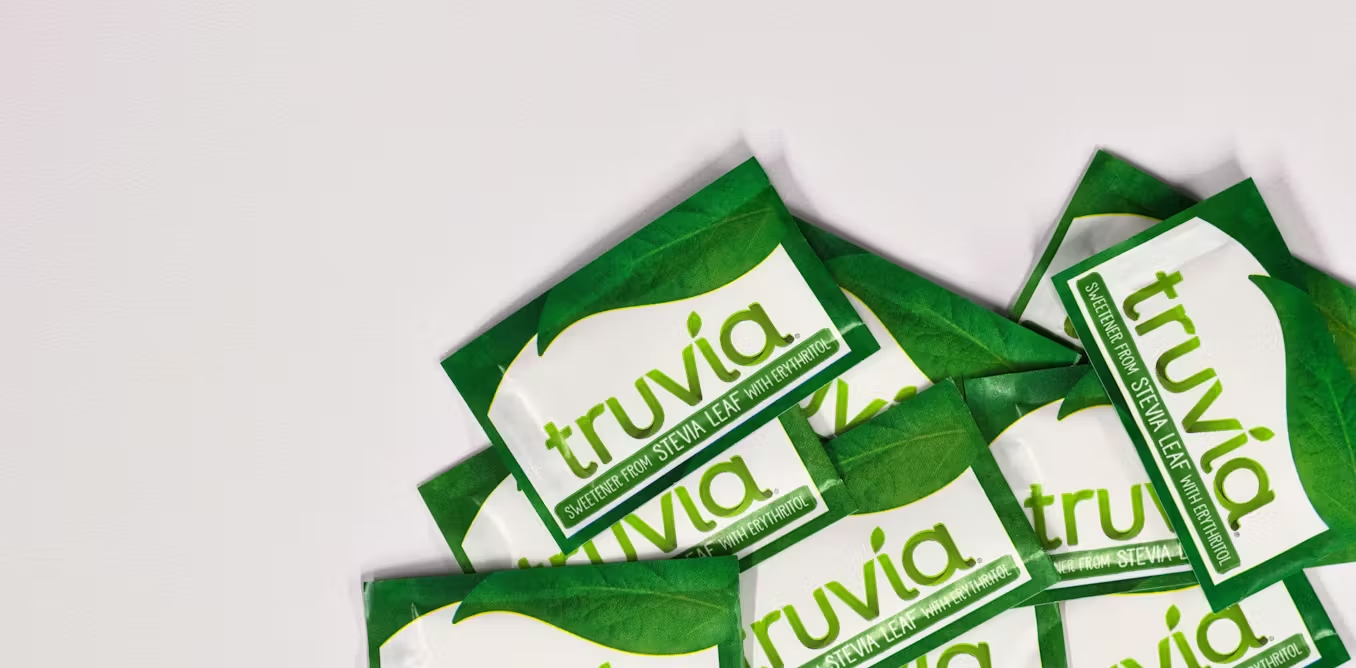
Recent research suggests that erythritol, a common artificial sweetener found in products like Truvia and Splenda, may pose health risks by damaging brain cells and increasing the risk of stroke and heart attack, prompting experts to recommend natural alternatives such as honey, maple syrup, and monk fruit. The study highlights the potential dangers of erythritol, especially for individuals consuming multiple sugar-free drinks daily, and emphasizes the importance of reading food labels and considering natural sweeteners for safer consumption.