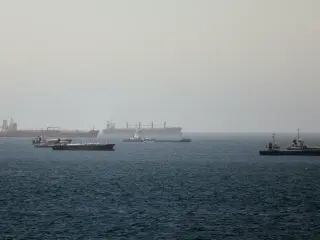
Oil prices rose after a cargo vessel was struck in the Strait of Hormuz, prompting the International Maritime Organization to pause its planned evacuation of ships. Brent crude climbed into the mid-70s as markets reassessed supply risks amid ongoing US-Israel tensions with Iran and a drop in Asian equities.
Oil prices fall toward $70 after the IMO announces a plan to evacuate more than 11,000 seafarers through the Strait of Hormuz, signaling potential normalization of energy supplies if the US and Iran reach a peace agreement; gasoline prices are easing, though full normalization may take months due to shipping delays and facility repairs.
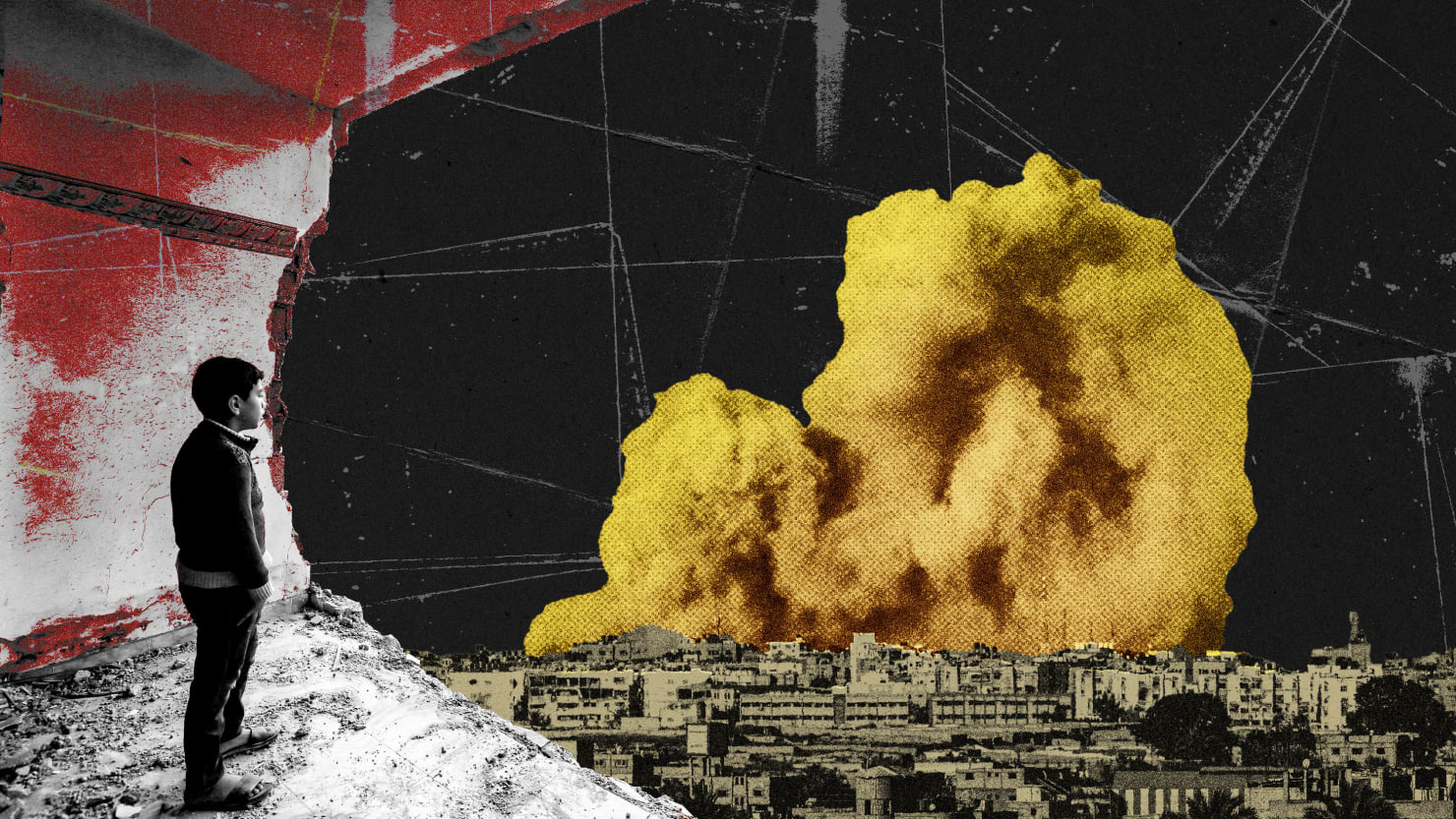
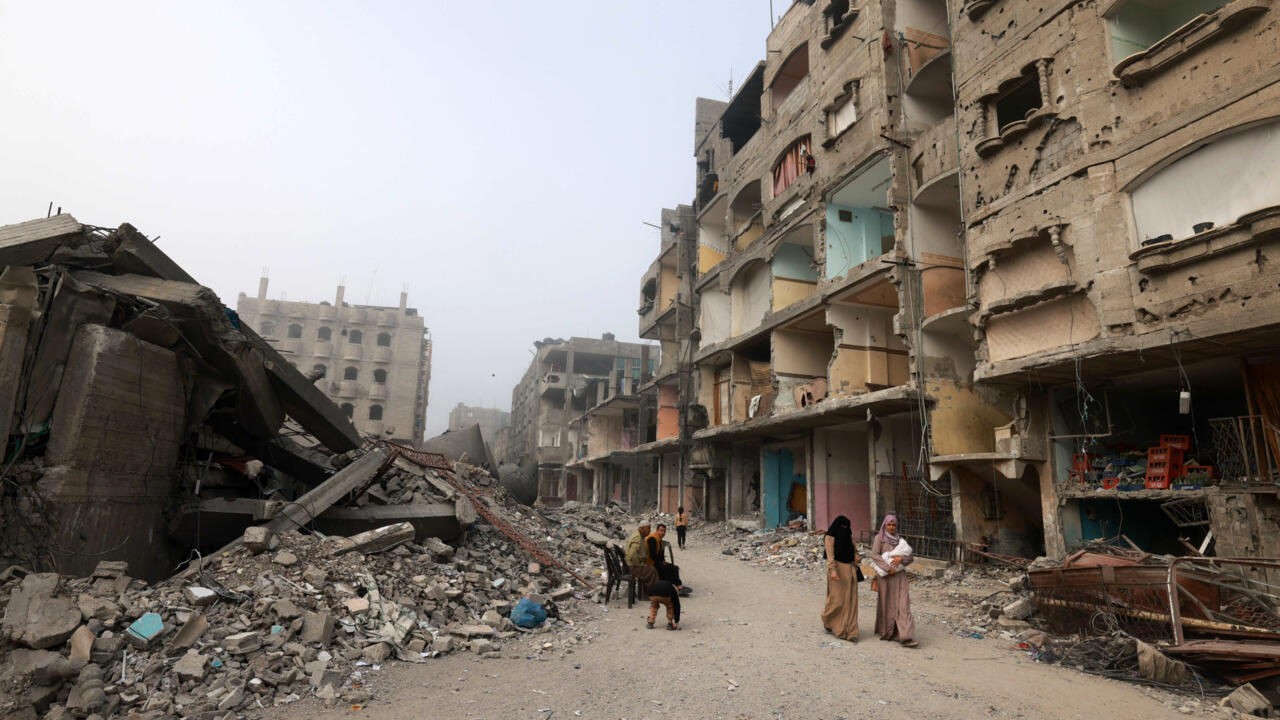
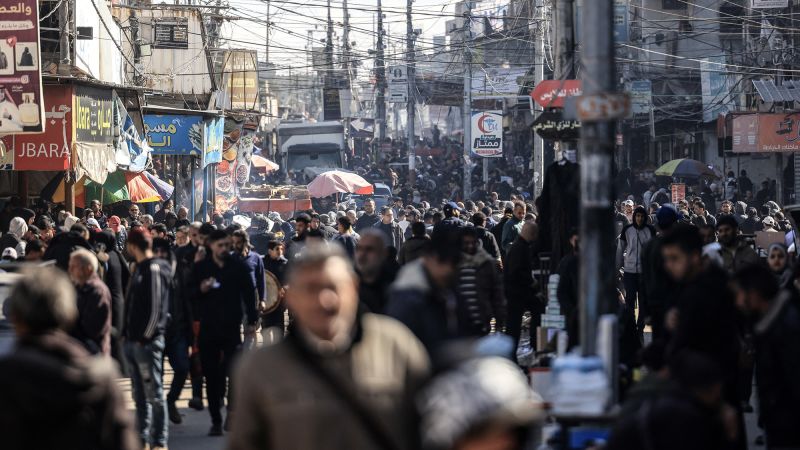
Israel has announced a plan to evacuate a significant number of the 1.4 million Palestinian civilians in Rafah ahead of a potential ground offensive, but the details of the plan remain vague and raise concerns about the safety and well-being of the evacuees. The international community, including the Biden administration, has not been briefed on the plan, and there are questions about who will provide security for the Palestinians during the evacuation. The humanitarian crisis in Gaza has been worsening, with aid distribution restricted and a growing civilian death toll, prompting calls for a clear and implementable plan to safeguard civilians from an Israeli attack on Rafah.
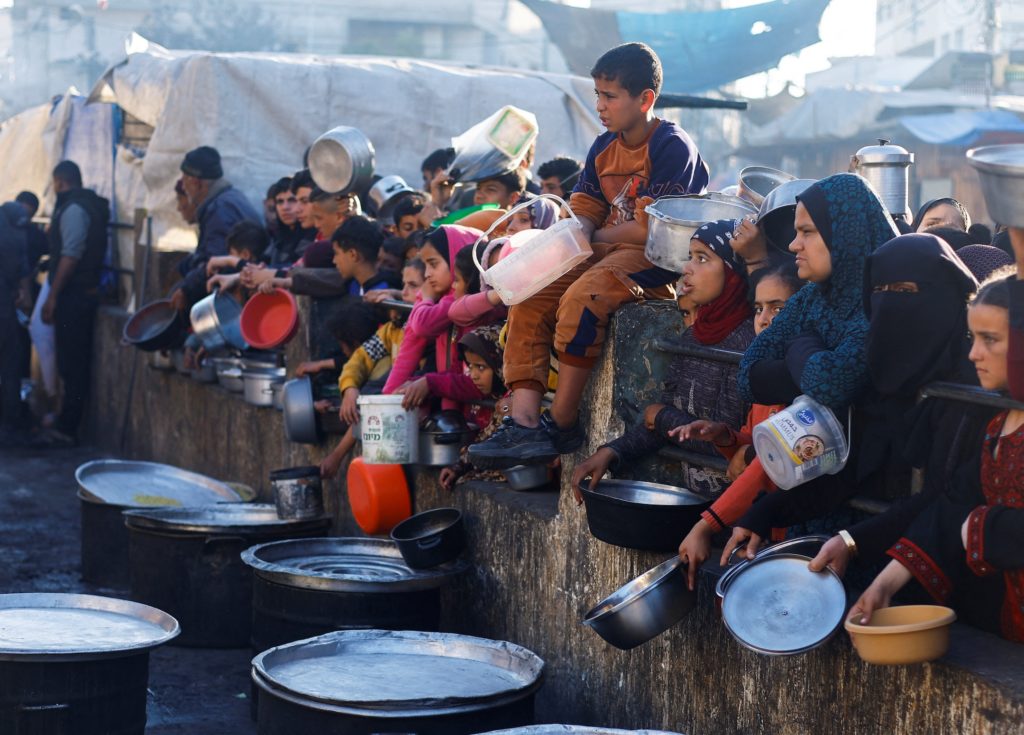
Israel's top military spokesman, Admiral Daniel Hagari, suggested a plan to evacuate a significant number of the 1.4 million Gazans who have fled to Rafah in southern Gaza, but U.S. officials are skeptical about the existence of such a plan. Meanwhile, the U.S. is attempting to negotiate a hostage deal, and Gaza is facing a severe humanitarian crisis, with the U.N. reporting that all 2.2 million Gazans are in a food crisis and one-quarter of Gaza is one step away from famine. As Ramadan begins, many Gazans are struggling to find enough food, and a soup kitchen in Northern Gaza is providing essential meals to thousands of people.
A legal case involving a woman who was banned from Facebook could have significant implications for social media, while an evacuation plan for parts of Gaza is being developed amid escalating tensions in the region.
The Israeli military has presented a plan to evacuate the population of Gaza from areas of fighting, particularly focusing on the southern city of Rafah, amid warnings of an upcoming offensive. Prime Minister Benjamin Netanyahu's office directed the Israel Defense Forces (IDF) to draw up the plan, which includes providing humanitarian assistance to Gaza and preventing looting. The US has warned against a campaign on Rafah without a credible evacuation plan, while negotiations for a potential ceasefire and hostage release are ongoing.
Israel is considering an "evacuation plan" for civilians in unspecified parts of the Gaza Strip as it prepares for a potential offensive on the southern city of Rafah. The plan was presented to the war cabinet by the military, and discussions also included a potential truce agreement with Hamas. Israeli Prime Minister Benjamin Netanyahu stated that a ground invasion of Rafah is inevitable for "total victory" over Hamas, despite international criticism. The situation remains tense as Israel's ground invasion in southern Gaza continues, and there are concerns about the humanitarian impact and potential displacement of civilians.
Israel's military has proposed a plan to evacuate civilians from areas of fighting in the Gaza Strip as part of its offensive against the Hamas militant group, with plans to expand the offensive to Rafah on the Gaza-Egypt border. Clashes between Israeli troops and Palestinian gunmen continue, while mediators work on a possible ceasefire to free hostages held by Hamas. The draft ceasefire deal includes the release of hostages in return for Palestinian prisoners, and the UN agency for Palestinian refugees has warned of famine in Gaza if vital aid is not allowed in. Jordan's King Abdullah II has also warned of a wider regional war if Israel continues its military campaign during the Muslim holy month of Ramadan in March.
Israeli Prime Minister Netanyahu has directed the military to plan for the evacuation of over one million people from Rafah in anticipation of a ground assault on the southern Gaza city, which is home to a large population of displaced Palestinians. The US has expressed concerns about the potential operation, with President Biden criticizing Israel's military conduct and emphasizing the need for humanitarian aid in Gaza. The Norwegian Refugee Council has warned of the potential for bloodshed and destruction in Rafah.
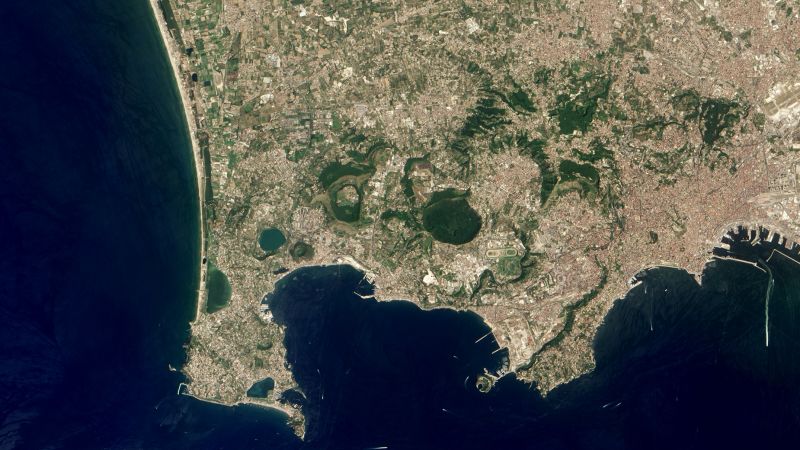
Campi Flegrei, an active supervolcano in Italy, is showing signs of reawakening with intensifying seismic activity and ground uplift. The densely populated region, home to 800,000 people, is at high risk in the event of an eruption. Experts believe the current increase in seismic activity could be caused by magma intrusion or degassing of gases. Italy's civil protection agency has updated its evacuation plan, but concerns remain about the ability to accommodate intense traffic. Scientists emphasize the need for better preparedness and avoiding population increase in the area. The last major eruption occurred in 1538, creating a new mountain in the bay, and the potential outcomes of the current crisis range from a return to rest to an eruption similar to that of 1538.
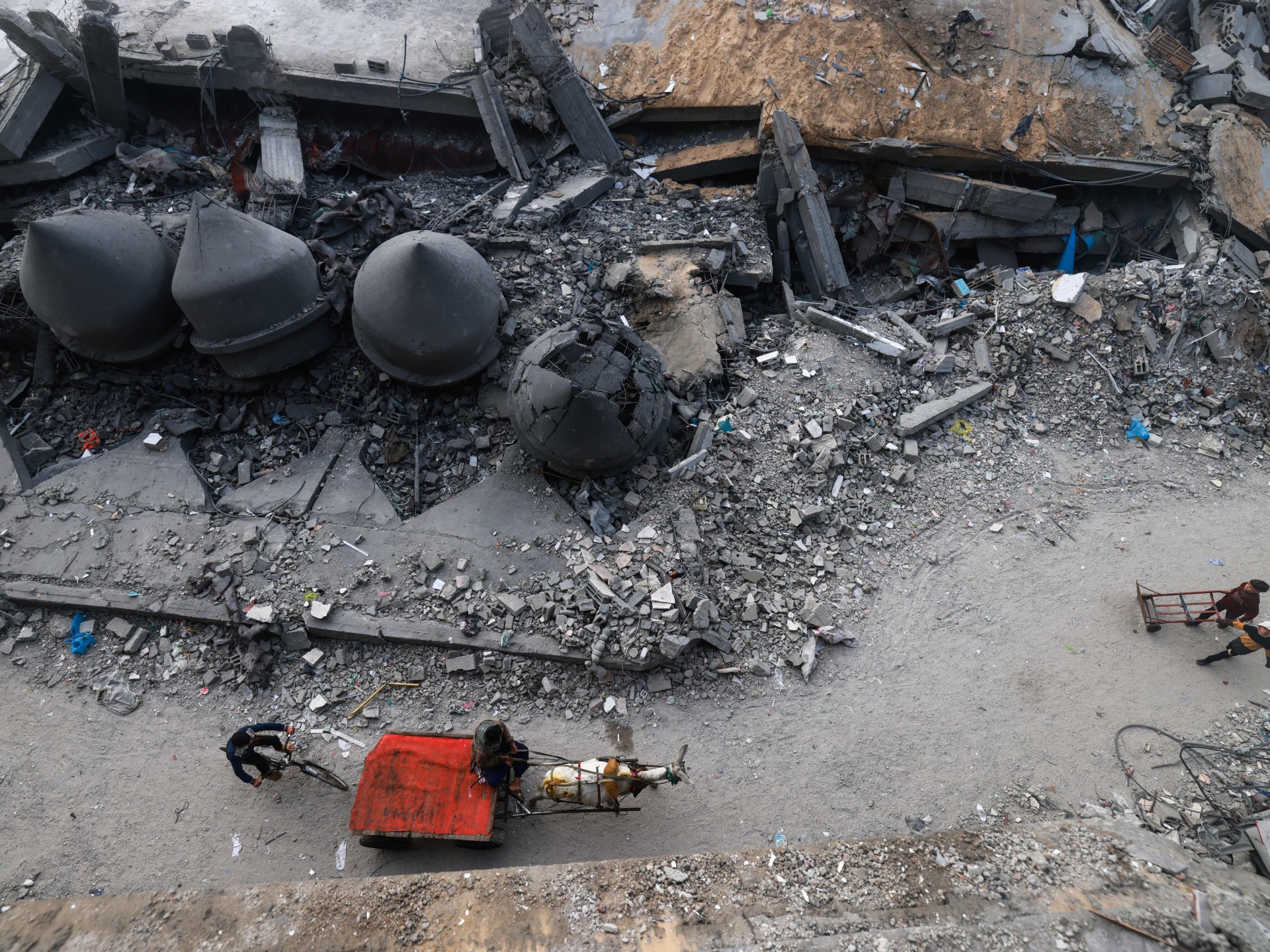
A family from Medway, Massachusetts, remains trapped in Gaza as the Israel-Hamas war escalates, despite assurances of an evacuation plan. Abood Okal, Wafaa Abuzayda, and their 1-year-old son, Yousef, are desperate for a way out as they try to stay alive amidst the conflict. They are running low on drinking water and rely on local vendors or filtration stations. The family has received no official updates from the U.S. State Department regarding their departure. They remain hopeful but are struggling psychologically. Israel has expanded its ground operation in Gaza, causing widespread destruction and a rising death toll. Civilians in Gaza are facing dire conditions, with food, water, and electricity supplies running out.
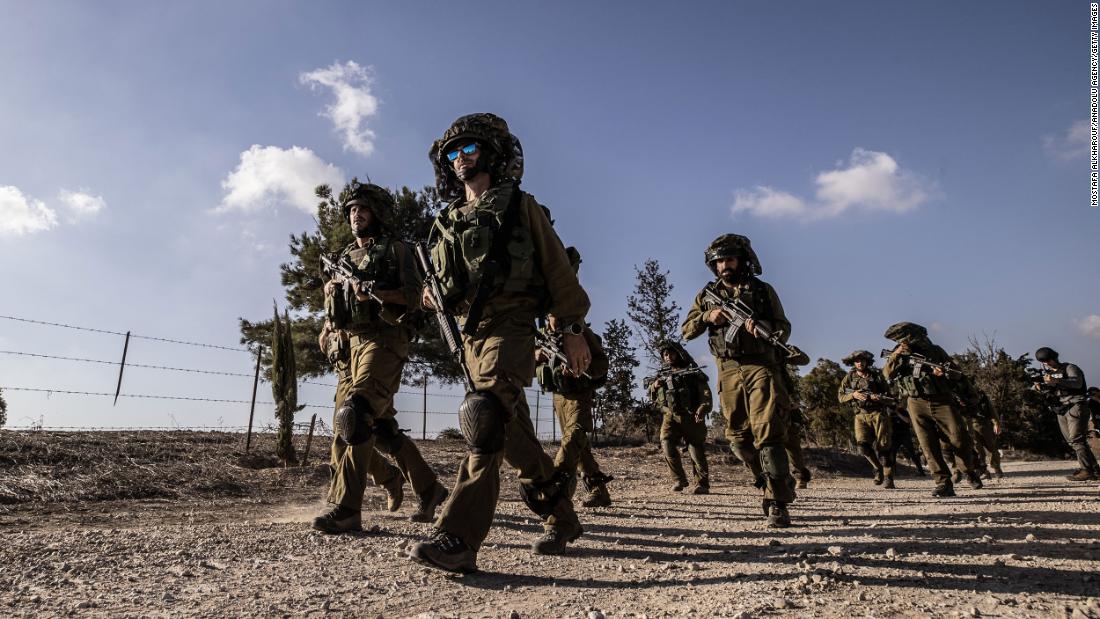
Israel continues its airstrikes on Syria and the West Bank, targeting airports and a mosque, while Hamas and Islamic Jihad plot attacks. The United Nations World Food Programme warns of a shortage of basic supplies in Gaza, pushing civilians to the "edge of catastrophe." The US deploys additional missile defenses to the Middle East and orders more troops to prepare for deployment in response to escalating tensions in the region. Israel announces the expansion of an evacuation plan for communities near the Lebanese border.
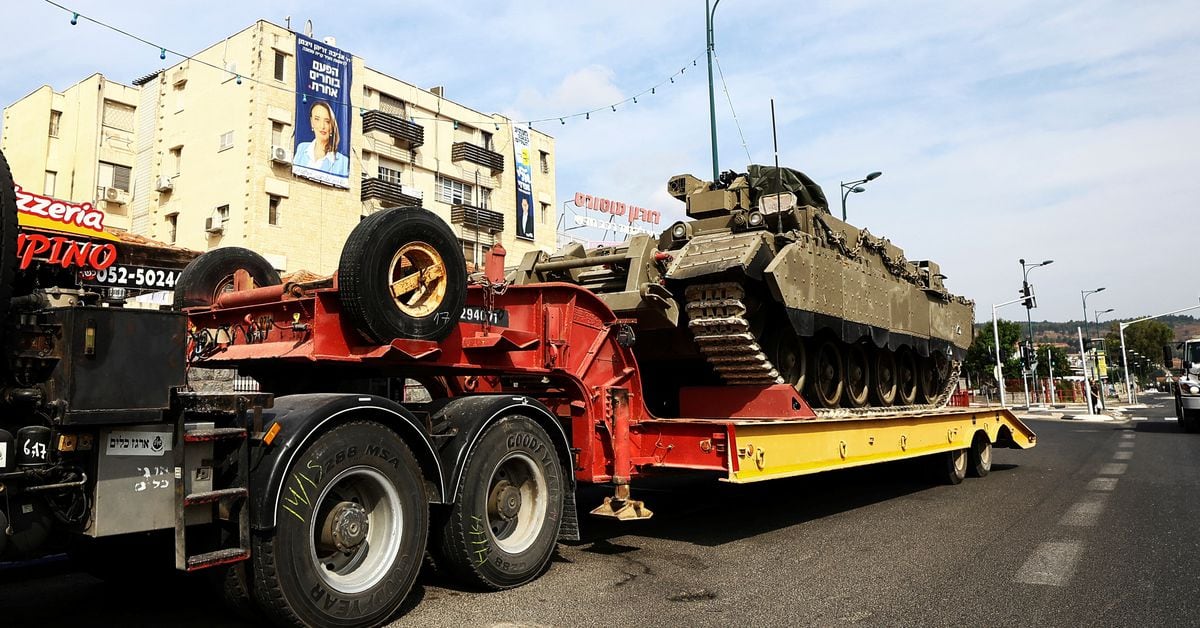
Israel's defence ministry has announced an evacuation plan for Kiryat Shmona, a town near the Lebanese border, due to security concerns. The town, with a population of over 20,000, is located just 2 km from the border fence.
The Campi Flegrei supervolcano near Naples, Italy, is in an "extremely dangerous" state and at a greater risk of eruption than ever, according to a new study. The volcano last erupted in 1538, but since then, tens of thousands of minor earthquakes have weakened the hollow at the summit of the volcano known as the caldera. Local authorities have an established evacuation plan, and risk levels are reviewed monthly. The area of Naples in Italy may be more famous for the volcano Vesuvius, but the Campi Flegrei volcano is a more immediate concern, with 500,000 people living in its red zone - the area of highest risk.
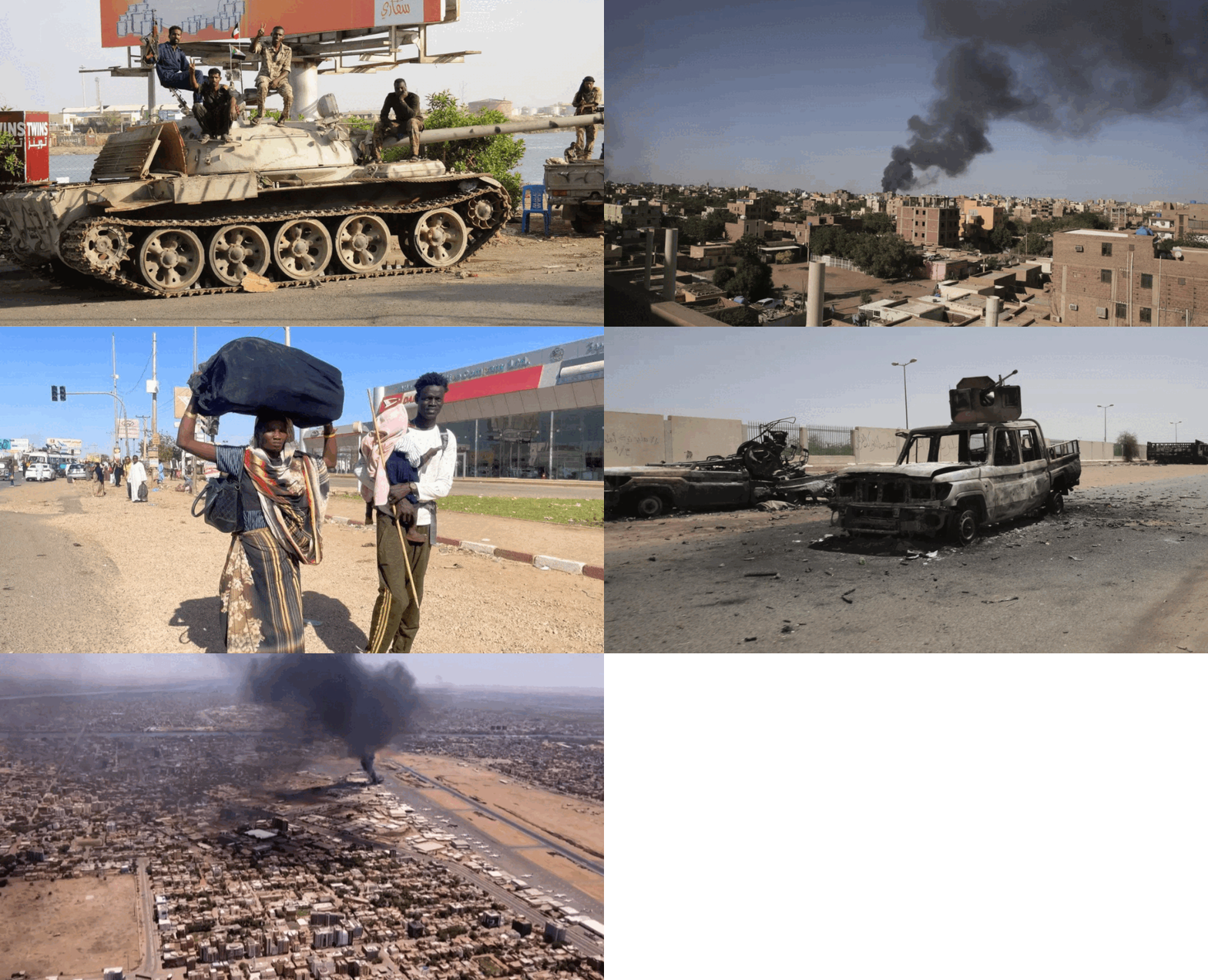
India is preparing a contingency evacuation plan for its citizens stranded in Sudan amid the military and political crisis that has left over 400 people dead and nearly 4,000 injured. The conflict between Sudan's army and a paramilitary force has put the nation at risk of collapse and could have consequences far beyond its borders. The longer the fighting drags on, the more likely it is that major external intervention will occur. India is in continuous touch with its citizens stuck in Sudan and is focusing on ensuring their safety and well-being.