
Space AI: From Narrow Fixes to Autonomous Decisions
AI in space is already operational, handling data analysis, autonomous navigation, and human-robot collaboration, but faces challenges like data scarcity and reliability.

All articles tagged with #mars rover
AI in space is already operational, handling data analysis, autonomous navigation, and human-robot collaboration, but faces challenges like data scarcity and reliability.

Current space AI applications are narrow solutions to physical constraints like signal delay and limited bandwidth, rather than general intelligence. NASA's Curiosity rover uses AEGIS software to select laser targets with 93% accuracy, bypassing the 24-minute communication lag with Earth. Similarly, ESA's OPS-Sat satellite uses a simple image classifier to discard unusable photos, a system built by one engineer in two weeks. While these tools address immediate bottlenecks, they do not represent the broader autonomous decision-making often implied by the term AI.
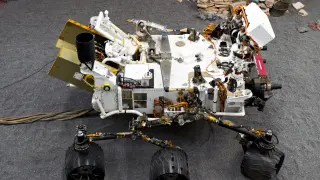
NASA is considering sending its Mars rover backup, PROMISE, to the Moon’s south pole to test its scouting and resource-prospecting capabilities for a future lunar base, a move that would repurpose the rover but potentially limit Mars-rover testing and reflect a shifting emphasis from Mars to the Moon.
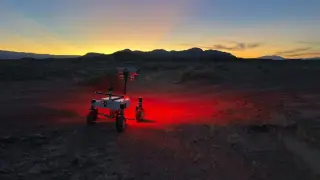
NASA's ERNEST rover prototype, built by JPL, completed a 16-mile desert trek in Southern California, mostly autonomously, thanks to new wheels, an active suspension and AI-driven obstacle navigation. The seven-day test aims to inform future lunar and Martian rovers with greater range, speed and terrain flexibility than traditional six-wheel rocker-bogie designs.
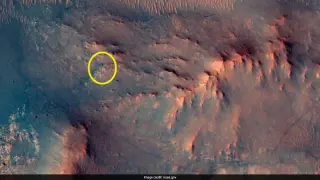
NASA's Perseverance rover completed a Martian marathon by driving 42.195 km in about five years and four months, a milestone visible in a HiRISE image from Mars orbit that shows the rover as a blue‑green dot with its looping wheel tracks near Jezero Crater.
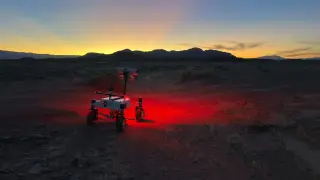
NASA's JPL is field-testing ERNEST, an Exploration Rover for Navigating Extreme Sloped Terrain, to refine mobility and autonomous navigation for future long-range lunar and Mars missions. In March 2026 in the Colorado Desert, the four-wheeled prototype drove about 16 miles (37 hours) with minimal intervention, using active suspension (with a passive mode) and a gimbaled front to handle rugged terrain. The rover is being trained with reinforcement learning in a high-fidelity simulator before autonomous, longer-range lunar testing, aiming to reach speeds far beyond current rovers like Perseverance and Curiosity.
NASA’s Perseverance stitched 61 images into a self-portrait at Lac de Charmes on the western Jezero Crater rim, focusing on the Arethusa outcrop to study ancient Martian rocks; taken March 11, 2026 (Sol 1797) with the WATSON camera, it’s the rover’s sixth selfie and part of its Northern Rim Campaign. A separate 46-image Mastcam-Z panorama of Arbot (April 5, Sol 1882) highlights diverse rock textures and megabreccia, informing Mars’ early crust and potential volcanic history. After more than five years, the rover has driven about 26 miles and collected many rock cores, underscoring a marathon-like mission pace.
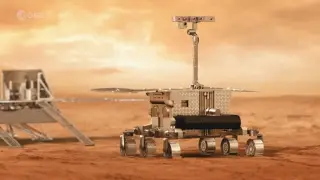
SpaceX has secured its first Mars mission by launching Europe’s Rosalind Franklin rover to Mars in late 2028 aboard a Falcon Heavy rocket from Kennedy Space Center. The rover is part of ESA’s ExoMars program, which faced delays after NASA’s initial involvement waned and Russia’s invasion of Ukraine disrupted partnerships; NASA later rejoined in 2024 to provide propulsion components and a mass spectrometer for life-detection, solidifying a path to the planned 2028 liftoff within Mars launch windows that occur roughly every 26 months.
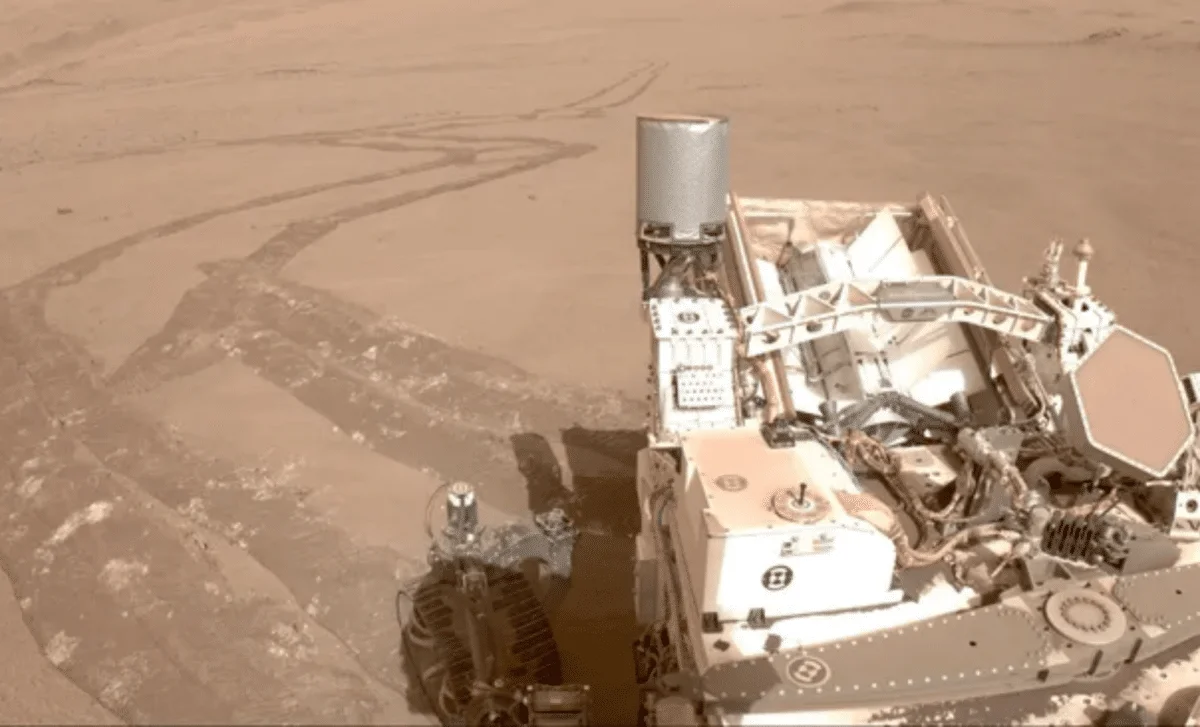
NASA's Perseverance has logged about 42.3 kilometers on Mars (a marathon distance) and is reinforced for extended operation with autonomous driving and hardware rated for roughly 60 more kilometers, putting it on track to possibly surpass Opportunity’s distance record while continuing science in Jezero Crater’s ancient river delta.
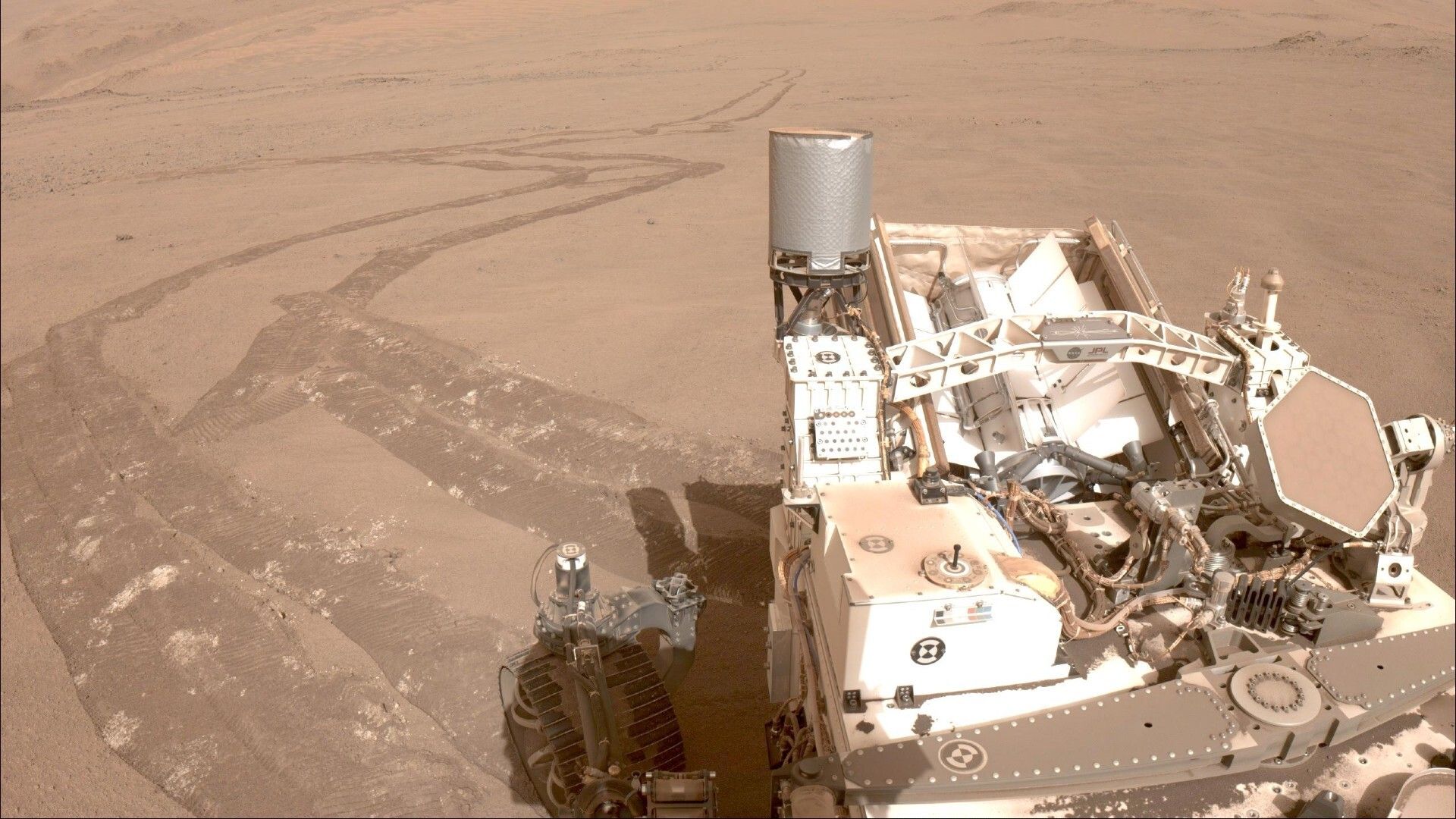
NASA's Perseverance rover may soon set a record for the longest distance driven on Mars, potentially reaching 62 miles (100 km) by the end of its mission, thanks to its durable design and ongoing exploration of Jezero Crater for signs of ancient microbial life. The rover has already traveled about 25 miles and continues to operate well beyond its initial expectations, with plans to extend its mission into 2028.
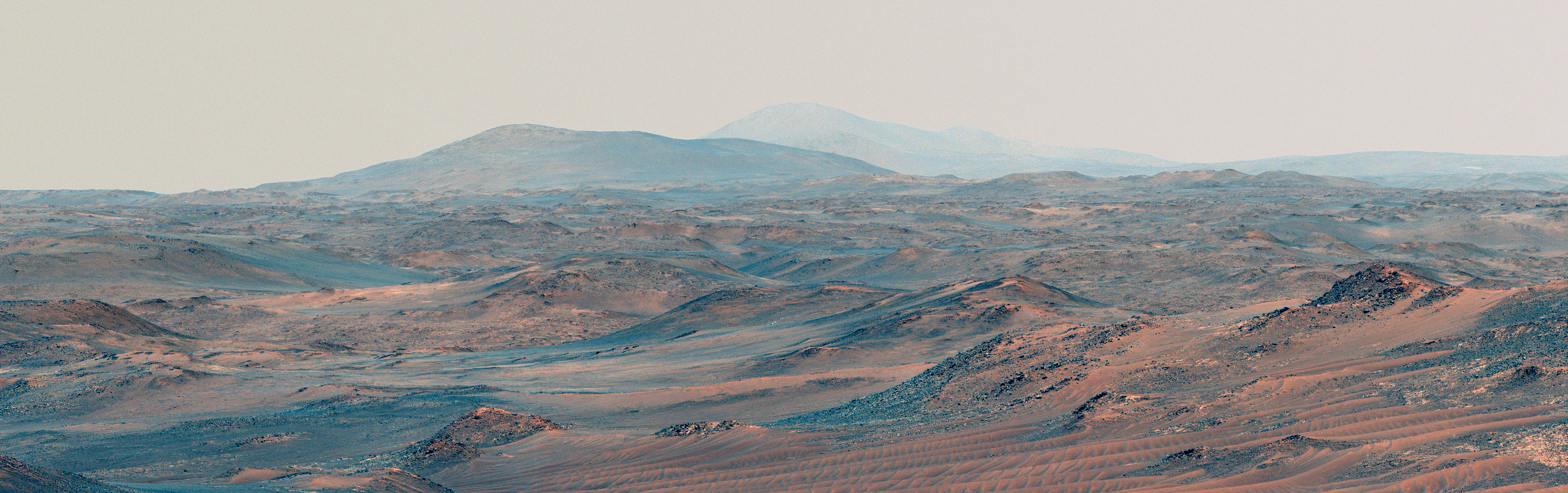
NASA's Perseverance rover has traveled nearly 25 miles on Mars over five years, with its systems certified to operate until at least 2031. It is exploring the Jezero Crater, collecting rock samples that may contain signs of past microbial life, and utilizing advanced autonomous navigation to enhance its exploration capabilities. Recent findings include insights into Mars' geological history, particularly the interactions of water, rocks, and atmosphere in the crater.
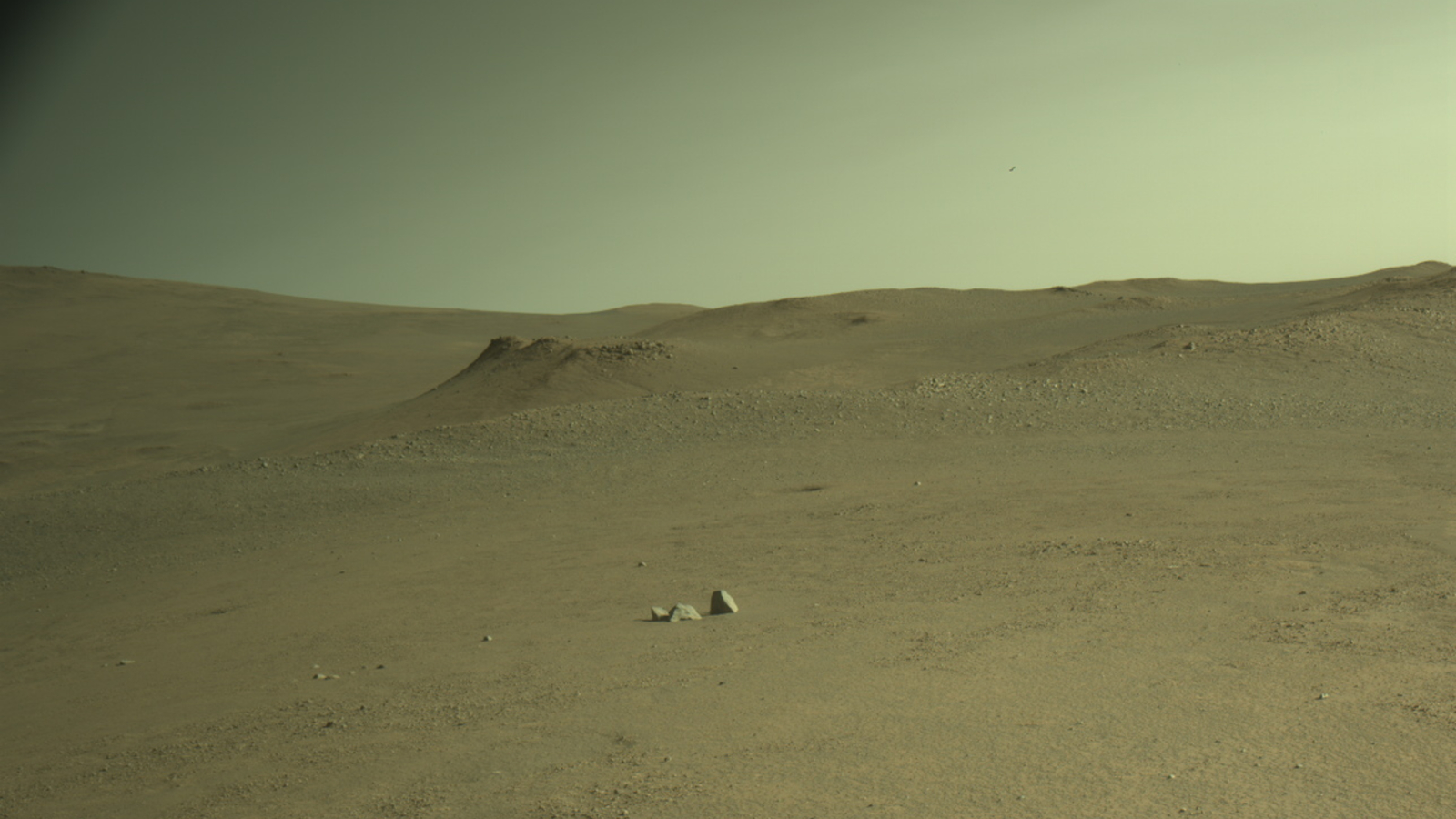
NASA's Perseverance rover captured an image from Soroya Ridge on Mars, continuing its mission to explore the planet's surface, search for signs of ancient microbial life, and collect samples for future analysis, as part of its ongoing exploration beyond Jezero Crater.
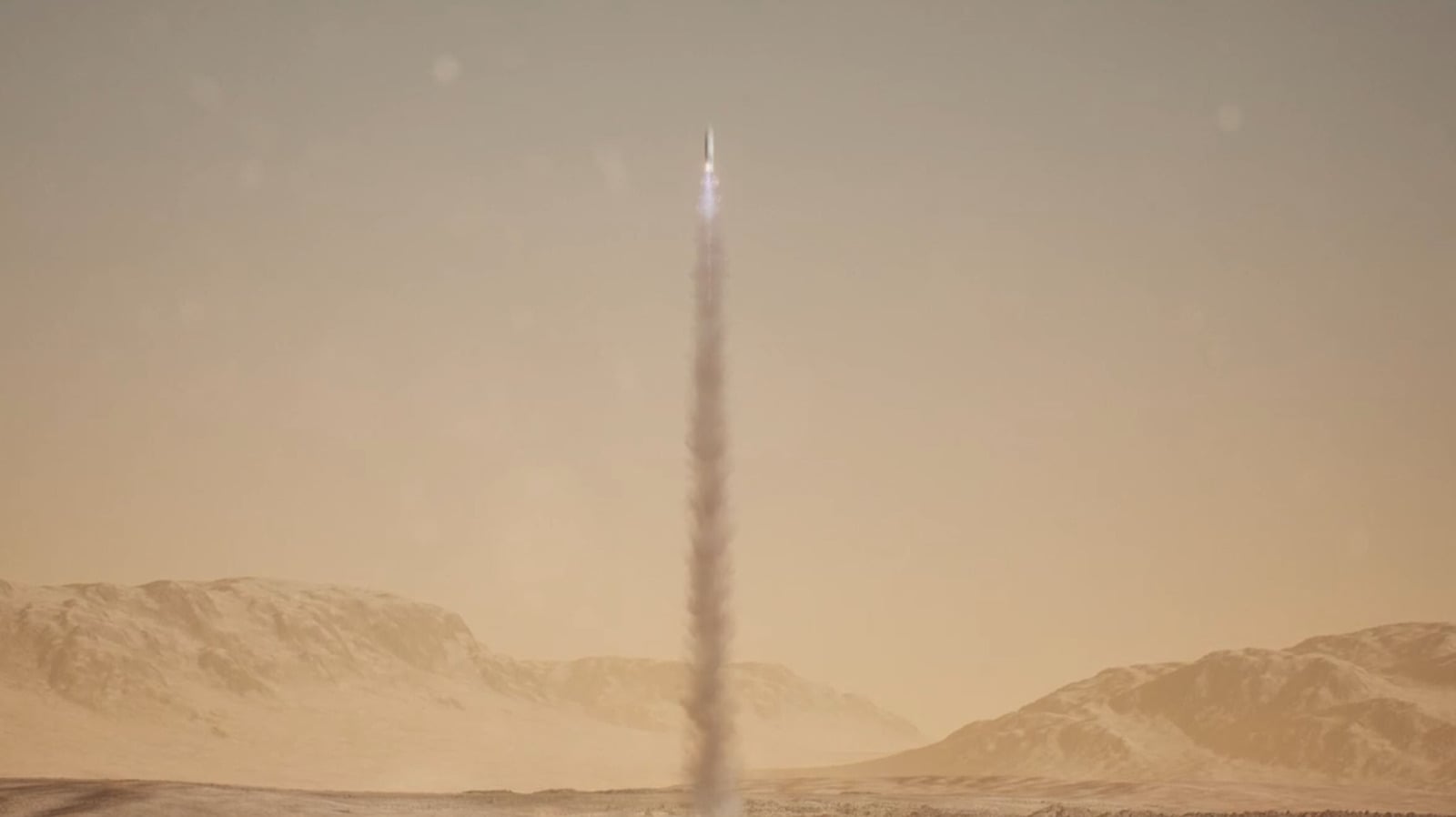
Lockheed Martin has proposed a cost-effective plan to retrieve Mars samples collected by NASA's Perseverance rover, offering to do so for less than $3 billion by downsizing the mission components. This proposal aims to address NASA's budget concerns and could potentially take over the Mars Sample Return mission if NASA opts for a cheaper alternative amid budget cuts and international competition.
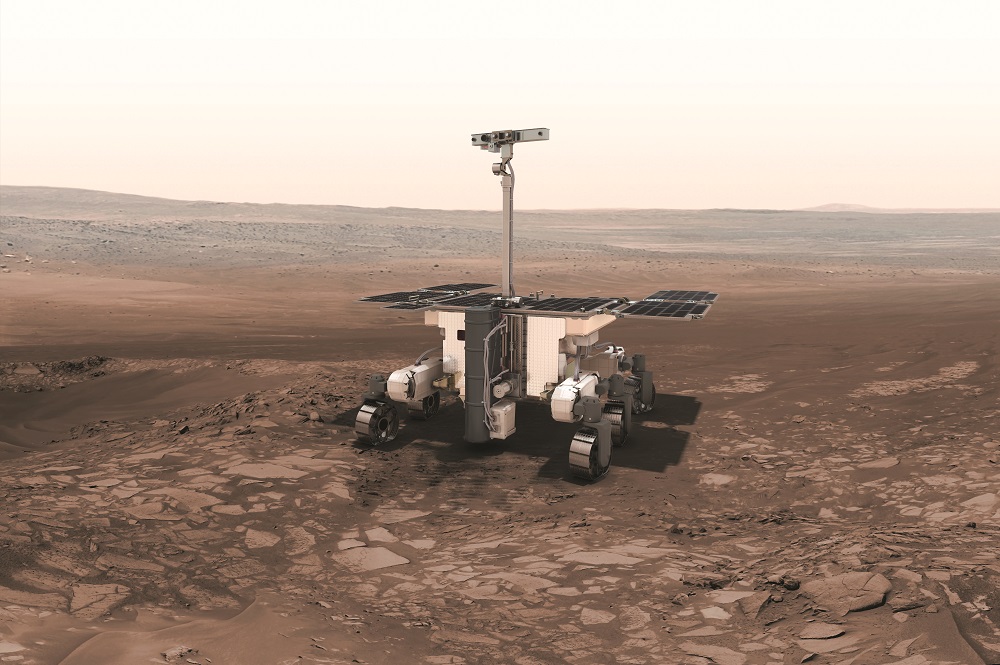
The European Space Agency has awarded a 522 million euro contract to Thales Alenia Space to resume work on the ExoMars Rosalind Franklin mission, which aims to search for evidence of past or present life on Mars. The new contract will replace Russian contributions and involve the development of a new landing platform, with NASA providing aerobraking engines and radioisotope heating units. The mission is now scheduled for launch in the fourth quarter of 2028, marking a major stabilization of the program after being derailed by geopolitical issues.
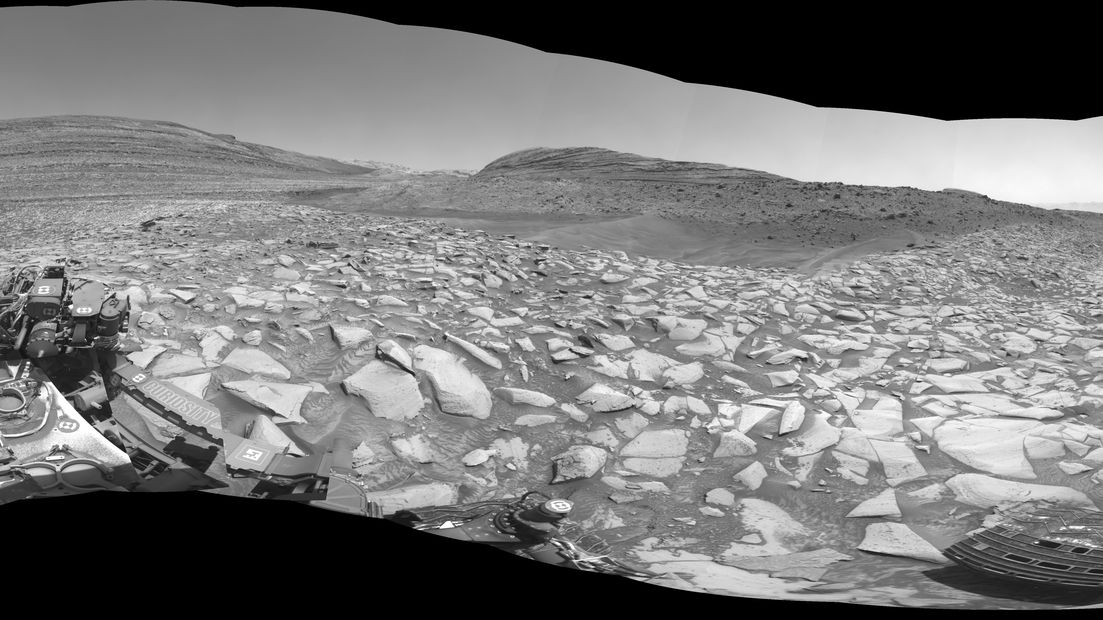
NASA's Curiosity rover is embarking on a new phase of exploration on Mars, venturing into what scientists believe is the dried-up bed of an ancient river called Gediz Vallis. The rover will investigate the area to gain insight into the Martian environment and the possibility of past or present life on the Red Planet. Scientists are intrigued by the possibility that the channel was formed by flowing liquid water, indicating a resurgence of water on Mars after a long dry period. Curiosity will spend months exploring the channel, providing valuable information about the Martian landscape and its history.