Tag

Facial Reconstruction

All articles tagged with #facial reconstruction

Ancient Face, Connected Africa: Little Foot’s Reconstruction Rewrites Hominin History
science27 days ago

Ancient Face, Connected Africa: Little Foot’s Reconstruction Rewrites Hominin History

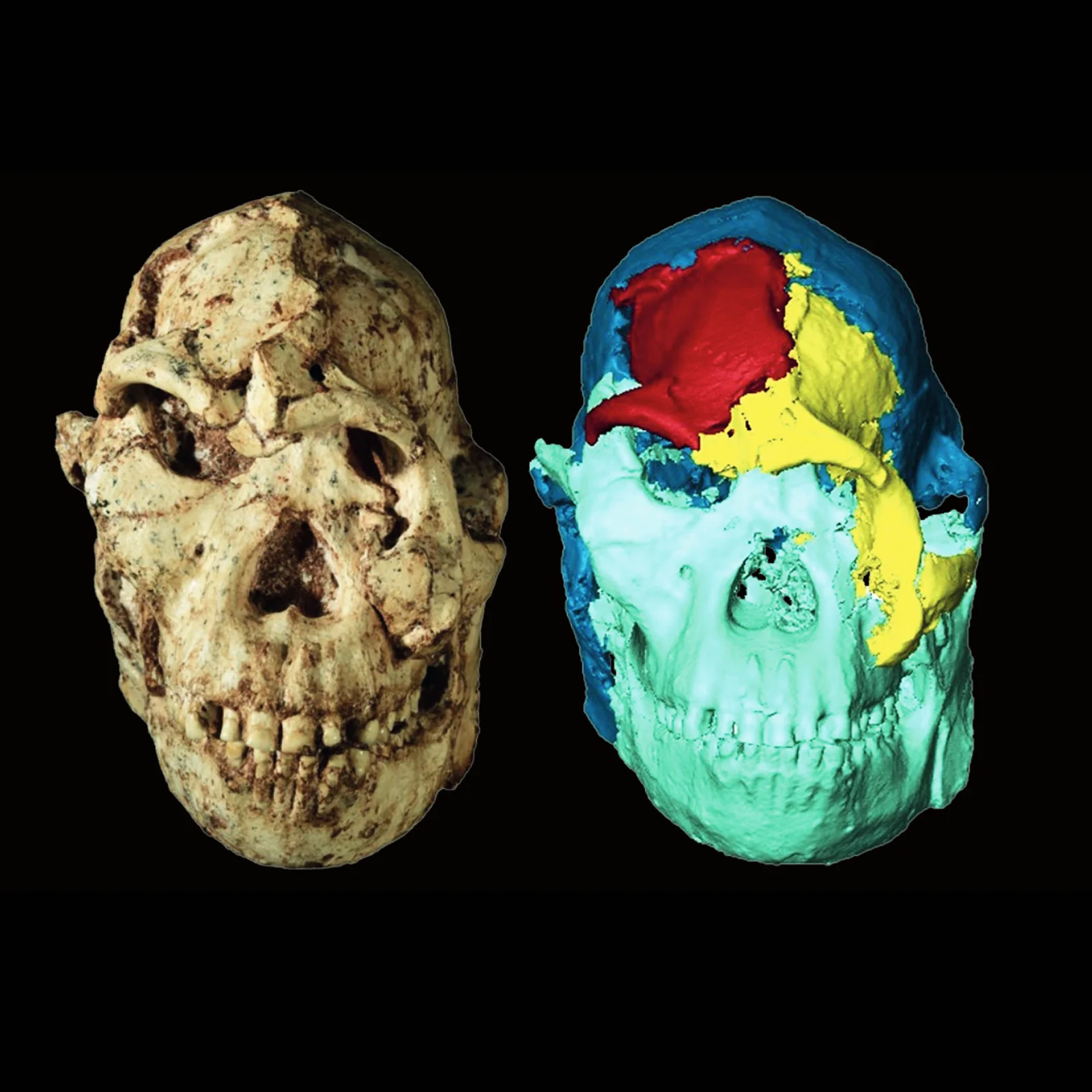
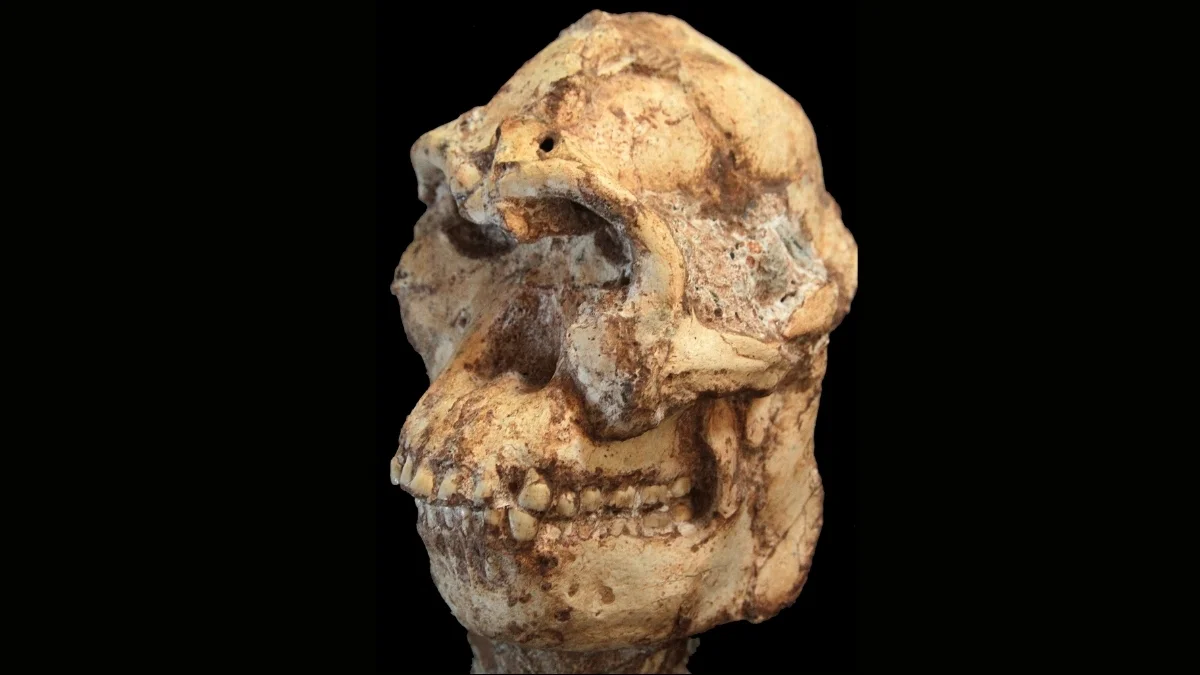
Scientists digitally rebuilt the distorted face of Little Foot, a 3.67‑million‑year‑old Australopithecus from South Africa, using high‑resolution scans. The resulting features show Little Foot’s face resembles East African fossils more than a younger South African counterpart, suggesting Africa was a connected evolutionary landscape and facial evolution 4–3 million years ago may have been more complex than regional models imply. The study highlights orbital (eye region) evolution and notes the face is only part of the story, with other skull parts still deformed and awaiting digital reconstruction.

3D facial reconstruction uncovers Little Foot’s face, reshaping view of early human evolution
science1 month ago

3D facial reconstruction uncovers Little Foot’s face, reshaping view of early human evolution

Scientists digitally reconstructed the crushed skull of Little Foot (about 3.67 million years old) from the Sterkfontein Caves in South Africa using high‑resolution CT scans and 3D modeling, revealing the upper face and eye sockets for the first time. The nearly 90% complete skeleton’s face size lies between a gorilla and an orangutan, with affinities to East African Australopithecus; the work underscores Africa as a connected evolutionary landscape and aims to refine brain size estimates by further correcting deformation in the skull.

Face of Little Foot: digital reconstruction unveils an ancient ancestor’s features
science1 month ago

Face of Little Foot: digital reconstruction unveils an ancient ancestor’s features

Researchers digitally reconstructed the nearly complete face of Little Foot, a 3.67-million-year-old Australopithecus from the Sterkfontein Caves, using high‑resolution CT scans and 3D modeling to reveal the eye region and facial proportions. The reconstruction places the face size between a gorilla and an orangutan and shows affinities with East African Australopithecus, suggesting Africa was a connected evolutionary landscape. The team plans further digitization to refine braincase features and explore cognitive implications, while debates about Little Foot’s precise species designation continue.

Face Reconstructed for 3.7-Million-Year-Old Hominin Little Foot
science1 month ago

Face Reconstructed for 3.7-Million-Year-Old Hominin Little Foot

Researchers digitally reconstructed the crushed skull of Little Foot, a 3.67-million-year-old Australopithecus specimen, using high-resolution CT scans and a five-block 3D reassembly to estimate its original facial structure; the result suggests eastern African affinities and distinctive orbital features, but the exact species classification remains uncertain and the reconstruction is considered preliminary.

Digital Portrait Reveals Kennewick Man’s Face, 8,500 Years On
science2 months ago

Digital Portrait Reveals Kennewick Man’s Face, 8,500 Years On

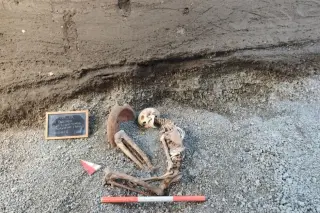
Researchers digitally reconstructed the face of Kennewick Man, one of North America’s oldest skeletons, using skull data and tissue-thickness references to create a neutral facial model and a speculative skin version. The reconstruction highlights prior injuries and trauma, and supports a Paleoindian link to modern Native Americans, offering new insights into early migration and life in ancient America.

3,400-Year-Old Face of King Tut's Grandmother Reconstructed
history1 year ago

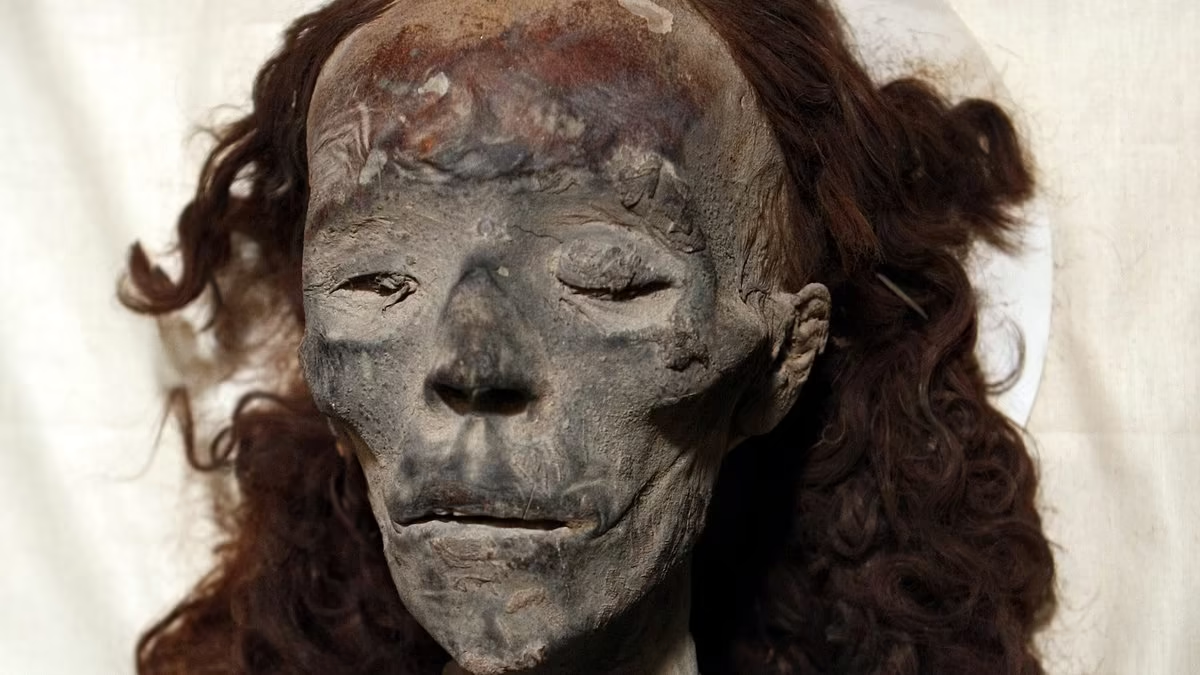
3,400-Year-Old Face of King Tut's Grandmother Reconstructed

A digital artist has reconstructed the face of Queen Tiye, the grandmother of King Tut, using her 3,400-year-old mummified remains. The artist employed Photoshop to add features like eyes, nose, and hair to her preserved bone structure, revealing a lifelike image of the ancient queen. Queen Tiye, the Great Royal Wife of Pharaoh Amenhotep III, was a significant figure in Egyptian royalty and the mother of Akhenaten, King Tut's father. Her mummy, discovered in 1898, was confirmed to be hers through DNA analysis in 2010.

historyarchaeology2 years ago

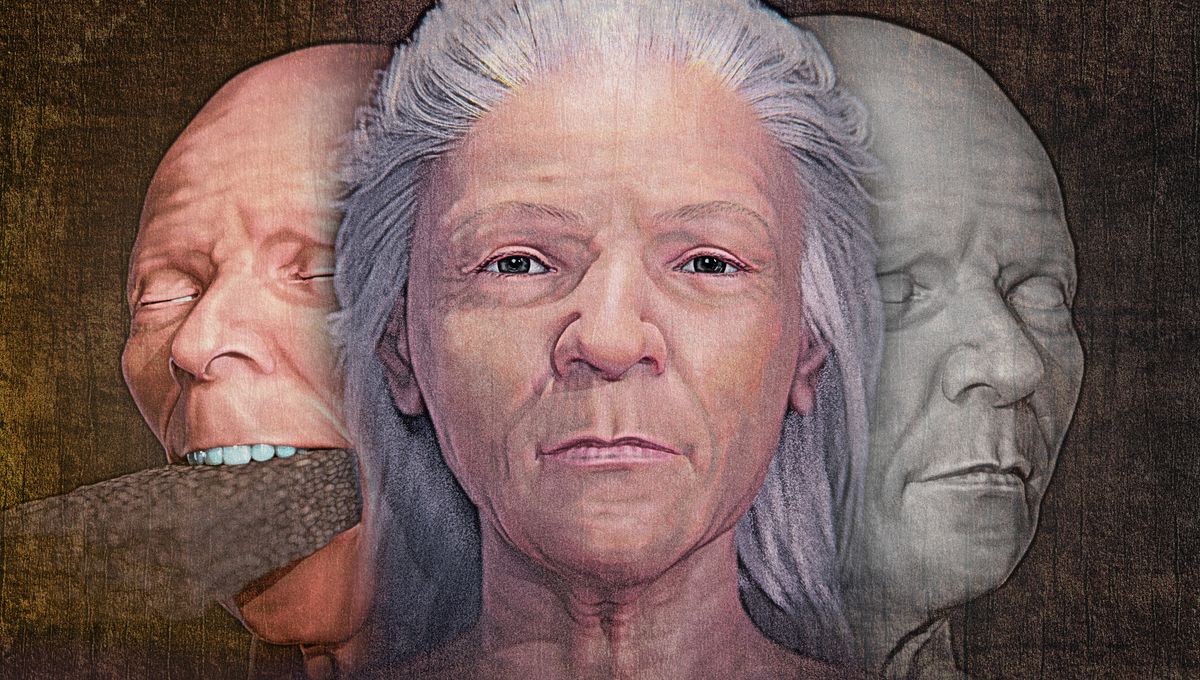
"Facial Reconstruction Reveals 16th-Century Italian 'Vampire' Buried with Brick in Mouth"

Researchers have reconstructed the face of a 16th-century Italian woman, buried in a mass grave for plague victims, who was believed to be a vampire due to a brick found in her mouth. The facial reconstruction, based on scans of the remains and historical data, revealed that the woman was around 60 years old and of lower class. The practice of placing a brick in the mouth of a suspected vampire was connected to the paranoia during the bubonic plague outbreak, and this is the first time archaeology has successfully reconstructed the ritual of exorcism of a vampire.

"Revealing the Face of a 16th-Century Vampire Woman with a Brick in Her Mouth"
archaeologyhistory2 years ago

"Revealing the Face of a 16th-Century Vampire Woman with a Brick in Her Mouth"

A 16th-century "vampire" buried with a stone brick in her mouth has been reconstructed by a facial reconstruction expert. The woman's corpse, found in a mass grave for plague victims in Venice, may have been suspected of spreading the disease through her bloodthirst. The brick was likely placed in her mouth by gravediggers who noticed she had "eaten" her face shroud, possibly to prevent her from biting others. Further analysis of the bones suggested she was in her 60s and mainly ate vegetables and grains, indicative of a low social class. The facial reconstruction, based on images of the skeleton available online, has sparked debate about its accuracy.

"Reconstruction Reveals the Face of Homo longi"
science2 years ago

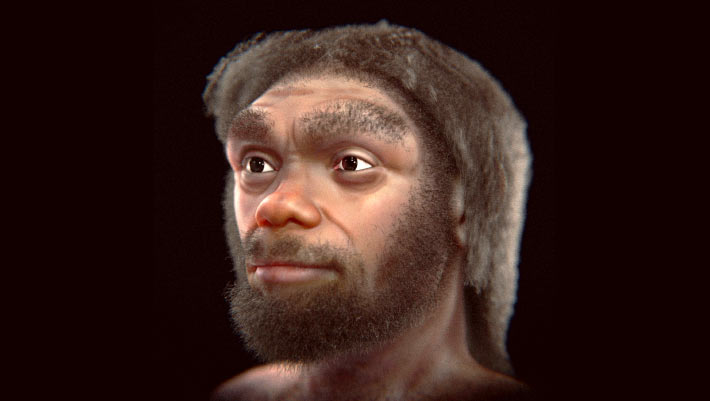
"Reconstruction Reveals the Face of Homo longi"

A Brazilian anthropologist has reconstructed the face of the archaic human species Homo longi, also known as Dragon man, using a well-preserved skull discovered in northeastern China in the 1930s. The species, identified from a nearly complete skull dated to 148,000 years ago, is an extinct species of the genus Homo that lived in Asia during the Middle Pleistocene. The facial approximation was made using computed tomography scans and forensic facial reconstruction techniques, providing valuable insights into the appearance of this ancient human species.

"Neanderthal's 'Softer Side' Unveiled: Handsome Face from 56,000 Years Ago Sheds New Light"
archaeologyanthropology2 years ago

"Neanderthal's 'Softer Side' Unveiled: Handsome Face from 56,000 Years Ago Sheds New Light"

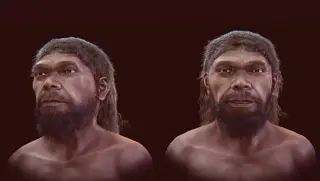
Researchers have reconstructed the face of a Neanderthal man who lived 56,000 years ago using skeletal remains found in France. The reconstruction reveals an old man with a long beard and suffering from severe periodontal disease. The study suggests that this could be one of the earliest documented cases of zoonotic infectious disease spillover. The Neanderthal man's face, reconstructed using computed tomography scans, provides insights into the appearance and health conditions of our ancient relatives.

Stunning facial reconstruction reveals the captivating features of a Neanderthal man
anthropologyarchaeology2 years ago

Stunning facial reconstruction reveals the captivating features of a Neanderthal man

Forensic artists have created a digital facial approximation of the "old man" Neanderthal, whose nearly complete skeleton was discovered in France in 1908. Using CT scan data and measurements from a human skull, the artists reconstructed the face shape, skin, and muscles of the Neanderthal. The new reconstruction offers a more accurate and humanized depiction of the ancient man, challenging previous exaggerated ape-like portrayals. This advancement in facial reconstruction provides new insight into the anatomy and physiology of Neanderthals, highlighting their similarities and differences to modern humans.

"Stunning Facial Reconstruction Brings Neanderthal 'Old Man' Back to Life"
archaeologyanthropology2 years ago

"Stunning Facial Reconstruction Brings Neanderthal 'Old Man' Back to Life"

Forensic artists have created a digital facial approximation of a Neanderthal known as the "old man" based on CT scan data of his skull. The Neanderthal, who lived between 47,000 and 56,000 years ago, had hallmark traits such as an oversize brow ridge and large eye orbits. The facial approximation provides a more accurate and humanized representation compared to previous exaggerated reconstructions. This new perspective reflects evolving knowledge about Neanderthals, showing their similarities to modern humans in anatomy and behavior.