Tag

Flyby

All articles tagged with #flyby

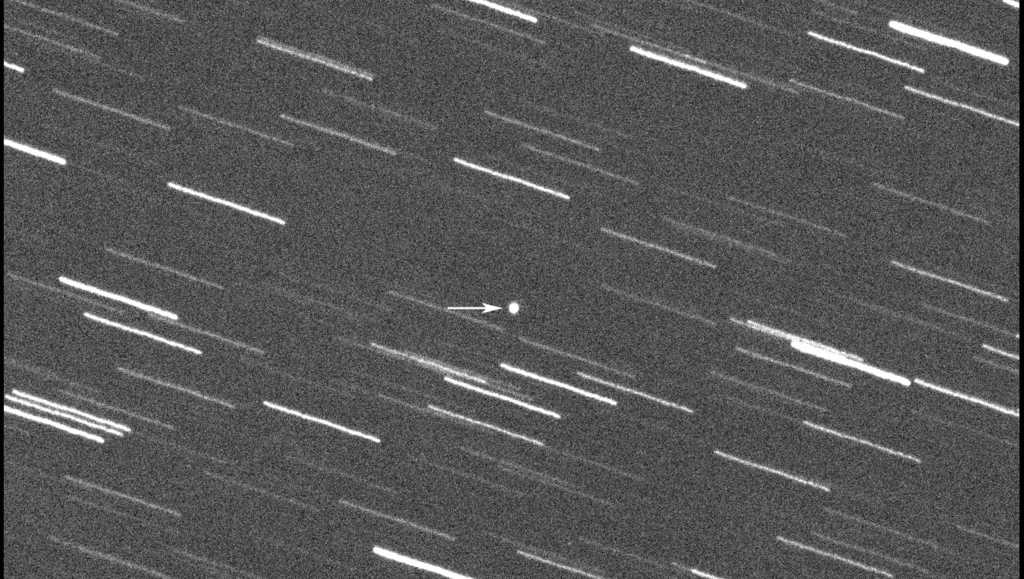
Hayabusa2's 800-meter close shave reveals Torifune as a binary asteroid
space1 month ago

Hayabusa2's 800-meter close shave reveals Torifune as a binary asteroid

Hayabusa2 pushed its aging craft to a record-close 800-meter flyby of the near‑Earth asteroid Torifune, a binary rock, after a heated debate over risk; the mission returned close images and science data from all four instruments, including nine seconds of Thermal Infrared Imaging and a possible first LIDAR ranging during an asteroid flyby, with about 25 MB of data downlinked initially and some 300 MB total expected. The operation demonstrated fast reconnaissance capabilities for planetary defense and paves the way for the spacecraft's 2031 rendezvous with KY26.


New Horizons: A rapid Pluto flyby that yielded a slow, rich science return
science1 month ago

New Horizons: A rapid Pluto flyby that yielded a slow, rich science return

NASA’s New Horizons sped three billion miles to Pluto for a single, high-speed flyby at more than 30,000 mph because it wasn’t designed to brake into orbit; a powerful launch and a gravity assist from Jupiter got it there in under a decade. The mission prioritized data collection during closest approach and briefly went radio-silent to maximize science. Downlink of the roughly 50 billion bits of data took about 15 months due to distance, limited transmitter power, and shared antenna time, but revealed Pluto’s heart-shaped Sputnik Planitia, tall water-ice mountains, a hazy atmosphere, and signs of geological activity, reshaping our view of this distant world.

Brief Pluto Flyby, Enduring Scientific Harvest
space1 month ago

Brief Pluto Flyby, Enduring Scientific Harvest

New Horizons zipped past Pluto in July 2015 for a rapid flyby that captured essential data as it sped by. Because of the great distance and limited power, the full Pluto dataset wasn’t downloaded until over 15 months later, with the final transmission arriving in October 2016, turning the brief encounter into a long-running scientific record that revealed Pluto as a geologically active, complex world.

Apophis 2029: Naked-eye asteroid flyby that will skim Earth
space1 month ago

Apophis 2029: Naked-eye asteroid flyby that will skim Earth

A 375-meter asteroid named Apophis will pass about 31,600 kilometers from Earth on 13 April 2029, closer than geostationary satellites and bright enough to be seen with the naked eye by up to two billion people across Europe, Africa and western Asia. It's a safe flyby with no collision risk for at least a century, and space agencies plan missions OSIRIS-APEX and Ramses to study the encounter and improve understanding of asteroid structure and planetary defence.

Psyche's Mars Flyby Reveals a Striking Crescent View
science3 months ago

Psyche's Mars Flyby Reveals a Striking Crescent View

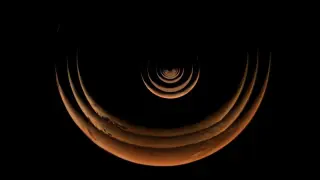
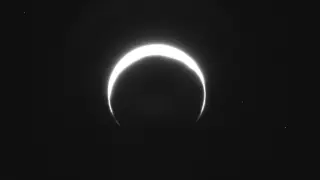
NASA's Psyche spacecraft captured thousands of Mars images during a May 15 flyby, offering a rare crescent view that also helped calibrate its cameras; the encounter brought Psyche within about 2,864 miles (4,609 kilometers) of Mars and gave it a roughly 1,000 mph speed boost while nudging its orbital plane by about 1 degree on the way to the metallic asteroid 16 Psyche, which it is set to reach in 2029 to map and study whether it preserves an early planet's core.

Psyche's Mars moment: a crescent, not a solar eclipse
space3 months ago

Psyche's Mars moment: a crescent, not a solar eclipse

NASA's asteroid-hunting Psyche spacecraft captured a striking crescent image of Mars as it nears a May 15 flyby; the 'crescent' is sunlight reflecting off Mars' day side with atmospheric/dust effects, not an eclipse. The maneuver will also serve as a gravity assist and instrument calibration on Psyche's path to the asteroid 16 Psyche in 2029.

Car-sized asteroid to skim Earth tonight at about half the Moon's distance
space5 months ago

Car-sized asteroid to skim Earth tonight at about half the Moon's distance

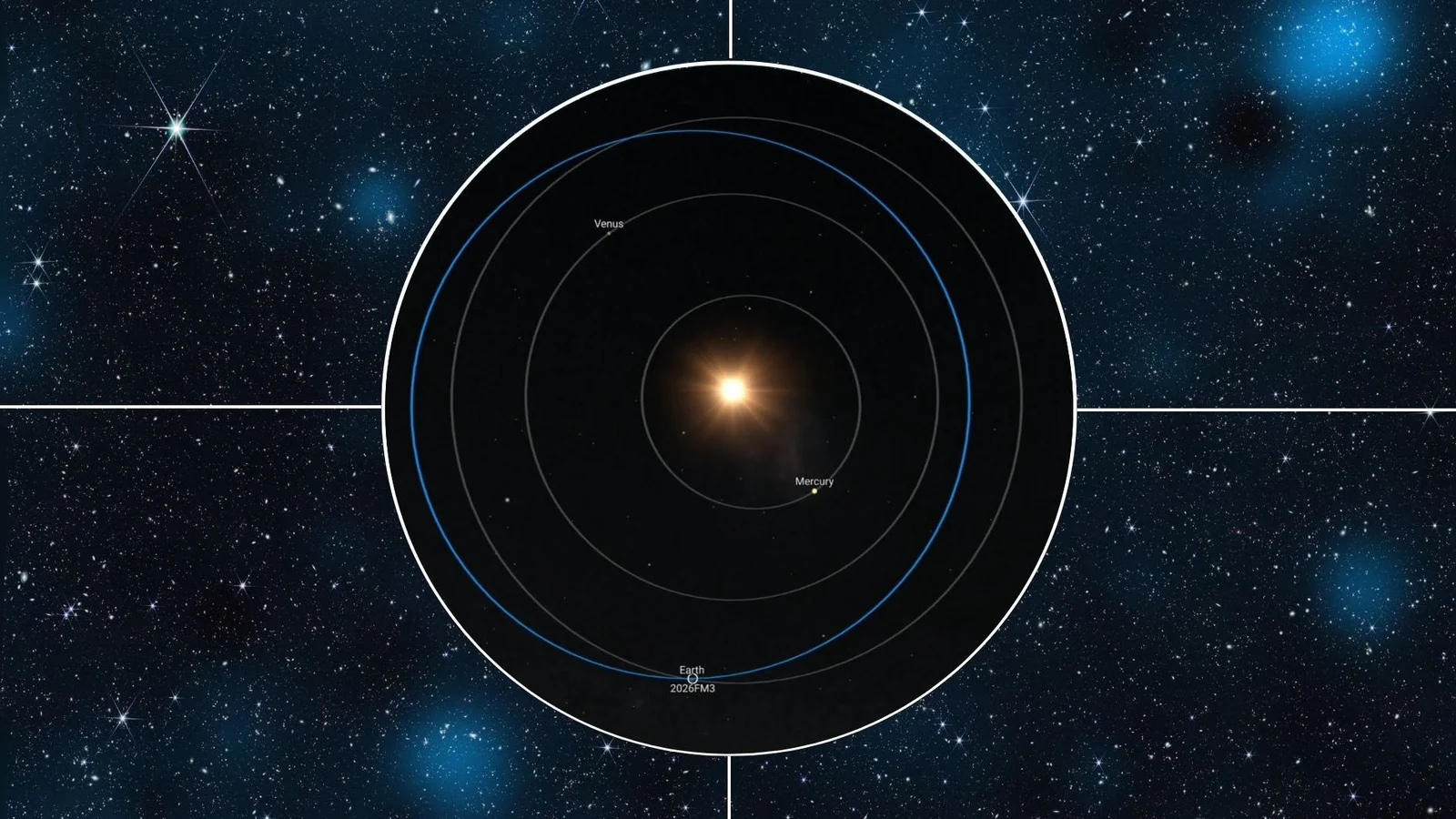
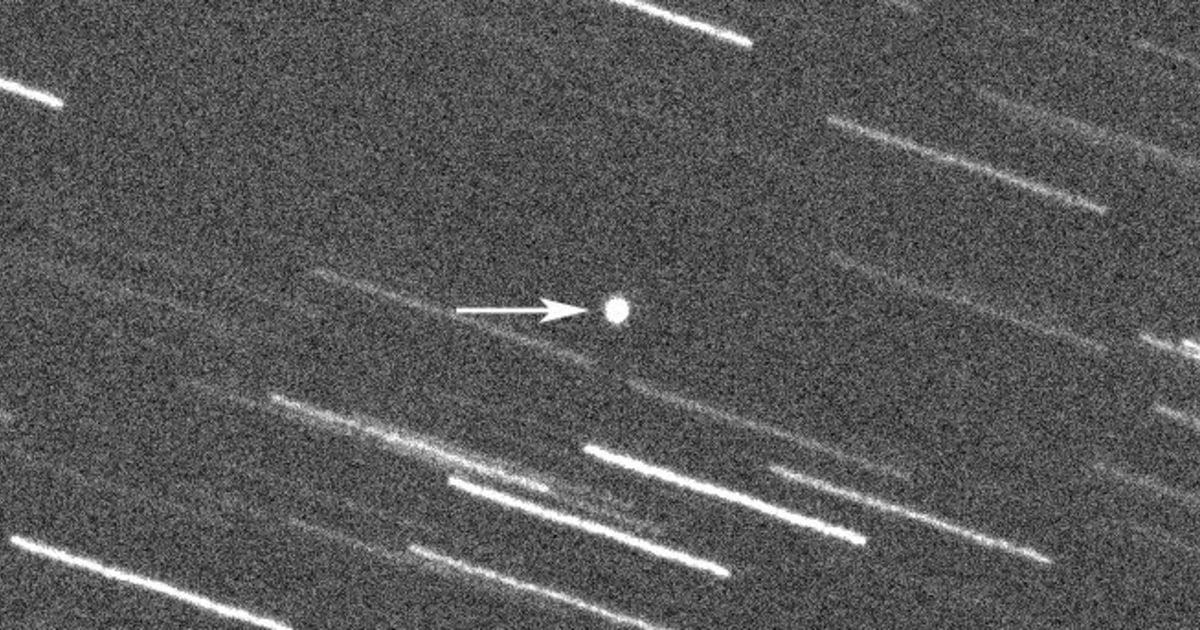
A car-sized near-Earth asteroid named 2026 FM3, discovered days ago by the Zwicky Transient Facility at Palomar, will pass by Earth tonight at roughly 237,918 km (about 0.618 lunar distances) at ~11,461 mph. The flyby is timed for 10:07 p.m. EDT (02:07 GMT) and the object will also miss the Moon a few hours later, at about 595,492 km. With an estimated diameter of 4–8 meters, it poses no risk to Earth or the Moon, and NASA expects no close approaches for the next century. The event highlights how upcoming observatories will keep finding many more near-Earth objects.)

"Massive Asteroid Safely Passes Close to Earth, NASA Reports"
astronomy2 years ago

"Massive Asteroid Safely Passes Close to Earth, NASA Reports"

A skyscraper-sized asteroid, designated as 2008 OS7, will safely pass within 1.7 million miles of Earth on Friday, with no chance of impact. Discovered in 2008, it won't return until 2032, when it will be much more distant. NASA estimates its size to be between 690 feet and 1,575 feet across, similar to the Empire State Building or Willis Tower. This harmless flyby is part of several asteroid encounters this week, including three smaller ones on Friday and two on Saturday, followed by a larger one on Sunday.

"Skyscraper-Size Asteroid Safely Passes Earth Within 1.7 Million Miles"
science-and-astronomy2 years ago

"Skyscraper-Size Asteroid Safely Passes Earth Within 1.7 Million Miles"

A skyscraper-sized asteroid will safely pass within 1.7 million miles of Earth on Friday, with no chance of impact. Estimated to be between 690 and 1,575 feet across, the asteroid, designated as 2008 OS7, was discovered in 2008 and won't return until 2032, when it will be much more distant. This flyby is part of several asteroid encounters this week, including three smaller ones on Friday and two on Saturday, with another larger asteroid passing by on Sunday.

"Multiple Large Asteroids Set to Pass Close to Earth, NASA Issues Warning"
science2 years ago

"Multiple Large Asteroids Set to Pass Close to Earth, NASA Issues Warning"

NASA reports that a large asteroid, 2008 OS7, roughly the size of the Empire State Building, will make a close flyby of Earth on Friday, passing at a distance of about 1.77 million miles. Classified as a "potentially hazardous asteroid," it poses no threat to Earth. This event serves as a reminder of the numerous asteroids in our solar system, with around 2,350 being classified as potentially hazardous. Despite its size, the asteroid will be difficult to spot and won't enter Earth's atmosphere.

astronomy2 years ago

"Gigantic Asteroid to Safely Whiz by Earth, Says NASA"

NASA predicts that an asteroid the size of 64 Canadian geese, named 2007 EG, will pass over Earth on January 30, but it won't come close, flying at a distance of over 4.8 million kilometers. Despite recent asteroid impacts, such as 2024 BX1 over Germany, scientists are working on planetary defense measures, with kinetic deflection showing promise, as demonstrated by NASA's DART Mission.

NASA's Lucy Mission Discovers Second Asteroid and Moon During Dinkinesh Flyby
space-exploration2 years ago

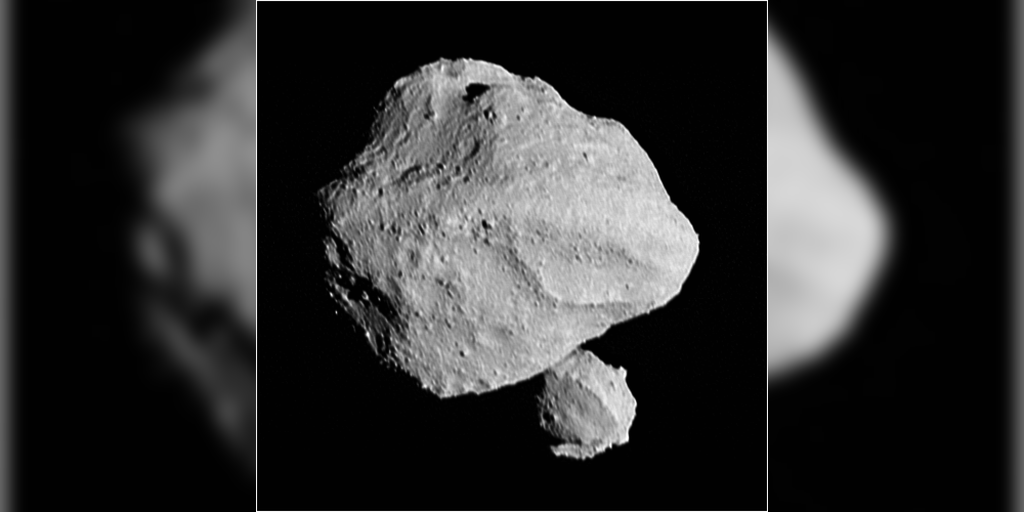
NASA's Lucy Mission Discovers Second Asteroid and Moon During Dinkinesh Flyby

NASA's Lucy spacecraft, on its mission to explore the Trojan asteroids associated with Jupiter, made a surprising discovery during its flyby of the asteroid Dinkinesh. The spacecraft's cameras revealed another small asteroid orbiting Dinkinesh, making it a binary asteroid system. This unexpected finding brings the total number of asteroids Lucy will fly by to 11, exceeding the original plan of seven. The images captured during the flyby provide detailed views of the asteroid pair, and further analysis of the data will be conducted to investigate the similarities and differences with other binary asteroid systems.

"NASA's Lucy Probe Set for Historic Flyby of 'Dinky' Asteroid"
space2 years ago

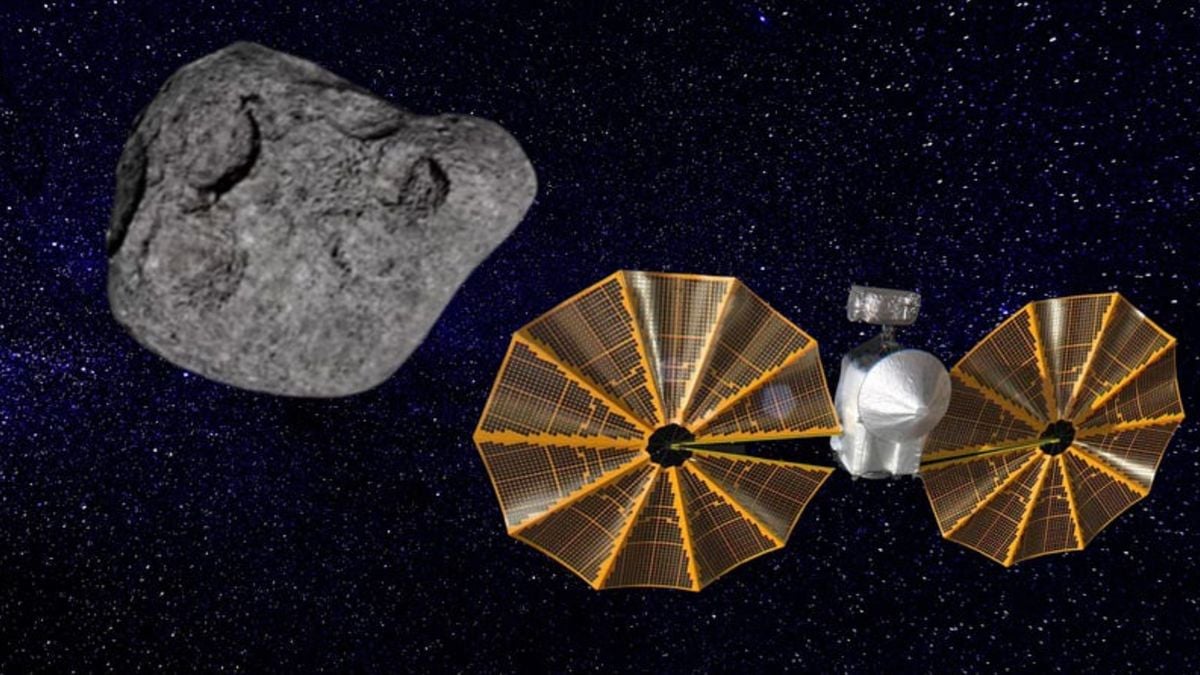
"NASA's Lucy Probe Set for Historic Flyby of 'Dinky' Asteroid"

NASA's Lucy probe is set to fly by the asteroid Dinkinesh on November 1st, marking the first stop on its record-breaking tour of ten space rocks. The encounter with Dinkinesh will serve as a test for Lucy's Terminal Tracking System, which keeps its instruments pointed at asteroids during flybys. This will be a challenging test as Dinkinesh is smaller than the other targets. Following the flyby, Lucy will head back to Earth for a gravity assist before continuing its mission to visit Trojan asteroids in 2027.

BepiColombo's Third Flyby Captures Stunning Footage of Mercury.
space3 years ago

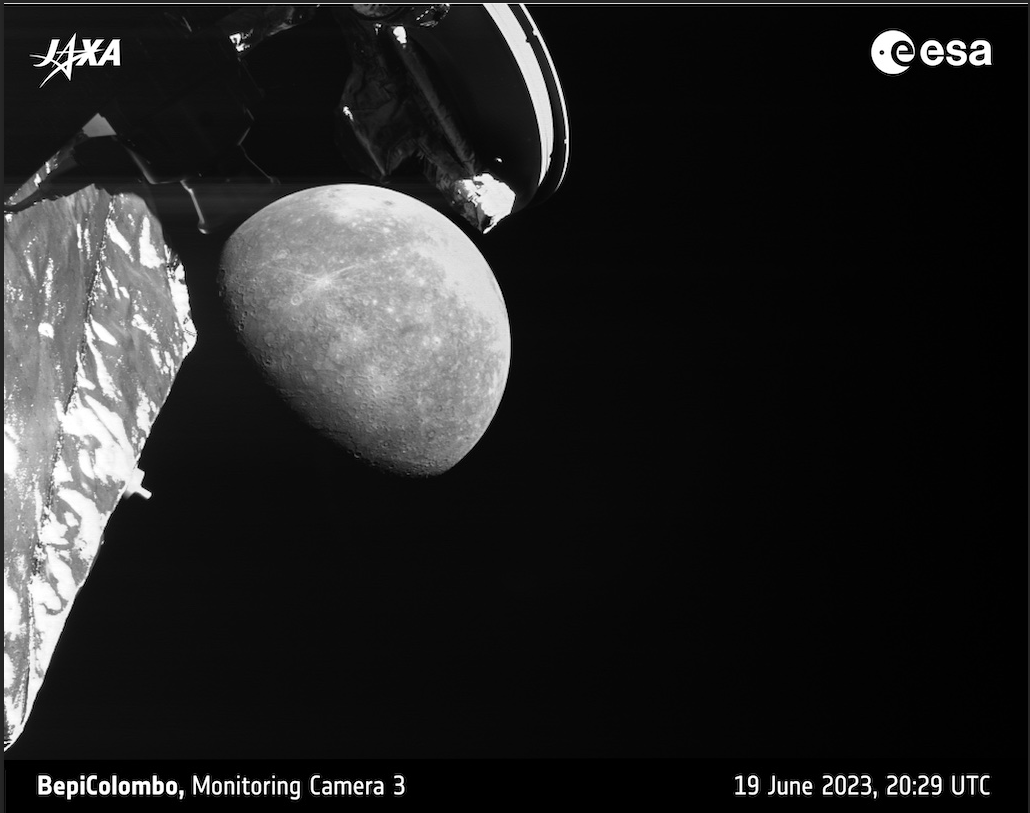
BepiColombo's Third Flyby Captures Stunning Footage of Mercury.

The European Space Agency's BepiColombo spacecraft has completed its third flyby of Mercury, passing 236 kilometers over the night side of the planet. During the flyby, most of BepiColombo's science instruments were active, collecting magnetic, plasma, and particle monitoring data. The flyby was another opportunity for the BepiColombo team to check instrument function and to gather useful science prior to the spacecraft's orbital mission, which starts in late 2025.