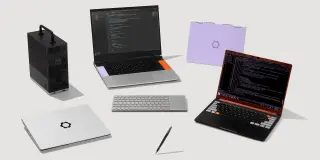
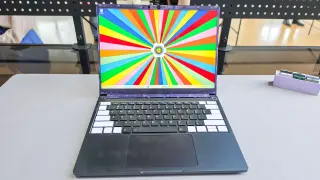
Framework has opened pre-orders for its Wireless Touchpad Keyboard, a $99 all-in-one input device featuring open-source firmware, a replaceable battery, and integrated trackpad. Shipping begins in Q1 2027.
Framework has launched pre-orders for its Wireless Touchpad Keyboard, a $99 all-in-one input device featuring open-source CAD files, ZMK firmware, and a replaceable battery. Designed as a premium alternative to the Logitech K400, the device supports Bluetooth, 2.4 GHz, and wired connections, with shipping expected in Q1 2027.
Framework has opened pre-orders for its Wireless Touchpad Keyboard, a $99 all-in-one input device designed for couch and desk use. The keyboard features a replaceable battery, open-source CAD files, and ZMK firmware, but its price is nearly triple that of the Logitech K400. Pre-orders require a $50 refundable deposit, with shipping expected in Q1 2027.
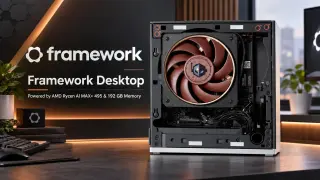
Framework has confirmed that pre-orders for its updated small-form-factor desktop, powered by the AMD Ryzen AI Max+ 495 processor, will open on September 30, 2026. The system features 192 GB of unified LPDDR5X memory, a significant increase from the previous 128 GB limit, and is optimized for local AI workloads. While the chassis and motherboard remain unchanged to ensure backward compatibility, the new chip offers higher clock speeds and improved memory bandwidth. Pricing is expected to exceed $6,000 due to rising memory costs, positioning it as a premium option against competitors like NVIDIA’s DGX Spark.
A critical, unpatched vulnerability in Metabase business intelligence software was exploited in the wild, granting attackers full administrative access without authentication. The flaw, rated 10.0 on the CVSS scale, affected versions 1.58 and later. Metabase Cloud instances were patched immediately, but self-hosted users must update to version 63.5 or block specific API endpoints. Framework, a PC manufacturer, confirmed that customer names, addresses, and contact details were accessed via this breach, though payment information remained secure.
The Framework Laptop 13 Pro is a high-performance, repairable notebook with excellent battery life and build quality, but its price has skyrocketed due to a global RAM shortage.
RAM prices from Framework’s memory supplier have more than doubled, forcing updated memory configurations for Laptop 13 Pro preorder customers and price increases for new orders; Framework is offering full deposit refunds for cancellations, with new base configurations starting at $1,599 (16GB RAM) and higher-end options up to $2,899 due to the RAM crisis.
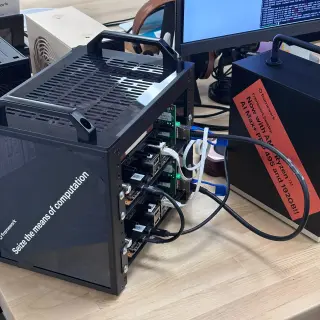
Framework announced a new SKU of its tiny Framework Desktop, a 4.1-liter mini-ITX PC powered by the Ryzen AI Max+ Pro 495 with 16 Zen 5 cores (up to 5.2 GHz) and Radeon 8065S iGPU, offering up to 192 GB of LPDDR5x RAM and a PCIe x4 slot for expansion to run local AI models even without a discrete GPU; pricing and release date aren’t disclosed yet, but the RAM upgrade is expected to push the price well above the current 128 GB model’s $3,449, potentially over $4,000.
Framework previewed its upcoming Ryzen AI MAX+ 495 Desktop, packing 16 Zen 5 cores at up to 5.2 GHz, a Radeon 8065S GPU, and a 192 GB unified LPDDR5X memory (273 GB/s), optimized for AI LLM workloads like DeepSeek V4-Flash at Q8. The system features an open-ended PCIe x4 slot for larger cards and a RoCE-enabled two-desktop cluster to pool up to 384 GB of memory for tensor-parallel workloads, with a Linux pre-built option planned. Pricing indicates the 192 GB model will cost well over $5,000, while the base 395 starts around $3,500, with availability later this year.
Israel carried out air strikes in southern Lebanon, killing at least one person, as Hezbollah rejected a US-brokered four-point peace framework that would transfer exclusive security control of vacated areas to the Lebanese army while allowing Israel to maintain an expanded security zone; Netanyahu called the agreement historic, Israel says it will extend its stay, and Hezbollah vows continued resistance amid ongoing cross-border violence.
Framework says the first Laptop 13 Pro shipments will now start in July (with some batches possibly slipping to early August or later) after fixes to a grounding issue in the new haptic trackpad require a redesigned circuit board, and a display firmware bug necessitates updated firmware from CSOT. Preorders without the affected components are still shipping on time, and customers can cancel for a full deposit refund if the delay is an issue.
Installer highlights the Framework Laptop 13 Pro as a standout, upgradeable and repairable laptop that could be a big win for Linux and Windows users, alongside a roundup of other new gear in this week’s issue.
Framework says its Laptop 13 Pro, optimized for Linux, is selling far above forecast with the first seven batches sold out; Ubuntu configurations are outselling Windows, and the company emphasizes Linux-ready design and modular repairability. The DIY edition can ship with Windows or no OS, while the pre-built model offers Windows 11 Pro or Ubuntu 24.04 LTS. The DIY option can be configured up to Core Ultra X9 388H with up to 64GB RAM, while the current pre-built ships with Ultra X7 358H, 32GB RAM, 1TB storage, a 74Wh battery and a 2.8K touchscreen. Batch 8 is already in the works, underscoring growing Linux demand in premium laptops.
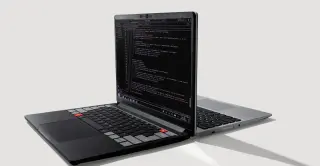
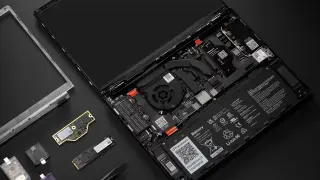
Hands-on coverage highlights Framework’s complete redesign in the Laptop Pro 13: it keeps the modular, repairable chassis but adds a 13.5-inch touch display (2880x1920) with a 30-120 Hz refresh range, and easier replaceable parts for RAM, storage, and more. The result is a premium-feeling laptop aimed at power users and developers, with upgradeability and repairability as its core selling points, while keeping a similar look to the original, but with a noticeably improved display and build.
Framework’s Laptop 13 Pro ships with Ubuntu out of the box, features a CNC-aluminum chassis and a repair-friendly design (even including a screwdriver), and uses Intel Core Ultra Series to promise long battery life. Framed as a Linux-first alternative to Windows laptops, it could push the broader PC market toward openness and Linux-native options, potentially changing how mainstream PCs are built and sold.