Tag

Gas Giant

All articles tagged with #gas giant

Possible Saturn-mass planet near Alpha Centauri A remains unconfirmed despite Webb hints
space12 days ago

Possible Saturn-mass planet near Alpha Centauri A remains unconfirmed despite Webb hints

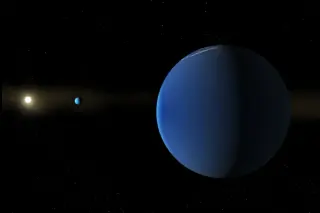
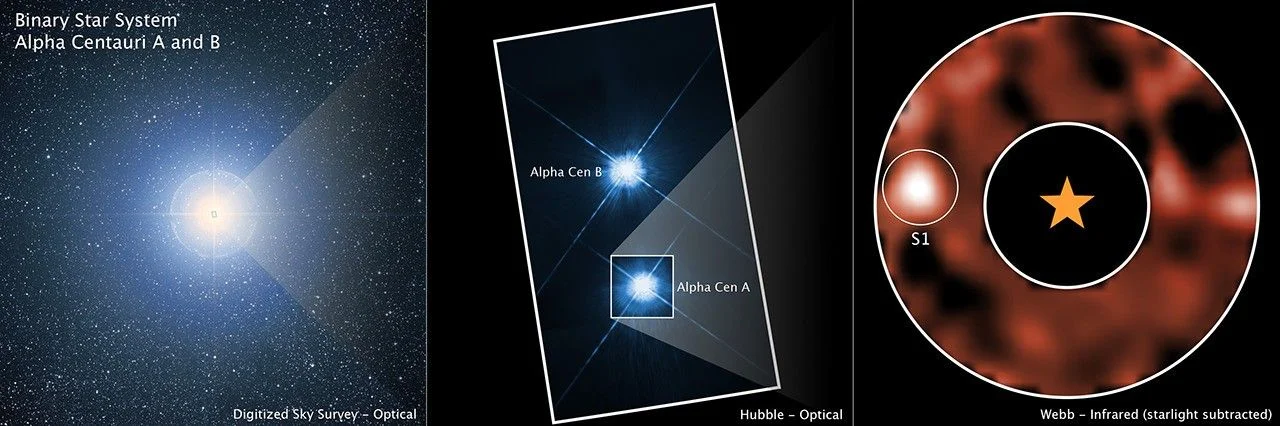
The James Webb Space Telescope briefly detected a faint source near Alpha Centauri A in 2024 (S1) that could be a Saturn-mass planet in the system’s habitable zone, but follow-up observations in 2025 found no comparable signal. Two 2025 papers combine imaging tests with millions of orbital simulations and conclude a real planet remains plausible, though not proven: if real, it would be a gas giant ~90–150 Earth masses orbiting around 1–2 AU with a high eccentricity, and could have slipped behind Webb’s coronagraphic blind spots between observations. Confirmation will require a future recovery of the signal or independent measurements; for now the evidence is intriguing but not conclusive.
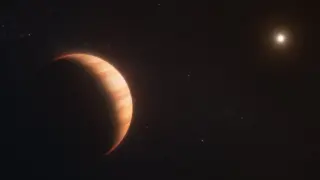
No Ground Below: Jupiter’s Interior Is a Dense, Metallic Fluid, Not a Surface
space29 days ago

No Ground Below: Jupiter’s Interior Is a Dense, Metallic Fluid, Not a Surface

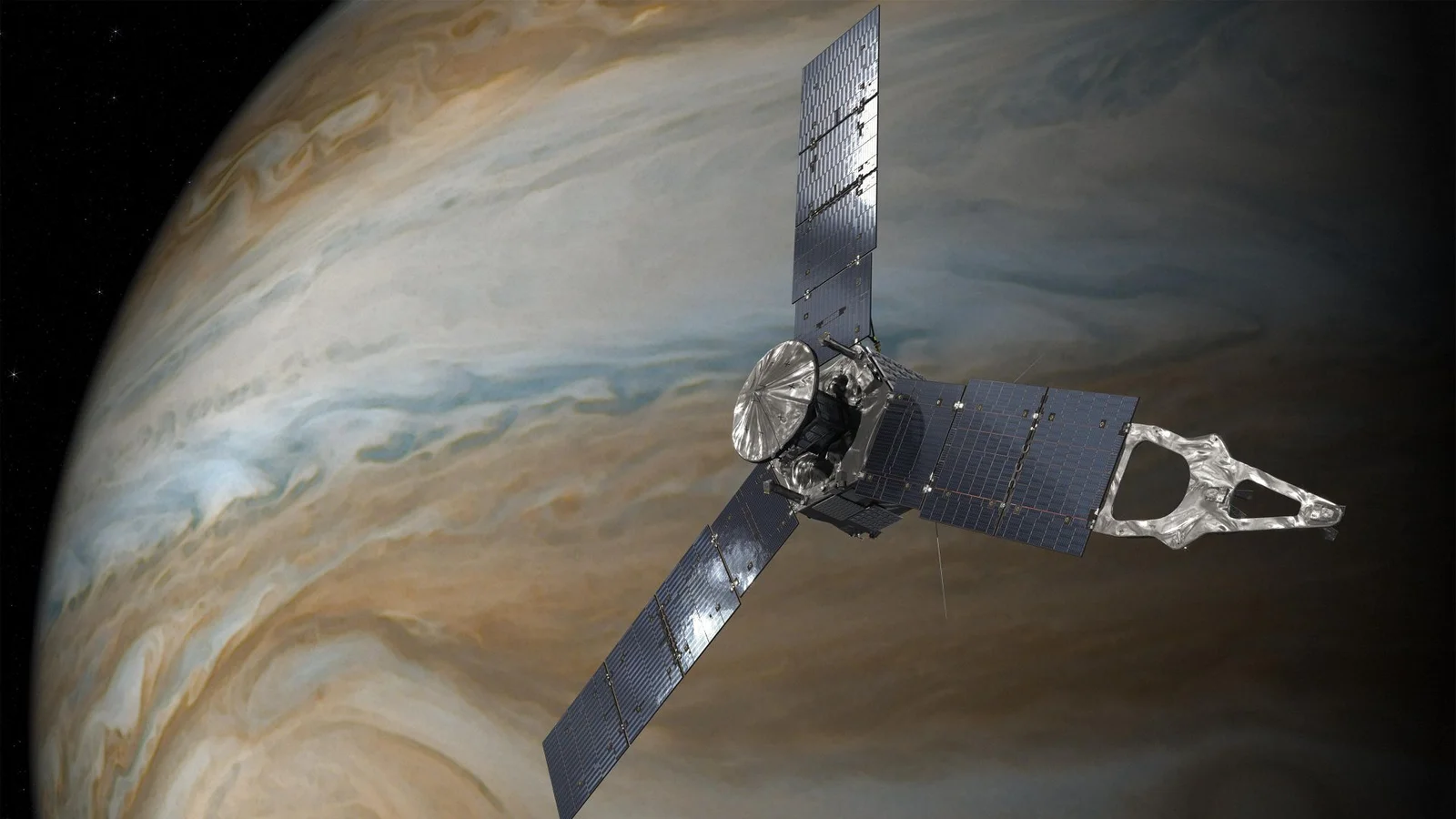
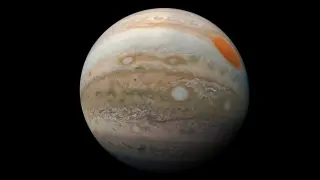
Jupiter has no solid surface; below its cloudy atmosphere the gas becomes a hot, dense, electrically conducting fluid of metallic hydrogen with no distinct boundary. The one-bar “surface” is an arbitrary reference level, not a real ground. A descending probe would be crushed, heated, and dissolved long before any crust could be reached. Galileo sampled only upper atmospheric layers, while Juno data suggest a diluted, boundary-free core. In short, Jupiter is a continuum interior, not a planet with a landing site.

Jupiter-sized survivor orbits a cooling white dwarf, defying expectations
space1 month ago

Jupiter-sized survivor orbits a cooling white dwarf, defying expectations

Astronomers using the James Webb Space Telescope studied WD 1856 b, a Jupiter-sized planet that survived its Sun-like star’s red-giant phase and now orbits a cooling white dwarf about 75 light-years away. The eight-minute grazing transit revealed an atmosphere with methane and hazes, and a surprisingly hot around-400 K temperature, indicating internal reheating rather than just re-radiating energy from the star. The data favor a late inward migration caused by gravitational interactions with distant stellar companions over a common-envelope origin, suggesting more planetary survivors may await discovery near nearby white dwarfs.

Distant Star Hosts a Nearly Five-Jupiter-Mass Gas Giant in a 180-Day Orbit
astronomy6 months ago

Distant Star Hosts a Nearly Five-Jupiter-Mass Gas Giant in a 180-Day Orbit

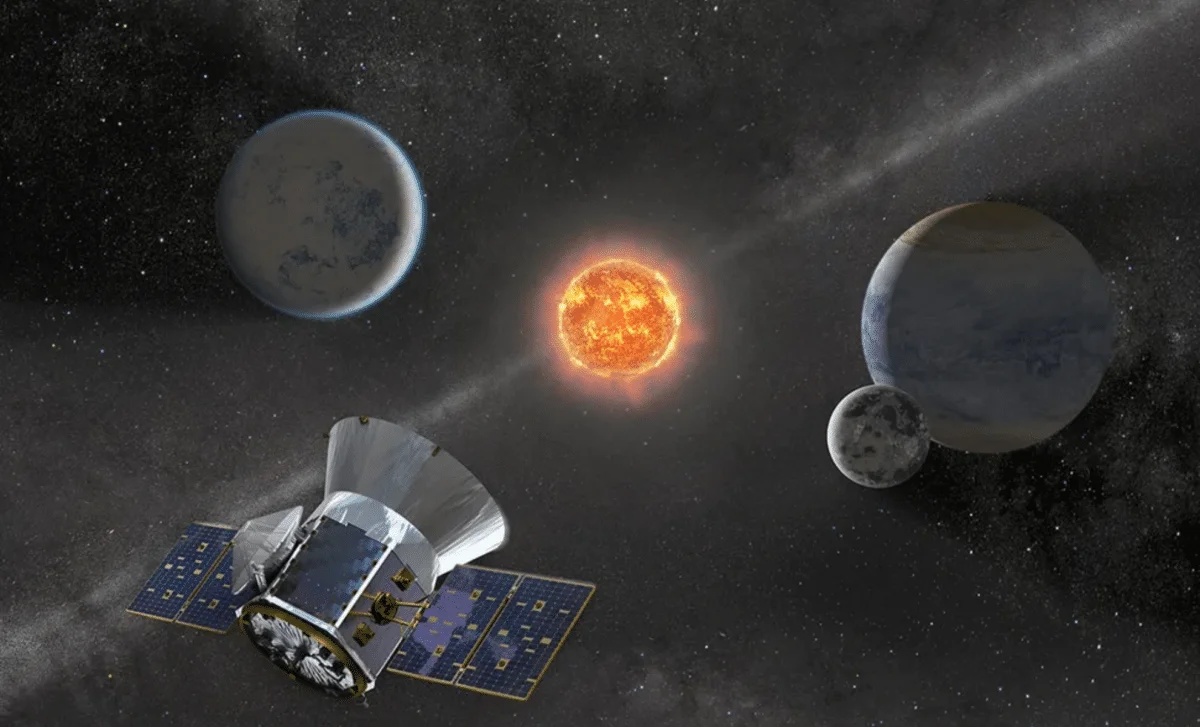
Astronomers using NASA's TESS have discovered TIC-65910228 b, a gas giant with about 4.8 Jupiter masses and a radius near 1.08 Jupiter radii, orbiting a metal-rich sun-like star 864 light-years away. The planet completes an ~180.5-day orbit at ~0.7 AU, placing it in the warm-Jupiter regime. Follow-up with NGTS, HARPS, and CORALIE confirmed the transit and radial-velocity signals, while atmospheric studies remain challenging but possible with next-generation telescopes. The system may also host moons or rings, making TIC-65910228 b a compelling target for future exploration.

Jupiter’s true size revealed by Juno measurements
space6 months ago

Jupiter’s true size revealed by Juno measurements

NASA's Juno spacecraft has produced the clearest measurements yet of Jupiter's shape, finding its equator is about 5 miles (8 km) smaller and its poles roughly 15 miles (24 km) shorter than previously estimated. The update, drawing on 26 Juno flybys (versus six earlier data points), helps reconcile atmospheric and gravity data with interior models, and may lead textbooks to be updated about Jupiter’s size and structure.

Irish Astronomers Discover a Stunning New Planet in Formation
science1 year ago

Irish Astronomers Discover a Stunning New Planet in Formation

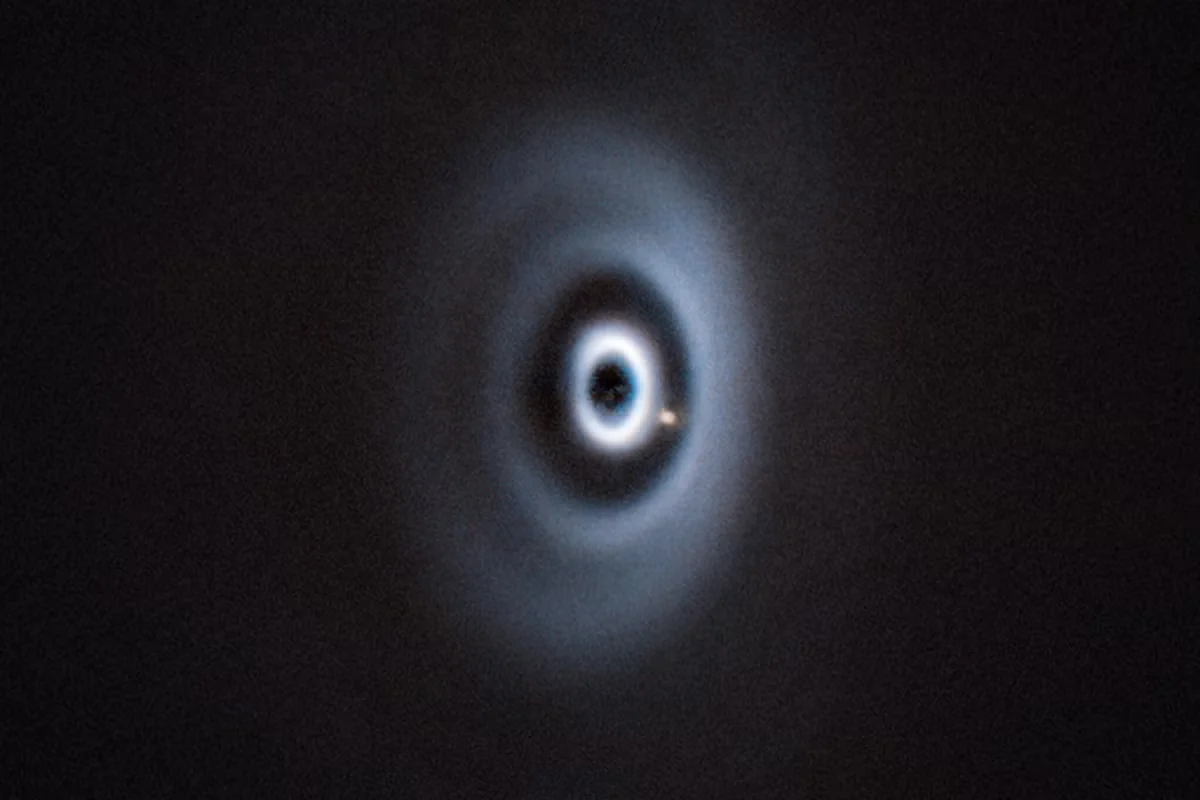
Astronomers, including researchers from Galway, have discovered a new planet, WISPIT 2b, around a young star using ESO's VLT in Chile. This five-million-year-old gas giant, similar in size to Jupiter, was detected in infrared and visible light, providing insights into early planet formation. The discovery, made in a dust disk with multiple rings, is only the second of its kind around a star this young, offering valuable data for understanding planetary development.

New Discoveries of Nearby Giant Planets and Exoplanets
science1 year ago

New Discoveries of Nearby Giant Planets and Exoplanets

Scientists have found strong evidence of a giant gas planet in the Alpha Centauri star system, the nearest star system to Earth, using the James Webb Space Telescope. Although the planet's existence needs further confirmation, it is similar to Jupiter and Saturn and could have moons that support life. Future observations aim to verify its presence and explore its composition and potential habitability.

Webb Telescope Detects Possible New Exoplanet Near Alpha Centauri
science1 year ago

Webb Telescope Detects Possible New Exoplanet Near Alpha Centauri

Astronomers using the James Webb Space Telescope have found strong evidence for a potential new gas giant exoplanet orbiting Alpha Centauri A, the closest sun-like star to Earth, located just four light-years away. The planet candidate is in the habitable zone but is unlikely to support life due to its gaseous nature. Further observations are needed to confirm its existence, which could provide valuable insights into planetary formation in multi-star systems.

James Webb Telescope Discovers Nearby Exoplanet and Solar Twin Evidence
science1 year ago

James Webb Telescope Discovers Nearby Exoplanet and Solar Twin Evidence

NASA's James Webb Space Telescope has found strong evidence of a potential gas giant planet orbiting Alpha Centauri A, the closest Sun-like star system to Earth. Although initial observations suggested the planet's presence, subsequent data did not confirm it, leading to the possibility that the planet may have moved or was a transient detection. If confirmed, this would be the closest exoplanet to Earth orbiting a Sun-like star and could significantly impact our understanding of planetary formation and evolution in binary star systems.

science1 year ago

Webb Telescope Discovers Potential Exoplanets Near Our Solar System

NASA's James Webb Space Telescope has found strong evidence of a potential gas giant planet orbiting Alpha Centauri A, the closest Sun-like star system to Earth. The discovery, based on infrared observations, suggests the planet could be a Saturn-sized gas giant in an elliptical orbit, but further observations are needed to confirm its existence. If confirmed, this would be the closest exoplanet to Earth and a significant milestone in exoplanet research.