Starless Rogue-Moon Orbits Could Sustain Long-Lived Subsurface Oceans
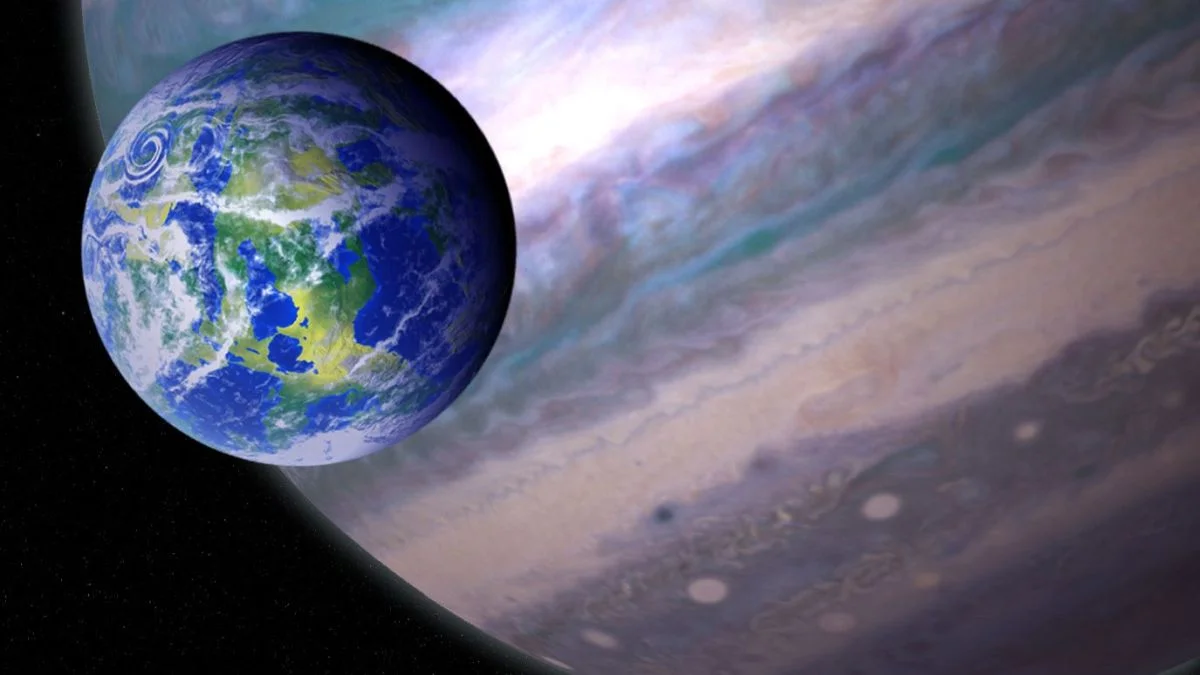
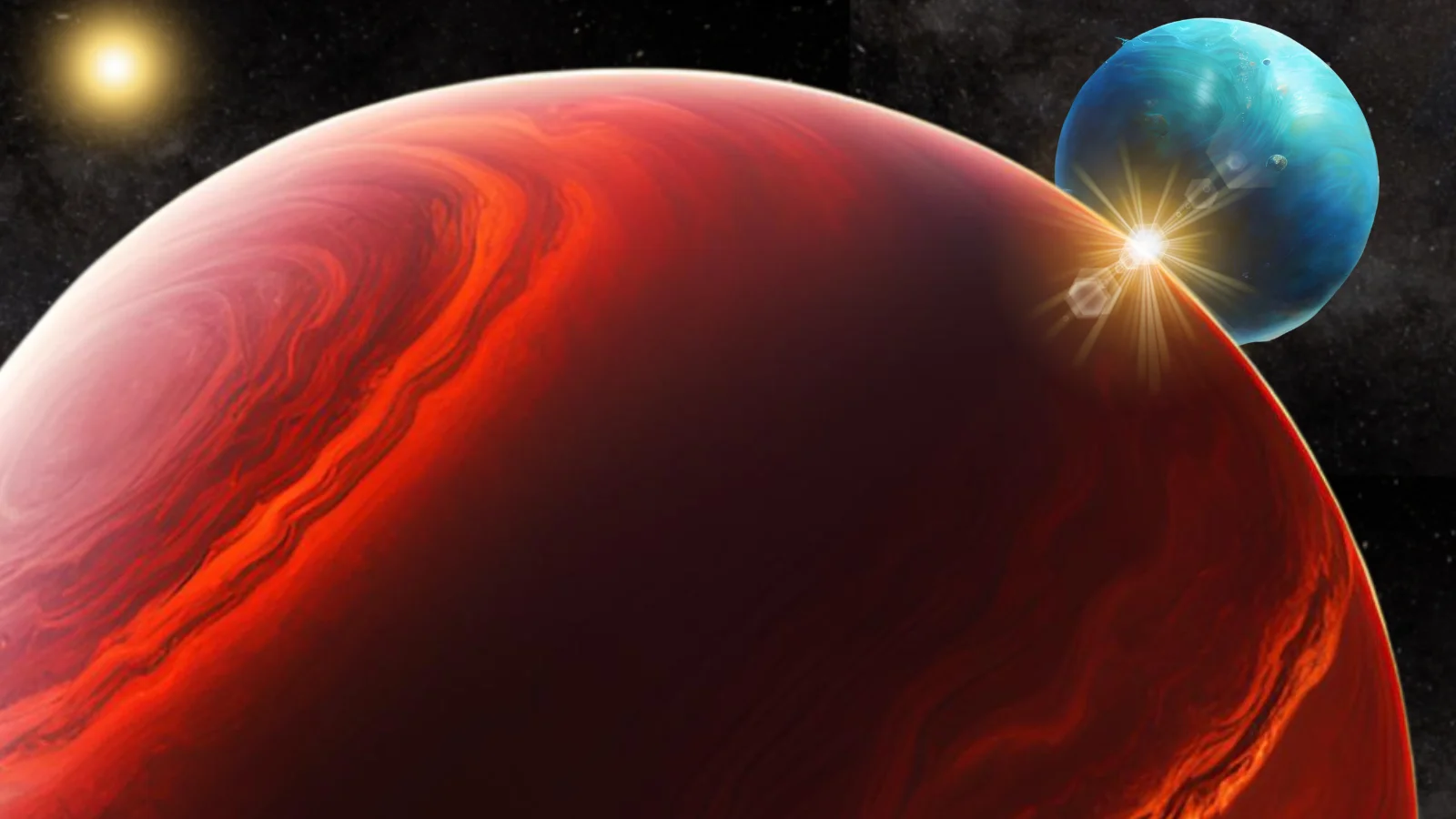
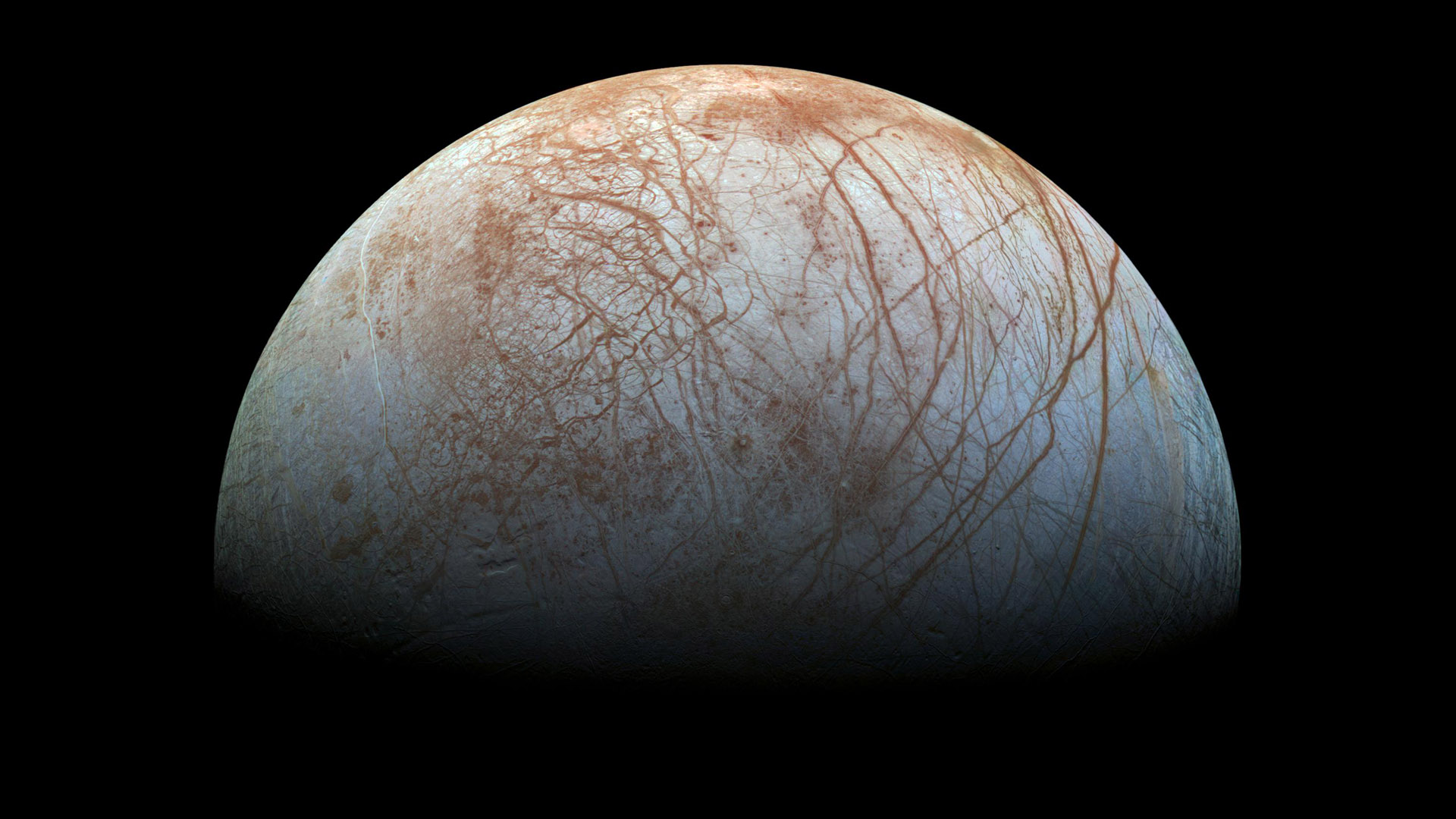
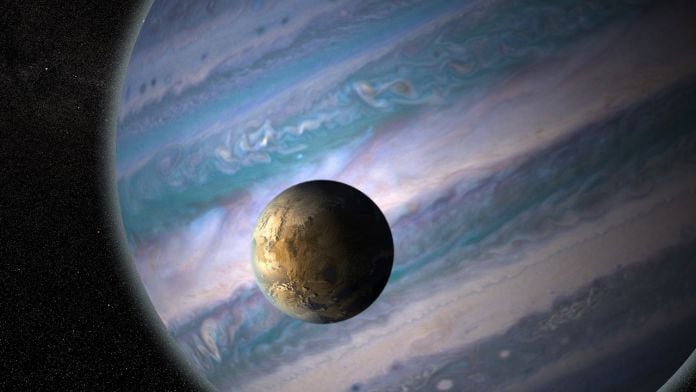
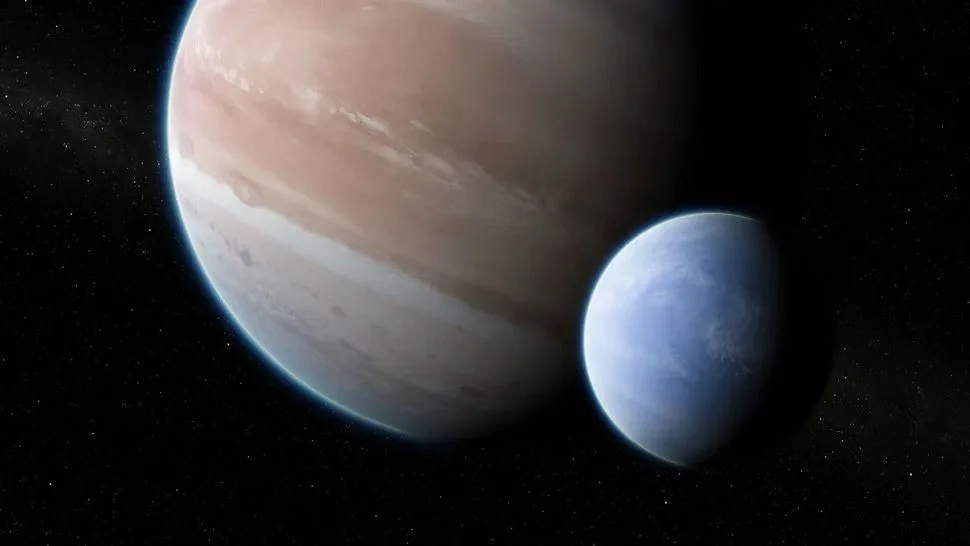
A 2025 arXiv modelling study suggests moons bound to planets ejected by supernovae could remain in interstellar space and heat internal oceans via tidal flexing, potentially keeping subsurface oceans for billions of years without sunlight. In simulations, 12–15% of cases yielded heating within the Europa/Enceladus range; surfaces would stay frozen and oceans would be buried, but the internal heat could sustain liquid water. The work is theoretical and depends on model inputs, and no confirmed rogue-planet moons have been observed yet; still, it widens habitable-setting thinking beyond star warmth.