Tag

Gip

All articles tagged with #gip

Trojan-Horse Weight-Loss Molecule Delivers Potent Results in Mice
science1 day ago

Trojan-Horse Weight-Loss Molecule Delivers Potent Results in Mice

Scientists at Helmholtz Munich created a hybrid 'Trojan horse' drug that uses GLP-1R/GIPR signaling as an entry door and carries lanifibranor to activate PPARα/γ/δ inside cells, hitting five targets. In diet-induced obese mice, it reduced appetite, produced greater weight loss, and improved blood glucose versus reference therapies, with GI side effects similar to current incretin medicines. The approach is preclinical; whether results translate to humans remains to be seen and will require clinical development.


Five-pathway obesity drug outperforms Ozempic in mice, signaling a multi-target therapy future
health13 days ago

Five-pathway obesity drug outperforms Ozempic in mice, signaling a multi-target therapy future

Munich researchers engineered a single molecule that activates five metabolic targets (GLP-1, GIP, plus three internal PPAR switches) with gut-targeted delivery. In obese mice it reduced appetite, body fat, and weight more than semaglutide (Ozempic) and a GLP-1/GIP co-agonist, while also improving blood sugar control and lowering liver fat/inflammation without the usual lanifibranor-side effects; if results translate to humans, this could pave the way for a weekly, five-target obesity therapy, though clinical trials will take years.

Retatrutide: The Unapproved Weight-Loss Peptide Raising Big Hopes—and Red Flags
health1 month ago

Retatrutide: The Unapproved Weight-Loss Peptide Raising Big Hopes—and Red Flags

Retatrutide is an experimental peptide that targets GLP-1, GIP, and glucagon to suppress appetite and boost fat loss; it’s unapproved globally and already circulating online, with early trials showing strong weight loss but under strict medical supervision. Real‑world use carries safety concerns like gastrointestinal side effects and at least one death being investigated; lack of regulation means contaminated or misdosed products are possible, and Australia’s TGA has warned about importing unapproved peptides. Experts caution that achieving shredded results depends on resistance training and protein intake, and mood or relationship effects are still unclear.

A GLP-1-free route to weight loss gains attention
biotech1 month ago

A GLP-1-free route to weight loss gains attention

A group of researchers behind GLP-1 obesity drugs propose an alternative: a high-dose molecule that activates GIP and glucagon receptors may achieve weight loss similar to GLP-1–targeting therapies, potentially with fewer side effects. The approach, funded by BlueWater Biosciences and described in Molecular Metabolism, is based on rodent and nonhuman primate data and has not yet been tested in humans, making findings uncertain and likely controversial for the field.

AES to go private in $10.7B deal with major investment funds
business2 months ago

AES to go private in $10.7B deal with major investment funds

AES plans to be sold to a consortium led by Global Infrastructure Partners and EQT Infrastructure VI, taking the utility company private. Shareholders will receive $15 per share (equity value around $10.7B; enterprise value about $33.4B). AES Indiana and AES Ohio would remain regulated, locally operated utilities, and the company says customer rates won’t be affected. The deal is expected to close in late 2026 or early 2027. Some Indiana lawmakers have voiced concerns about private ownership of essential services.

GIP Nears $40 Billion Deal to Acquire Aligned Data Centers
business7 months ago

GIP Nears $40 Billion Deal to Acquire Aligned Data Centers

Global Infrastructure Partners is in advanced negotiations to acquire Aligned Data Centers for about $40 billion, a deal that highlights the booming interest in AI infrastructure investments, with involvement from Mubadala and potential expansion into other sectors like power utilities. The transaction, if finalized, would be among the largest this year, reflecting the surge in data center and AI-related infrastructure spending amid concerns over market bubbles and demand sustainability.

"GIP's Role in Obesity Research: A Controversial Debate"
health-and-medicine2 years ago

"GIP's Role in Obesity Research: A Controversial Debate"

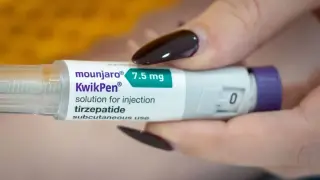
A landmark study over a decade ago suggested a new approach to treating obesity and diabetes by activating gut hormone receptors GLP-1 and GIP. This approach was used by Eli Lilly to develop tirzepatide, a medicine for diabetes and weight loss. However, recent research has raised questions about the effectiveness of GIP in treating obesity, leading to conflicting views within the scientific community.

"GABAergic Neurons: Key Players in Glucose-Dependent Insulinotropic Polypeptide's Control of Body Weight and Food Intake in Mice"
health2 years ago

"GABAergic Neurons: Key Players in Glucose-Dependent Insulinotropic Polypeptide's Control of Body Weight and Food Intake in Mice"

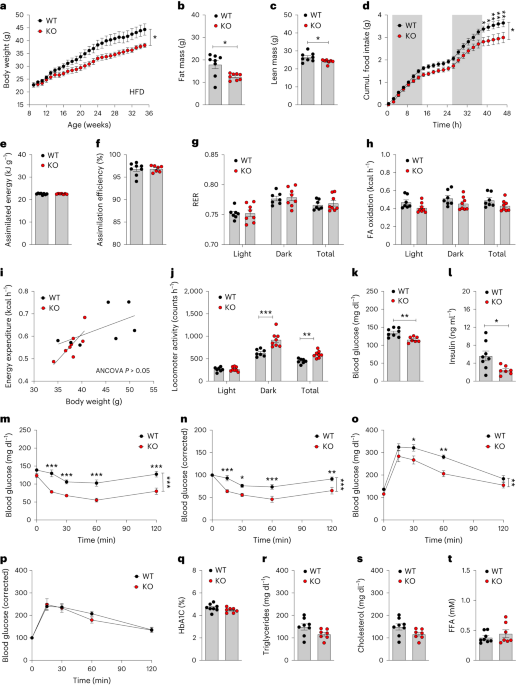
Glucose-dependent insulinotropic polypeptide (GIP) regulates body weight and food intake through GABAergic neurons, according to a study in mice. The study found that GIPR agonism is a vital component of GIPR-GLP-1R co-agonism, which has been effective in treating obesity and diabetes. Mice with Gipr deletion in inhibitory GABAergic neurons showed decreased body weight, improved glucose metabolism, and decreased food intake. The study also revealed that GIP acts on hindbrain GIPR neurons to regulate food intake, and GIP requires GIPR signaling in inhibitory GABAergic neurons to decrease food intake. These findings provide insights into the mechanisms underlying the metabolic effects of GIP and GIPR-GLP-1R co-agonism.

Viking Therapeutics' Obesity Treatment Shows Promising Results, Sends Stock Soaring.
health3 years ago

Viking Therapeutics' Obesity Treatment Shows Promising Results, Sends Stock Soaring.

Viking Therapeutics' experimental obesity treatment, which activates hormones GLP-1 and GIP, resulted in patients losing up to 18 pounds and caused the company's stock to soar to a five-year high. The drug's weight-loss effect appears durable and the majority of side effects were mild or moderate. Viking plans to test an oral version of the drug, which could be an alternative to weekly injections. The company is competing against Novo Nordisk and Eli Lilly in the burgeoning obesity treatment market.

healthcare3 years ago

Viking Therapeutics' Dual GLP-1/GIP Receptor Agonist Shows Promising Results in Phase 1 Clinical Trial.

Viking Therapeutics has initiated a Phase 1 clinical study to evaluate an oral formulation of its dual GLP-1/GIP receptor agonist VK2735. The study will evaluate daily oral doses for 28 days and the results are expected to be available in the second half of 2023. The primary objective of the study is to evaluate the safety and tolerability of VK2735 administered as an oral tablet once daily for 28 days. The secondary objective is to evaluate the pharmacokinetics of orally administered VK2735 in healthy subjects.

Exploring the Effectiveness of Ozempic and Similar Weight Loss Drugs.
health3 years ago

Exploring the Effectiveness of Ozempic and Similar Weight Loss Drugs.

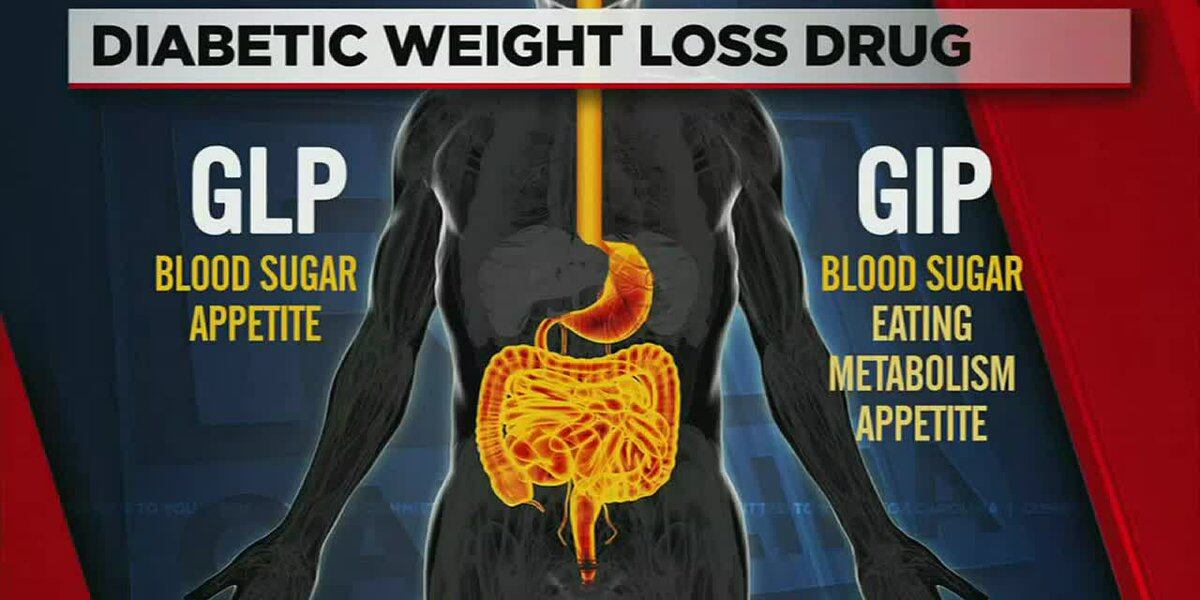
Researchers in Greenville are conducting clinical trials on a GLP-GIP combination drug, similar to the diabetic drug Ozempic, that has been shown to help reduce weight. The drug works in combination with another gut hormone called GIP, which helps control blood sugar levels and appetite. The combination of hormones could be more effective for weight loss. The drug is currently only approved for diabetes, not weight loss. Common side effects include gastrointestinal pain or discomfort. Only diabetic patients who meet certain criteria can enroll in the clinical trial.