Tag

Great Barrier Reef

All articles tagged with #great barrier reef

Crown-of-Thorns: The Venomous Giant Starfish Threatening Coral Reefs
science9 days ago

Crown-of-Thorns: The Venomous Giant Starfish Threatening Coral Reefs

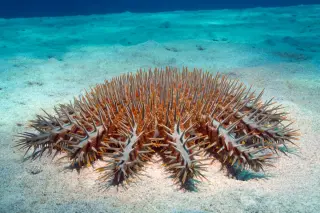
Crown-of-thorns starfish are large, venomous sea stars with up to 21 spines that can reach 80 cm; their toxins can cause severe pain and, in rare cases, fatal reactions. More pressingly, they voraciously eat hard coral—up to about 10 square meters per starfish per year—threatening reefs like the Great Barrier Reef and capable of wiping out reef sections in weeks when populations surge. They regrow from fragments, making culling ineffective, so management favors injections of vinegar or bile salts. Natural predators such as giant triton snails and many reef fish help limit outbreaks, and the presence of giant tritons can even drive COTS away. They feed by everting their stomachs to digest coral tissue, turning it into a coral soup before retracting it.

Shark Attack Ends Spearfishing Trip on Great Barrier Reef
world1 month ago

Shark Attack Ends Spearfishing Trip on Great Barrier Reef

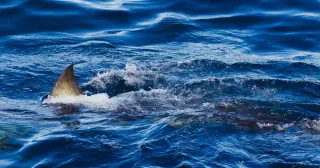
A 39-year-old Cairns man was killed by a shark while spearfishing with friends off Kennedy Shoal on the Great Barrier Reef. Witnesses pulled him from the water and paramedics could not save him. The incident comes on the heels of another fatal attack nearby earlier in May, making it Australia’s third shark fatality in 2026, amid ongoing research that warming oceans and crowded waters may be driving more attacks.

Color-changing surgeonfish signals for a clean at the Great Barrier Reef
science2 months ago

Color-changing surgeonfish signals for a clean at the Great Barrier Reef

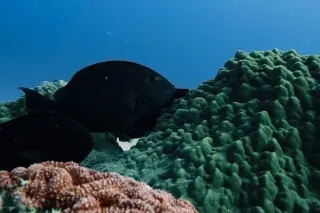
Diver Jamie Wilson filming the Great Barrier Reef captured hundreds of pale surgeonfish visiting a cleaning station, and one fish abruptly darkened from white to black. Scientists say such color changes may signal to cleaner wrasse that the fish is ready for a cleaning and not a threat, aiding parasite removal and communication in reef ecosystems.

Rolling-meadow giant: citizen scientists uncover one of the reef's largest coral colonies
science4 months ago

Rolling-meadow giant: citizen scientists uncover one of the reef's largest coral colonies

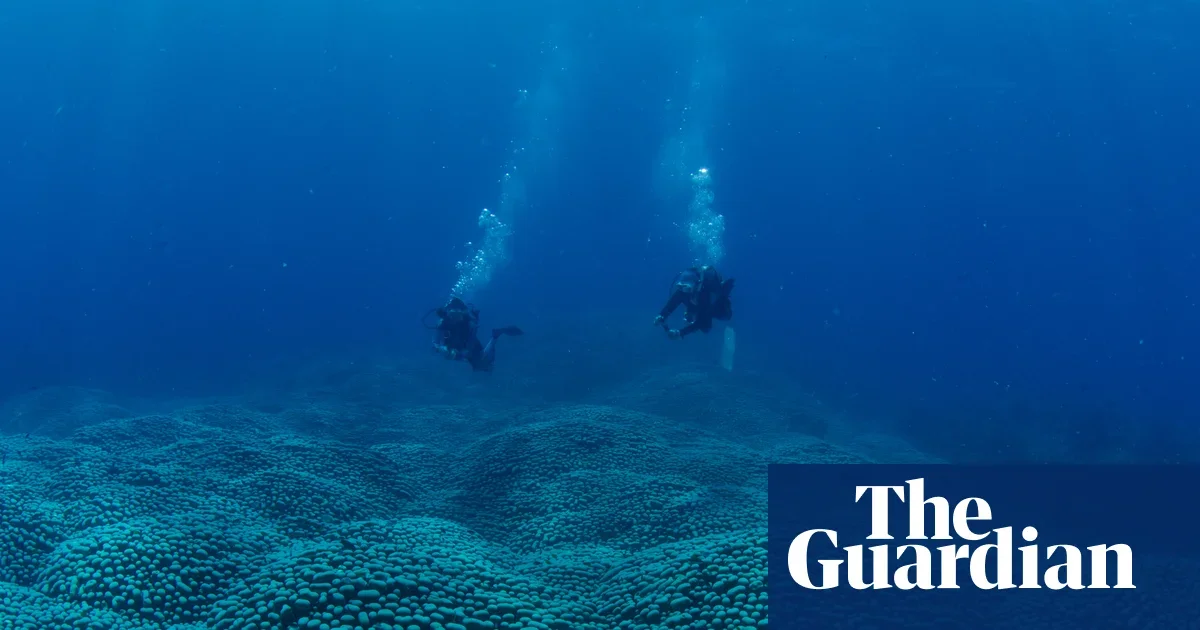
Citizen scientists identify a Pavona clavus coral off Cairns spanning about 111 meters and covering roughly 3,973 square meters, potentially making it one of the reef’s largest colonies. Genetic testing is needed to confirm if it is a single organism or multiple close colonies, with size mapped via photogrammetry and implications for reef resilience.

Citizen scientists uncover world’s largest coral colony off Australia
science4 months ago

Citizen scientists uncover world’s largest coral colony off Australia

A mother-daughter team with Citizens of the Reef identified the world’s largest known coral colony on the Great Barrier Reef—a Pavona clavus spanning about 111 meters and covering roughly 3,973 square meters—verified by underwater measurements and a 3D model; the exact location isn’t released to protect the site, and the find underscores the value of citizen science in reef monitoring amid ongoing bleaching.

Great Barrier Reef Faces Record Coral Decline
environment11 months ago

Great Barrier Reef Faces Record Coral Decline

The Great Barrier Reef is experiencing its worst coral decline on record due to unprecedented heat stress and bleaching events driven primarily by climate change, with natural factors like cyclones and starfish outbreaks also contributing. Recovery may take years, and experts warn that without urgent climate action, the reef could face irreversible damage, similar to other global coral reefs.

Ancient Coral Fossils Reveal Impact of Rising Sea Levels on the Great Barrier Reef
science1 year ago

Ancient Coral Fossils Reveal Impact of Rising Sea Levels on the Great Barrier Reef

Research on ancient coral fossils from the Great Barrier Reef shows that the reef survived rapid sea level rises around 11,000 years ago, demonstrating resilience, but modern reefs face additional stresses from climate change that threaten their survival. The study suggests that while reefs can adapt to past environmental changes, current human-induced stresses may limit their ability to cope with future sea level rises, emphasizing the need for conservation efforts.