Tag

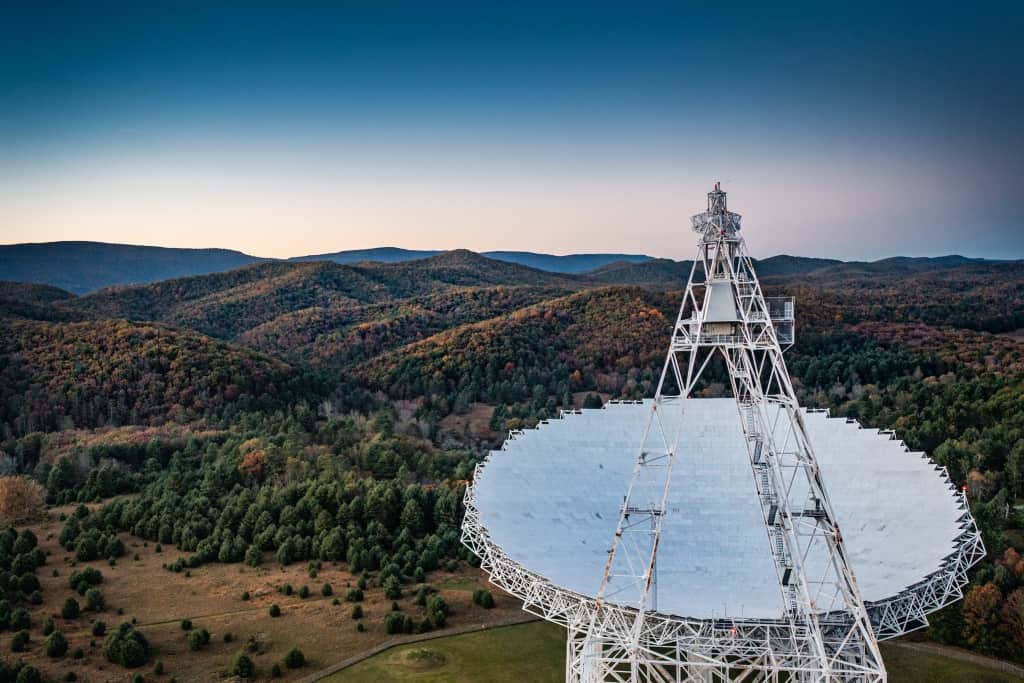
Green Bank Telescope

All articles tagged with #green bank telescope

Radio Telescope Tracks Artemis 2’s Moon Orbit With Unprecedented Precision
space7 days ago

Radio Telescope Tracks Artemis 2’s Moon Orbit With Unprecedented Precision

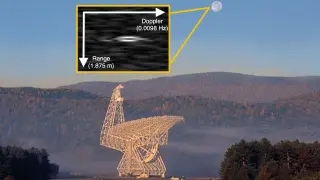
A Green Bank Telescope in West Virginia tracked NASA’s Artemis 2 spacecraft as it circled the Moon for five days, recording its position and velocity from more than 200,000 miles away with precision within about 0.2 millimeters per second of NASA projections, highlighting how radio astronomy enables ultra-precise, real-time space-tracking for future missions.

Giant Telescope Pinpoints Artemis 2’s Moon Loop in Unprecedented Detail
space9 days ago

Giant Telescope Pinpoints Artemis 2’s Moon Loop in Unprecedented Detail

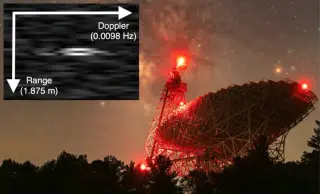
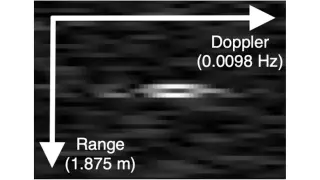
NSF's Green Bank Telescope tracked NASA's Artemis 2 Orion capsule around the Moon for five days from more than 213,000 miles away, delivering distance and Doppler measurements that matched NASA projections to about 0.2 millimeters per second and producing a pixelated image of the spacecraft with a scientist noting “there are four people in those pixels.” The observations illustrate how a giant radio telescope can assist future space missions and radar-related efforts, highlighting the Green Bank Telescope’s role as the largest moving structure on land.

Earth-based Telescope Spots Artemis II Crew in Pixelated Portrait
space12 days ago

Earth-based Telescope Spots Artemis II Crew in Pixelated Portrait

A distant, pixelated image of NASA's Artemis II Orion capsule Integrity was captured by the Green Bank Telescope in West Virginia, about 213,000 miles from Earth during the Moon flyby. The radio-wave image shows the crewed spacecraft as tiny pixels, with NRAO noting it contains the four astronauts aboard—Wiseman, Glover, Koch, and Hansen—while researchers highlighted the feat of tracking the capsule from Earth with extreme precision and its place as a potential record for the farthest humans have traveled from Earth within NASA's Artemis program.

Astronomers Reveal Hidden 200-Light-Year Structure and Gas Flows at Milky Way’s Core
science9 months ago

Astronomers Reveal Hidden 200-Light-Year Structure and Gas Flows at Milky Way’s Core

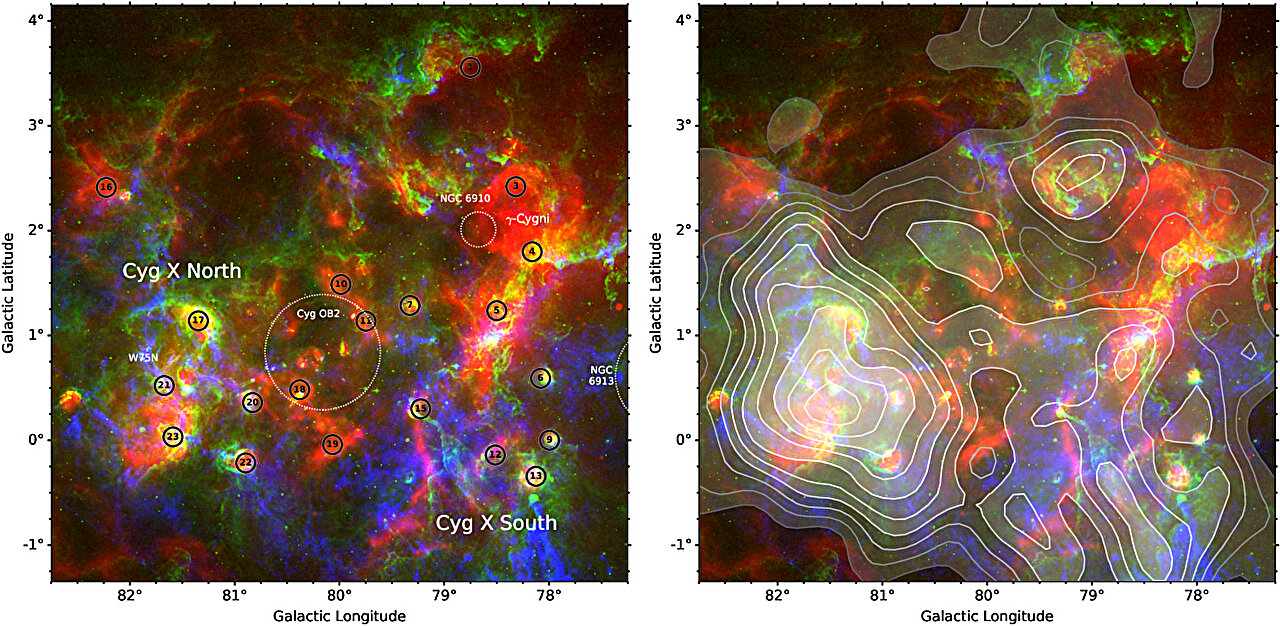
Scientists have discovered a massive 200-light-year-wide structure called the Midpoint Cloud within the Milky Way, using the Green Bank Telescope. This Giant Molecular Cloud contains dense gas and masers, providing new insights into star formation and galactic matter flow, especially in the galaxy's core and bar regions.

"Telescope Typo Uncovers Faintest Galaxy in Known Universe"
astronomy2 years ago

"Telescope Typo Uncovers Faintest Galaxy in Known Universe"

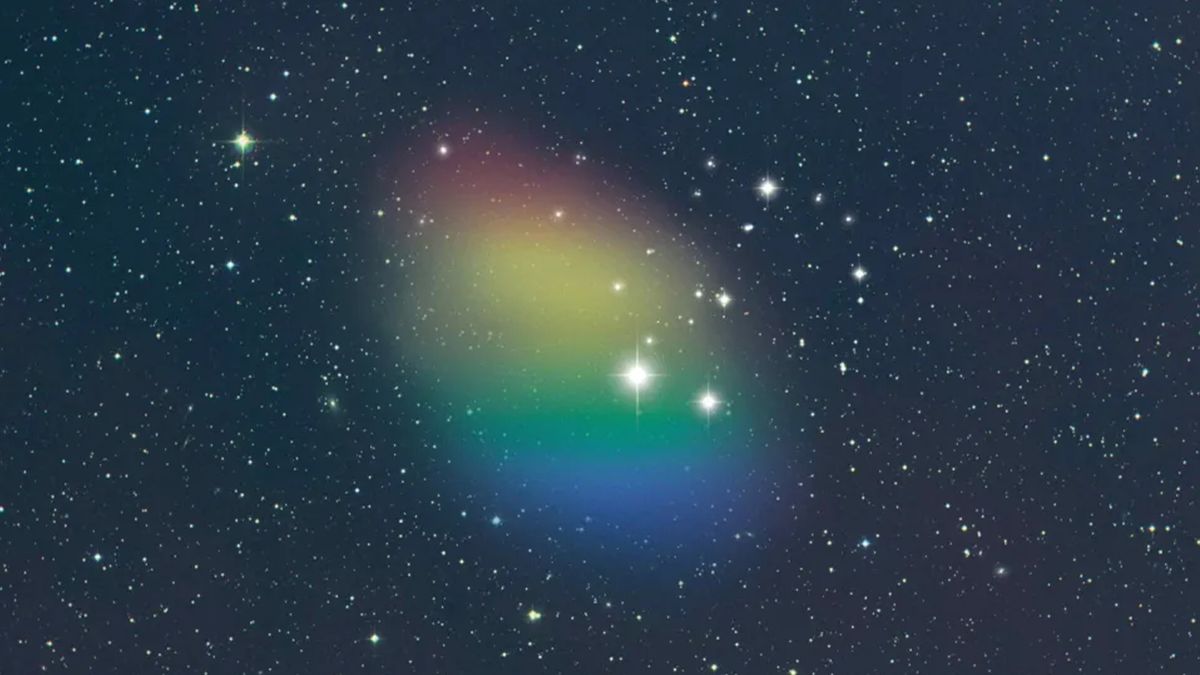
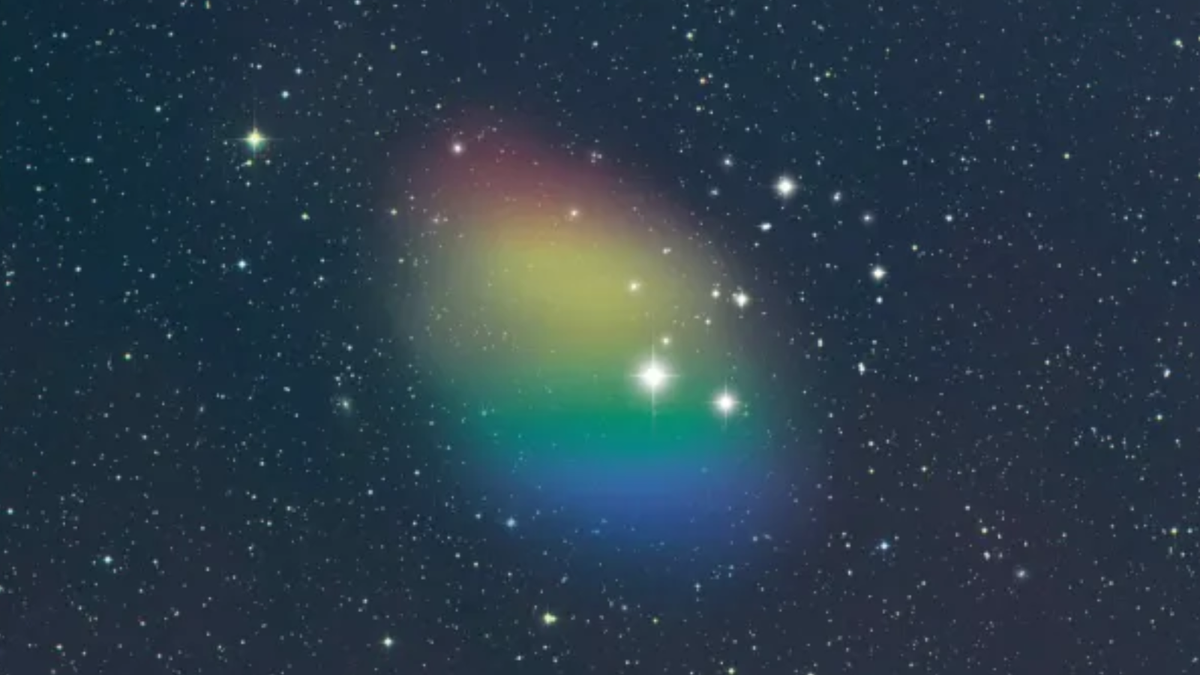
Scientists accidentally discovered a possibly faintest galaxy, J0613+52, after making a typo in telescope coordinates, leading to the observation of an isolated and unrecorded dark primordial galaxy made entirely of spread-out gas and devoid of visible stars. Estimated to be 260 million light-years away, the galaxy's lack of neighbors and diffuse gas make it particularly difficult to detect, and further observations are needed to determine its size, structure, and origins. The discovery could provide insights into star and galaxy formation in the universe.

"Astronomers Stumble Upon Starless Primordial Galaxy"
astronomy2 years ago

"Astronomers Stumble Upon Starless Primordial Galaxy"

Astronomers accidentally discovered a dark galaxy, J0613+52, filled with primordial gas and no visible stars, just 270 million light-years away. This unique galaxy, found during a survey of Low Surface Brightness galaxies, challenges current theories of star formation and galactic evolution. J0613+52 is rich in gas but lacks star formation, possibly due to its diffuse gas and isolation from other galaxies. Its properties suggest it may be the first nearby galaxy made up of primordial gas, presenting more questions than answers for astronomers. Further research using sensitive instruments like the Green Bank Telescope could uncover more of these ultra-dark galaxies.

The Accelerating Mystery of Fast Radio Bursts
astronomy2 years ago

The Accelerating Mystery of Fast Radio Bursts

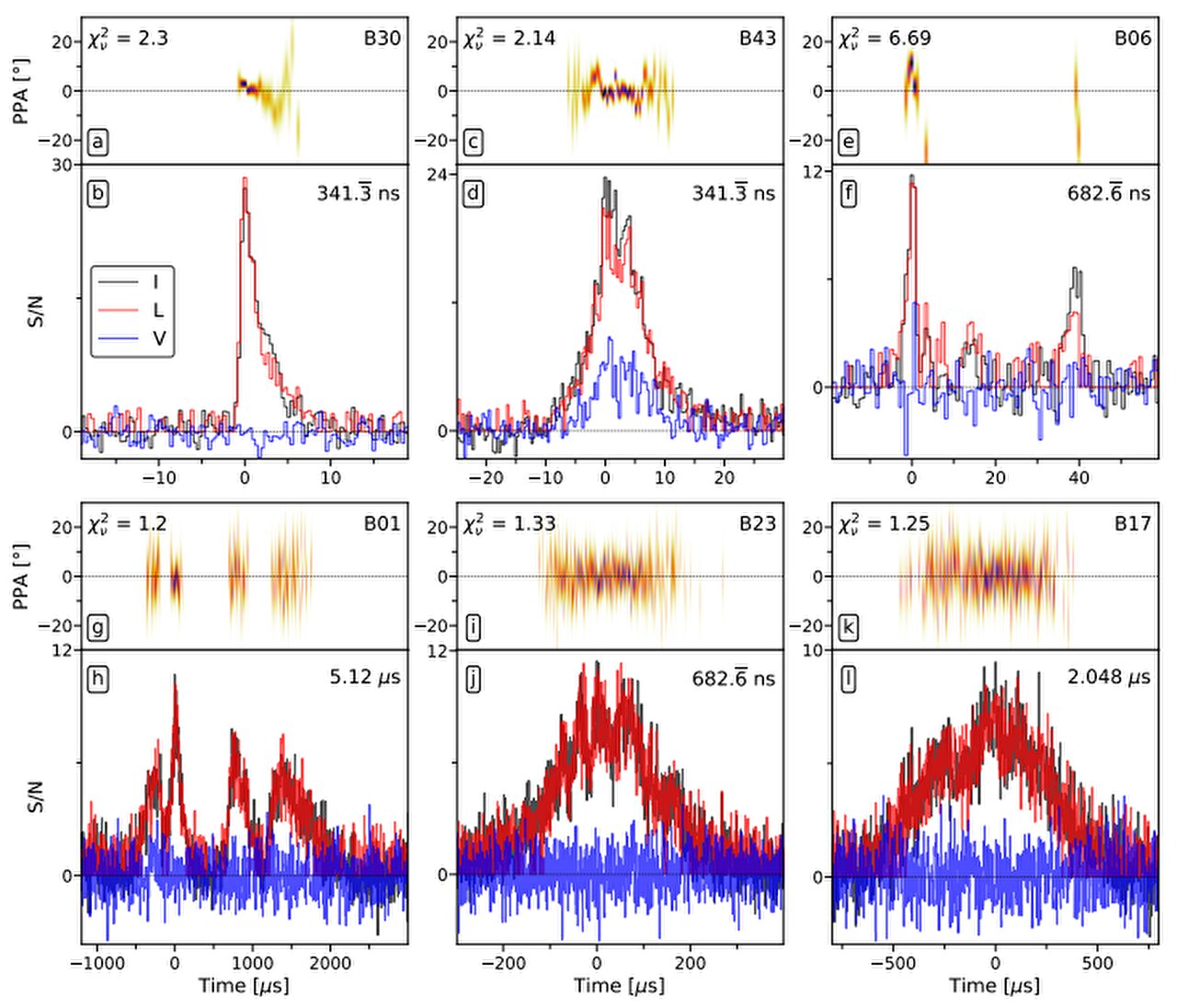
Scientists from the University of Amsterdam have detected a new type of fast radio burst (FRB) called ultra-fast radio bursts (UFRBs) that last less than 10 millionths of a second. Using data from the Green Bank Telescope, the researchers found 49 bursts, eight of which were categorized as UFRBs. These findings suggest that FRBs occur more frequently and with greater diversity than previously thought. The origin of FRBs is still unknown, but they are believed to come from massive objects like white dwarfs, black holes, neutron stars, or magnetars. Scientists hope to use FRBs to map the universe and enhance our understanding of cosmic phenomena.

Astronomers Uncover Record-Breaking Microsecond Fast Radio Bursts
astronomy2 years ago

Astronomers Uncover Record-Breaking Microsecond Fast Radio Bursts

Astronomers analyzing data from the Green Bank Telescope have discovered evidence of multiple microsecond-length fast radio bursts (FRBs). These extremely short bursts, lasting between 5 and 15 microseconds, were found to be nearly identical in nature to longer FRBs, supporting the leading theories about their origin. The findings suggest that there may be many more FRBs reaching Earth than previously suspected and provide insights into the environment from which they arise.

"Astronomers Unveil Record-Breaking Shortest Fast Radio Bursts in History"
astronomy2 years ago

"Astronomers Unveil Record-Breaking Shortest Fast Radio Bursts in History"

Astronomers have discovered the shortest fast radio bursts (FRBs) ever recorded, with one lasting only five microseconds, a thousand times shorter than typical FRBs. These bursts are believed to originate from a galaxy three billion light years away, but their exact nature remains unknown. The discovery suggests that the figure of 10,000 FRBs reaching Earth daily may need to be revised upwards, indicating that a significant fraction of FRBs may have been missed due to computational limitations. The findings also raise questions about the origin of FRB emissions and the impact of the surrounding environment on their time structure.

Green Bank Telescope finds new millisecond pulsar.
astronomy2 years ago

Green Bank Telescope finds new millisecond pulsar.

Astronomers have discovered a new binary millisecond pulsar, PSR J0212+5321, using the Green Bank Telescope. The pulsar belongs to the "redback" subclass and is located relatively nearby. It has a rotation period of about 2.11 milliseconds and is estimated to be located some 3,750 light years away. The collected data suggest that PSR J0212+5321 experiences wide-orbit eclipses, similar to other redbacks, as well as scintillation and dispersion measure delays caused by its interaction with its companion and surroundings. The study also found that the PSR J0212+5321 system has a mass ratio at a level of 0.247, and that it showcases a relatively high X-ray luminosity—one of the highest recorded among redbacks in the pulsar state.