Tag

Gulf Stream

All articles tagged with #gulf stream

Ancient Gulf Stream migration flags caution for a warming Atlantic
science2 months ago

Ancient Gulf Stream migration flags caution for a warming Atlantic

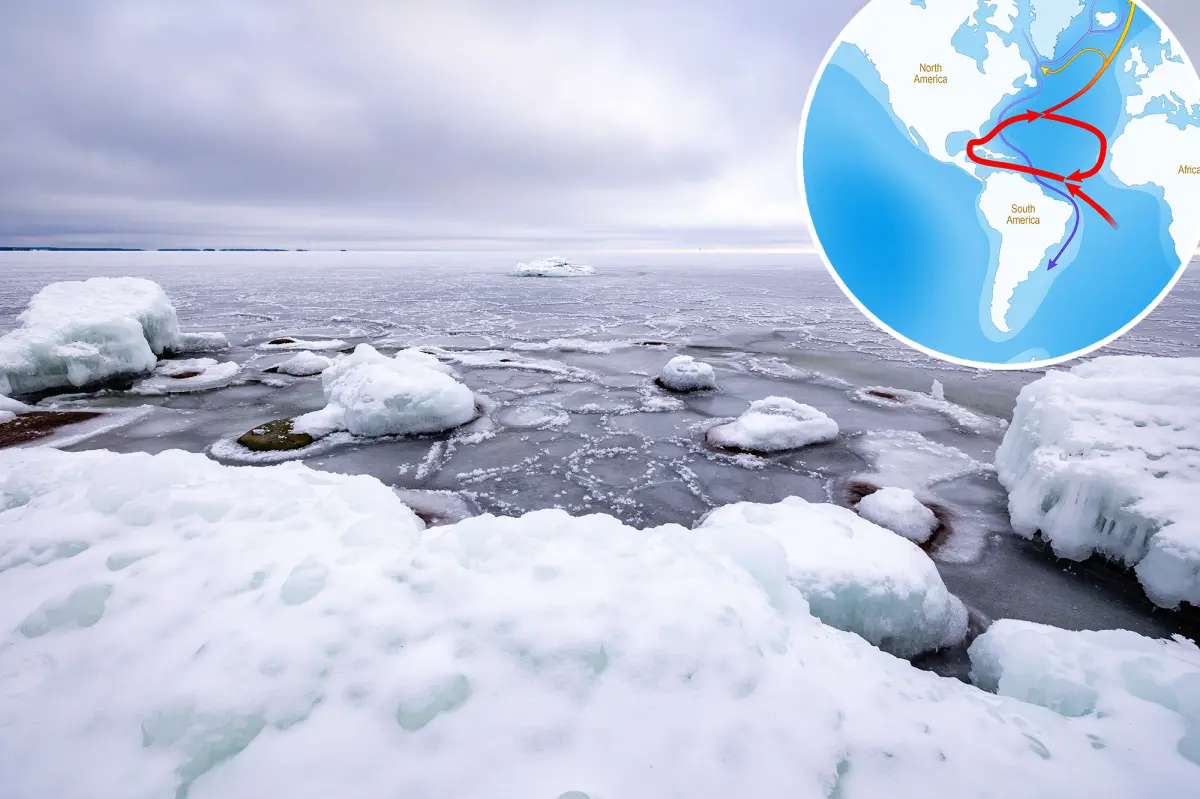
A sediment core off Nova Scotia shows the Gulf Stream migrated north during the Younger Dryas, warming Atlantic Canada by up to 4–5°C and triggering changes in deep water circulation. This offers direct geological evidence that major Atlantic circulation reorganizations can occur during abrupt climate shifts, supporting models that a weakened AMOC under modern warming could reshape global ocean temperatures and weather patterns in coming decades.

Cold Atlantic Patch Signals Gulf Stream Slowdown and East Coast Risks
science2 months ago

Cold Atlantic Patch Signals Gulf Stream Slowdown and East Coast Risks

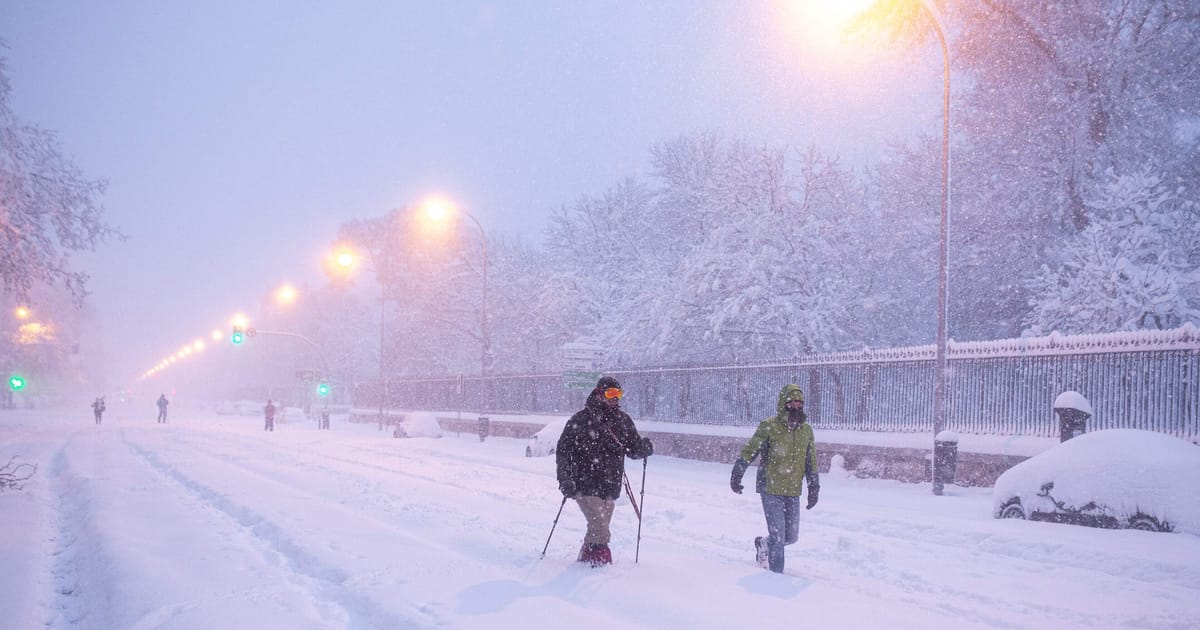
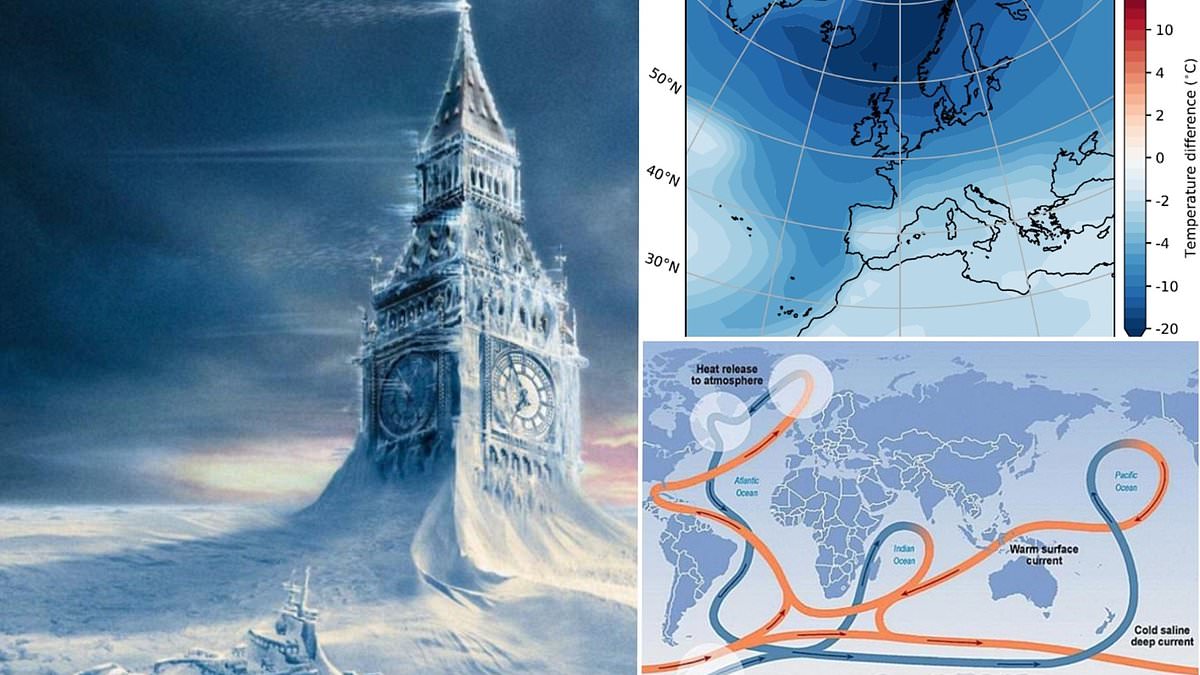
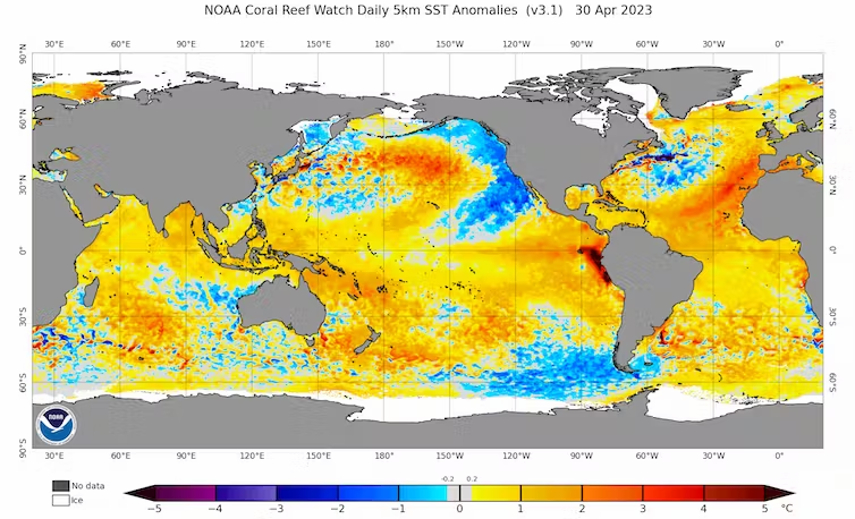
New study links the Atlantic's cooling 'cold blob' south of Greenland to a weakening Atlantic Meridional Overturning Circulation (AMOC), implying reduced heat transport and a sign of a climate tipping point. If AMOC collapses, Northern Hemisphere temperatures could drop dramatically (10–15°C in parts of the north), with heat and drought disruptions across Europe and rising sea levels along the US East Coast. Yet the exact rate of AMOC weakening is uncertain, and some researchers attribute the blob to surface heat loss rather than interior transport. The findings come as policy moves to remove deep-sea monitoring instruments could hamper tracking of this critical system.

AMOC tremors, solar wanderings, nano QR codes, and oil’s uncertain future
science5 months ago

AMOC tremors, solar wanderings, nano QR codes, and oil’s uncertain future

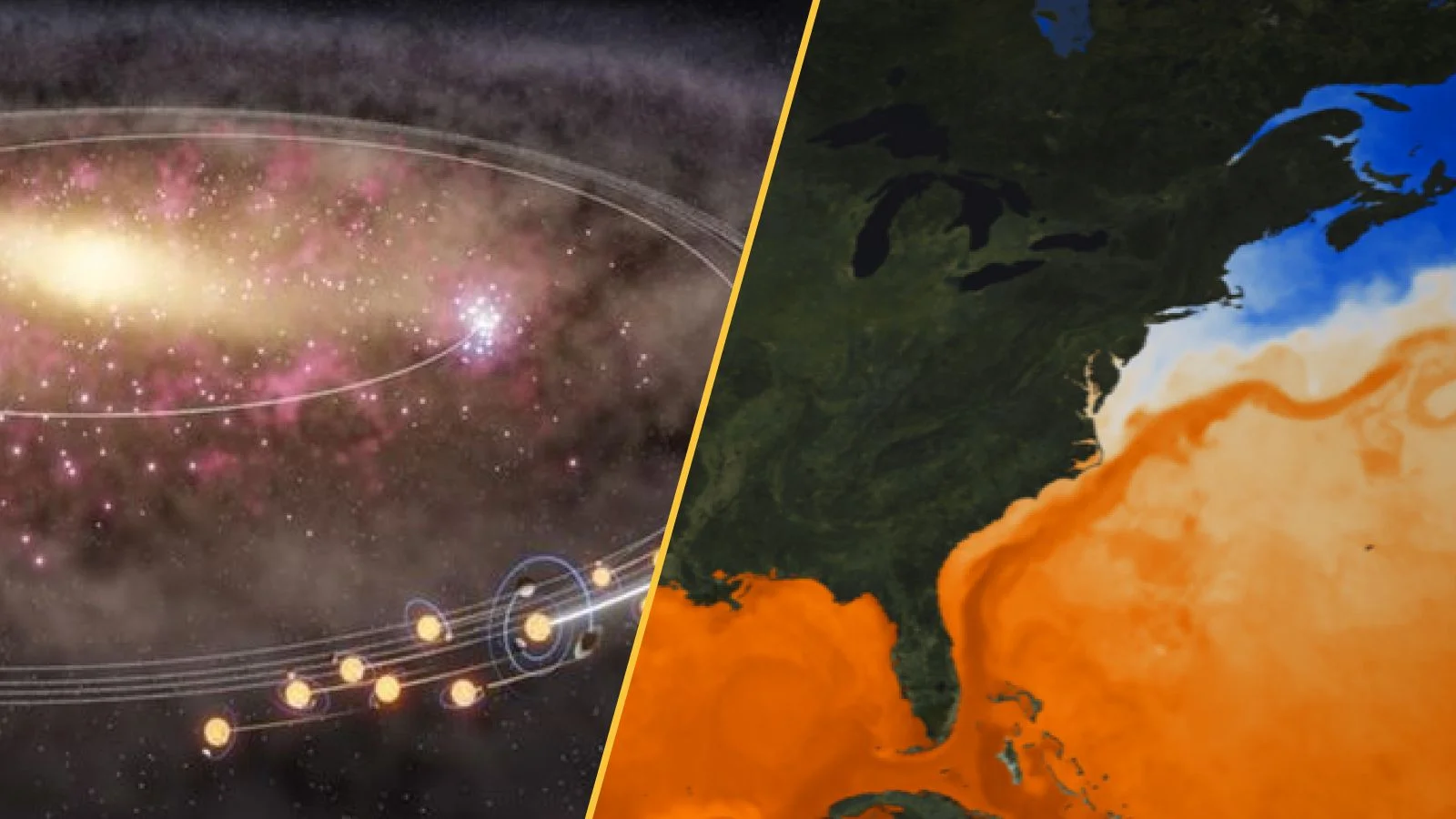
This week’s science roundup highlights a potential AMOC weakening signal linked to a northward shift of the Gulf Stream, a Gaia-based study suggesting the Sun migrated about 10,000 light-years through the Milky Way aiding Earth’s life, the creation of the world’s smallest QR code for long‑term data storage on ceramic film, and ongoing discussion of oil’s disruption and the path toward replacing fossil fuels.

"Study Warns of Devastating Climate Impacts as Atlantic Ocean Current Nears Collapse"
environment2 years ago

"Study Warns of Devastating Climate Impacts as Atlantic Ocean Current Nears Collapse"

A new study using the latest climate models suggests that if melting glaciers shut down the Atlantic Ocean's circulation, extreme climate changes could occur within decades. The study indicates that the circulation could fully shut down within a century of hitting the tipping point, leading to a significant drop in average temperatures in North America, parts of Asia, and Europe. The shutdown would result in dangerous cold in the North, with regions influenced by the Gulf Stream experiencing substantial temperature drops. The study also identifies a physics-based early warning signal for when the Atlantic Ocean circulation is nearing its tipping point, with potential severe impacts on society and ecosystems.

"Warning: Impending Collapse of Atlantic Ocean Current Threatens Catastrophic Climate Impacts"
climate-science2 years ago

"Warning: Impending Collapse of Atlantic Ocean Current Threatens Catastrophic Climate Impacts"

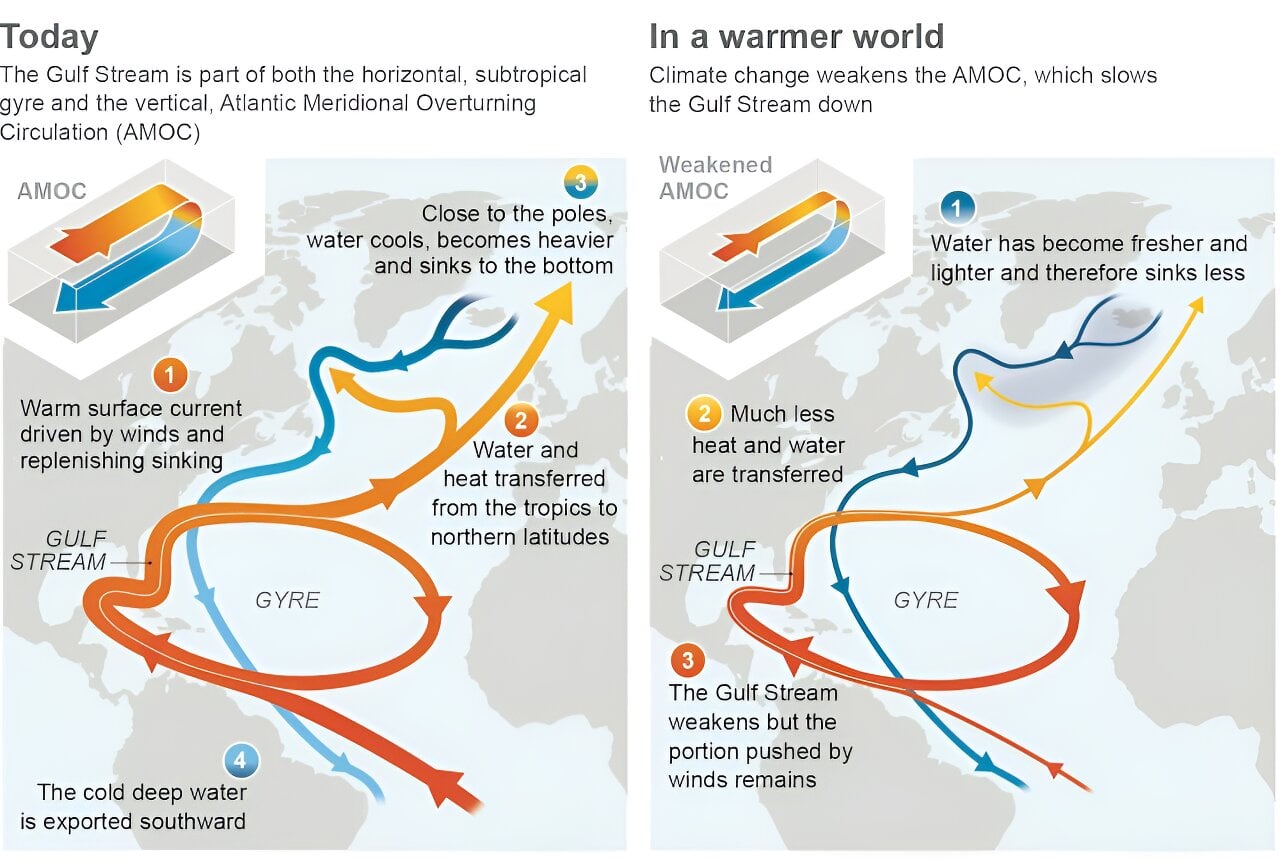
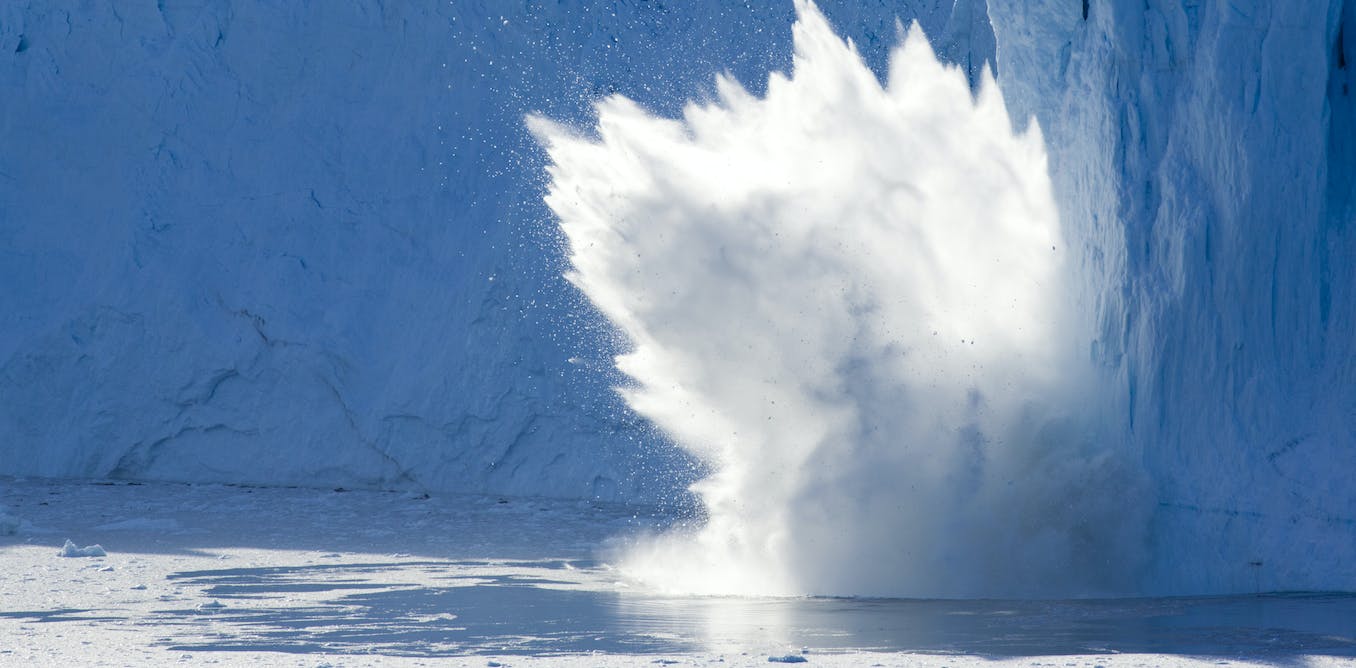
The Atlantic Ocean's circulation, crucial for carrying heat from the tropics to the northern latitudes, has observably slowed over the past two decades, possibly to its weakest state in almost a millennium. Studies suggest that the circulation has reached a dangerous tipping point in the past and could hit that point again as the planet warms and glaciers and ice sheets melt. Fresh water from melting glaciers and the Greenland ice sheet can dilute the saltiness of the water, preventing it from sinking and weakening the ocean conveyor belt, potentially leading to an abrupt shutdown of the circulation within a century. This could result in average temperature drops in North America, parts of Asia and Europe, and severe and cascading consequences around the world.

"Warning: Potential Collapse of Gulf Stream Threatens Catastrophic Climate Impacts"
climate-science2 years ago

"Warning: Potential Collapse of Gulf Stream Threatens Catastrophic Climate Impacts"

Scientists warn that the Gulf Stream, a crucial system of ocean currents that brings warmth to the northern hemisphere, could collapse as early as 2025 due to melting glaciers, leading to severe and cascading consequences worldwide. The collapse of the Atlantic Meridional Overturning Circulation (AMOC) could cause a temperature decrease of more than 5.4°F (3°C) per decade in parts of Europe, triggering abrupt climate shifts, plunging northwestern European temperatures, and disrupting global weather patterns. The collapse would extend Arctic ice further south, increase drought in the Sahel in Africa, and greatly affect food production in the UK.

"Study Warns of Devastating Impact as Atlantic Ocean Circulation Nears Tipping Point"
environment2 years ago

"Study Warns of Devastating Impact as Atlantic Ocean Circulation Nears Tipping Point"

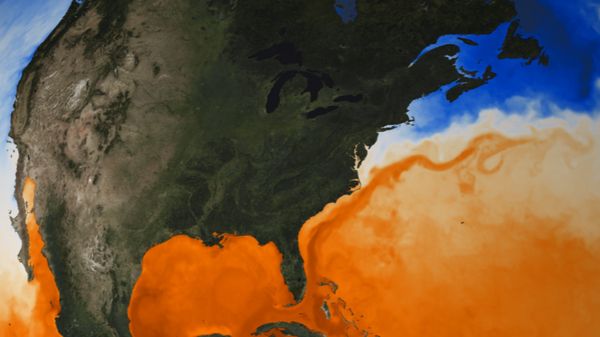
The Atlantic meridional overturning current (AMOC), also known as the Gulf Stream, is a crucial ocean current that transports heat from the Equator north along the East Coast of America and then down the west coast of Europe. Recent research suggests that the AMOC is slowing and could potentially stop flowing in the next few decades, leading to dramatic climate changes such as cooling in Europe, rising sea levels along North America's east coast, and erratic temperature fluctuations worldwide. The potential collapse of the AMOC is attributed to global warming and the increase in meltwater from the Greenland and Arctic ice sheets. This highlights the urgent need to address climate change and reduce reliance on fossil fuels to mitigate the potential catastrophic consequences.

"Scientists Warn of Impending Collapse of Atlantic Ocean Current System"
environment2 years ago

"Scientists Warn of Impending Collapse of Atlantic Ocean Current System"

A new study using the latest climate models suggests that the Atlantic Ocean's circulation is headed for a tipping point due to melting glaciers and ice sheets, which could lead to extreme climate changes within decades. If the circulation shuts down, average temperatures would drop by several degrees in North America, parts of Asia and Europe, with severe and cascading consequences around the world. The study also identified a physics-based early warning signal for when the tipping point is nearing, and the impacts of such a collapse would be significant, affecting temperature, sea level, and precipitation patterns.

Impending Global Ramifications as Gulf Stream Weakens and Approaches Shore
science-and-astronomy2 years ago

Impending Global Ramifications as Gulf Stream Weakens and Approaches Shore

A new study confirms that the Gulf Stream, a crucial ocean current that transports heat and regulates sea levels, is weakening. Over the past four decades, the flow of warm water through the Florida Straits has slowed by 4%, with potential grave implications for global climate. The Gulf Stream is part of the thermohaline circulation, a global conveyor belt of ocean currents that helps control sea levels and hurricane activity. As Earth's climate warms, the influx of cold, fresh water from melting ice sheets could further disrupt the Gulf Stream. Scientists will need to differentiate between natural variability and the impact of global heating to definitively prove climate change's role in the weakening of the current.

The Encroaching Gulf Stream: A Warming Threat to Coastal Areas
climate-change2 years ago

The Encroaching Gulf Stream: A Warming Threat to Coastal Areas

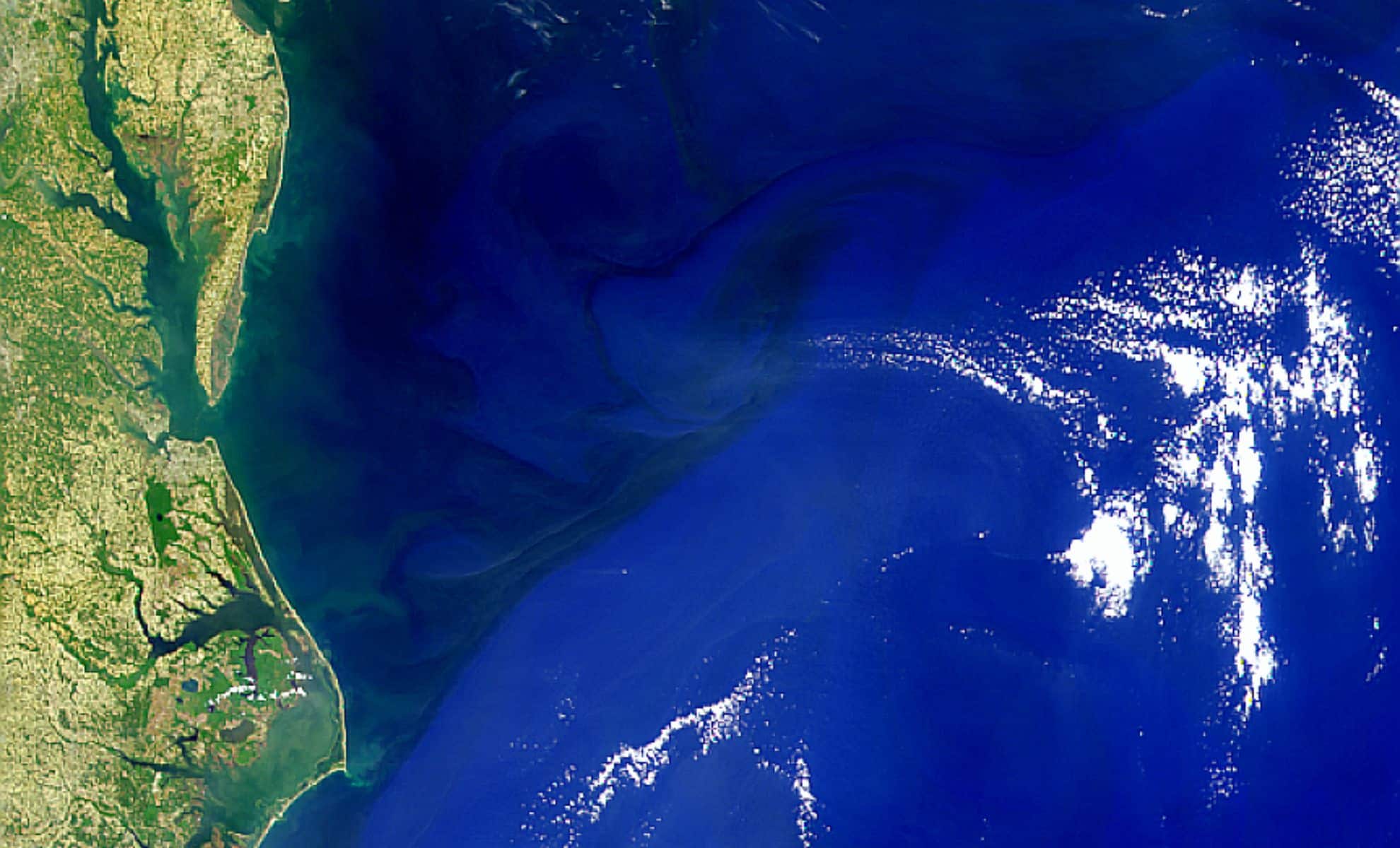
The Gulf Stream, a tropical ocean current, has warmed faster than the global oceans and moved closer to the U.S. eastern continental shelf over the past 20 years, increasing the risk of sudden impacts on coastal fisheries, according to a study by the Woods Hole Oceanographic Institution. Warm-water breakaways from the Gulf Stream can temporarily increase temperatures in the Gulf of Maine, affecting marine wildlife. The balance between the Labrador Current and the Gulf Stream is shifting, with the Gulf Stream becoming warmer and wider. The warming trend in the Gulf of Maine is four times faster than the global oceans, with significant consequences for the region's ecosystems and communities.