Tag

Gut Motility

All articles tagged with #gut motility

Prodynorphin-Expressing Gut Neurons May Drive Colonic Movement and Pain
science2 hours ago

Prodynorphin-Expressing Gut Neurons May Drive Colonic Movement and Pain

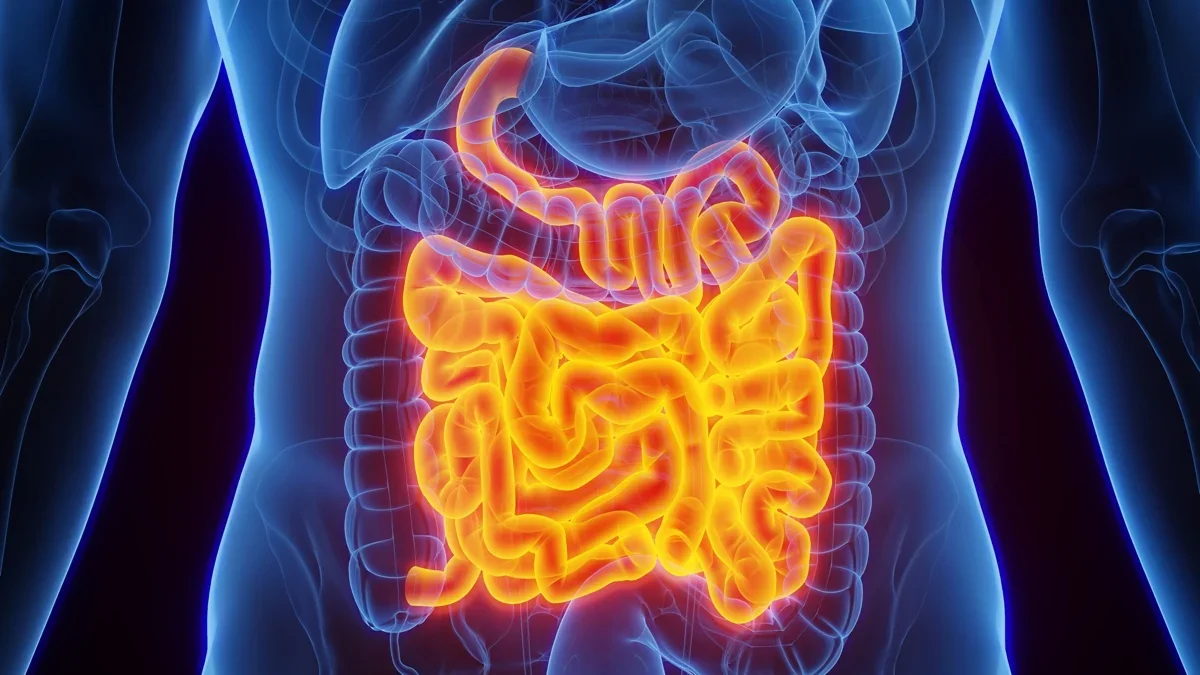
Researchers identified prodynorphin-expressing sensory neurons in the colon's enteric nervous system that, when activated in isolated colon tissue, push fecal pellets forward, and when stimulated in living mice trigger pain-like behaviors without changing stool output. This suggests these neurons may help coordinate gut movement and internal sensing, potentially reacting to inflammation, and could relate to constipation or irritable bowel syndrome, though the findings are preclinical (bioRxiv) and not yet confirmed in humans or peer-reviewed.
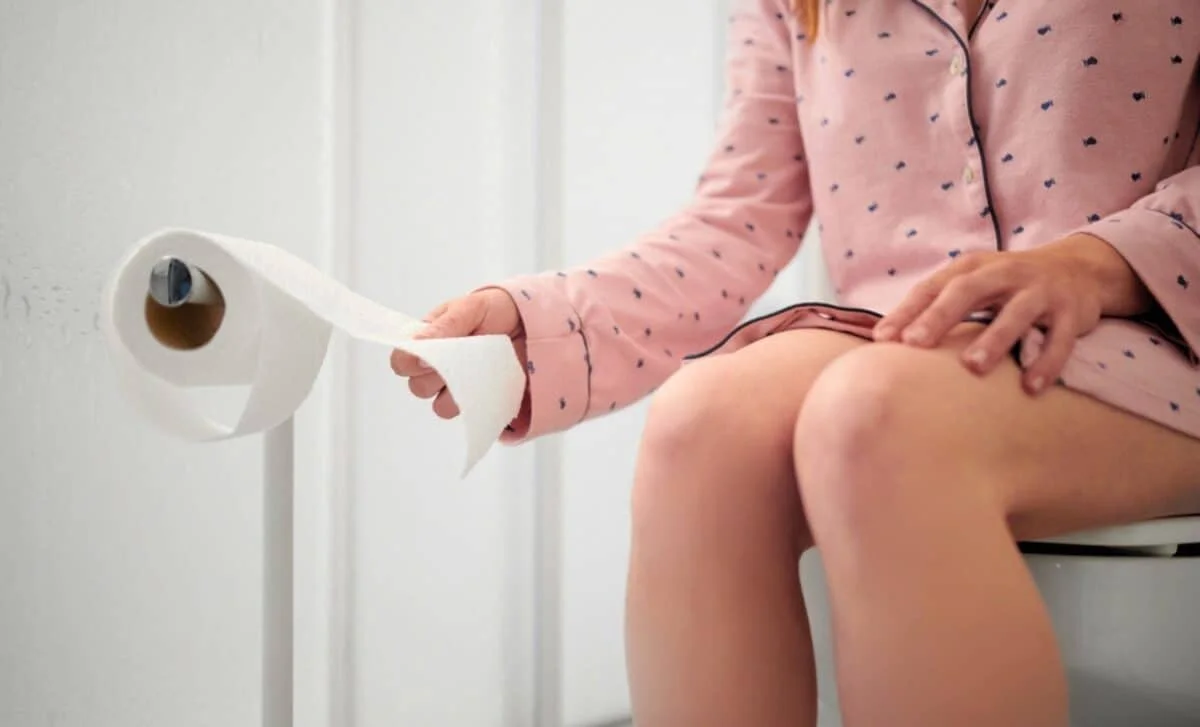
The Aging Gut: Why Digestive Woes Worsen as We Get Older
health1 month ago

The Aging Gut: Why Digestive Woes Worsen as We Get Older

As we age, the GI tract’s nerves and muscles can slow and coordinate less effectively, leading to reflux, slower gastric emptying, and changes in bowel habits. A thinner stomach lining, reduced protective prostaglandins, and dry mouth from medications raise risks of gastritis and ulcers, while slower small-bowel movement can cause bloating or diarrhea and slower colon motility can lead to constipation or diverticulosis. Chronic conditions and NSAID use can worsen symptoms, but practical steps—chewing well, staying hydrated, eating more plant-based fiber, moving after meals, prioritizing sleep, and consulting a doctor about medications or new red-flag symptoms—can help manage digestion as you age.

Your Colon Has Its Own Clock, Explaining Morning Urges
health2 months ago

Your Colon Has Its Own Clock, Explaining Morning Urges

Scientists found clock genes in the colon’s nerve tissue that regulate bowel movements on a daily rhythm, with nitric oxide acting as a braking signal that loosens as wake time approaches. The resulting surge in colonic activity occurs after waking and after meals due to the gastrocolic reflex, cortisol, and meal-triggered signals. Disrupting this rhythm with shift work or travel is linked to IBS-like symptoms, while practical guidance—consistent wake time, morning light, a short post-breakfast toilet routine, fiber, water, and light activity—helps the colon finish the job.

Thiamine Metabolism May Influence How Often You Poop
health6 months ago

Thiamine Metabolism May Influence How Often You Poop

Genetic analyses of over 260,000 people and UK Biobank data link vitamin B1 (thiamine) metabolism to gut motility and stool frequency, suggesting thiamine intake could affect constipation or diarrhea in some individuals. The findings identify two gene variants influencing thiamine activation/transport and point to specific biological pathways for future lab and clinical studies, with potential for personalized nutrition approaches in managing gut-motility disorders.

"Boost Your Mood with a Quick 'Fart Walk' at the End of Your Day"
health-and-wellness2 years ago

"Boost Your Mood with a Quick 'Fart Walk' at the End of Your Day"

A TikTok creator introduced the concept of a "fart walk," a post-dinner stroll aimed at aiding digestion and reducing bloating by promoting gut motility. Gastroenterologists support the idea, noting that post-meal activity can speed stomach emptying and colon transit, reducing bloating and potentially helping with heartburn. Additionally, any type of exercise, including a walk after eating, can help stabilize blood sugar levels, potentially lowering the risk of developing type 2 diabetes.