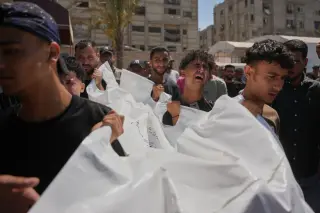
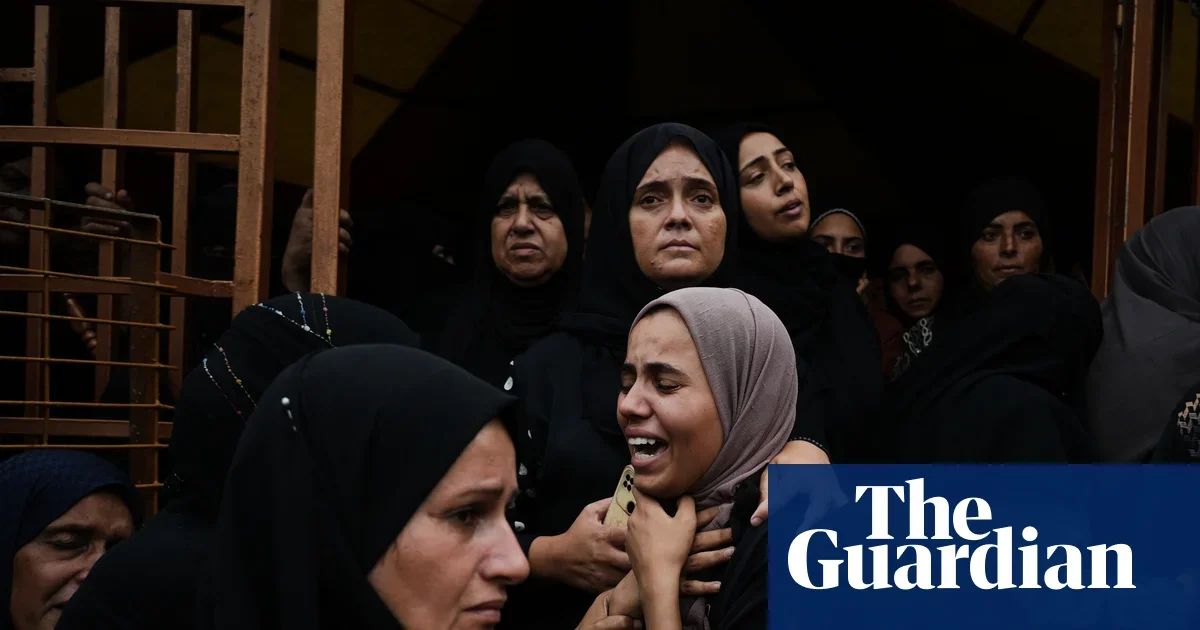
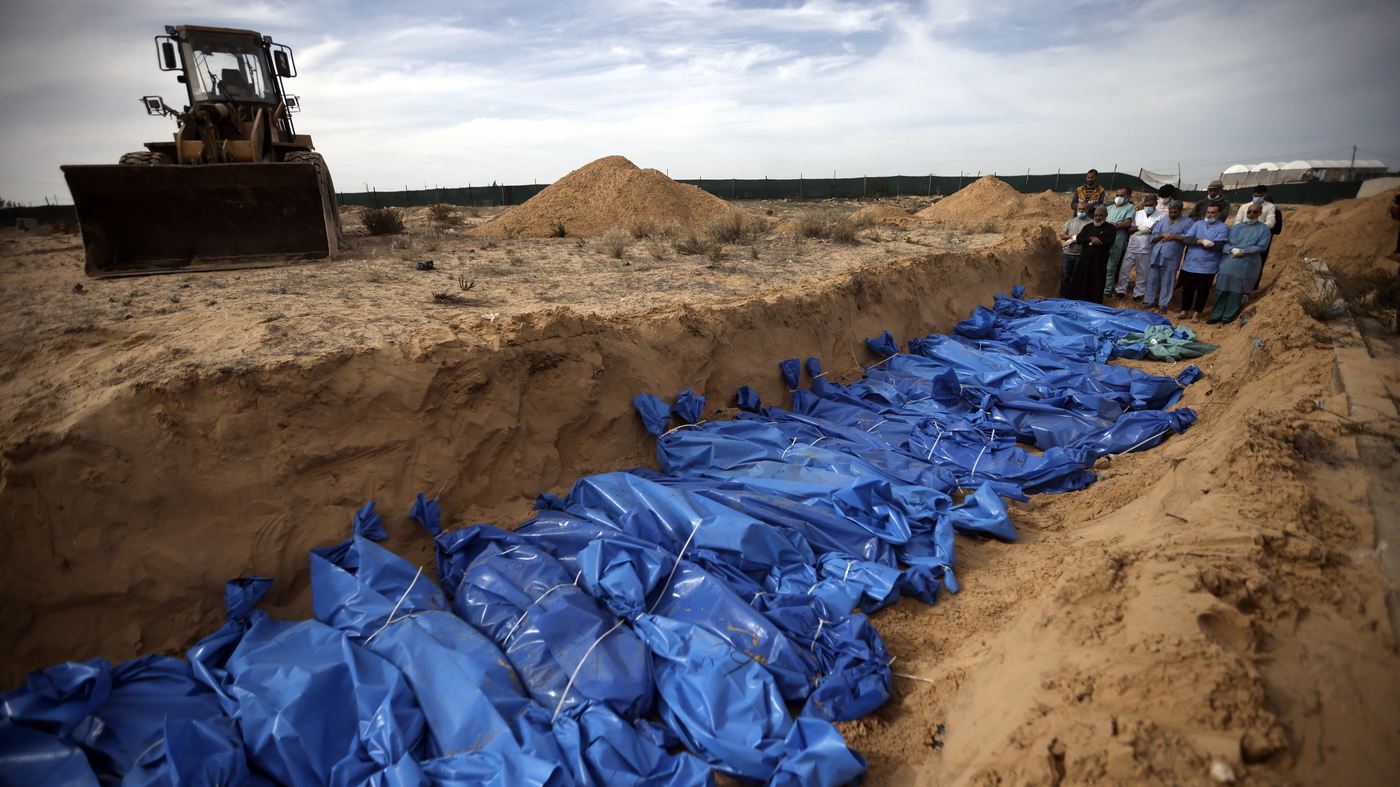
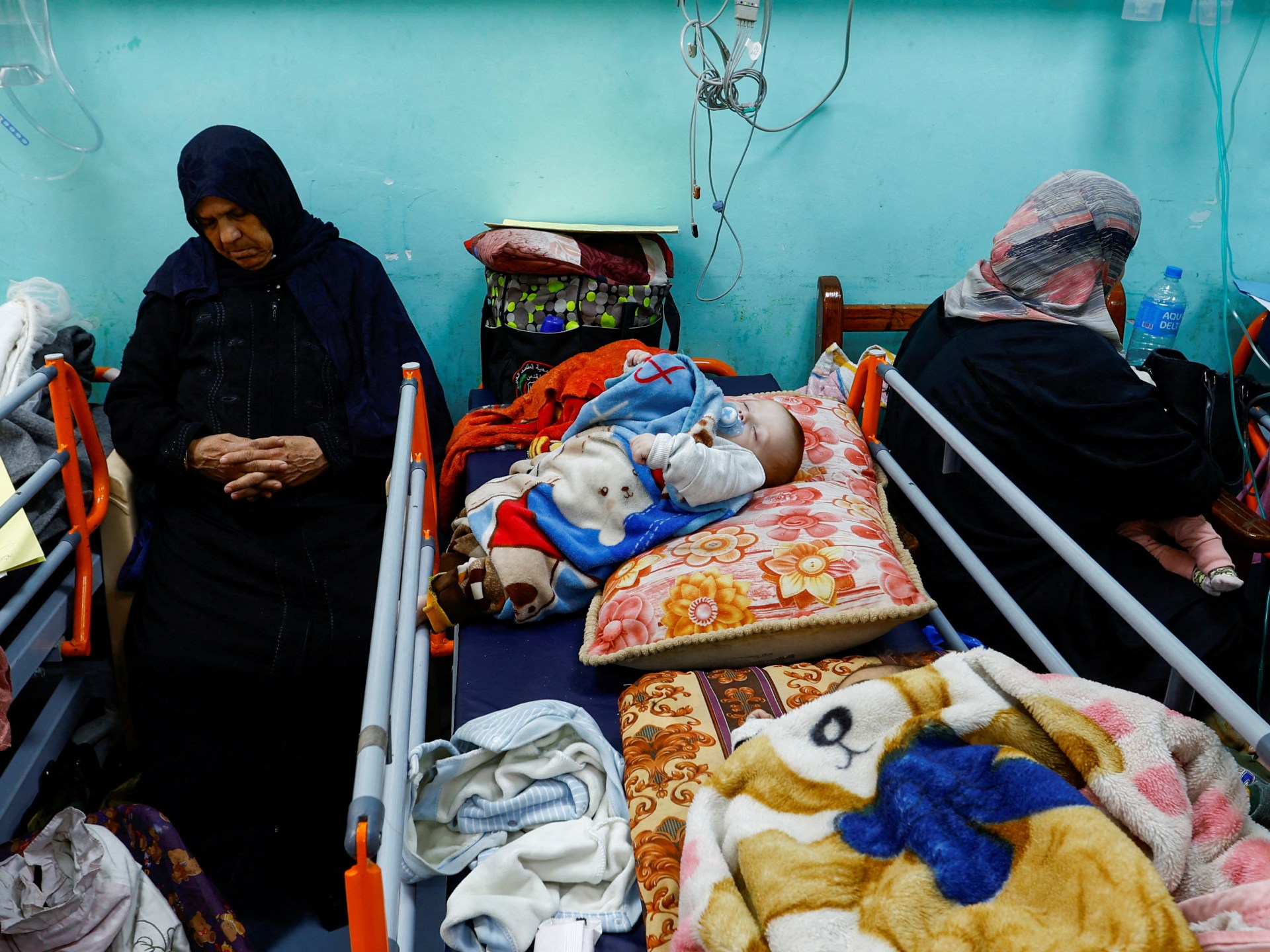
Eight people, including two children, were killed in Israeli strikes on Gaza, according to Gaza’s Health Ministry. The broader conflict has driven the Palestinian death toll to well over 73,000, with ongoing violence in the West Bank also reported.
Israel’s Health Ministry is monitoring a suspected Ebola case after a traveler who recently returned from the Democratic Republic of Congo developed fever and headache. The potentially infected individual has been moved to Rambam Health Care Campus for isolation while initial tests are conducted (results expected within 24 hours, with a final result in about 48 hours) and contacts are being traced. The ministry stresses there are no confirmed cases yet and reiterates travel warnings and guidelines for travelers from active Ebola areas. Public action is only required if contacted by health authorities.
Spain's Health Ministry confirms a new hantavirus case in a close contact connected to the MV Hondius outbreak, the second Spaniard to test positive. The patient is in Gómez Ulla Hospital under high-level isolation, as 14 Spaniards aboard the ship remain in quarantine in Madrid. Health authorities say the risk to the general population remains low while investigations continue and the vessel's operator coordinates cleaning and the ship's safe return to service.
Prof Sayedur Rahman, former aide to the interim government’s health ministry, rejects UNICEF’s claim that it warned of a measles vaccine shortage, saying there was no discussion of shortages in 2025 and that vaccine coverage data through December showed no shortfall; he adds that decisions on campaigns are made by the Inter-Agency Coordination Committee with UNICEF and WHO, and UNICEF communications did not warn of a measles outbreak.
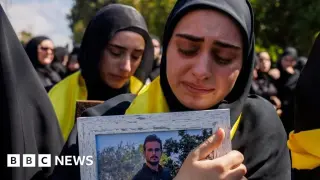
Lebanon's health ministry says the death toll from Israeli strikes linked to the Hezbollah conflict has reached 3,020, with more than 400 deaths since the ceasefire began on April 17, as a 45-day truce extension holds and clashes continue in southern Lebanon and the Bekaa Valley ahead of June negotiations.
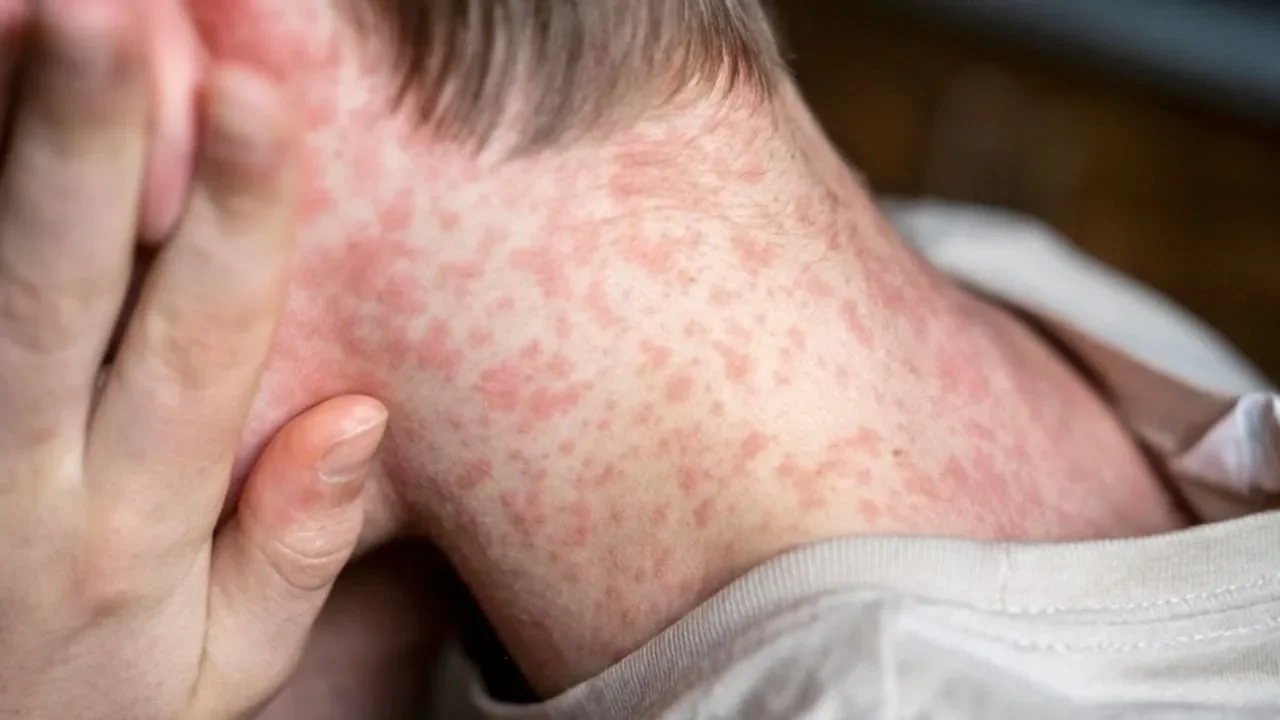
Following the death of a 17-year-old unvaccinated boy amid Israel’s measles outbreak, the Health Ministry urges vaccination and cautions unvaccinated individuals and parents of infants who have received one dose to avoid large gatherings in outbreak areas. The outbreak has caused 17 deaths since April 2025, most among unvaccinated children and infants and is largely concentrated in ultra-Orthodox communities. The ministry reiterates the vaccination schedule (one and six years old) with a second dose at 1.5 years in high-risk areas and recommends extra vaccines for traveling infants.
A Lancet Global Health study based on a representative survey of 2,000 Gaza families estimates more than 75,000 people were killed in the first 16 months of the Gaza war—about 25,000 more than Gaza’s health ministry reported at the time—with 42,200 of those deaths among women, children and the elderly. The research suggests 3-4% of Gaza’s population was killed violently and notes a substantial number of indirect deaths from the conflict, while stressing that official tallies may be undercounts and that full accounting will take time and significant resources.
A nine-year-old unvaccinated child died of measles in Israel, the 15th death linked to an ongoing outbreak; the Health Ministry stresses that vaccines are safe and effective, urges routine vaccination for children ages 1–6, and notes dose recommendations in outbreak areas as well as precautions for the unvaccinated and their families.
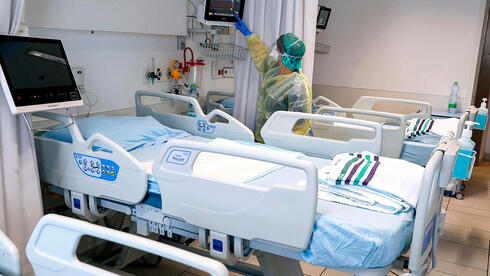
Israel is experiencing a new wave of COVID-19 cases, leading to a critical shortage of the antiviral drug Remdesivir, which is essential for treating severe cases. Hospitals report an increase in hospitalizations and criticize the Health Ministry's procurement policies. The ministry has announced that new supplies of the drug are expected to arrive soon.
Trinidad and Tobago has reported its first dengue-related death in five years, prompting the Health Ministry to intensify mosquito eradication and public education efforts. The deceased was from South Trinidad, and the ministry has been conducting spraying and source reduction campaigns to prevent further cases. Dengue, a viral infection spread by mosquitoes, can cause severe symptoms and be fatal in some cases.
Cuba's health ministry has reported cases of the Oropouche virus in Santiago province, with patients showing improvement within days. The Pan American Health Organization has noted rising cases in the Americas, urging enhanced surveillance. The virus, spread by biting midges and mosquitoes, presents symptoms similar to dengue.
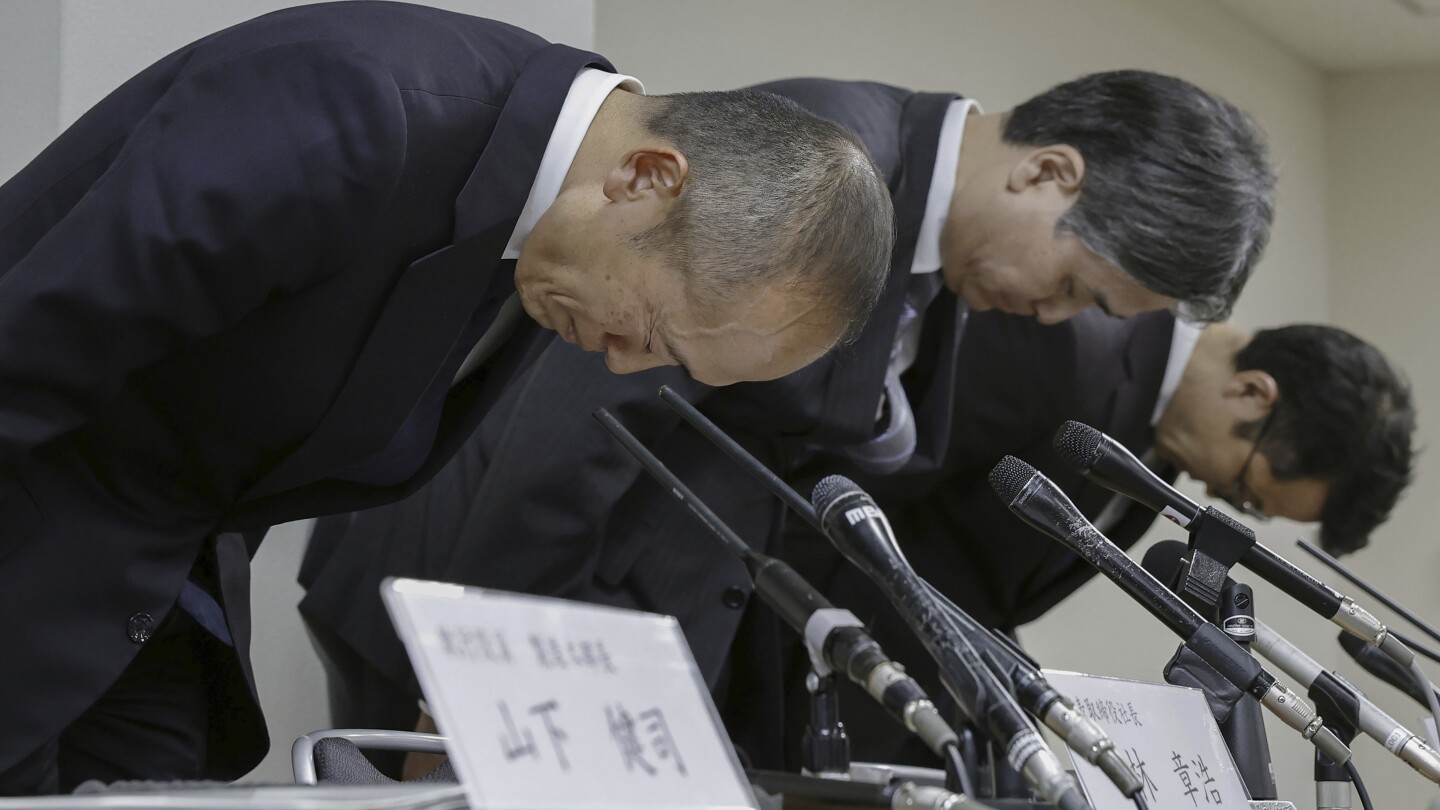
A Japanese health supplement containing an ingredient called "benikoji" has been recalled after causing two deaths and sickening over 100 people. The products, including those from Kobayashi Pharmaceutical Co., were marketed to lower cholesterol and were available without a prescription. The government health ministry has ordered the removal of these products from store shelves and warned of potential additional victims, urging people to stop ingesting anything with benikoji. The company is investigating the cause of the issue and has issued an apology, while the ministry has listed all recalled products on its official site.
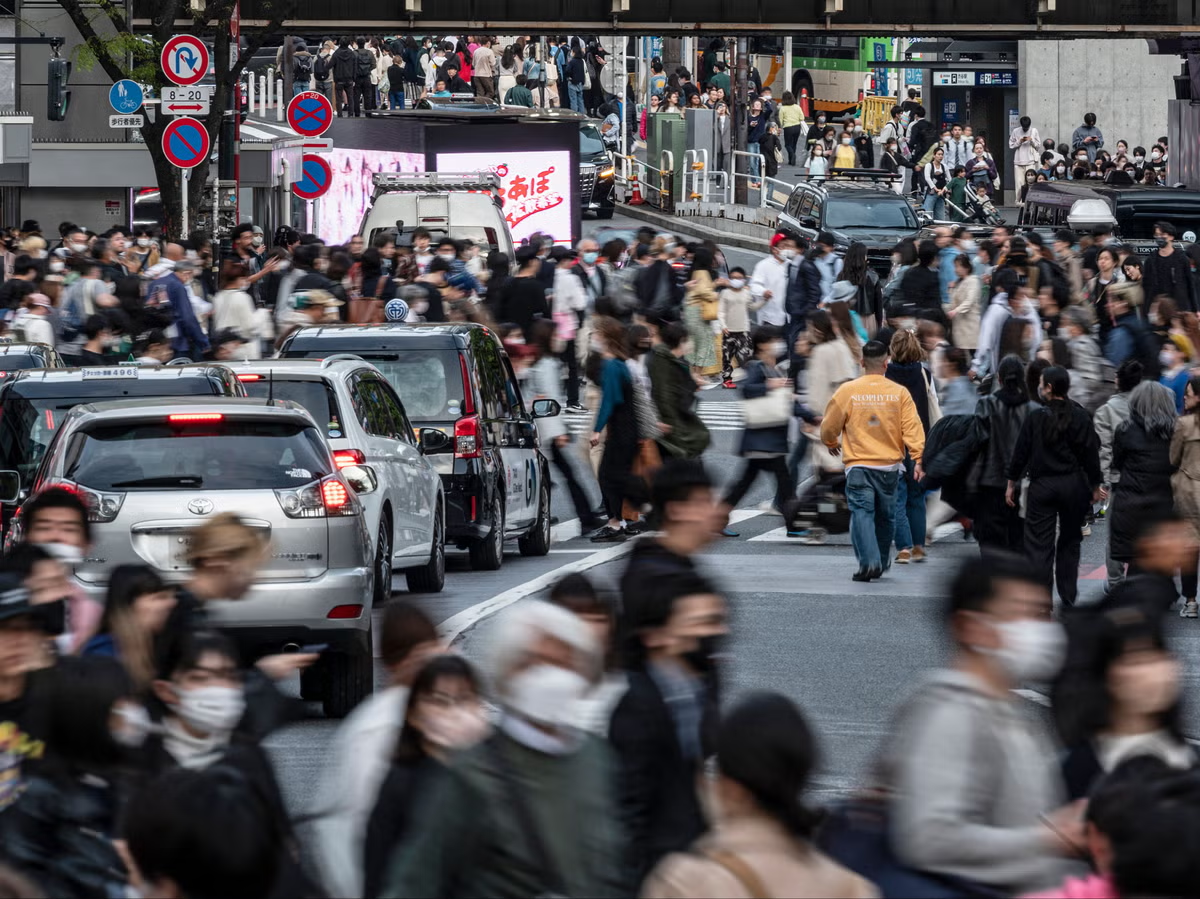
Japan has seen a significant increase in potentially fatal strep infections, with cases of streptococcal toxic shock syndrome (STSS) tripling in Tokyo and quadrupling across the country over the past five years. The surge in cases has even impacted international events, with the North Korean soccer team canceling a World Cup qualifier match in Japan due to the outbreak. Health authorities are concerned about the spike in severe invasive streptococcal infections and are working to understand the underlying mechanisms and control the spread, particularly in the context of potential impacts from the Covid-19 pandemic.
Gaza's health ministry reported a death toll of over 30,000 in the ongoing conflict, but the count is incomplete due to the overwhelming scale of devastation. The system for counting the dead is struggling to keep an accurate tally, with thousands unaccounted for, either missing under the rubble or buried hastily. The health ministry's figures rely on hospital data and public sources, but communication blackouts and attacks on hospitals have disrupted the process. Thousands missing beneath the rubble are not included in the official count, highlighting the challenges in accurately documenting the human cost of the conflict.
Six children have died from dehydration and malnutrition in northern Gaza hospitals, with the Health Ministry urging international intervention to avert a humanitarian catastrophe as Israel's attacks continue. Fuel shortages have caused hospitals to go out of service, exacerbating the health crisis, while aid deliveries have been delayed, pushing a quarter of the population to the brink of famine. Qatar and France have called for the opening of all crossings into Gaza to allow for humanitarian aid, while medical groups struggle to serve displaced people living in dire conditions.