Tag

Health Technology

All articles tagged with #health technology

AI-Guided Mood Plan Yields 55% Depression Remission in Trial
health-technology5 days ago

AI-Guided Mood Plan Yields 55% Depression Remission in Trial

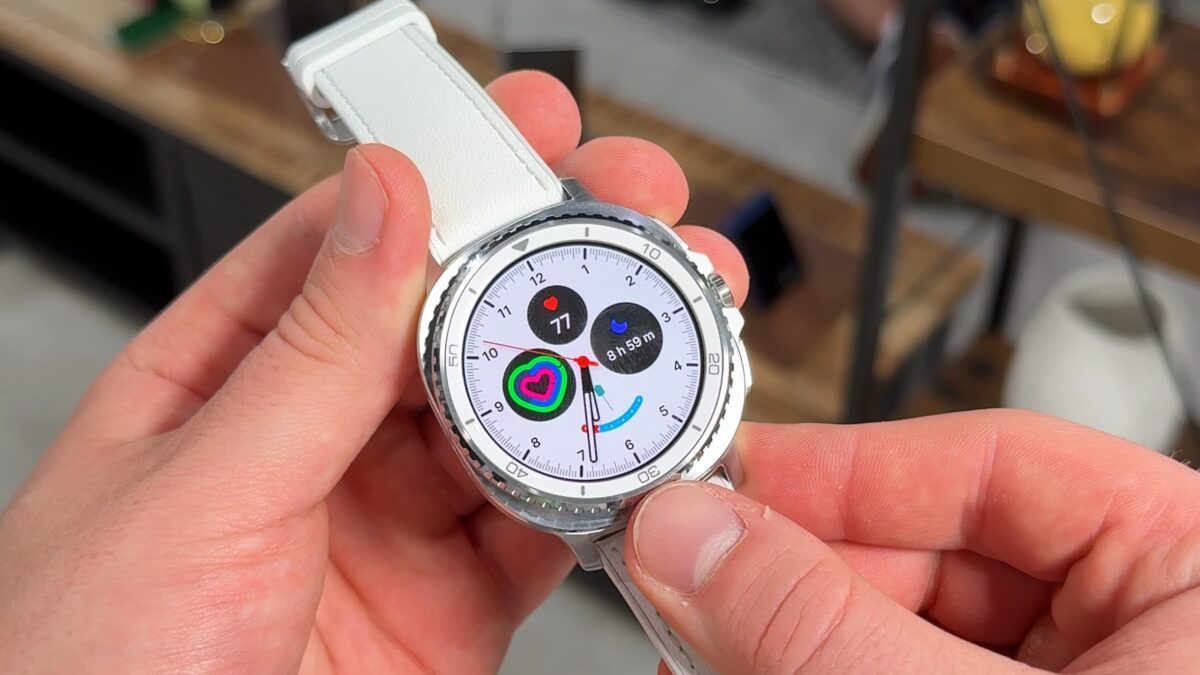
UC San Diego researchers used two weeks of smartwatch data and EMA mood logs to train a personalized machine‑learning model that identifies each participant’s top mood drivers and pairs them with tailored, remote coaching to create an individualized Mood Augmentation Plan (iMAP). Over six weeks, 55% of participants showed depression remission on PHQ-9, anxiety decreased 36%, and benefits persisted for three months post-intervention, suggesting a scalable, data‑driven approach to personalized depression care.

Revolutionary Blood Glucose Monitoring Tech Nears Launch
health-technology4 months ago

Revolutionary Blood Glucose Monitoring Tech Nears Launch

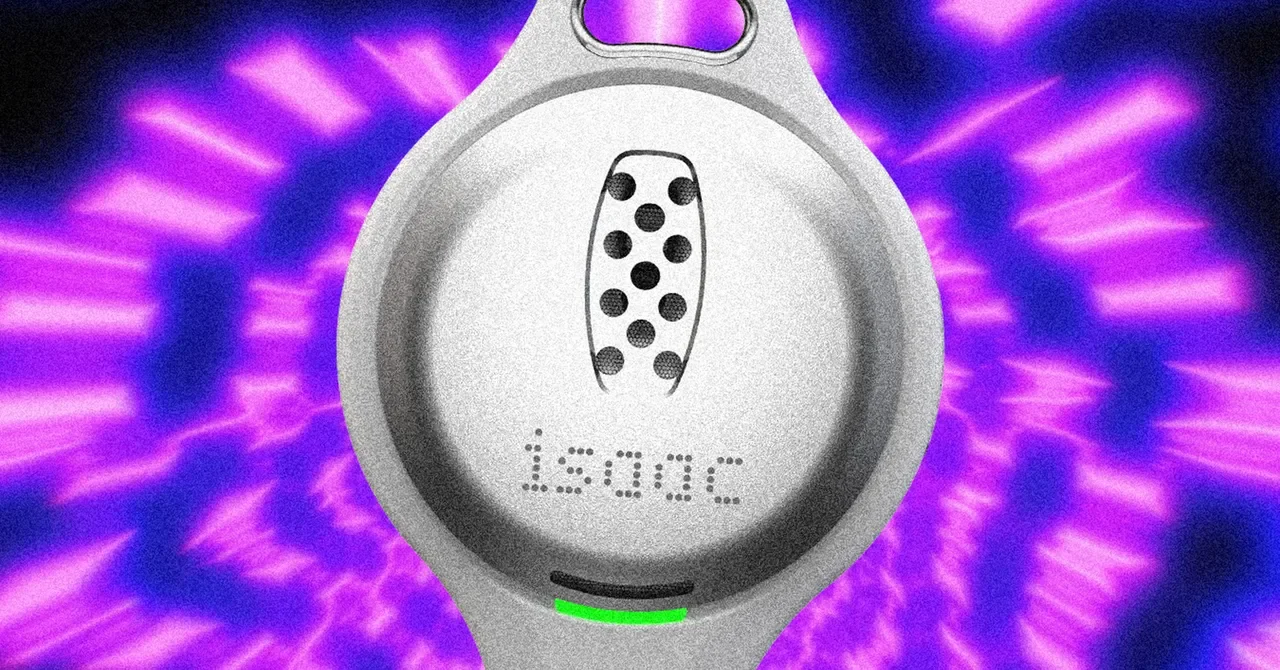
The article discusses the innovative PreEvnt Isaac device showcased at CES 2026, which noninvasively detects blood glucose levels by analyzing breath biomarkers, offering a significant improvement for diabetics and others needing continuous glucose monitoring. Currently in clinical trials and seeking FDA approval, the device aims to enhance quality of life by eliminating the need for finger pricks, especially for children and the elderly.

AI App Assists Patients in Remembering Appointments
healthcare7 months ago

AI App Assists Patients in Remembering Appointments

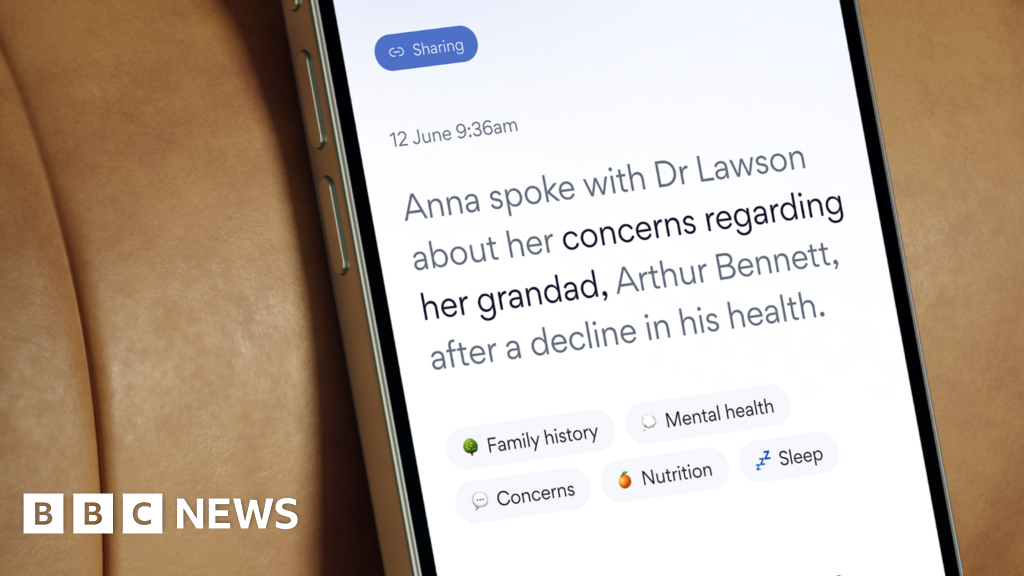
An app called Mirror, developed by Aide Health in Oxford, uses AI to record and summarize medical appointments, helping patients recall and share important information, inspired by the creator's concern for his father with Alzheimer's. The app currently works during in-person visits and aims to evolve into a proactive health advocate, ensuring better communication and understanding in healthcare.

Samsung's Galaxy Watch to Use AI for Early Heart Failure Detection
health-technology7 months ago

Samsung's Galaxy Watch to Use AI for Early Heart Failure Detection

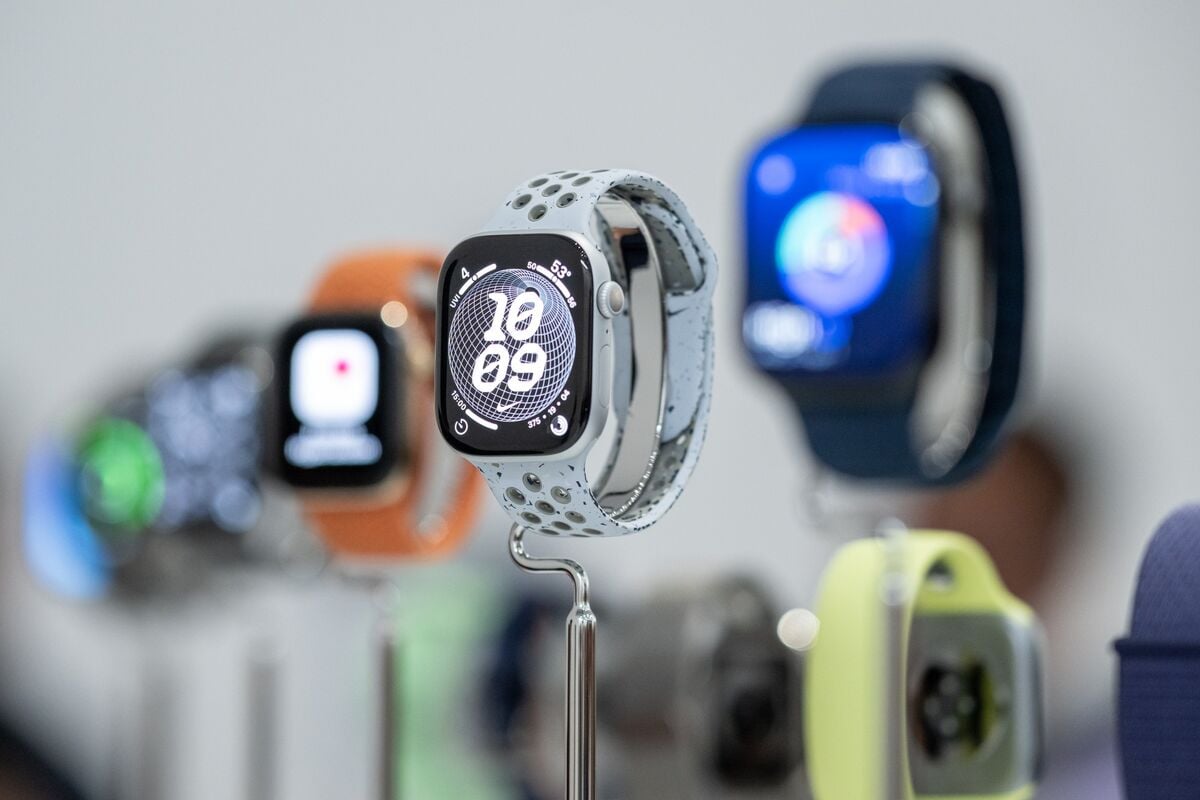
Samsung is developing AI-powered features for its Galaxy Watch to detect signs of heart failure, specifically Left Ventricular Systolic Dysfunction, using advanced ECG analysis in collaboration with Medical AI. The technology, already in use in South Korean hospitals, aims for early detection and improved treatment outcomes, pending regulatory approvals for global release.

Debate Over Non-Diabetics Using Continuous Glucose Monitors
health9 months ago

Debate Over Non-Diabetics Using Continuous Glucose Monitors

The article discusses the rising trend of celebrities and influencers without diabetes wearing continuous glucose monitors (CGMs), raising concerns about their usefulness and potential risks for healthy individuals, as current evidence suggests limited benefits and possible psychological downsides. Experts warn that using CGMs without medical need may lead to unnecessary anxiety and restrictive behaviors, emphasizing the importance of consulting health professionals for personalized advice.

Seoul National University Unveils Innovative Wearable Blood Pressure Monitor for Continuous Real-Time Tracking
health9 months ago

Seoul National University Unveils Innovative Wearable Blood Pressure Monitor for Continuous Real-Time Tracking

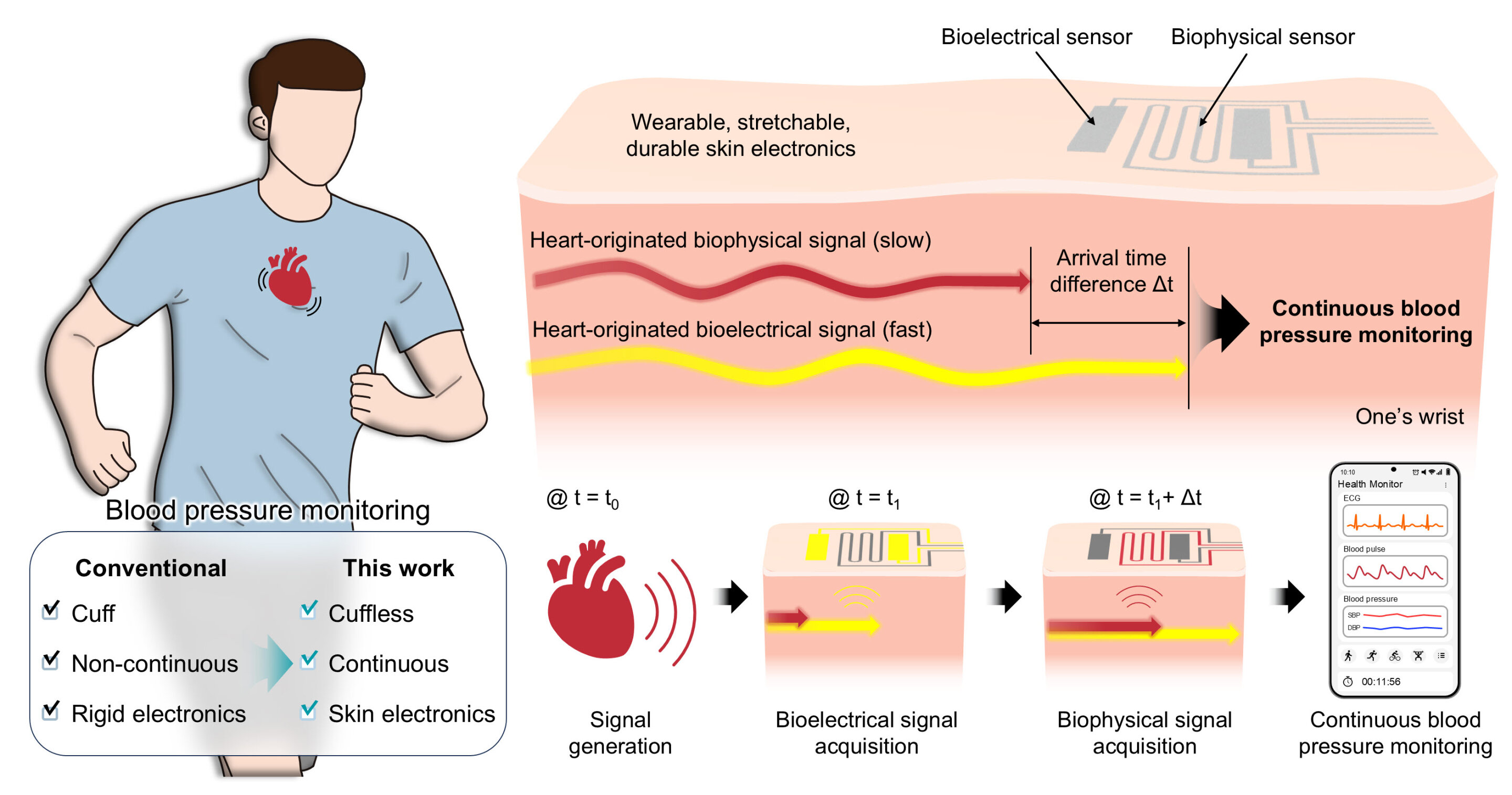
Researchers at Seoul National University have developed a flexible, bandage-like wearable device that uses liquid metal circuits and a novel laser sintering process to enable real-time, continuous blood pressure monitoring, offering a more comfortable and accurate alternative to traditional cuff-based methods, with potential applications in healthcare, fitness, and daily health management.

Are Blood Sugar Monitors Worth It for Non-Diabetics and Athletes?
health11 months ago

Are Blood Sugar Monitors Worth It for Non-Diabetics and Athletes?

Continuous glucose monitors (CGMs), small devices that track blood sugar levels, are now approved for use by people without diabetes, sparking debate about their benefits. While they have revolutionized diabetes care and can help some individuals identify carbohydrate sensitivities or motivate healthier eating, evidence on their effectiveness for the general population is mixed. Experts warn that data can be confusing, inaccurate, or misleading, and emphasize the importance of proper interpretation and context. Overall, CGMs may be helpful for specific individuals but are not universally proven to improve health outcomes for those without diabetes.