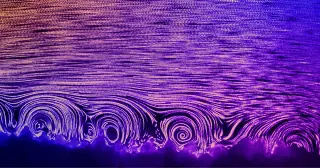
Coral Cilia Overheat and Suffocate Reefs as Water Warms
New research reveals that coral cilia generate vortices to circulate oxygen, but excessive heat causes these structures to fail, leading to suffocation before bleaching occurs.

All articles tagged with #hydrodynamics
New research reveals that coral cilia generate vortices to circulate oxygen, but excessive heat causes these structures to fail, leading to suffocation before bleaching occurs.
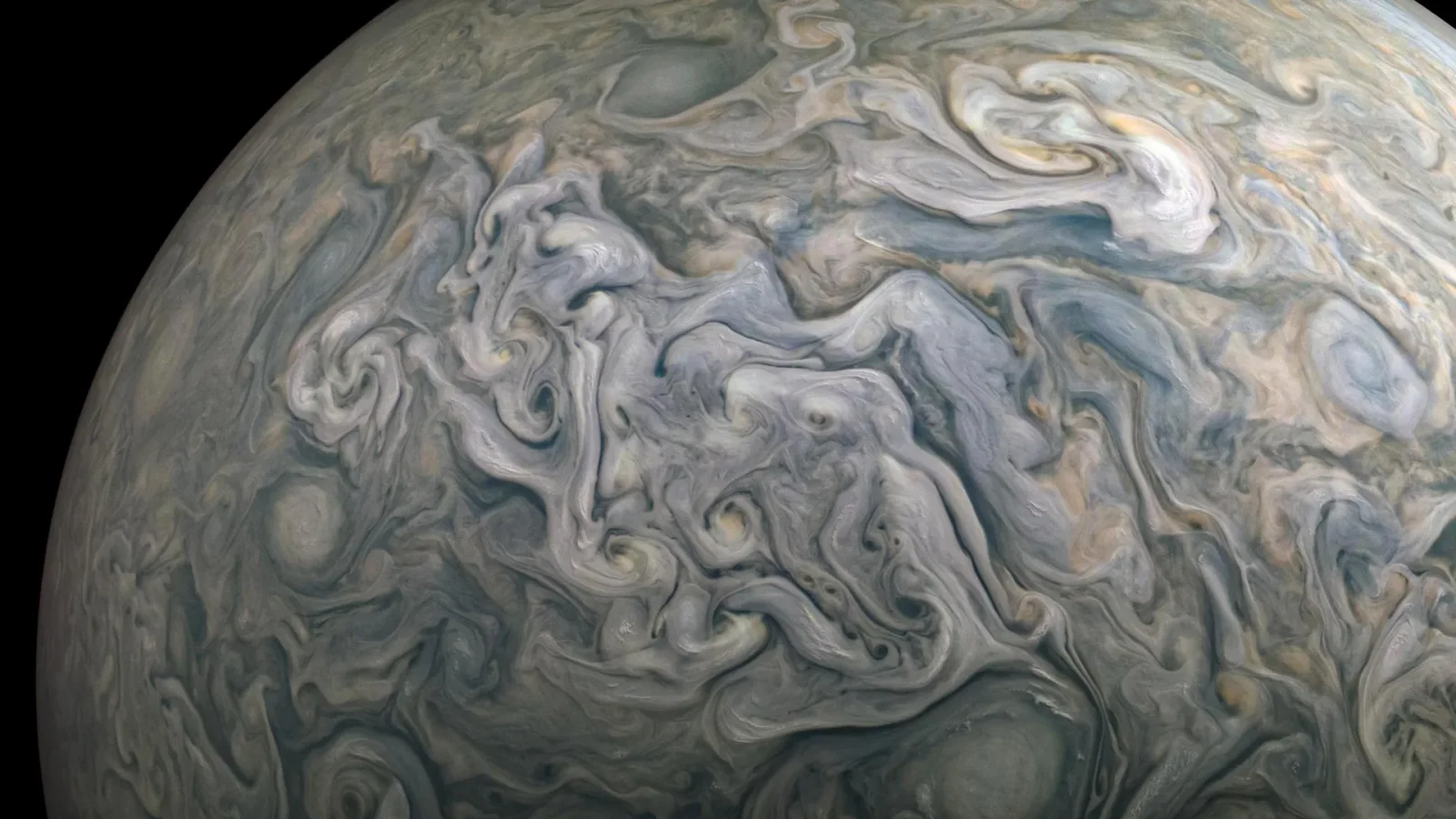
Scientists built the most detailed model yet of Jupiter’s atmosphere by merging chemistry with hydrodynamics, estimating about 1.5 times more oxygen than the Sun, which helps resolve debates about Jupiter’s composition and its formation, and suggesting the planet’s atmospheric circulation is far slower than previously thought.
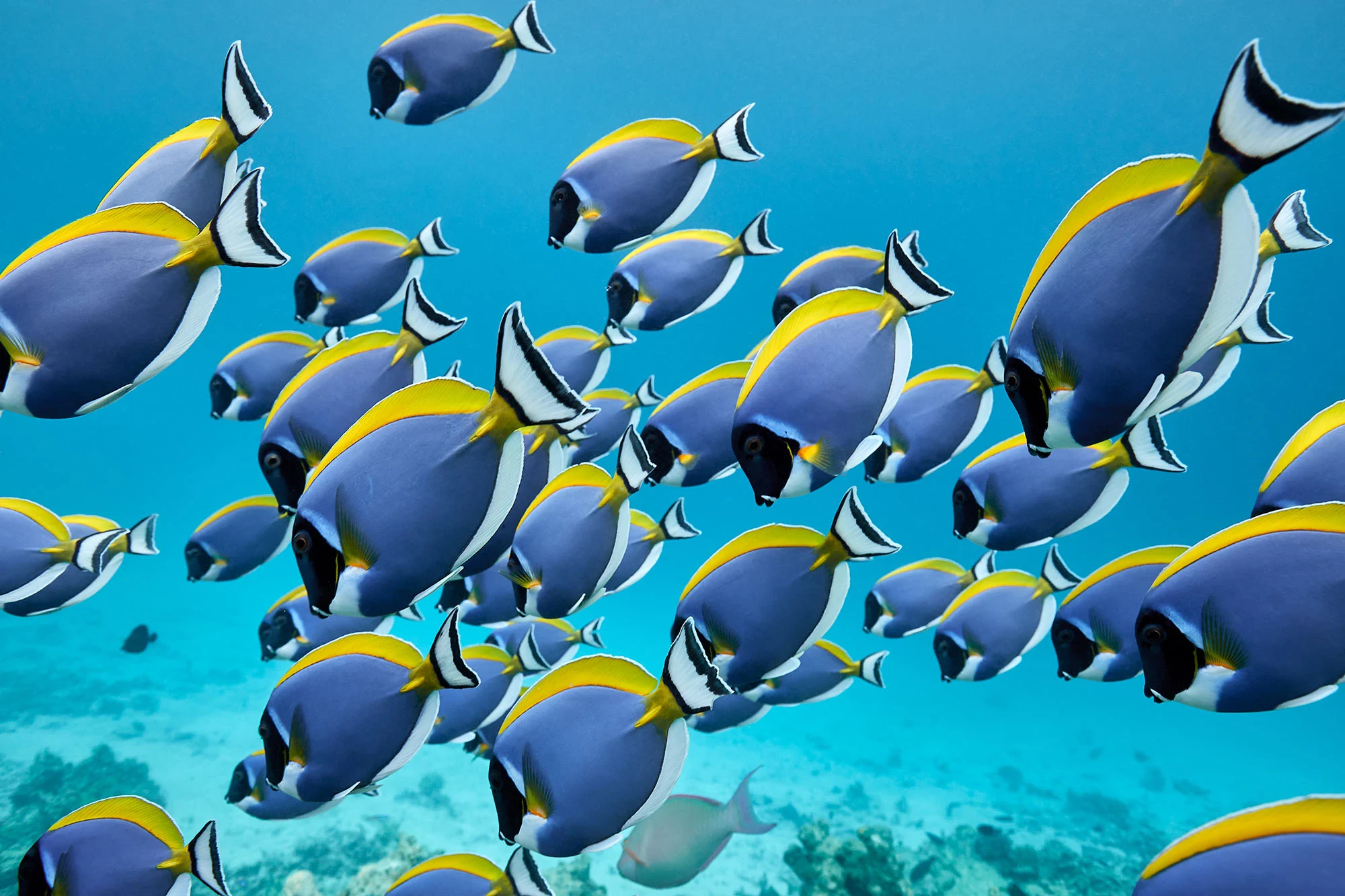
A new study using advanced 3D tracking reveals that fish schools do not form the traditional diamond shapes but instead adopt a flexible, three-dimensional ladder formation, challenging long-standing assumptions and offering insights for robotics and bio-inspired design.
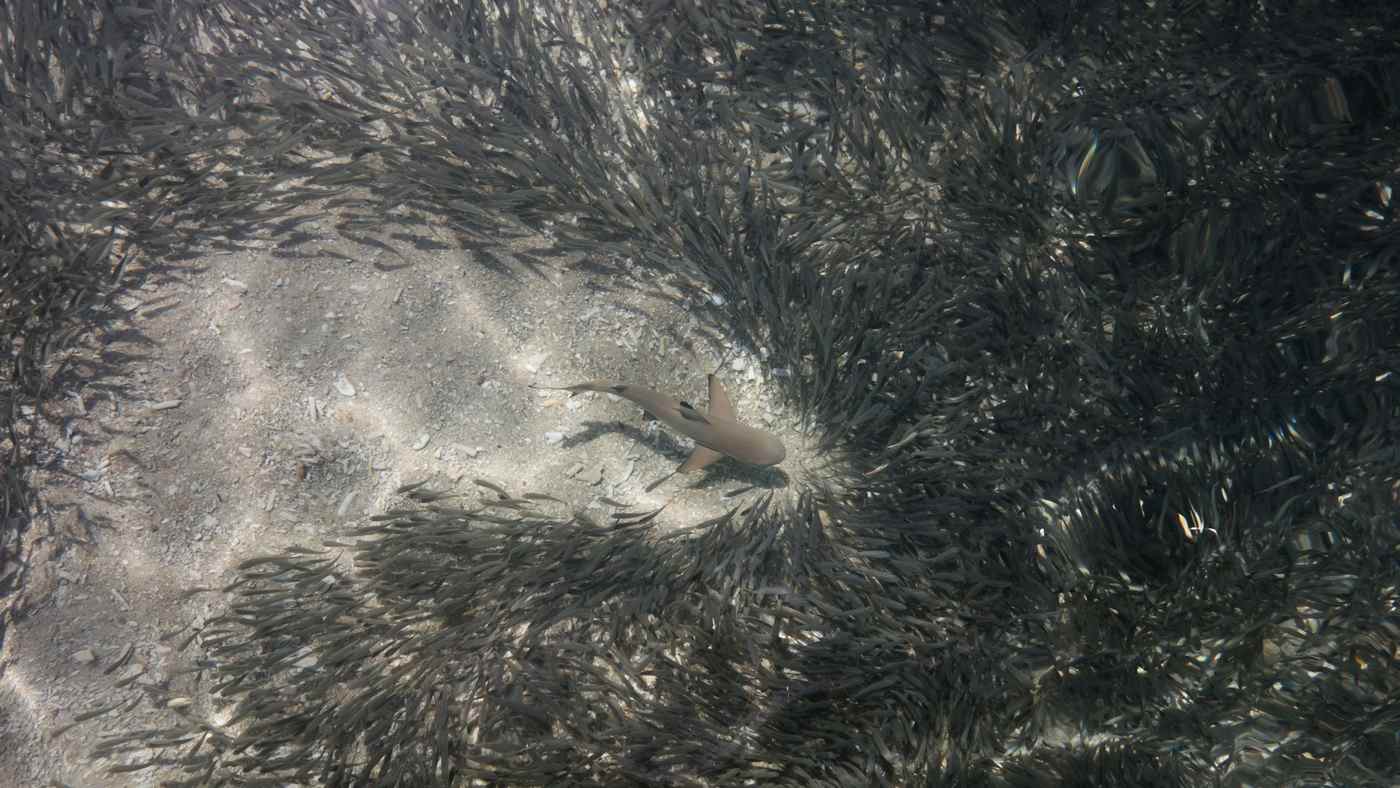
Researchers from Johns Hopkins University have discovered that fish swimming in schools not only provides protection from predators but also reduces their noise, making them more stealthy. Using a 3D model based on the common mackerel, the team found that synchronized tail flapping among fish cancels out each other's sound, effectively reducing the acoustic signature of a school of fish. This noise reduction also enhances their swimming performance, allowing them to swim faster while using less energy. The findings shed light on the evolutionary brilliance of fish schooling as a defense mechanism.
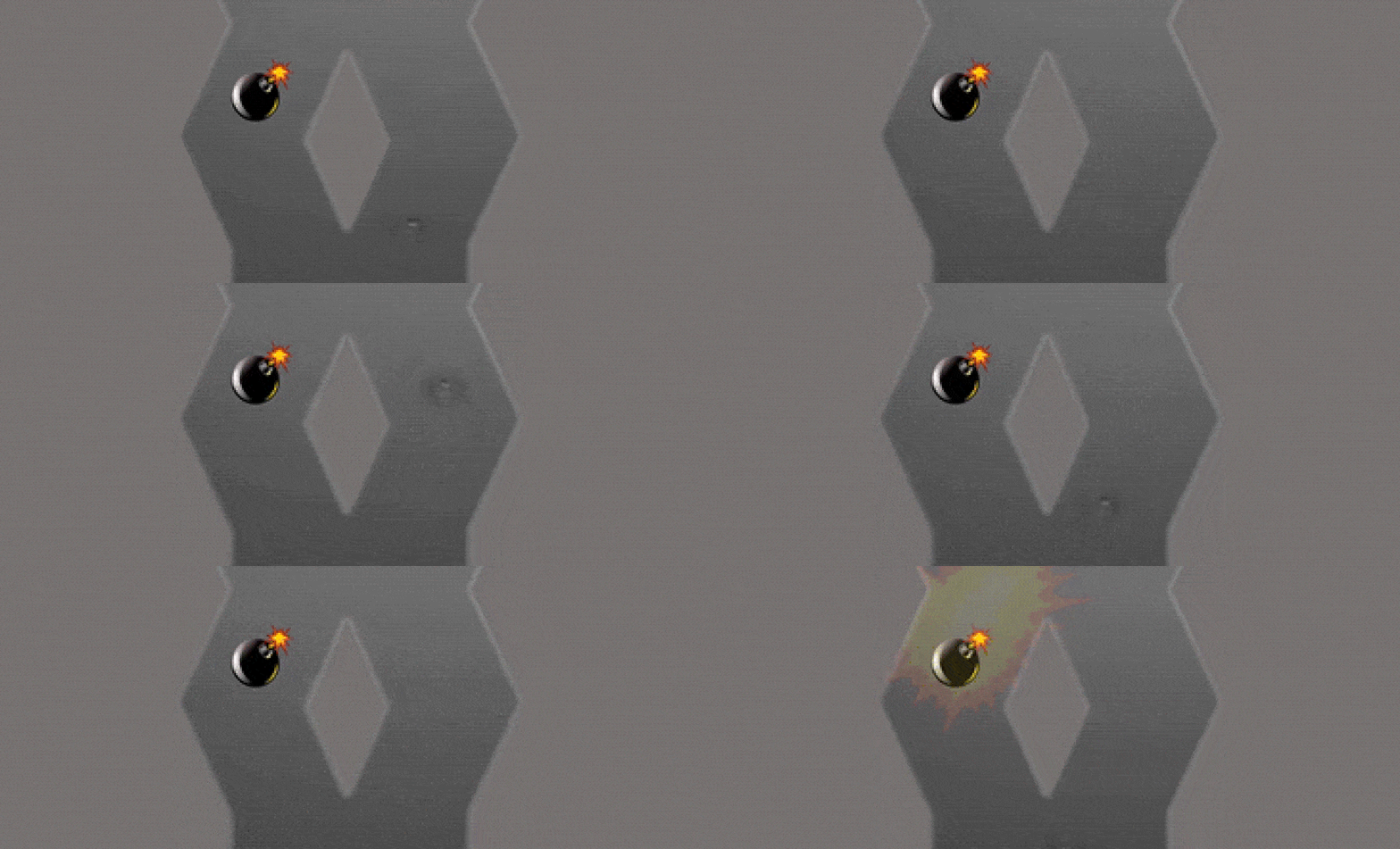
Physicists at MIT have discovered that tiny droplets of oil bouncing down channels in a vibrating fluid exhibit behavior similar to a famous quantum thought experiment known as the Elitzur-Vaidman bomb tester. The droplets, acting as quantum particles, displayed interference patterns when merging with each other, similar to the probabilities created by superposition in quantum systems. This surprising result suggests a connection between classical and quantum physics, shedding light on the collapse of quantum wave functions. The findings challenge the notion that such behavior can only be understood from a quantum perspective and provide insights into the bridge between classical and quantum realms.
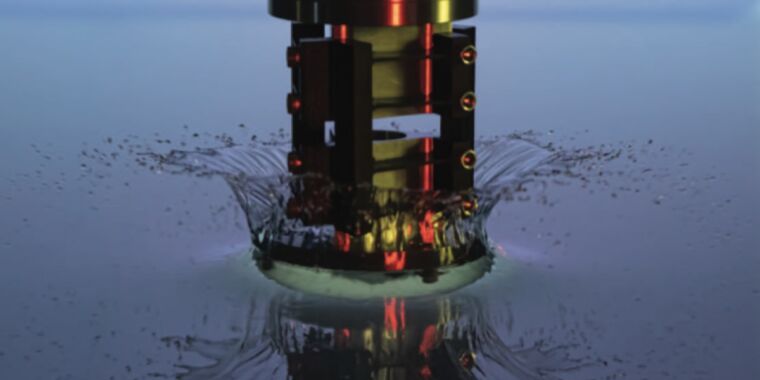
Scientists at Brown University have conducted water experiments to gain insight into the impact force of bodies hitting the water, such as belly-flops. Surprisingly, they found that adding flexible springs to the impactor did not always soften the impact, sometimes even increasing the maximum force. The vibrations created by the impactor hitting the water caused the springs to vibrate, increasing the force of impact. This research has implications for improving designs of naval ships, seaplanes, projectiles, and underwater autonomous vehicles.
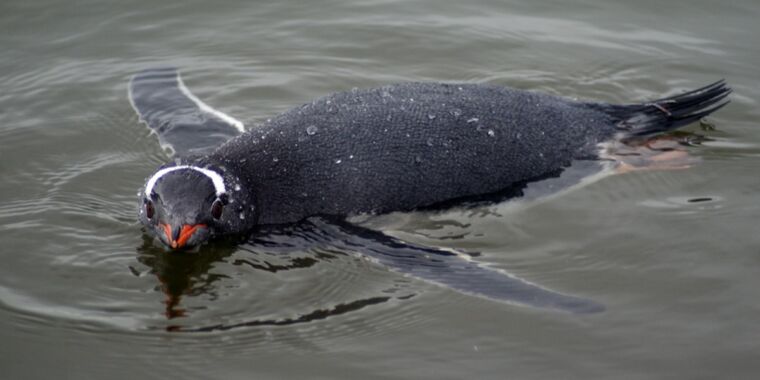
Physicists have used computational modeling to study the hydrodynamics of gentoo penguins' wings, revealing that the ability to change the angle of their wings while swimming is crucial for generating thrust. Gentoo penguins are the fastest swimming birds, reaching speeds of up to 36 km/h underwater. This research on aquatic animals' movement through water could have applications in designing more efficient aircraft, bio-inspired robots for underwater exploration, and understanding the unique features of other fast-swimming creatures like mako sharks and marsh grass shrimp.