Tag

Ibuprofen

All articles tagged with #ibuprofen

Huge recall: nearly 90,000 bottles of children's ibuprofen pulled over foreign material
health21 days ago

Huge recall: nearly 90,000 bottles of children's ibuprofen pulled over foreign material

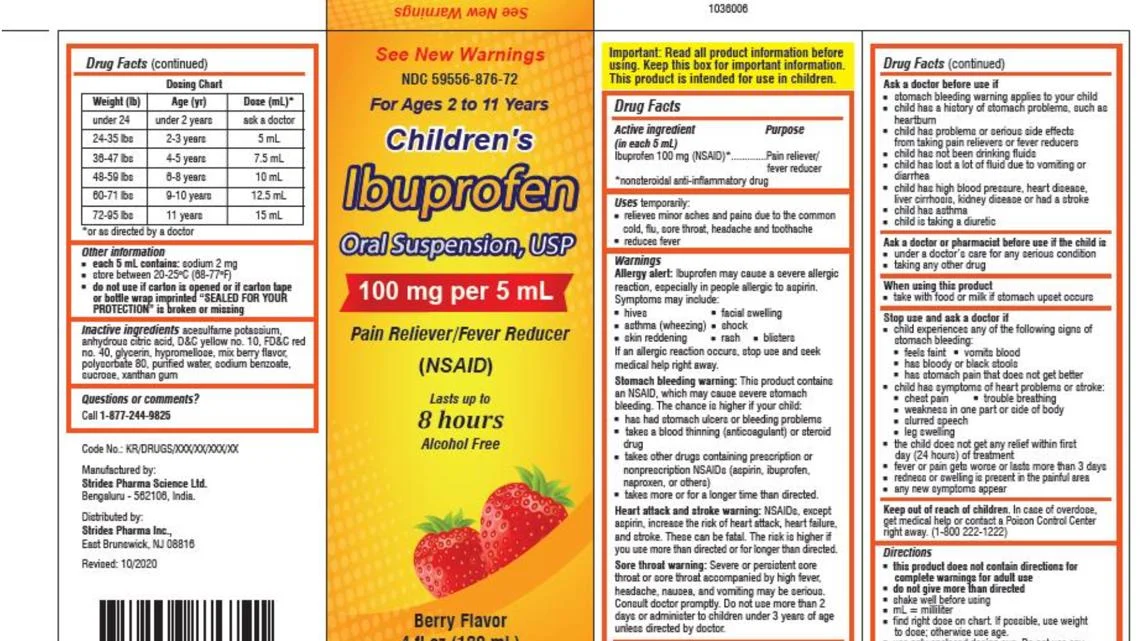
The FDA announced a recall of about 89,592 bottles of Strides Pharma’s Children’s Ibuprofen Oral Suspension sold in the U.S. after reports of a gel-like mass and black particles. The Class II recall affects lot numbers 7261973A and 7261974A with an expiration date of Jan. 31, 2027, manufactured for Taro Pharmaceuticals USA Inc. and distributed nationwide. No serious adverse health effects have been reported, but consumers should stop using the recalled product immediately.

Could ibuprofen lower some cancer risks? Early findings with caveats
health2 months ago

Could ibuprofen lower some cancer risks? Early findings with caveats

Emerging studies link regular ibuprofen use with lower risks of endometrial and bowel (colorectal) cancers, possibly by dampening inflammation and affecting cancer-related genes, though evidence is not conclusive and high-dose or long-term NSAID use can cause serious side effects. Experts caution against self-prescribing ibuprofen for cancer prevention and emphasize proven prevention strategies like a healthy weight, exercise, and a balanced diet.

Ibuprofen and Cancer Risk: Early Signals, Cautious Outlook
health2 months ago

Ibuprofen and Cancer Risk: Early Signals, Cautious Outlook

New research links ibuprofen’s anti-inflammatory action to possible cancer-risk modulation, including a potential lower risk of endometrial cancer and hints of protection against other cancers, but the evidence is mixed and experts warn against using ibuprofen for cancer prevention due to side effects and drug interactions; maintaining a healthy lifestyle remains the best prevention strategy.

Pain Relief Drug Shows Potential Anti-Cancer Benefits
health5 months ago

Pain Relief Drug Shows Potential Anti-Cancer Benefits

Recent research suggests that ibuprofen, a common pain reliever, may have anti-cancer properties, particularly in reducing the risk of endometrial, bowel, breast, lung, and prostate cancers, by reducing inflammation and affecting cancer-related genes. However, experts caution against self-medicating due to potential side effects and emphasize lifestyle prevention strategies.

Ibuprofen: A Common Painkiller's Potential Anti-Cancer Benefits
health5 months ago

Ibuprofen: A Common Painkiller's Potential Anti-Cancer Benefits

Recent research suggests that ibuprofen, a common anti-inflammatory drug, may have protective effects against certain cancers, including endometrial, bowel, breast, lung, and prostate cancers, by reducing inflammation and influencing cancer-related genes. However, conflicting studies and potential side effects mean it should not be used for cancer prevention without medical guidance, and lifestyle factors remain crucial for reducing cancer risk.

Daily Advil Use: What It Does to Your Body
health7 months ago

Daily Advil Use: What It Does to Your Body

Taking Advil (ibuprofen) daily can pose health risks such as stomach ulcers, kidney damage, increased blood pressure, and heart attack, especially if used long-term without medical guidance. While it can be effective for managing certain types of pain and inflammation, it's important to consult a healthcare professional to assess safety and explore safer alternatives for pain relief.

Expert Cautions Against Overuse of Common Medication for Kidney Health
health1 year ago

Expert Cautions Against Overuse of Common Medication for Kidney Health

Exercise scientist Dr. Mike Israetel warns against the overuse of ibuprofen and other NSAIDs, highlighting their potential to cause kidney damage, especially when taken in high doses over extended periods. He compares the risk of acute bodily harm from ibuprofen to that of anabolic steroids, emphasizing the importance of consulting healthcare professionals for pain management. This caution is supported by research indicating that doses exceeding 1200 mg per day can interfere with normal kidney function.

Ibuprofen: Potential Worsening of Diseases and Side Effects
health2 years ago

Ibuprofen: Potential Worsening of Diseases and Side Effects

Researchers at Semmelweis University have found that taking too many non-steroidal anti-inflammatory drugs (NSAIDs) like ibuprofen and aspirin can upset the balance of gut microbiota, potentially worsening symptoms of certain diseases they are meant to treat. The study suggests that NSAIDs can cause dysbiosis, leading to imbalances in gut bacteria, which are vital for overall health. The findings highlight the importance of maintaining a healthy gut microbiome and suggest that following a healthy diet and exercising regularly may help counteract the harmful effects of NSAIDs on the gut.

"The Risks of Prolonged Pain Med Use: Aleve and Ibuprofen Dangers Unveiled"
health2 years ago

"The Risks of Prolonged Pain Med Use: Aleve and Ibuprofen Dangers Unveiled"

A reader seeks advice for managing osteoarthritis pain in the neck and mid-back. Dr. Keith Roach recommends against using both Aleve and ibuprofen simultaneously due to increased risk of toxicity, and suggests trying Tylenol despite its smaller risk of side effects. He also mentions the potential side effects of anti-inflammatory medicines and recommends combining non-medicinal therapies like the Aleve Direct Therapy pad and pain relief creams with medication. In severe cases, injections or surgery may be considered.

"The Dangers of Prolonged Aleve and Ibuprofen Use"
health2 years ago

"The Dangers of Prolonged Aleve and Ibuprofen Use"

A 70-year-old man with osteoarthritis in his neck and mid-back area has been using Aleve and ibuprofen for pain relief, despite his doctor's recommendation to use Tylenol due to concerns about liver and kidney damage. Dr. Roach advises against taking both anti-inflammatory medicines simultaneously, as it increases the risk of toxicity, and suggests trying Tylenol to see if it provides relief. He also mentions the potential side effects of Aleve and similar medicines, and recommends combining non-medicinal therapies like the Aleve Direct Therapy pad and pain relief creams with medication. In more severe cases, injections or surgery may be considered, and readers are encouraged to email questions to Dr. Roach.