NASA’s sharp new look at SpaceX’s crashed lunar crater
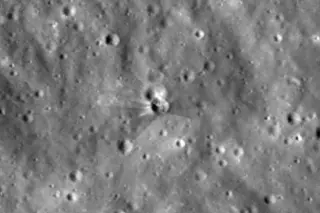
NASA released high-resolution before-and-after images showing the Moon crater carved by a SpaceX rocket crash, offering the clearest view yet of the impact site.
All articles tagged with #imagery

NASA released high-resolution before-and-after images showing the Moon crater carved by a SpaceX rocket crash, offering the clearest view yet of the impact site.

New single‑cell recordings show that many neurons in the ventral temporal cortex fire during both seeing and imagining objects; researchers could reconstruct viewed images from brain activity, and about 40% of imagery‑related neurons reactivated in line with the original patterns, indicating imagination uses largely the same cellular machinery as perception with implications for memory, creativity, and PTSD therapies.

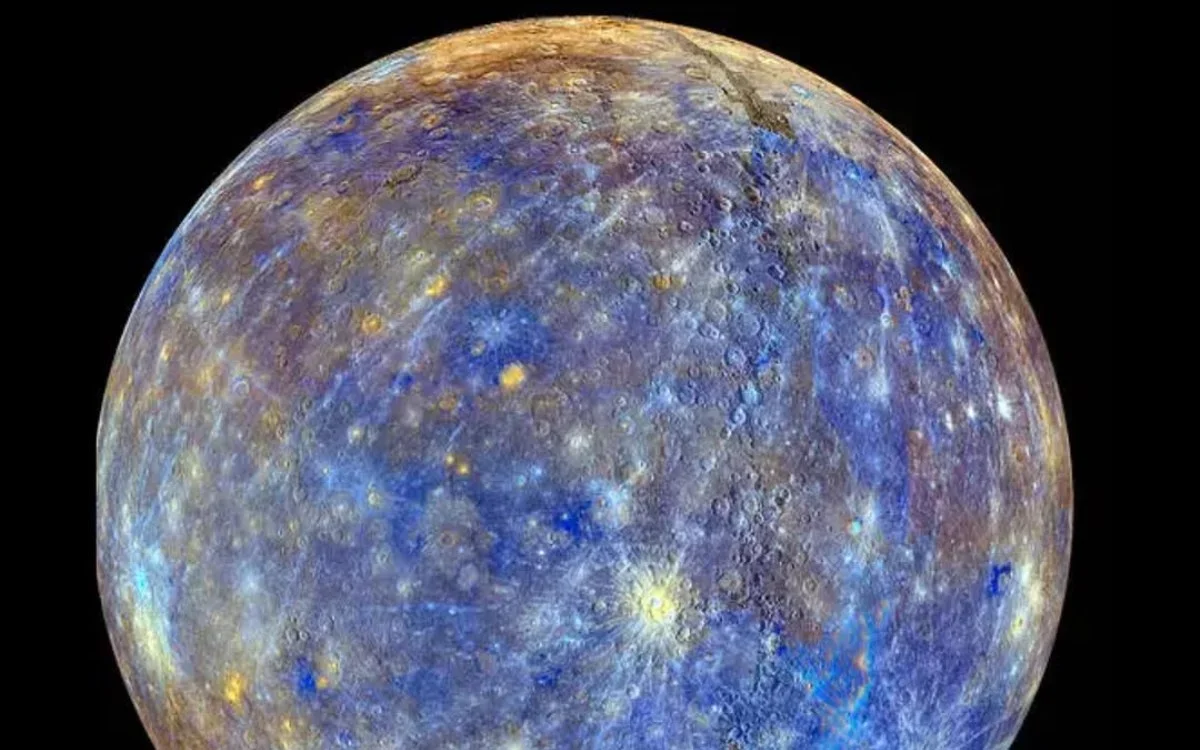
NASA released a new batch of ultra-high-resolution images of Solar System planets, including Earth, Jupiter, Saturn, Uranus, Mercury, and Venus, showcasing extraordinary detail from Earth’s weather and continents to Jupiter’s storms and Saturn’s perfectly visible rings, while Uranus appears blue and desolate and Mercury/Venus are shown in vibrant color thanks to advanced imaging tech.

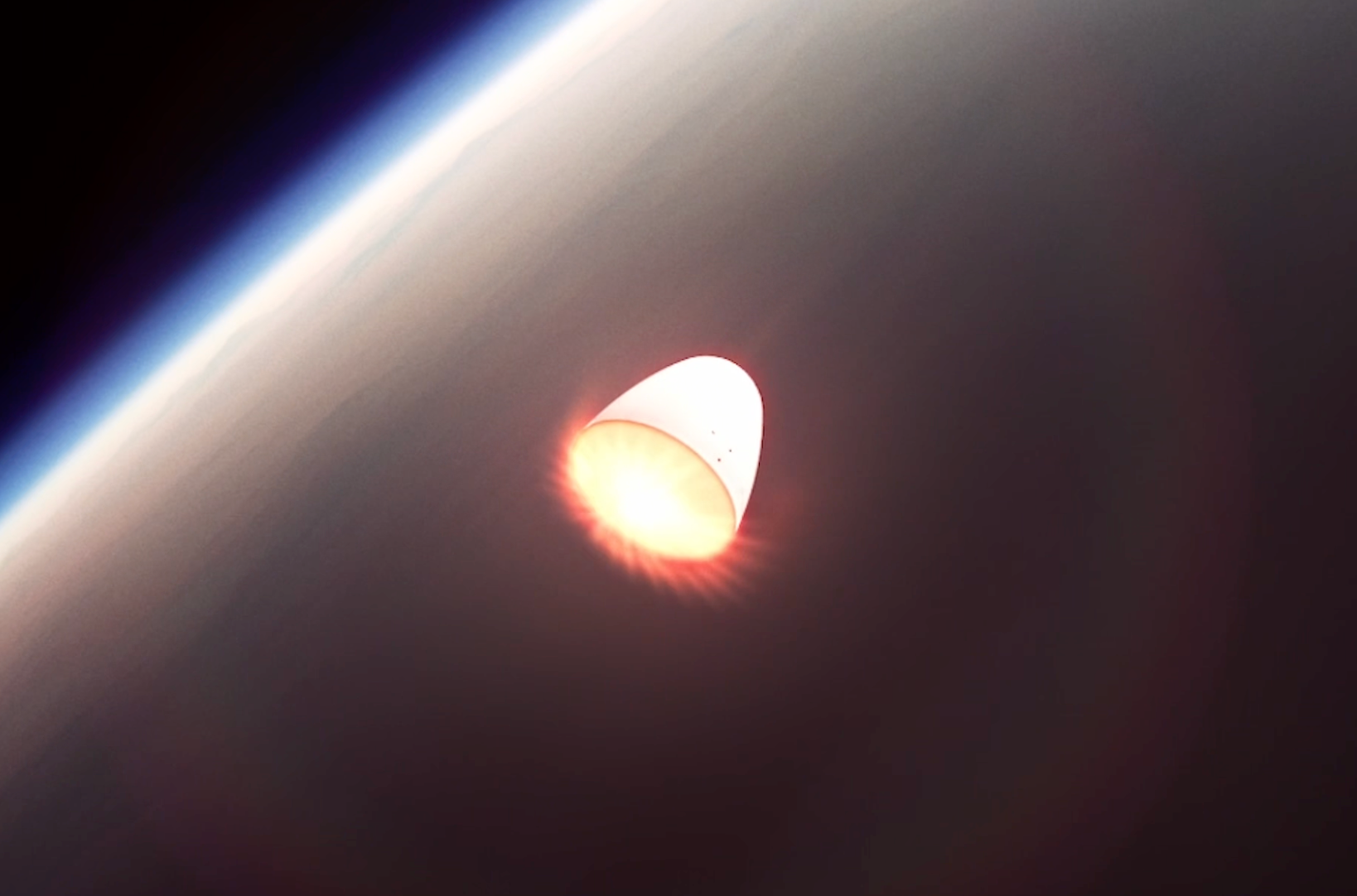
NASA's SCIFLI team will support Europe's Exploration Company by capturing in-flight imagery and spectrometer data of the Mission Possible capsule's re-entry, parachute deployment, and splashdown, aiding in refining models and future capsule designs, with operations staged in Hawaii and involving a Gulfstream III aircraft.

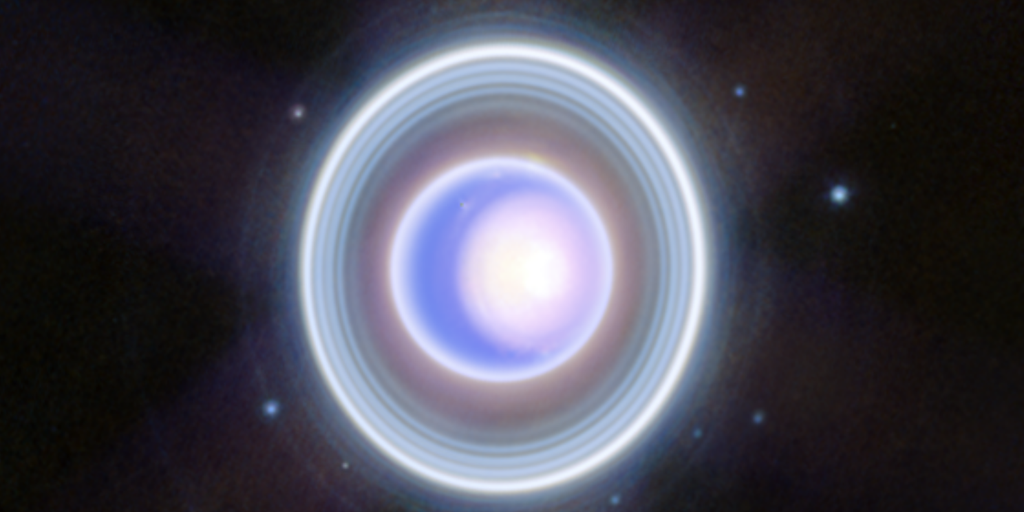
NASA has released a new photo of Uranus taken by the James Webb Space Telescope, showcasing vivid details of the planet's rings, moons, and polar region. The image reveals the planet's seasonal north polar cloud cap and provides valuable insights into its extreme seasons and climatological observations. The infrared technology of the telescope allows for clearer imagery compared to previous spacecraft missions. The James Webb Space Telescope has exceeded expectations and is expected to continue providing stunning discoveries beyond its 10-year lifespan.
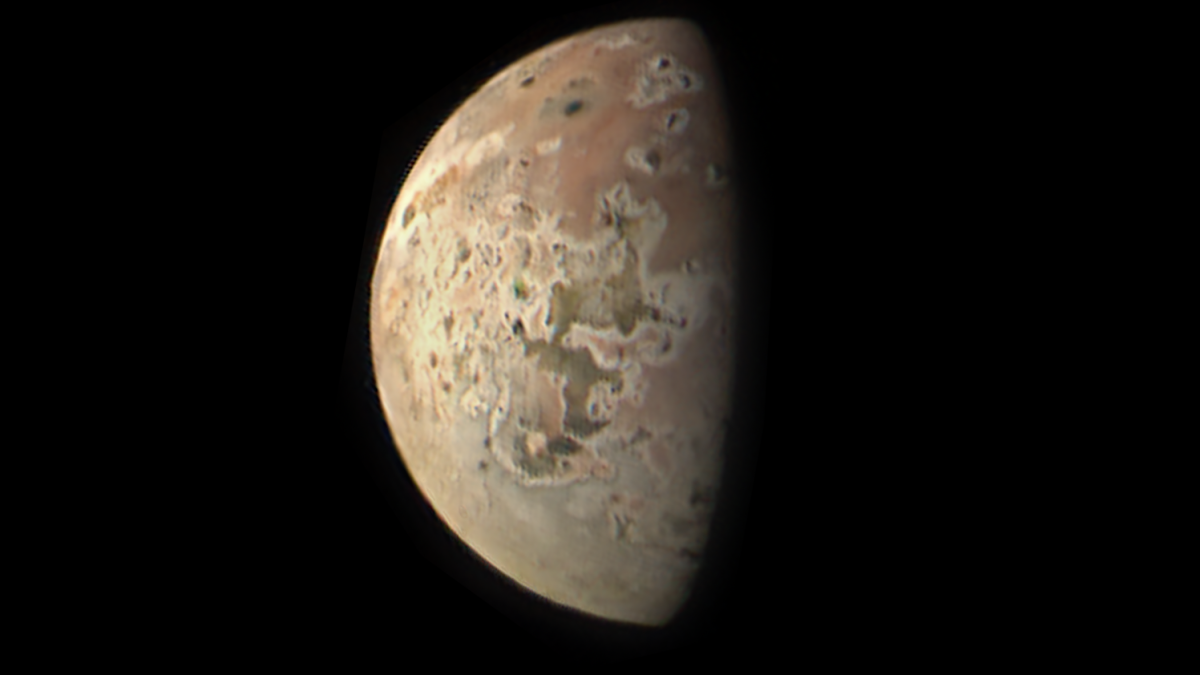
NASA's Juno spacecraft has captured stunning imagery of Jupiter's moon Io, which is known for its volcanoes and lava. Juno made a close pass of just 22,060 miles from Io, with plans to get even closer over the coming year. Io is the most volcanic celestial body in our solar system, and observing it over time can help scientists understand how the volcanoes vary. The intense heat on Io is caused by a "tug-of-war" between Jupiter and two of its other moons, Ganymede and Europa.

NASA's Juno spacecraft has captured stunning images of Jupiter's moon Io, which is known for its volcanoes and lava. Juno made a close pass of just 22,060 miles from Io, with plans to get even closer in the coming year. Io is the most volcanic celestial body in our solar system, and observing it over time can help scientists understand how the volcanoes vary. The intense heat on Io is caused by a "tug-of-war" between Jupiter and two of its other moons, Ganymede and Europa.

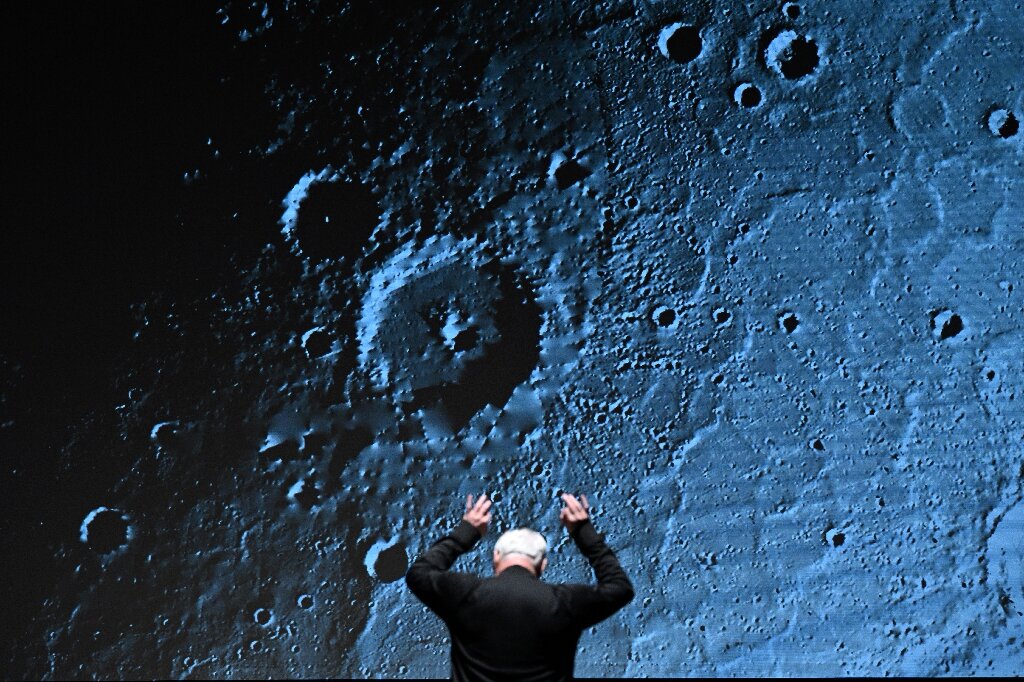
The National Philharmonic has premiered "Cosmic Cycles: A Space Symphony," a seven-part suite of music inspired by NASA's latest images of space. The symphony's composer, Henry Dehlinger, said the work was "an immersive experience that encapsulates both visuals and sound." The suite begins with the Sun and moves out to the planets, including a focus on images of the Martian surface taken by NASA rovers. The symphony also takes a detailed look at recent experiments on asteroids before a big finale of nebulae, black holes and other galactic phenomena.

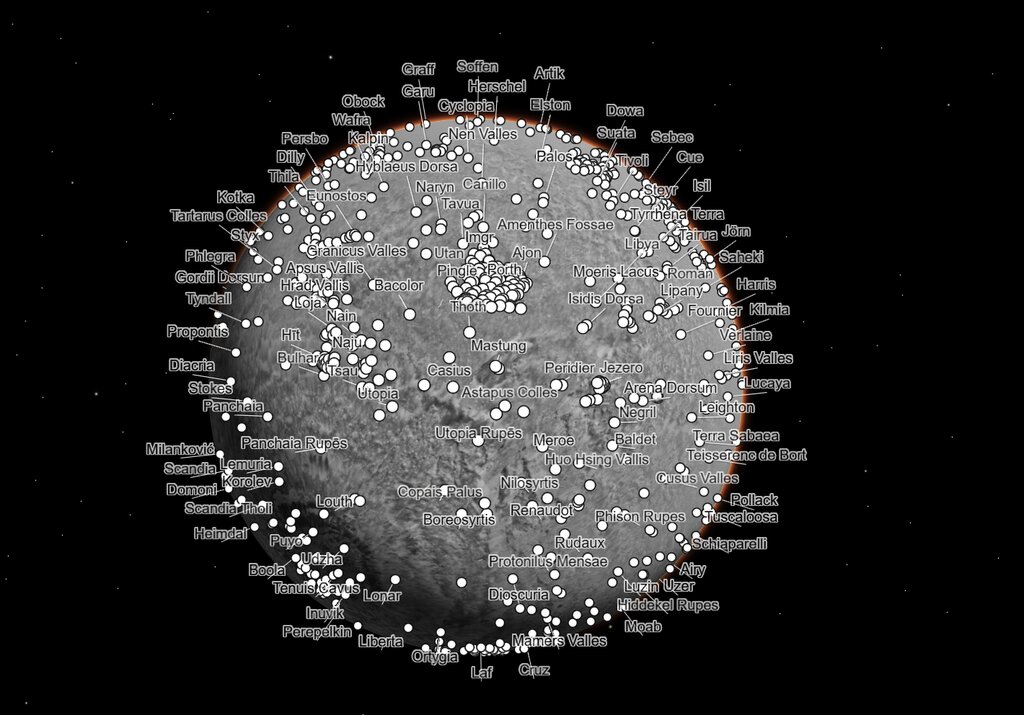
A new interactive mosaic of Mars, composed of 110,000 images from NASA's Mars Reconnaissance Orbiter, allows scientists and the public to explore the planet in vivid detail. The Global CTX Mosaic of Mars is the highest-resolution global image of the Red Planet ever created, covering nearly 270 square feet of surface per pixel. The mosaic took six years and tens of thousands of hours to develop and includes different layers of data that can be turned on or off. It is accessible to everyone and can be used to explore areas being explored by NASA's Curiosity and Perseverance rovers.