Tag

Planets

All articles tagged with #planets

NASA Unveils Ultra-High-Definition Portraits of the Solar System
space28 days ago

NASA Unveils Ultra-High-Definition Portraits of the Solar System

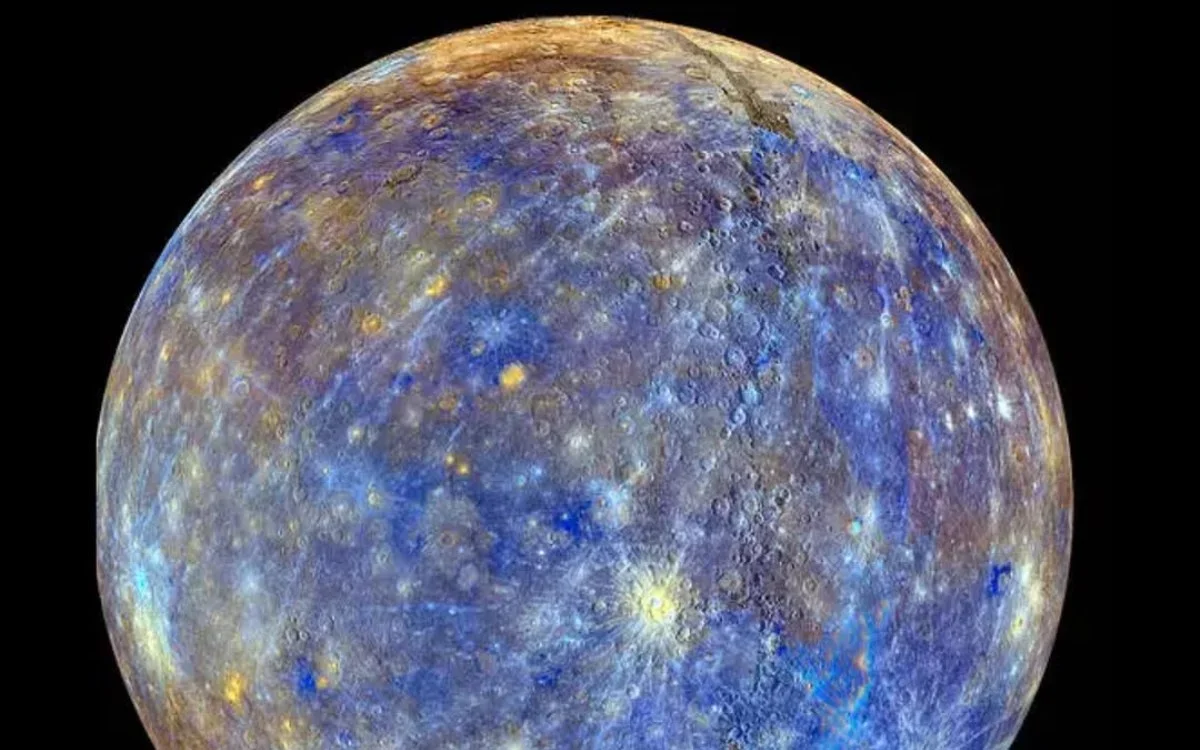
NASA released a new batch of ultra-high-resolution images of Solar System planets, including Earth, Jupiter, Saturn, Uranus, Mercury, and Venus, showcasing extraordinary detail from Earth’s weather and continents to Jupiter’s storms and Saturn’s perfectly visible rings, while Uranus appears blue and desolate and Mercury/Venus are shown in vibrant color thanks to advanced imaging tech.

Six-planet parade lights up the evening sky
science1 month ago

Six-planet parade lights up the evening sky

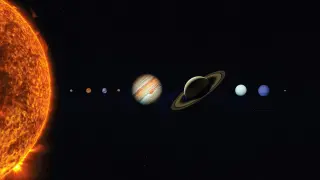
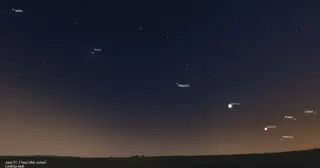
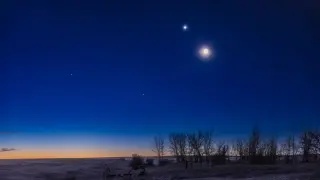
Six planets—Mercury, Venus, Saturn, Uranus, Neptune and Jupiter—will appear rising near the western horizon after sunset in a rare planetary parade. The alignment is a line-of-sight effect, not a true orbital chain. Bright planets (Mercury, Venus, Saturn, Jupiter) are visible to the naked eye, while Uranus and Neptune require binoculars or a telescope. For best viewing, find a clear western outlook about 20–30 minutes after sunset; the grouping is not a single-day event and lasts for weeks. No special equipment is needed for the brightest worlds, though binoculars help with the fainter ones, and a red-night mode app can aid night vision.

Six-Planet Parade Graces California Skies This Weekend
science1 month ago

Six-Planet Parade Graces California Skies This Weekend

Six planets align in a rare 'planetary parade' after sunset across California, with Mercury, Venus, Mars, Jupiter and Saturn visible to the naked eye and Uranus and Neptune detectable with telescopes; visibility varies by location due to clouds (SF Bay Area may be obscured, LA and San Diego should be clear, northern California could miss it); the event recurs only every few years, with the next alignment not until 2028.

Six-planet sky parade lights up twilight this weekend
space1 month ago

Six-planet sky parade lights up twilight this weekend

NASA says a six-planet alignment will brighten the night sky this Saturday (weather permitting): Mercury, Venus, Saturn and Jupiter should be visible to the naked eye, while Uranus and Neptune will require binoculars or a telescope. The display is best at twilight and visible worldwide, with viewing times varying by location and planets roughly 10 degrees above the horizon. Venus will be the brightest after the Sun and Moon; Mars will appear as a red dot; Saturn will have a yellowish hue; Jupiter will be high overhead; Mercury will be the hardest to spot, best about 30–60 minutes after local sunset. The event illustrates how planetary orbits shift relative to Earth and even informs mission planning; keep an eye out for related celestial events later this year, like a total lunar eclipse and a Venus–Jupiter pairing on June 8–9.

Six-Planet Night Sky Parade Graces February Evenings
space1 month ago

Six-Planet Night Sky Parade Graces February Evenings

Six planets—Jupiter, Saturn, Venus, Mercury, Neptune and Uranus—will be visible at once in the early-evening sky over the next few days, a rare alignment last seen with all seven last year and not due again until 2040. Neptune and Uranus require binoculars or a telescope, while Venus will be the brightest and Mercury the faintest near the horizon. The best viewing windows are after sunset (about 5:45 pm UK / 6:00 pm US), with the lineup forming a curved arc across the western sky; the pattern differs in the southern hemisphere. NASA has released new sonifications from the Chandra X-ray Observatory for Jupiter, Saturn, and Uranus. The Moon will also be visible, and observers should avoid looking at the Sun through binoculars or telescopes.

Six-Planet Parade Lights Up Western Heavens After Sunset
space1 month ago

Six-Planet Parade Lights Up Western Heavens After Sunset

A rare planetary parade will bring Venus, Mercury, Saturn, Neptune, Uranus and Jupiter into the western evening sky after sunset on Feb. 28, with Venus and Mercury near the horizon and Saturn/Neptune nearby; binoculars may help spot Neptune. The Moon will accompany the Beehive Star Cluster that night, and a total lunar eclipse (the “Blood Moon”) is expected on March 3, visible from parts of the western U.S., Pacific, New Zealand, Australia and East Asia. The window to view this alignment is brief and best with a clear, unobstructed western horizon.

Planetary parade in February: Jupiter dominates the night sky as Mercury makes its best evening appearance
stargazing2 months ago

Planetary parade in February: Jupiter dominates the night sky as Mercury makes its best evening appearance

February 2026 offers one of the year’s best planetary lineups: Jupiter shines high in the eastern sky after sunset, Mercury appears for a three‑week window low in the west‑southwest starting Feb. 6, Venus becomes more visible toward month’s end, Mars remains hidden near the Sun, and Saturn sinks lower in the sky; the piece provides viewing tips and timing, including Mercury’s Feb. 18–19 Crescent Moon pairing and its greatest elongation around Feb. 19.

Top Space Events and Sky Wonders to Watch in 2026
science3 months ago

Top Space Events and Sky Wonders to Watch in 2026

Winter is an ideal season for binocular stargazing in the Northern Hemisphere, offering spectacular sights such as Sirius with its rainbow colors, Jupiter at opposition with its moons, the first quarter moon with shadows, the Owl Cluster in Cassiopeia, a supermoon rise, star clusters in Auriga, the winter Milky Way, Caroline’s Rose, Earthshine on the moon, and more, all visible with good binoculars and clear, dark skies from November 2025 to January 2026.