Tag

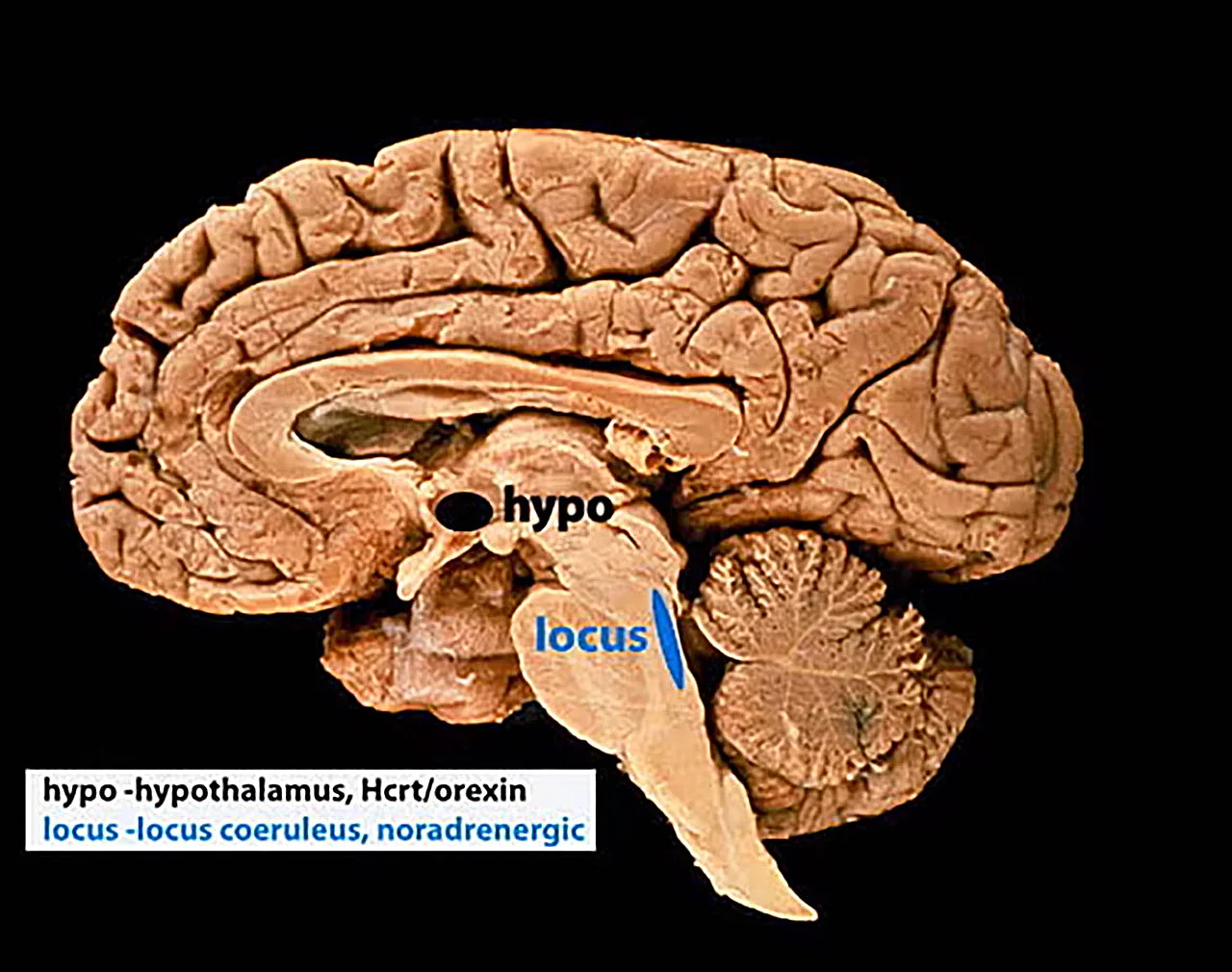
Locus Coeruleus

All articles tagged with #locus coeruleus

health2 months ago

Cancer Drug Targets and Brain 'Brakes' Offer New Hope for Chronic Nerve Pain

Two recent studies identify distinct biological mechanisms for chronic nerve pain, offering potential new treatment avenues. Researchers at MD Anderson found that the cancer-linked protein BRAF travels to the spinal cord after nerve injury, activating NMDA receptors to sustain pain; existing cancer drugs like vemurafenib reduced pain sensitivity in preclinical models. Simultaneously, Washington University researchers identified a 'brake' in the brain's locus coeruleus, where mu opioid receptors normally suppress pain signals. Disrupting this brake increases pain sensitivity, suggesting that targeting this specific brain region could provide relief without the widespread side effects of traditional opioids. Both studies remain preclinical, highlighting the need for human trials to determine safety and efficacy.

Brown University Study Links Pupil Dilation to Brain 'Refresh' Mechanism During Surprise
science3 months ago

Brown University Study Links Pupil Dilation to Brain 'Refresh' Mechanism During Surprise

A new study published in Nature Human Behaviour reveals that pupil dilation during surprise is not merely a reflex but a functional signal for a neural 'refresh' mode. Researchers at Brown University found that this physiological response, driven by the locus coeruleus and norepinephrine, helps the brain discard outdated expectations and adapt to new contexts, thereby improving learning and reducing perceptual bias.

science5 months ago

Autoantibodies May Drive Neurological Symptoms in a Subset of Long COVID Patients

A NIH-funded study found autoantibodies that target the nervous system are present in some Long COVID patients and may be linked to neurological symptoms; experiments transferring these antibodies to mice reproduced pain sensitivity, balance issues, and fatigue, suggesting autoimmunity could underlie a subset of Long COVID symptoms and might guide targeted therapies, though more research is needed to map specific antibodies and confirm causality.

Vagus nerve stimulation could slow memory decline in aging and Alzheimer's
health8 months ago

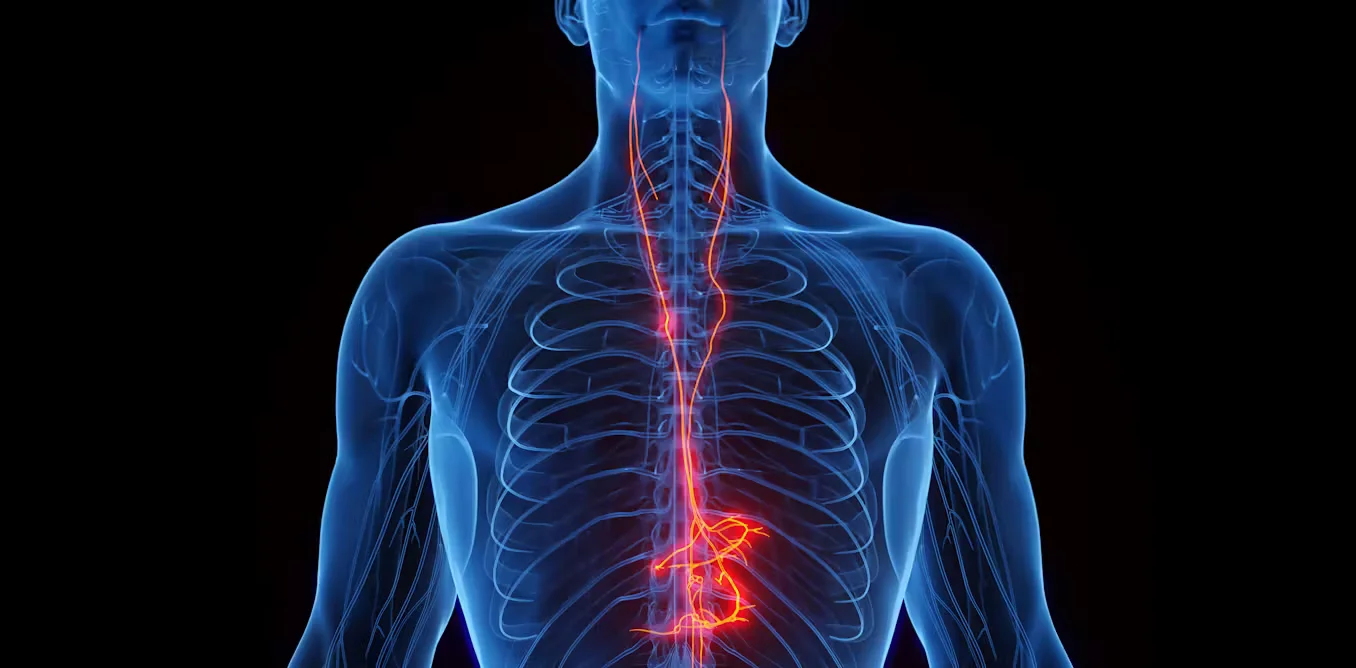
Vagus nerve stimulation could slow memory decline in aging and Alzheimer's

Emerging research suggests stimulating the vagus nerve may help preserve the locus coeruleus, a brainstem hub that regulates norepinephrine and memory, potentially slowing Alzheimer's- and age-related memory loss. Vagus nerve stimulation is already approved for epilepsy, migraine, and depression and may boost brain norepinephrine to support cognitive function. Early studies show memory benefits in mild cognitive impairment and even in healthy adults after brief stimulation, but results are preliminary and more research is needed.

Scientists Discover Brain's Tiny Region That Segments and Stores Memories
science1 year ago

Scientists Discover Brain's Tiny Region That Segments and Stores Memories

Scientists discovered that a small brain region called the locus coeruleus acts as a 'reset button' during meaningful changes in experiences, helping to organize memories by signaling the start of new events and separating them into distinct memories. This process is crucial for understanding how we perceive and remember events, and disruptions in this system may relate to memory disorders like PTSD and Alzheimer's disease.

"Early Brain Connectivity Loss Linked to Alzheimer's Progression"
health2 years ago

"Early Brain Connectivity Loss Linked to Alzheimer's Progression"

A study in Alzheimer’s & Dementia reveals that reduced connectivity between the locus coeruleus and the medial temporal lobe is an early indicator of brain atrophy and cognitive decline in Alzheimer’s disease. Lower connectivity during a novelty task was linked to faster atrophy in regions typically affected by Alzheimer’s, especially in individuals with higher amyloid beta levels. This suggests that enhancing this connectivity could slow disease progression. The study highlights the need for further research on diverse populations and the potential of non-invasive brain stimulation as a therapeutic strategy.

"Uncovering Depression's Depths Through Pupil Response"
health-and-neuroscience2 years ago

"Uncovering Depression's Depths Through Pupil Response"

A study by the Max Planck Institute of Psychiatry found that depressed individuals show reduced pupillary response to rewards, indicating lower activation in the locus coeruleus, a key brain structure. This finding suggests that pupillometry could aid in developing personalized treatment strategies for depression, including the selection and dosing of antidepressants. Understanding the physiological mechanisms behind depression is crucial for improving treatment outcomes, especially for the 30% of patients unresponsive to current medications.

The Role of Locus Coeruleus in Sleep Quality and Memory
neuroscience3 years ago

The Role of Locus Coeruleus in Sleep Quality and Memory

The locus coeruleus, a small brain nucleus responsible for managing noradrenaline, has been found to play a crucial role in regulating REM sleep and its impact on cognitive processes such as memory and emotions. Advanced MRI studies have revealed a correlation between locus coeruleus activity during wakefulness and REM sleep quality, particularly in individuals aged 50-70. These findings could provide insights into sleep disorders and their connection to conditions like Alzheimer's disease.

Mapping the Brain's Response to Blood Sugar Changes.
neuroscience3 years ago

Mapping the Brain's Response to Blood Sugar Changes.

Researchers have identified and mapped glucose-sensitive cell populations in the brain, including the locus coeruleus, a region known for its role in arousal, attention, and stress response. This achievement may lead to more targeted treatments for diabetes. The discovery of these cell populations and their exact locations in the brain could potentially lead to more targeted treatments for conditions like diabetes.