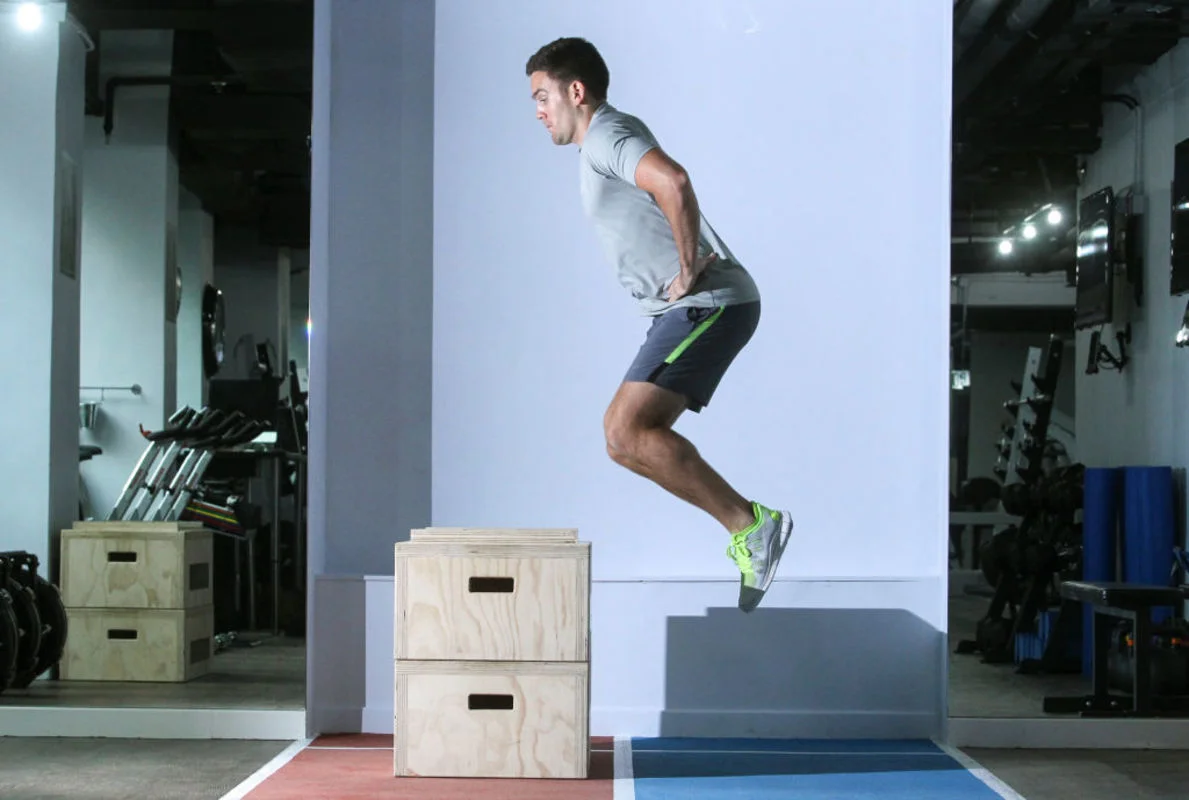
A 34-year Australian study finds that higher cardiorespiratory fitness in childhood is associated with a 15-20% lower risk of depression in adulthood, with stronger effects observed in women.
Researchers at Martha's Vineyard Hospital have begun a first-of-its-kind longitudinal study following 300 island residents aged 15+ who were bitten by lone star ticks to understand how alpha-gal syndrome develops and its impact on daily life, with initial visits, periodic follow-ups, and blood tests; pregnant individuals may participate. A separate study will test 1,500 blood samples from Martha's Vineyard, Nantucket, and Boston to gauge exposure, with results expected next year, as clinicians work to improve diagnosis, prevention, and patient care for this delayed, variable allergy to red meat and mammal products.
A decade-long PANIC study in Finland followed about 260 children from ages 6–8 to mid-teens, tracking movement and screen use and then testing learning and working memory. Contrary to the expectation that more screen time harms minds, teens with higher cumulative screen time performed better on cognitive tests. The researchers stress this is observational and shows associations, not causation; the quality and active engagement of screen use (puzzles, problem solving, learning) likely matter more than hours alone. The study also found sex- and activity-related differences and underscores the importance of movement, calling for intervention studies to clarify causal effects.
An 18-year longitudinal study of Dutch participants shows that childhood ADHD is linked to broader adult difficulties across mental health, cognitive performance, education, daily functioning, and health; 45% meet the criteria for adult ADHD and 18% have major depressive disorder, with the strongest risks in those whose ADHD persists into adulthood. Siblings without childhood ADHD largely function like controls, while many adults with childhood ADHD still function comparably to non-ADHD peers, suggesting variability in outcomes. Limitations include a homogeneous sample and participant drop-out.
A 502-child longitudinal study finds that screen exposure matters as much by when it happens as how much is viewed. Elevated screen time at age 1 (infancy) and around age 6 (school entry) predicted poorer academic performance at age 9 and weaker working memory at 10.5, while exposure at ages 2–3 showed no lasting effects. The infancy window shows the strongest risk due to displacement of face-to-face interaction; even small population-level shifts toward more screen time could lower overall learning outcomes. Implications point to early-life limits and further research on content, devices, and parental co-viewing.
An 18-month study of 48 individual great apes across four species (chimpanzees, bonobos, gorillas, and orangutans) shows cognition is highly individualized and stable, with performance strongly predicted by rearing, sex, and social group; unlike humans, ape social-task performances show zero correlation with other social tasks, while nonsocial tasks are correlated, revealing a distinct ape cognitive architecture and underscoring the need for ape-specific, non-anthropocentric assessment tools to understand cognition and its evolution.
In a three-wave study of 6,260 Chinese university students, higher depressive symptoms at baseline predicted more reported childhood traumas at later times, suggesting current mood can bias retrospective recall; the reverse—trauma recall predicting later depression—was not significant. The findings highlight potential therapeutic implications: treating the present mood may ease distressing memories, and future work should broaden populations and trauma definitions to validate and extend the pattern.
A 47-year longitudinal study from Karolinska Institutet tracked hundreds of Swedes aged 16–63, finding fitness, strength, and endurance begin to decline around age 35 and continue gradually with age, but starting or maintaining exercise in adulthood can improve physical capacity by about 5–10%, underscoring that it’s never too late to move.
A 488‑person study (US/UK) found that higher positive attitudes toward a partner predict greater relationship happiness, and certainty in those attitudes amplifies this effect and links to better mental health through increased satisfaction. The strongest effects appeared in long‑term relationships (12+ years). Four‑month follow‑up with 319 participants suggests an indirect path (certainty → satisfaction → well‑being) rather than a direct cause; limitations include a self‑selected sample and short follow‑up period.
A two-wave longitudinal study of 234 university students found that heavy short-video use predicted increased loneliness after three months, which in turn predicted higher anxiety and, ultimately, lower life satisfaction, suggesting a sequential coping pathway rather than a direct effect. Limitations include self-reported data and a sample mostly of young, female students.
A Harvard-led longitudinal study of 3,107 children in Massachusetts (2018–2023) found that the COVID-19 pandemic significantly slowed the development of executive function in kids aged 3–11, with growth rates below typical norms across all income levels, suggesting a systemic ‘cognitive stall’ that may underlie ongoing academic and behavioral challenges and requiring targeted, systemic support to rebuild foundational skills.
A Swedish 47-year longitudinal study followed 427 people from age 16 to 63, showing muscular power peaks around age 19 in women and 27 in men, aerobic capacity peaks in the mid-30s, and a gradual decline of about 1% per year that speeds up with age. Individual aging paths vary greatly, but regular, varied physical activity is the best defense against decline; the study’s limitations include only five data points over 47 years and binary exercise data, yet it’s clear: it’s never too late to start exercising to maintain fitness.
A Swedish population-based longitudinal study (SPAF) tracking participants from adolescence to age 63 finds that muscular endurance and aerobic capacity peak between ages 26–36, with muscle power peaking earlier (men ~27, women ~19). By 63, overall capacity can fall 30–48%. Regular physical activity slows the decline, and increasing activity in adulthood can boost capacity by about 10%, underscoring that while aging cannot be halted, its pace can be slowed. The study highlights youth activity and uses data from 1974 onward, published in the Journal of Cachexia, Sarcopenia and Muscle.
A Penn State study of 292 families found that less attentive fathering at 10 months was associated with poorer heart and metabolic health in children at ages 2 and 7, whereas mothers’ parenting showed no such link.
A 40+ year UK cohort study of 10,930 participants found that higher ADHD traits at age 10 are linked to more physical health conditions and a 14% higher odds of multimorbidity by age 46. Among those likely to have had ADHD in childhood, 42.1% had two or more health conditions at 46, compared with 37.5% of those without ADHD. While smoking, BMI, and psychological factors partly explain the link, an independent health risk remains, underscoring the need for early health screening and interventions addressing health behaviors and social determinants of health.