Tag

Medication Safety

All articles tagged with #medication safety

Labels Over Hype: A Pharmacist’s Call for Safer Kids’ Cough Remedies
health1 month ago

Labels Over Hype: A Pharmacist’s Call for Safer Kids’ Cough Remedies

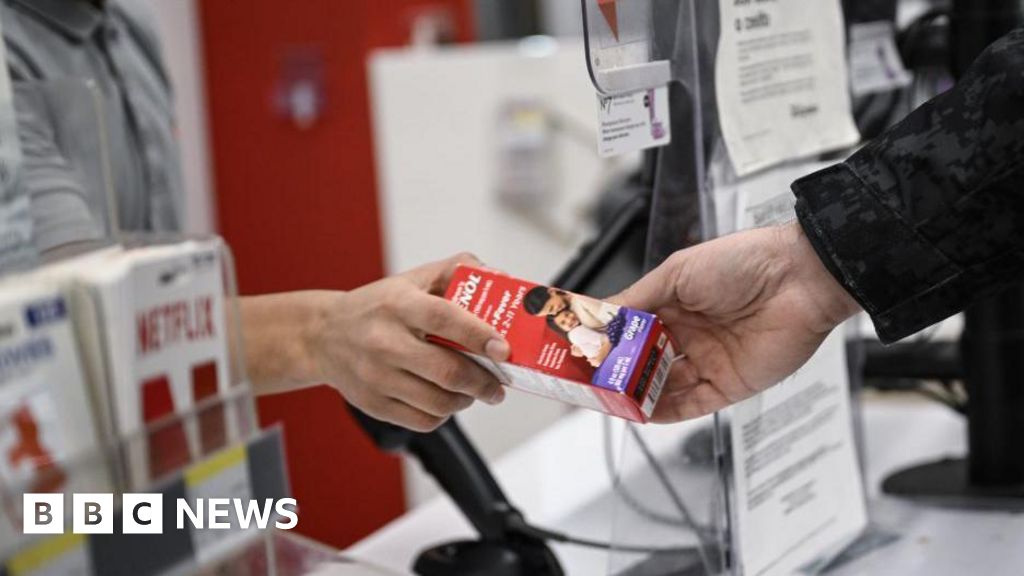
A pharmacist argues that a popular children’s cough syrup is more marketing than medicine: it’s a multi-ingredient product that risks double-dosing and includes an ineffective phenylephrine dose, a sedating antihistamine, and dextromethorphan with weak pediatric evidence, plus dyes and sorbitol. He recommends single-ingredient, age-appropriate options, precise dosing in mL with a syringe, and non-drug measures like humidifiers, saline, fluids, and honey for kids over 1. He also shares practical steps for talking with doctors/pharmacists and reminds caregivers to avoid codeine or tramadol and to seek urgent care for warning signs, emphasizing that the right treatment for kids is safe, targeted care rather than the strongest medicine.

Massive IBS Drug Study Finds Small Mortality Rise With Some Treatments
health1 month ago

Massive IBS Drug Study Finds Small Mortality Rise With Some Treatments

A large, nearly 20-year study of 650,000+ US adults with IBS linked long-term antidepressant use to about a 35% higher risk of death and showed the anti-diarrheal drugs loperamide and diphenoxylate associated with roughly double the risk, though the study notes it shows association, not causation, and the overall individual risk remains low; findings prompt personalized treatment and more long-term safety research.

How Foods Interfere with Your Medications
health9 months ago

How Foods Interfere with Your Medications

Foods can significantly interfere with medications, either enhancing or inhibiting their effects, as seen with grapefruit, cranberry juice, and herbs like turmeric. While some interactions pose risks of toxicity or reduced efficacy, researchers are exploring ways to harness these effects to improve treatment outcomes, emphasizing the importance of understanding individual food-drug interactions for safer and more effective therapies.

Psychiatric Medications May Elevate ALS Risk, Study Finds
health11 months ago

Psychiatric Medications May Elevate ALS Risk, Study Finds

A study suggests that the use of certain psychiatric medications like anxiolytics, hypnotics, sedatives, and antidepressants may be associated with a slightly increased risk of developing ALS, though the overall risk remains low. The research highlights the need for further investigation into the links between psychiatric conditions, their treatments, and neurodegenerative diseases, while emphasizing that ALS is rare and most people on these medications do not develop the disease.

Beware of Weight-Loss Drug Scams Amidst Rising Demand and Shortages
health1 year ago

Beware of Weight-Loss Drug Scams Amidst Rising Demand and Shortages

Pharmacist Neil Raichura warns against the dangers of counterfeit weight-loss injections like Wegovy and Ozempic, which have surged in demand. He highlights the risks of purchasing from uncertified providers, which can lead to severe health issues due to unsafe ingredients and unpredictable side effects. Raichura emphasizes the importance of buying from regulated pharmacies to ensure safety and proper guidance, as unregulated sources often lack support, leading to harmful outcomes. The UK has seen 18 deaths linked to such medications, underscoring the need for caution.

Pediatrician Warns Parents of 'Granny's Purse Syndrome' Risks
health-and-safety1 year ago

Pediatrician Warns Parents of 'Granny's Purse Syndrome' Risks

Dr. Meghan Martin, a Florida-based pediatrician, warns parents about 'granny's purse syndrome' during the holiday season, where children accidentally ingest unsecured medications from grandparents' purses. She highlights that 20% of child poisonings involve such incidents, emphasizing the importance of securing medications in child-resistant containers and avoiding taking them in front of children. Dr. Martin advises calling 911 or Poison Control if ingestion occurs, urging families to ensure a safe holiday environment.

The Truth About Weight Loss Drugs: Risks and Realities
health1 year ago

The Truth About Weight Loss Drugs: Risks and Realities

Ozempic, a medication approved for type 2 diabetes and known for aiding weight loss, has not been linked to any fatal outcomes, though it can cause severe side effects like gastrointestinal issues. Dr. Alexandra Sowa emphasizes the importance of consulting healthcare providers about the risks and benefits of Ozempic, noting that while serious complications like gastroparesis are rare, they are more common in patients with diabetes. Overdosing on Ozempic can lead to nausea and vomiting, and patients are advised to follow dosing instructions carefully and consult their doctor if they experience unusual symptoms.

"Rising Concerns: The Safety of Melatonin for Children"
health2 years ago

"Rising Concerns: The Safety of Melatonin for Children"

Melatonin, a hormone that regulates sleep-wake cycles, has led to thousands of emergency department visits for unsupervised ingestion by children, particularly involving flavored products like gummies. While most cases result in mild side effects, such as drowsiness, experts warn of potential risks, including seizures and comas. The CDC recommends keeping melatonin out of reach and sight of youngsters, as it is not required to have child-resistant packaging. While supervised use of melatonin for children may be safe for short-term use, experts caution against giving supplements without consulting a doctor and recommend behavioral sleep aids over medication for both children and adults.

"Understanding and Addressing Childhood Anxiety: A Parent's Essential Guide"
health2 years ago

"Understanding and Addressing Childhood Anxiety: A Parent's Essential Guide"

Medication can be a crucial tool for kids struggling with anxiety, but it's not a one-size-fits-all solution. Starting medication is a complex decision, and non-pharmacological options like therapy are explored first. If medication is recommended, open communication with healthcare providers and active participation in decisions about the child's well-being are crucial. Safety considerations and potential side effects need monitoring, and medication may be part of a comprehensive approach, providing immediate relief while addressing underlying issues. Lifestyle adjustments and techniques, such as creating a supportive family environment, prioritizing sleep hygiene, and cognitive behavioral therapy, can also help minimize anxiety for kids.