Tag

Meteor Observation

All articles tagged with #meteor observation

Orionid Meteor Shower Peaks Overnight: Halley’s Comet Debris Offers Brief Dark-Sky Window
science1 month ago

Orionid Meteor Shower Peaks Overnight: Halley’s Comet Debris Offers Brief Dark-Sky Window

The Orionid meteor shower reaches its peak activity overnight between October 21 and 22, 2026. This annual event is caused by Earth passing through debris left by Halley’s Comet, which orbits the sun every 76 years. While the shower is active from October 2 to November 7, the highest concentration of meteors occurs during the peak night. Observers can expect up to 20 meteors per hour under ideal conditions, though some years have seen rates reach 60 to 70 per hour. The meteors are known for being bright and fast, originating from the constellation Orion, specifically near the star Betelgeuse. Clear weather is forecast for the evening, providing a favorable opportunity for viewing despite lunar interference.

1-Meter Asteroid CERNQ52 Burns Up Harmlessly Over Indian Ocean Near Australia
space2 months ago

1-Meter Asteroid CERNQ52 Burns Up Harmlessly Over Indian Ocean Near Australia

A small asteroid, designated CERNQ52 and measuring approximately 1 meter in diameter, entered Earth's atmosphere on September 6, 2026, at 16:07 UTC. The object, detected by the Mount Lemmon Observatory as part of the Catalina Sky Survey, impacted over the Indian Ocean northwest of Australia. The event produced a bright meteor visible to local observers but posed no danger, as the object fully ablated in the upper atmosphere. This marks the 13th time an asteroid has been discovered before impact. Richard Moissl, Head of Planetary Defense for the European Space Agency (ESA), confirmed the harmless nature of the event, noting the object's diameter at approximately 0.8 meters. Adrien Coffinet, a member of the Minor Planet Mailing List, identified the object as an Aten asteroid, characterized by an orbit entirely inside Earth's path around the Sun. Residents in the affected region were encouraged to report sightings to the International Meteor Organization. The event serves as a practical test of planetary defense monitoring systems, demonstrating the capability to detect and track small objects before they reach Earth.

Catch the Leonid Meteor Shower Despite the Supermoon
science2 years ago

Catch the Leonid Meteor Shower Despite the Supermoon

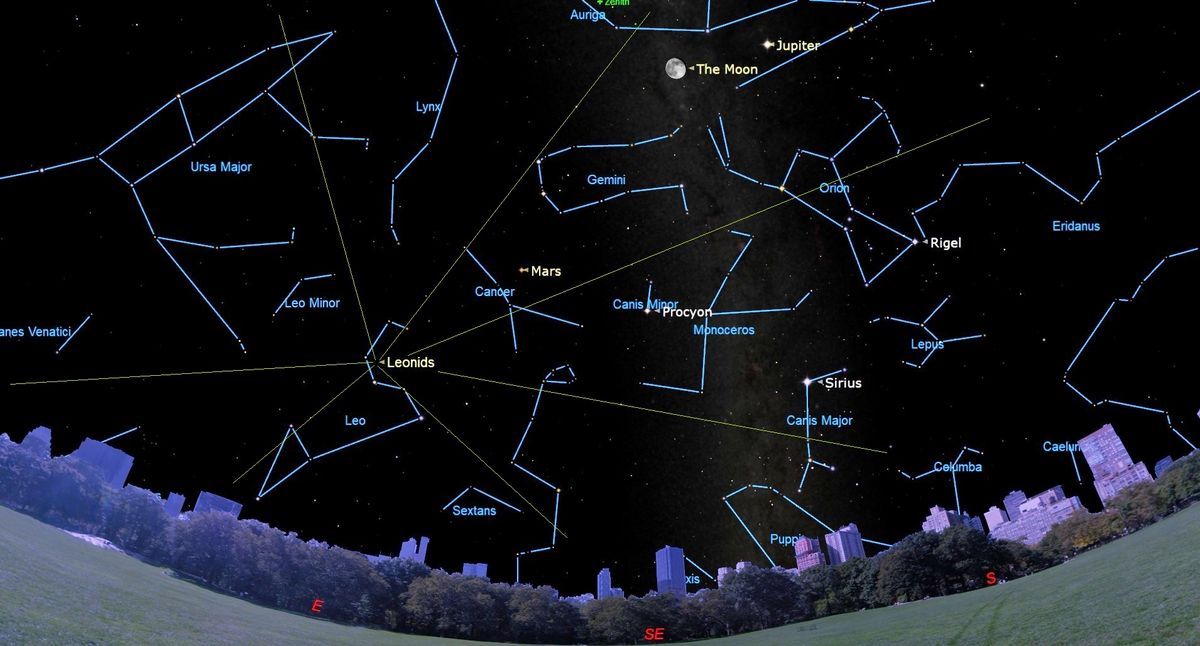
The Leonid meteor shower, peaking on November 17, 2024, is expected to be underwhelming due to the bright moonlight from a nearly full moon, which will obscure the view of the meteors. Typically producing 10 to 20 meteors per hour, this year's display is unlikely to be spectacular. The Leonids originate from the debris of the Tempel-Tuttle comet, and while historically capable of producing meteor storms, no unusual activity is forecasted for 2024. Observers are advised to watch in the pre-dawn hours when Leo is visible, despite the challenging conditions.

"Monitoring the Aurora with All-Sky Cameras"
science-and-technology2 years ago

"Monitoring the Aurora with All-Sky Cameras"

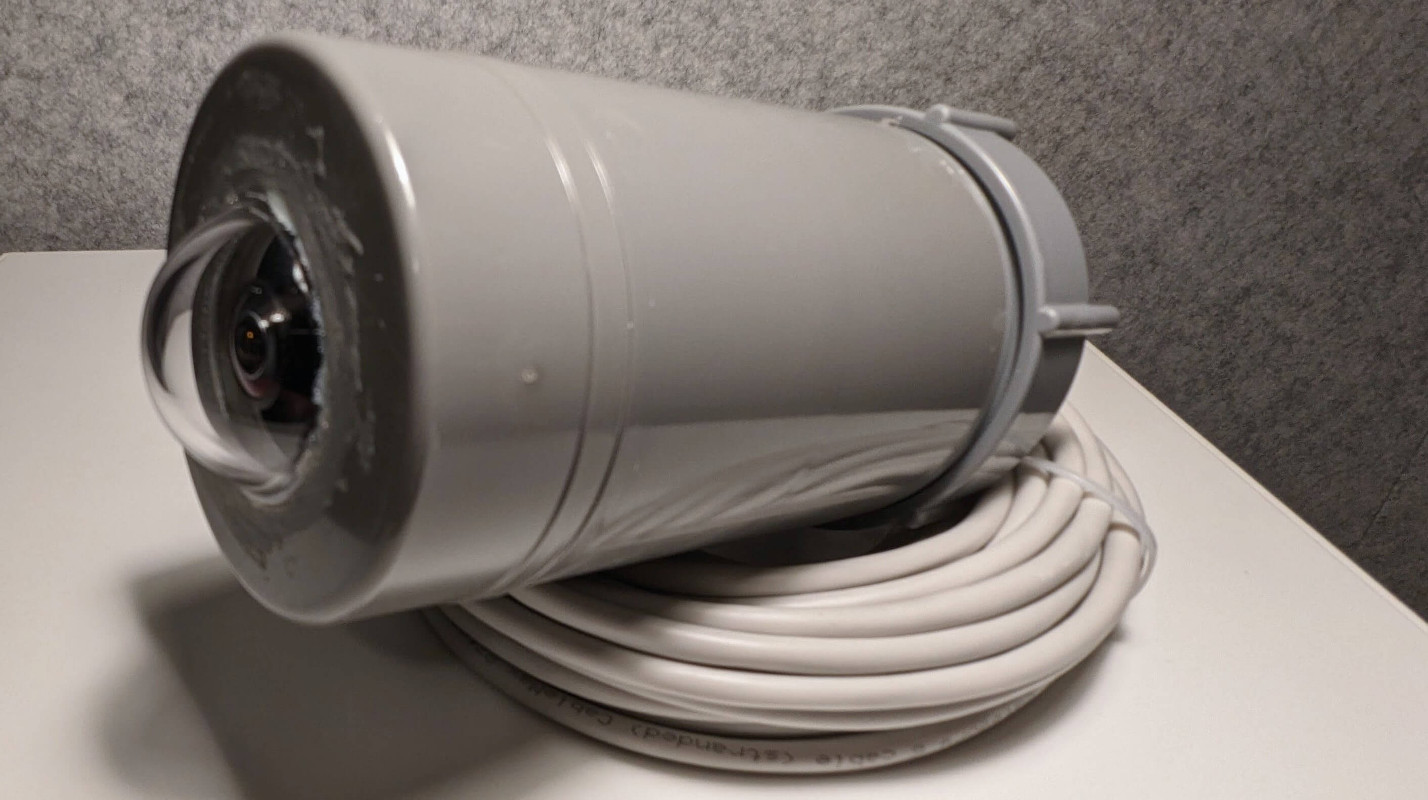
An all-sky camera built by [Frank] using a Raspberry Pi and PVC tubing enclosure is designed to withstand extreme temperatures and capture images of the aurora borealis. The system, powered by ethernet, aims to automatically detect auroras and send notifications. Additionally, the camera can be used to observe meteors and triangulate their positions on the ground.

"Experience the Perseid Meteor Shower through Your FM Radio: A Unique Observing Opportunity"
science-and-technology3 years ago

"Experience the Perseid Meteor Shower through Your FM Radio: A Unique Observing Opportunity"

You can track meteors by listening to them on your FM radio by finding a radio station transmitting from a city far enough from you. Meteors leave an ionized trail in the atmosphere that reflects FM radio signals. Radio observation allows for the detection of smaller particles than visual observations. While radio observation does not provide information on the direction of meteors, it can be done during cloudy nights or daylight hours. Different daytime meteor showers, such as the Arietids, Zeta Perseids, and Beta Taurids, can be observed using radio observation. The Perseid meteor shower, which peaks on the night of 13/14 August, is a favorite for many observers. Radio observations are best conducted overnight when human activity is low, and the number of detectable meteors increases after midnight. A step-by-step guide is provided for setting up and tuning into FM radio stations to listen to the Perseid meteor shower.