Tag

Near Infrared

All articles tagged with #near infrared

Light-Activated Molecular Jackhammer Destroys 99% of Cancer Cells in Lab
science1 month ago

Light-Activated Molecular Jackhammer Destroys 99% of Cancer Cells in Lab

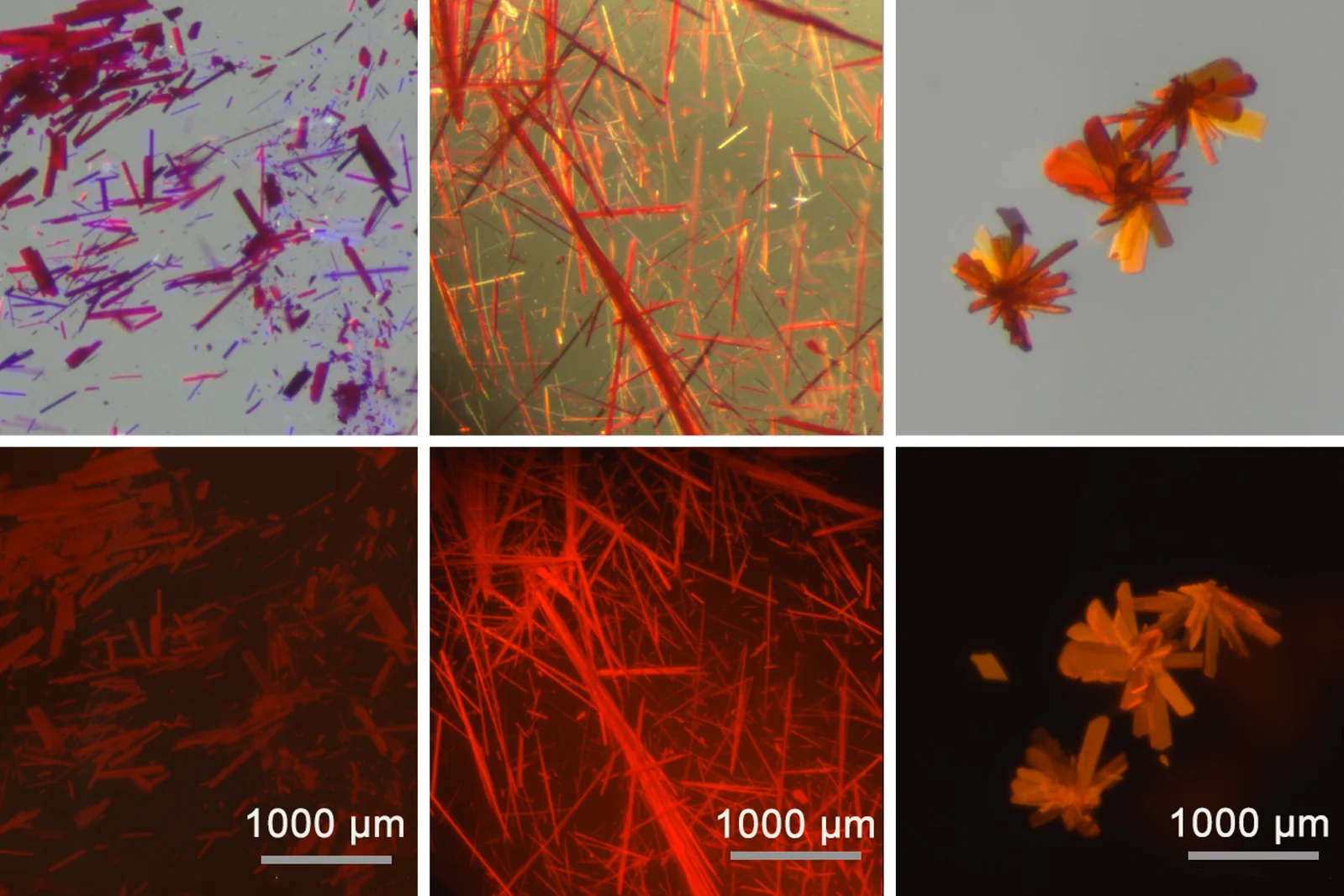
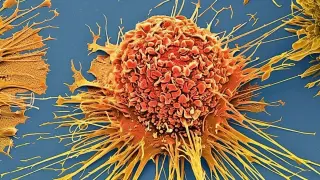
Scientists report a novel mechanical cancer-killing approach dubbed the molecular jackhammer, which uses aminocyanine dyes activated by near-infrared light to tear apart cancer cell membranes, achieving about 99% destruction in lab cultures and curing roughly half of melanoma mouse models; ongoing work aims to broaden cancer targets with reduced toxicity, but human trials are not yet underway.
Light-Activated Molecular Jackhammers Physically Tear Cancer Cells in Lab
science1 month ago

Light-Activated Molecular Jackhammers Physically Tear Cancer Cells in Lab

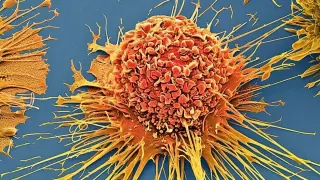
Researchers have devised a liquidless “molecular jackhammer” approach that uses aminocyanine molecules activated by near-infrared light to mechanically tear apart cancer cell membranes. In lab cultures, the method achieved about 99% cancer cell destruction, and in mouse melanoma models some animals became cancer-free. Since the initial Nature Chemistry report in 2023, follow-up work in Advanced Science (2024) has explored many variants to target different cancers and improve tissue reach with near-infrared light. The technique is still early—human trials have not begun, safety and delivery in humans remain to be established, and although the approach may reduce resistance risks due to its mechanical action, translating findings from cells and animals to patients will be challenging.

Ancient cave microbes in New Mexico thrive on unseen light
science5 months ago

Ancient cave microbes in New Mexico thrive on unseen light

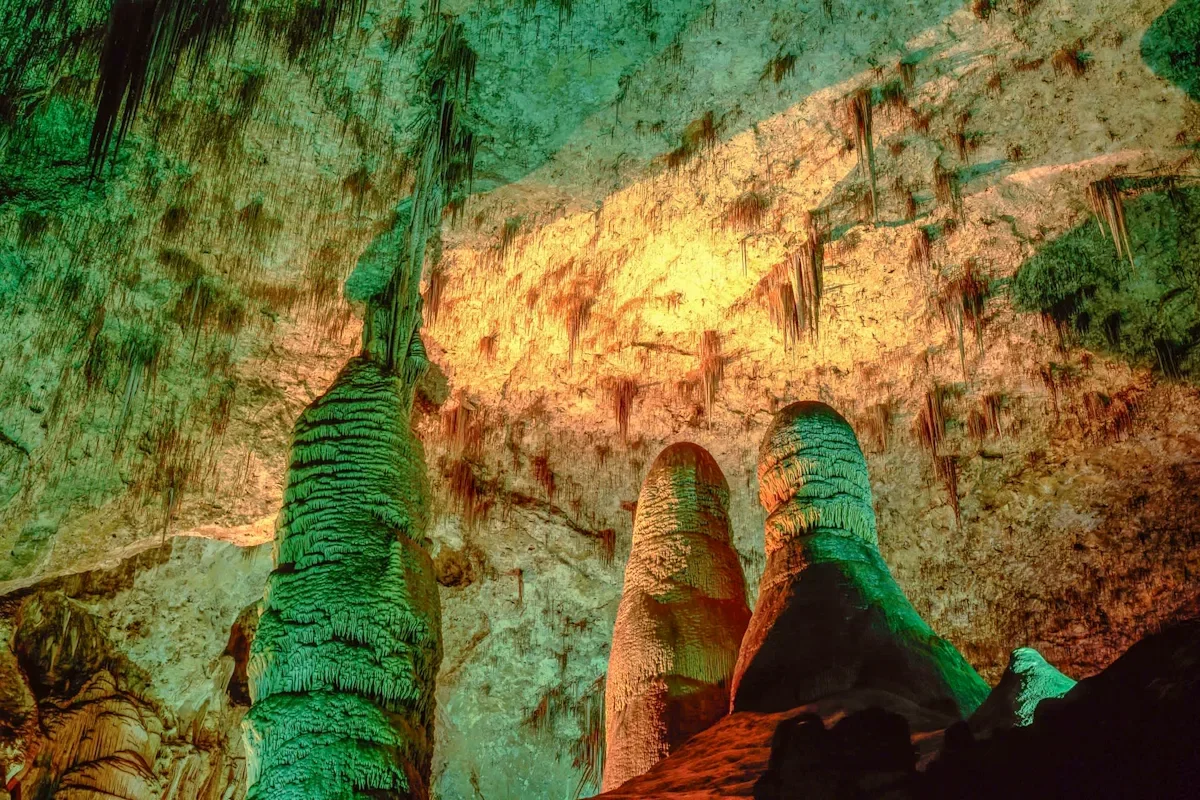
Microbes in Carlsbad Caverns toes the line between geology and biology, as cyanobacteria living on cave walls photosynthesize using near-infrared light that human eyes can’t see; the reflected light concentrates far from entrances, suggesting life could persist in ultra-dark, light-limited environments and offering clues for detecting life on other worlds, potentially guiding NASA’s future research with the James Webb Space Telescope.

"Webb Space Telescope's Stunning HD View Reveals Hidden Secrets of Exploded Star"
astronomy2 years ago

"Webb Space Telescope's Stunning HD View Reveals Hidden Secrets of Exploded Star"

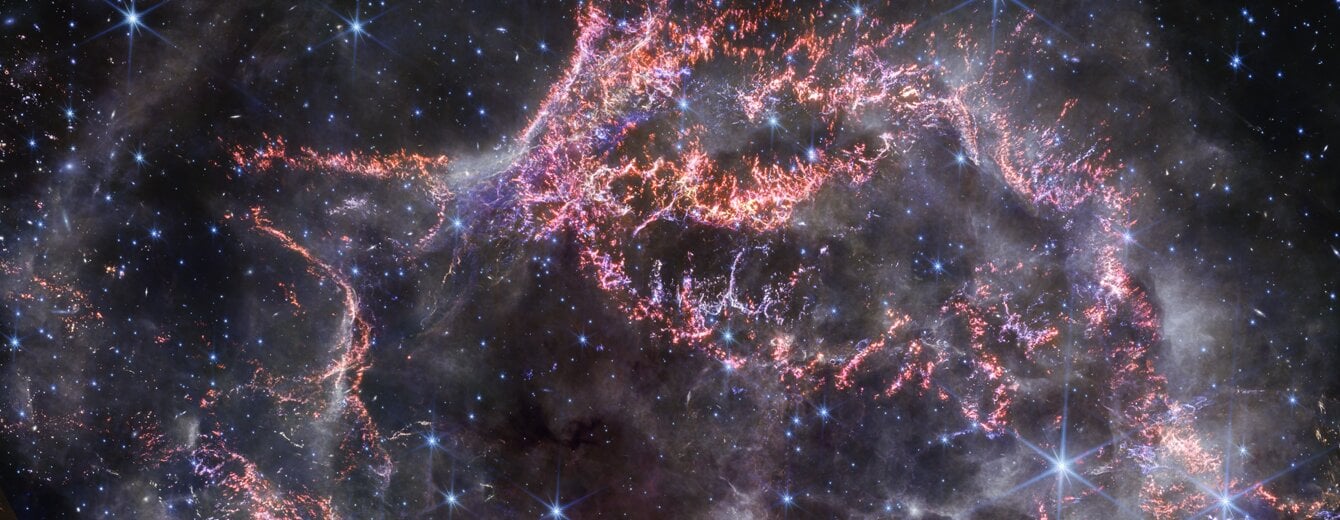
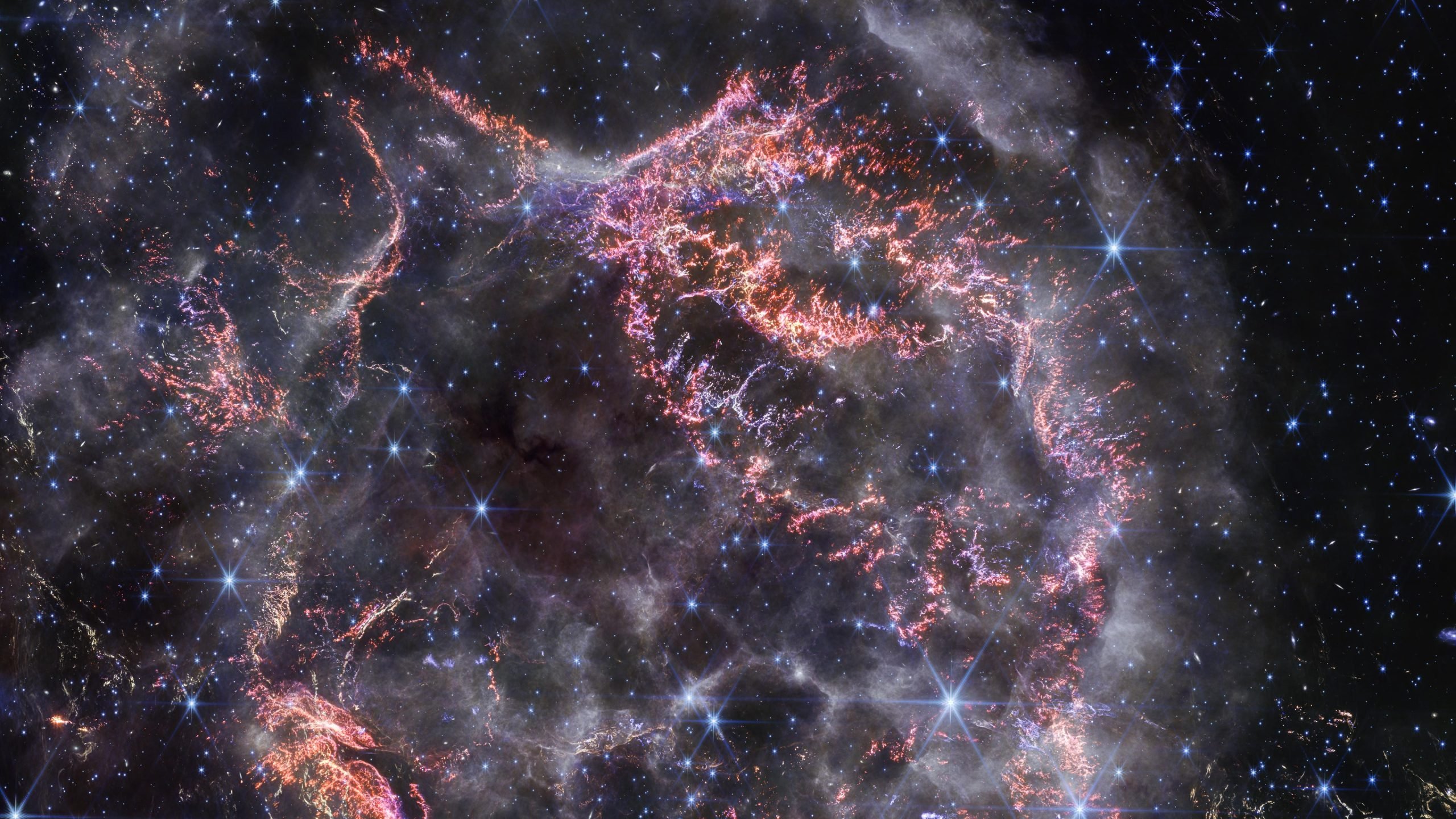
The James Webb Space Telescope has provided a stunning new high-definition look at the supernova remnant Cassiopeia A (Cas A) in the near-infrared spectrum. The image reveals intricate details of the expanding shell of material from the exploded star, including tiny knots of gas and light echoes. The image also highlights the absence of color in certain regions, indicating the presence of ionized gas and dust. Researchers are particularly intrigued by a large, striated blob called "Baby Cas A," which appears to be a light echo located about 170 light-years behind the supernova remnant.

"Webb Space Telescope's Stunning HD View Reveals Hidden 'Green Monster' in Exploded Star"
space2 years ago

"Webb Space Telescope's Stunning HD View Reveals Hidden 'Green Monster' in Exploded Star"

The James Webb Space Telescope has captured a stunning high-definition image of the supernova remnant Cassiopeia A (Cas A), revealing intricate details and hidden features. The near-infrared image showcases the expanding shell of material colliding with the gas shed by the star before it exploded. The image highlights tiny knots of gas, circular holes within the "Green Monster" (a loop of green light in Cas A's inner cavity), and light echoes from the star's explosion. The image also reveals a large, striated blob known as "Baby Cas A," which is a light echo located about 170 light-years behind the supernova remnant.

Unveiling the Enigmatic Periphery of a Supermassive Black Hole's Accretion Disk
astronomy2 years ago

Unveiling the Enigmatic Periphery of a Supermassive Black Hole's Accretion Disk

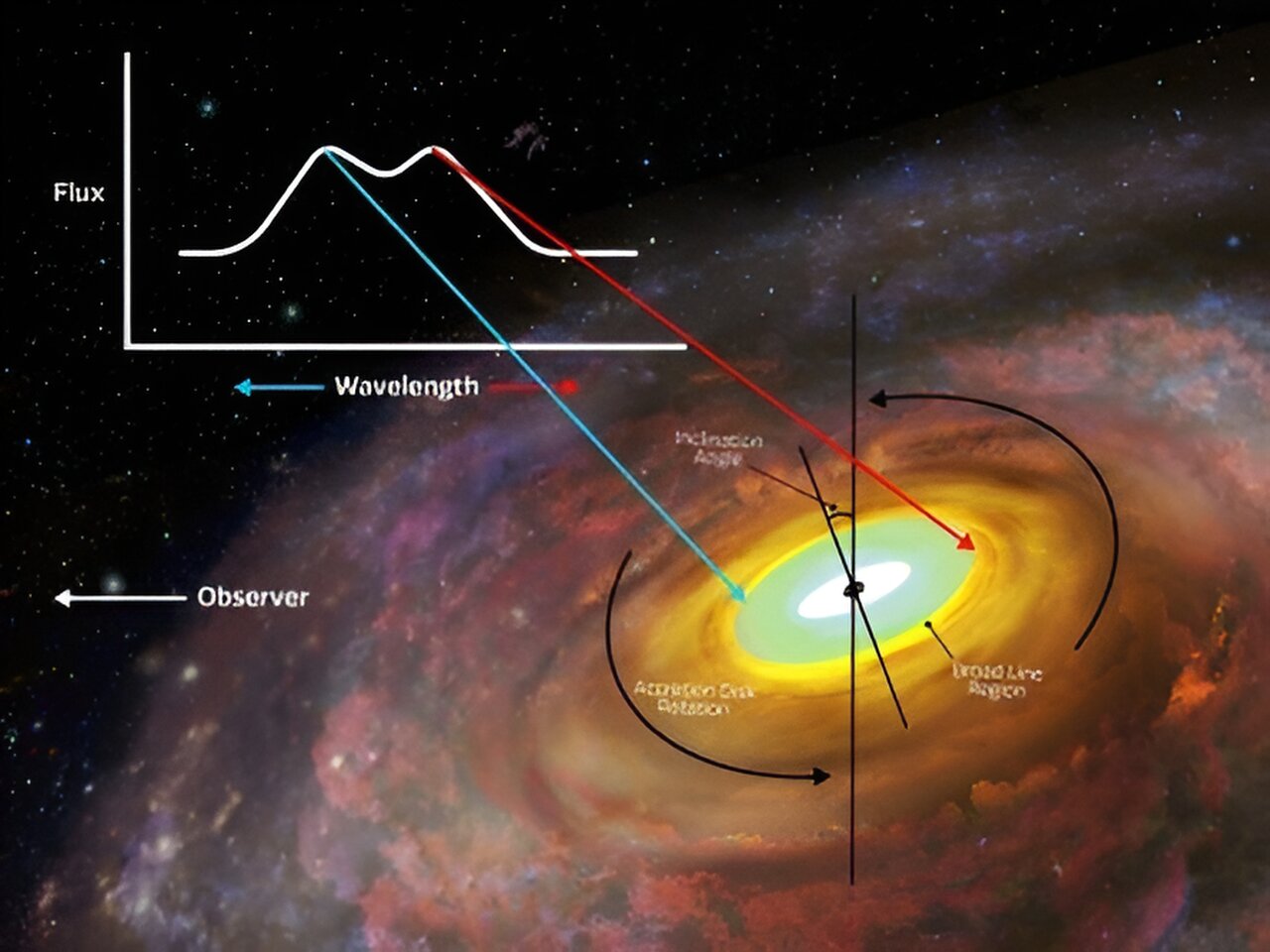
Astronomers using the Gemini North telescope have made the first detection ever of two near-infrared emission lines in the accretion disk of the galaxy III Zw 002, providing new insights into the size and behavior of these structures. Emission lines, which result from excited atoms releasing light, broaden into shallower peaks in the accretion disk due to the black hole's gravitational influence. The double-peaked profiles observed in III Zw 002's broad line region confirm the presence of an accretion disk and advance understanding of its geometry. The observations also reveal the feeding process and inner structure of the active galaxy's supermassive black hole.