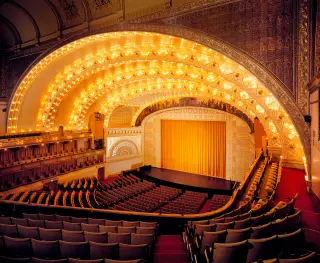
Open House Chicago Expands to 200+ Venues, Adding 20 Debuts
Open House Chicago returns Oct. 17–18 for its 16th edition, offering free, no-registration access to more than 200 architectural and cultural sites across 30 Chicago neighborhoods, with 20 new debuts including Muddy Waters MOJO Museum, Smashed Plastic vinyl pressing, and the Women’s Athletic Club. The festival, organized by the Chicago Architecture Center, typically draws tens of thousands of visitors; returning highlights include Adler & Sullivan’s 1889 Auditorium Theater, Walt Disney House and Birthplace, Jazz Age Park Castle Condominiums, Al-Sadiq Mosque, and the Chicago Magic Lounge, as the center also kicks off its 60th anniversary and a Built on Belief initiative in Woodlawn.