Tag

Neil Degrasse Tyson

All articles tagged with #neil degrasse tyson

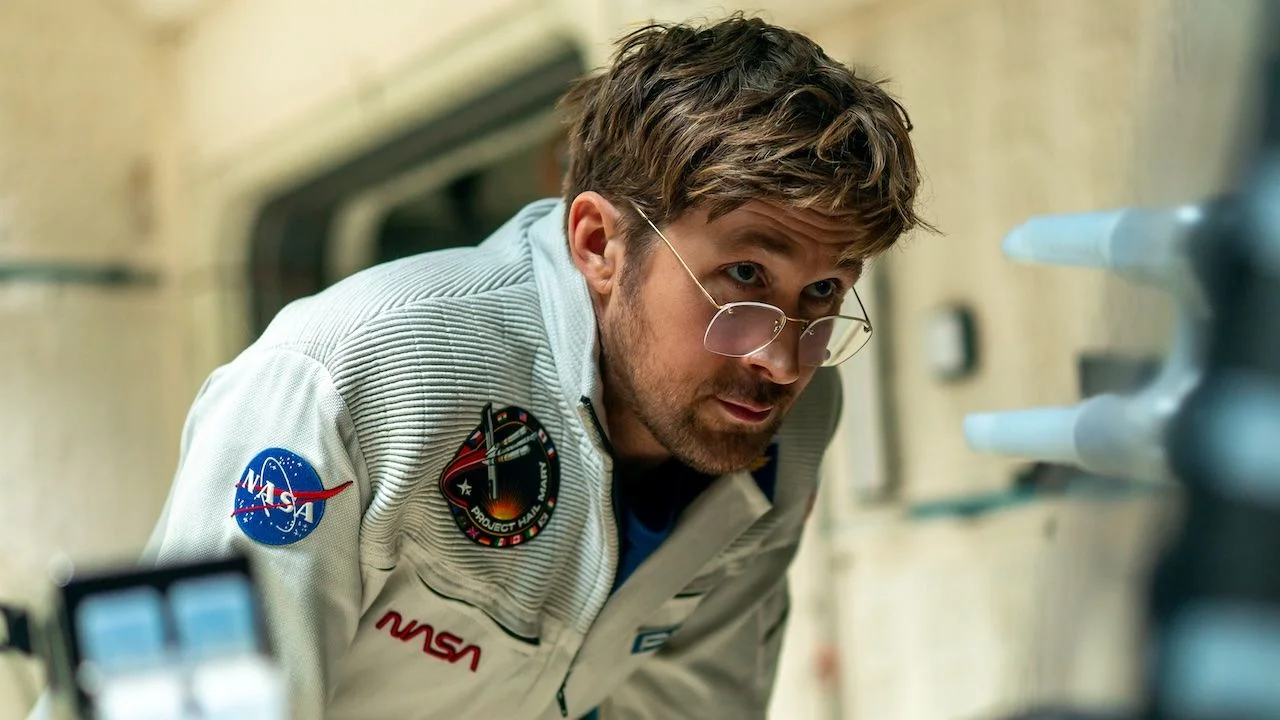
Lord & Miller Score Tyson's Nod on Project Hail Mary's Science
movies20 days ago

Lord & Miller Score Tyson's Nod on Project Hail Mary's Science

Filmmakers Phil Lord and Chris Miller asked Neil deGrasse Tyson to critique the science in Project Hail Mary; after attending a premiere, Tyson reportedly said they got the science right and passed the Tyson test. The piece notes Tyson's history of critiquing sci‑fi and mentions Brian Cox's input, while the movie opened with about $11 million domestically.

Is the Universe a Computer? Tyson Sparks the Simulation Debate
science1 month ago

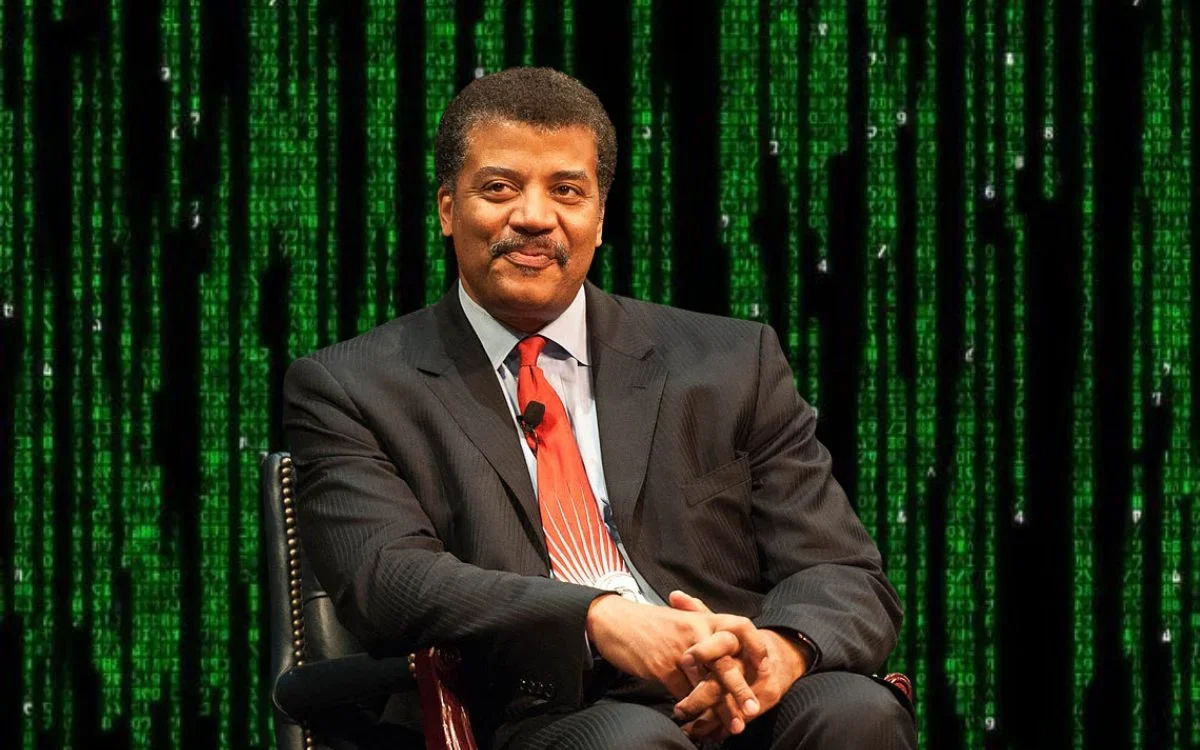
Is the Universe a Computer? Tyson Sparks the Simulation Debate

Neil deGrasse Tyson suggests the universe could be a simulation created by an advanced civilization, while Melvin Vopson argues that signs in physics—especially information entropy and the need for data compression—could support that claim; though the idea remains controversial and not widely accepted, it continues to fuel debate on whether reality is ultimately computable.

Cosmos Confidential: Tyson and Shatner's Five-Hour Audio Dialogue
entertainment2 months ago

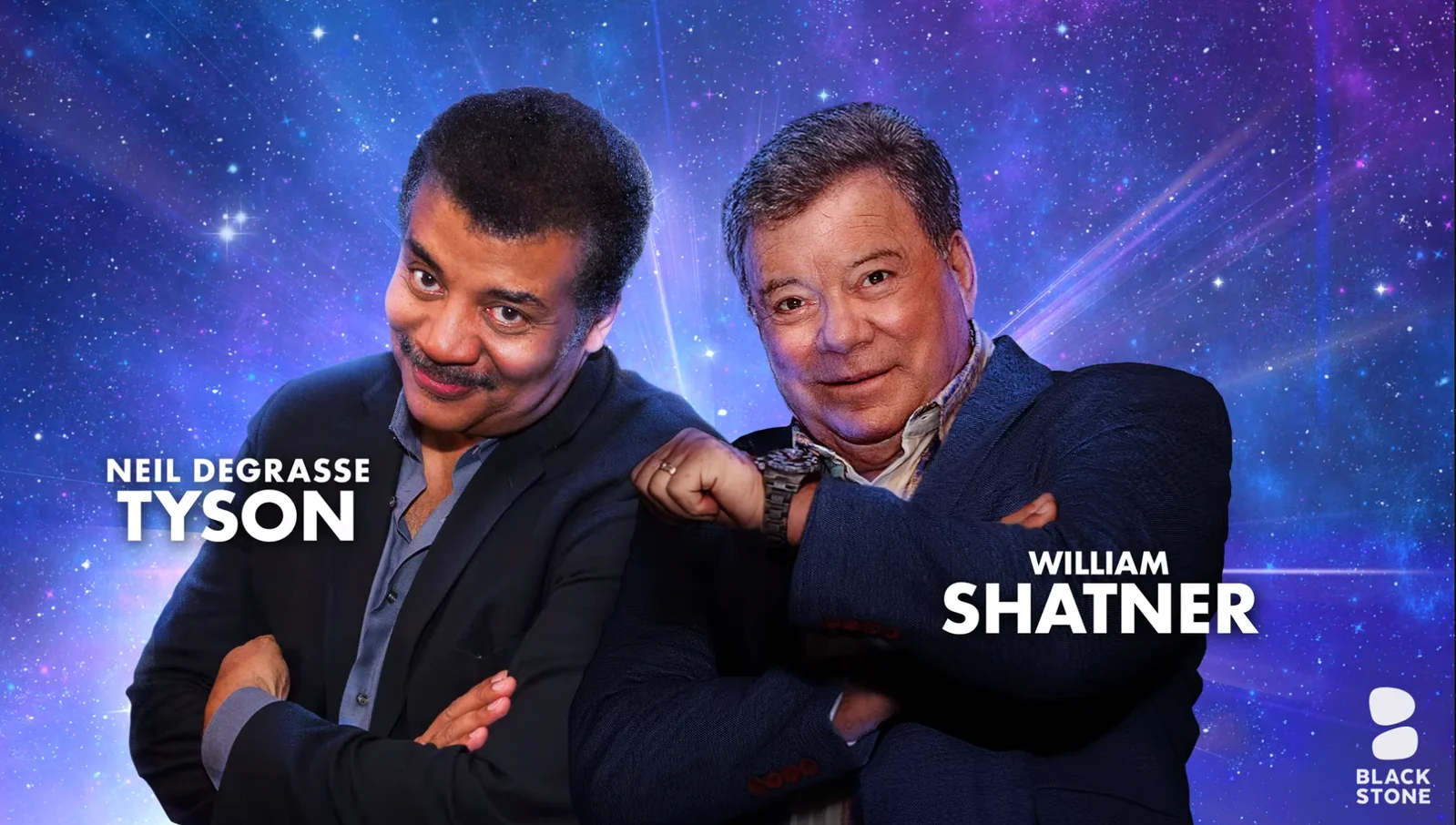
Cosmos Confidential: Tyson and Shatner's Five-Hour Audio Dialogue

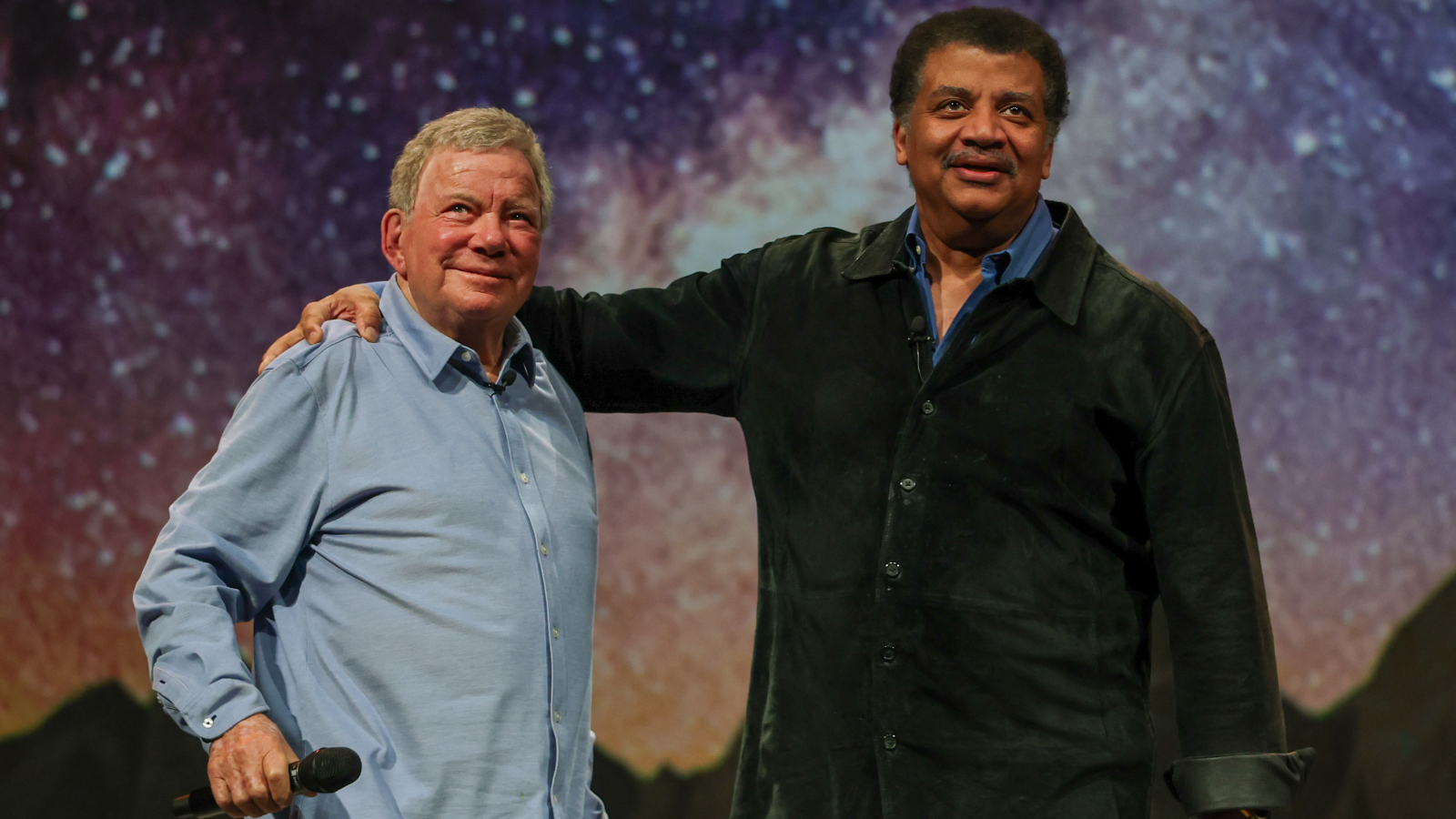
Space.com reports that astrophysicist Neil deGrasse Tyson and Star Trek icon William Shatner have released Cosmos Confidential, a five-hour audio dialogue recorded at Shatner’s home that dives into life, mortality, science, spirituality, and personal stories; sparked by their Antarctica cruise chats and a Seattle show, the project could move to theaters or streaming if successful, with the new audio book available from Blackstone Publishing on February 3, 2026 in MP3 and audio CD formats.

Neil deGrasse Tyson and Elon Musk Clash Over Mars Colonization Vision
science-and-technology1 year ago

Neil deGrasse Tyson and Elon Musk Clash Over Mars Colonization Vision

Astrophysicist Neil deGrasse Tyson criticized Elon Musk's Mars colonization plans, arguing that such a mission would only be feasible with geopolitical motivation, not as a pure exploration project. Tyson believes investment in Mars is unlikely due to high costs and low returns, suggesting focus should be on Earth. Musk countered, emphasizing Mars' importance for the survival of consciousness and stating he won't seek venture capital, instead using resources from SpaceX's Starlink. SpaceX continues developing its Starship vehicle, aiming for significant future launches.

Neil deGrasse Tyson Criticizes Elon Musk's Mars Colonization Ambitions
science-and-technology1 year ago

Neil deGrasse Tyson Criticizes Elon Musk's Mars Colonization Ambitions

Astrophysicist Neil deGrasse Tyson criticized Elon Musk's Mars colonization plans during a discussion with Bill Maher, arguing that such endeavors are not feasible without government interest and funding. Tyson believes the venture is a poor investment with no return, while Musk insists Mars is vital for humanity's survival and plans to fund it without venture capital. Musk responded to the criticism by dismissing it and making controversial remarks. This isn't the first time Tyson has critiqued Musk, though he has previously acknowledged SpaceX's contributions to space exploration.

"Manhattanhenge 2024: NYC's Iconic Sunset Returns"
science-and-nature1 year ago

"Manhattanhenge 2024: NYC's Iconic Sunset Returns"

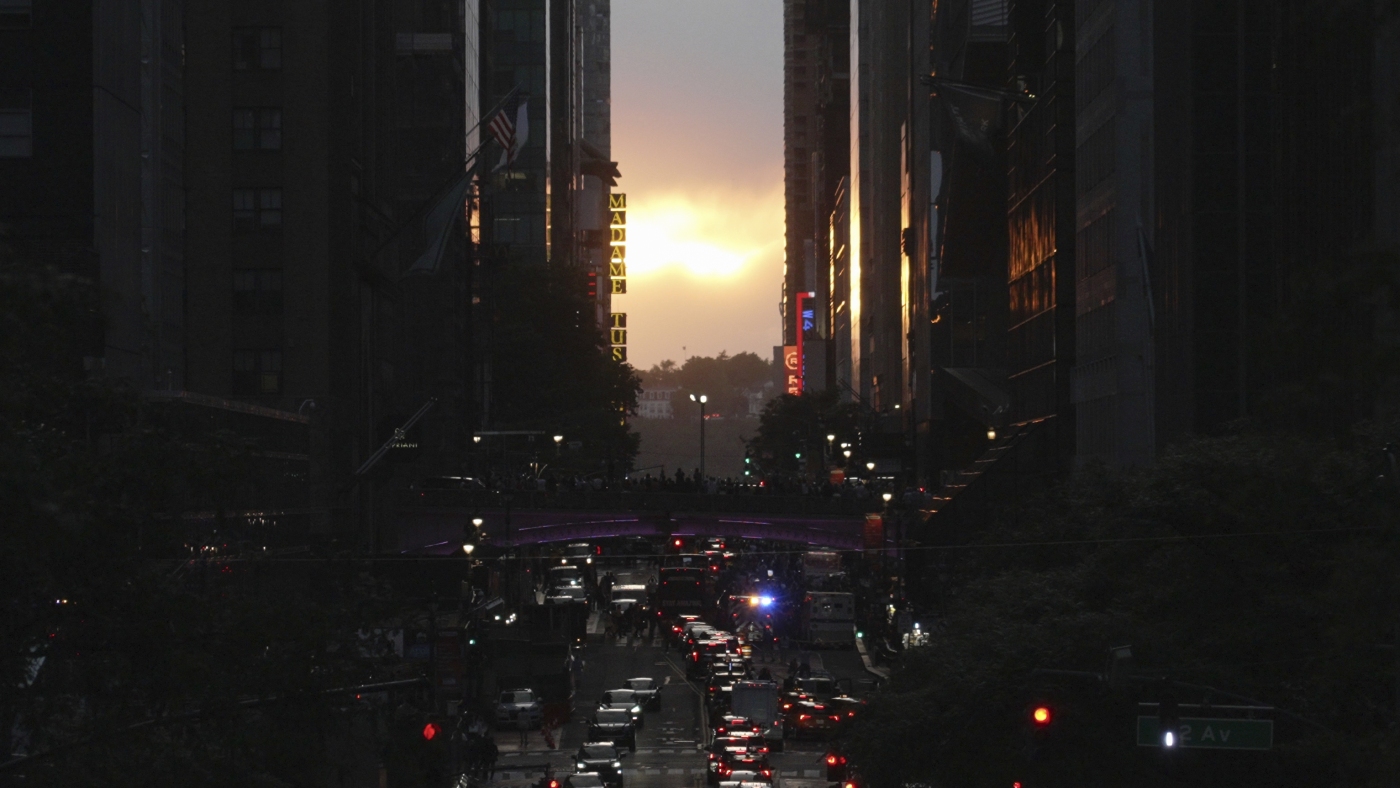
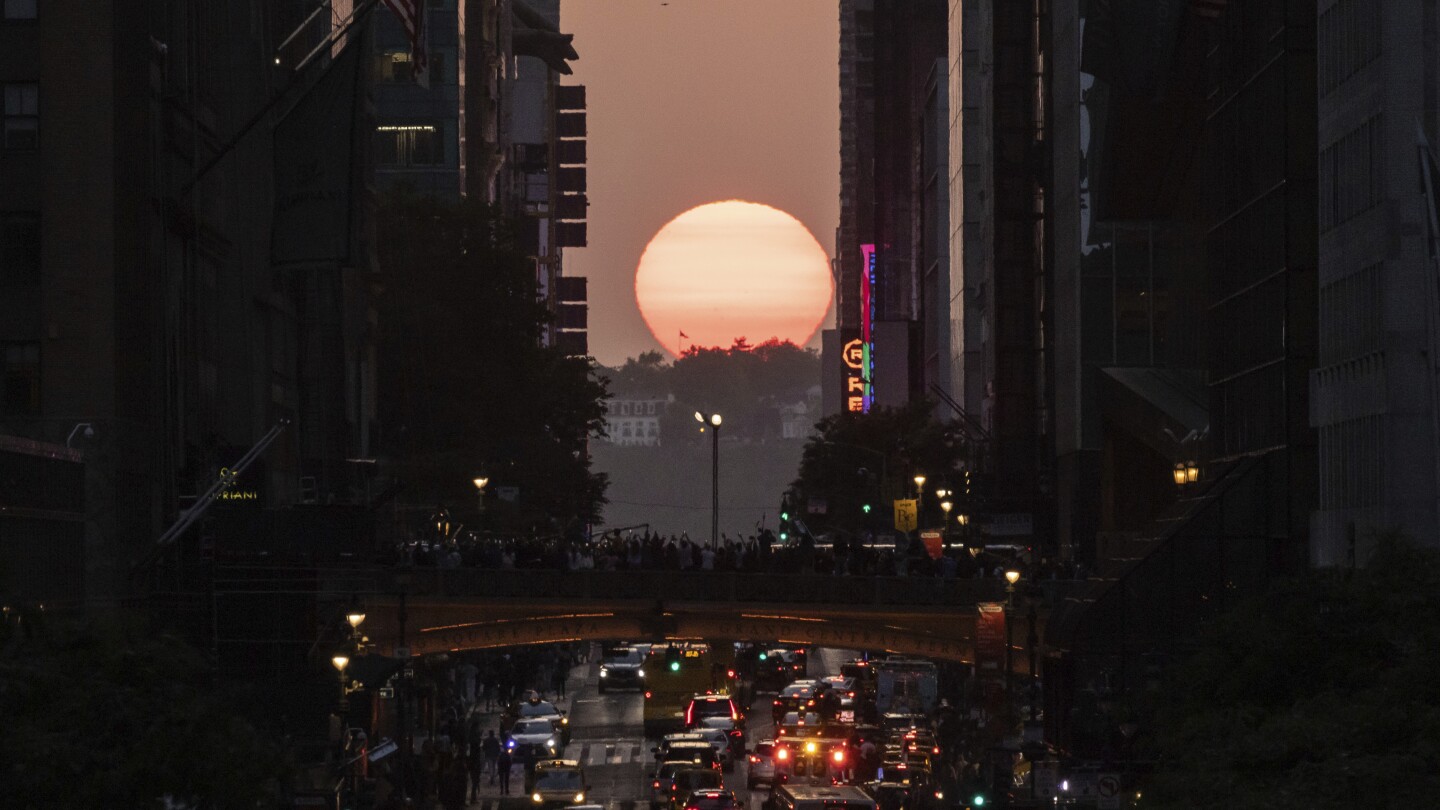
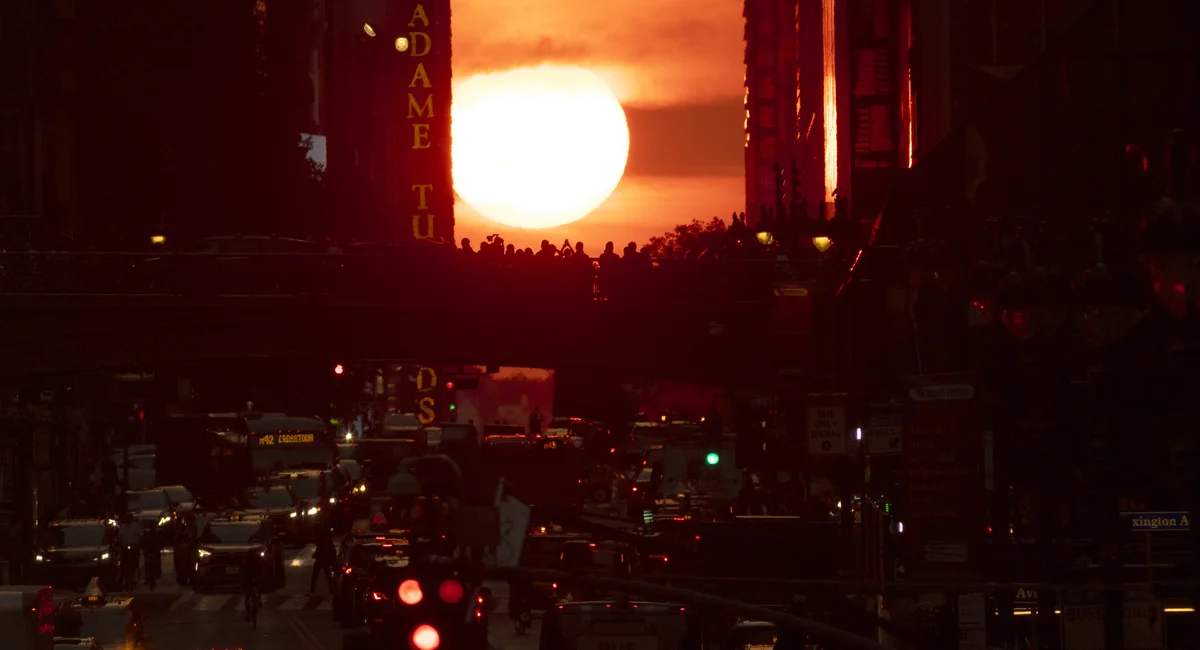
Manhattanhenge is a biannual event where the setting sun aligns perfectly with Manhattan's street grid, creating a stunning visual effect. Coined by astrophysicist Neil deGrasse Tyson, this phenomenon occurs around the summer solstice and draws large crowds eager to capture the golden hour light framed by the city's skyscrapers. The best viewing spot is on 42nd Street, but it can be challenging to see from below 14th Street.

"Manhattanhenge 2024: When and Where to Watch NYC's Sunset Spectacle"
science-and-nature1 year ago

"Manhattanhenge 2024: When and Where to Watch NYC's Sunset Spectacle"

Manhattanhenge is a biannual event where the setting sun aligns with Manhattan's street grid, creating a striking visual framed by skyscrapers. Coined by astrophysicist Neil deGrasse Tyson, this phenomenon occurs around three weeks before and after the summer solstice. Key viewing dates are May 28-29 and July 12-13, with popular spots including 14th, 23rd, 34th, 42nd, and 57th Streets. Similar events occur in other cities with grid systems, but Manhattanhenge is unique due to the city's tall buildings and clear view to the Hudson River.

Manhattanhenge 2024: Best Viewing Spots and Times in NYC
events1 year ago

Manhattanhenge 2024: Best Viewing Spots and Times in NYC

Manhattanhenge, the phenomenon where the Sun aligns perfectly with Manhattan's east-west streets, returns on May 28, 2024. This event, which occurs twice a year, offers stunning sunset views and photo opportunities. The best viewing spots include 14th, 23rd, 34th, 42nd, and 57th Streets. The term was coined by astrophysicist Neil deGrasse Tyson, inspired by Stonehenge. If missed, the next Manhattanhenge will be on July 12 and 13.

"Neil deGrasse Tyson Launches StarTalk TV on Pluto TV"
science-and-technology2 years ago

"Neil deGrasse Tyson Launches StarTalk TV on Pluto TV"

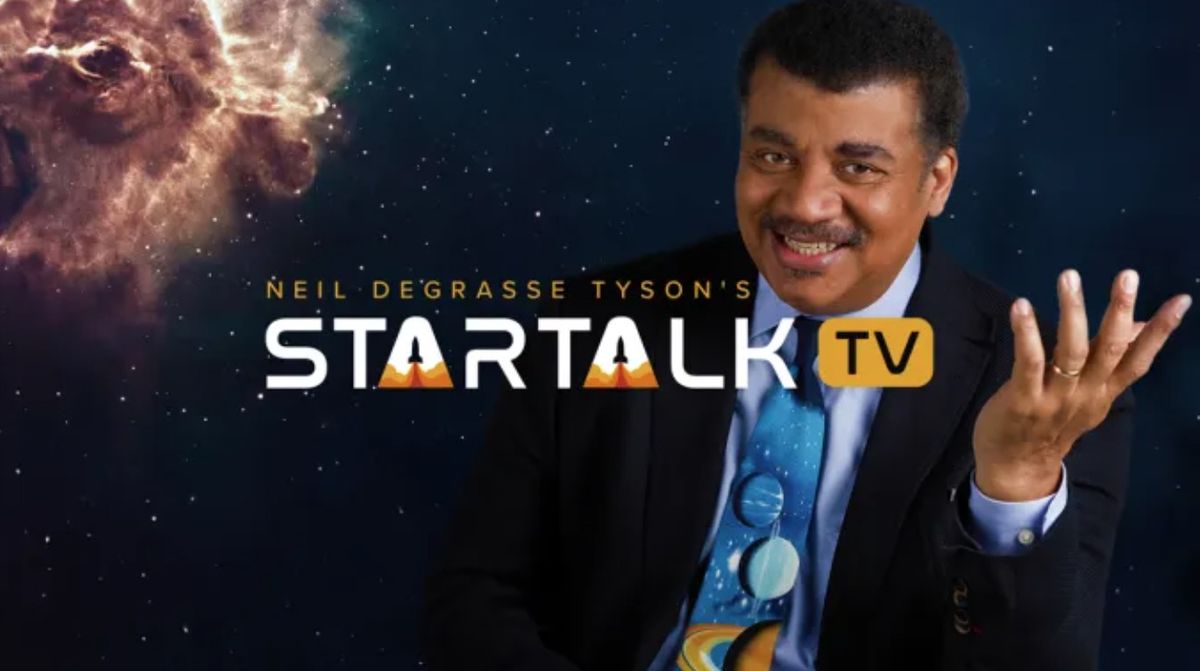
Neil deGrasse Tyson's popular educational podcast, StarTalk, has launched a new 24-hour streaming channel called StarTalk TV on Pluto TV, featuring engaging discussions on space missions, physics, astronomy, and more. The channel, developed in partnership with Jellysmack, aims to make cosmic phenomena accessible to viewers and expand Tyson's global reach beyond his 25 million social media followers. The launch reinforces Pluto TV as a source of entertainment and education, providing content that inspires curiosity and fosters a deeper understanding of the universe.

"Neil deGrasse Tyson Reveals the Cosmic Reason Why Everyone is Special"
science2 years ago

"Neil deGrasse Tyson Reveals the Cosmic Reason Why Everyone is Special"

Astrophysicist Neil deGrasse Tyson discusses the cosmic perspective and its impact on human ego, emphasizing our connection to the universe as stardust. He argues that this connection, rather than individual uniqueness, is what makes us special. By understanding that the atoms in our bodies originated from stars, Tyson believes we can feel a sense of kinship with the cosmos, leading to a feeling of significance and unity with the universe.