Tag

Binary Star System

All articles tagged with #binary star system

Astronomers Await the Imminent but Unpredictable Nova Flare of T. Coronae Borealis
science-and-space8 days ago

Astronomers Await the Imminent but Unpredictable Nova Flare of T. Coronae Borealis

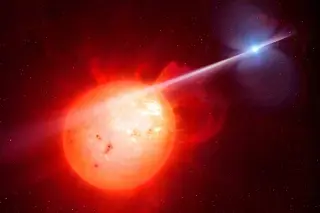
T. Coronae Borealis, a binary star system consisting of a white dwarf and a red giant, is expected to undergo a nova explosion within the next few years. The last eruption occurred in 1946, and the system is currently in a phase where material accumulation on the white dwarf is nearing a critical threshold. While the event is imminent, precise timing remains impossible due to the inability to accurately measure gas transfer rates and trigger mass. When the flare occurs, the star will brighten from magnitude +10 to +1.7, becoming visible to the naked eye for a few days before fading, though X-ray and radio emissions will persist for months.
VLT captures definitive image of Betelgeuse's elusive companion star
astronomy3 months ago

VLT captures definitive image of Betelgeuse's elusive companion star

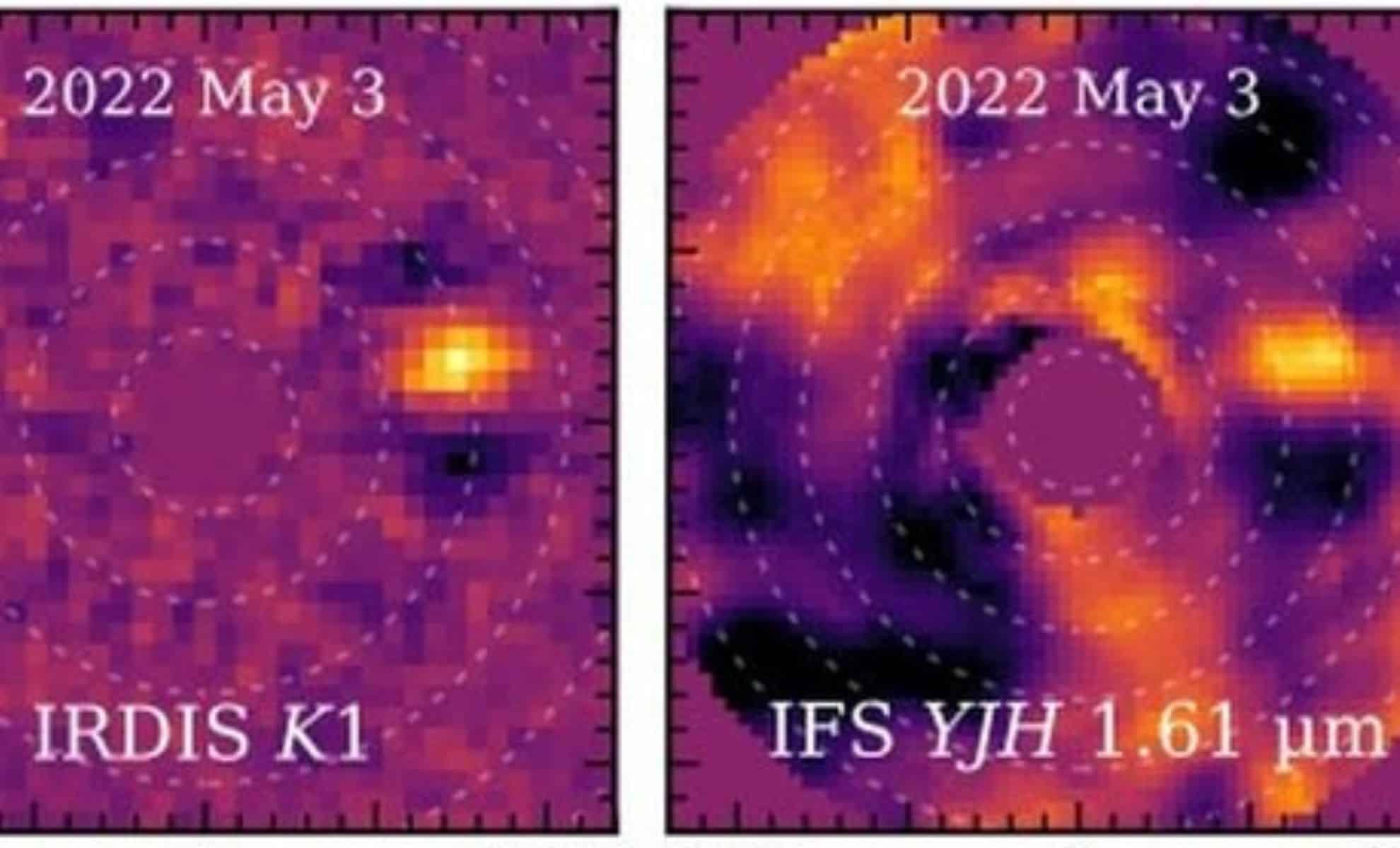
Astronomers have captured the clearest image yet of Betelgeuse's companion star, confirming a century-old hypothesis that the famous red supergiant is part of a binary system. Using the Very Large Telescope in Chile, researchers detected the fainter star, named Siwarha, which is significantly more massive than previously estimated. This discovery resolves long-standing debates about the star's brightness variations and may influence its future supernova evolution.

Stellar Rosetta Stone unlocks mystery of galactic radio signals
science5 months ago

Stellar Rosetta Stone unlocks mystery of galactic radio signals

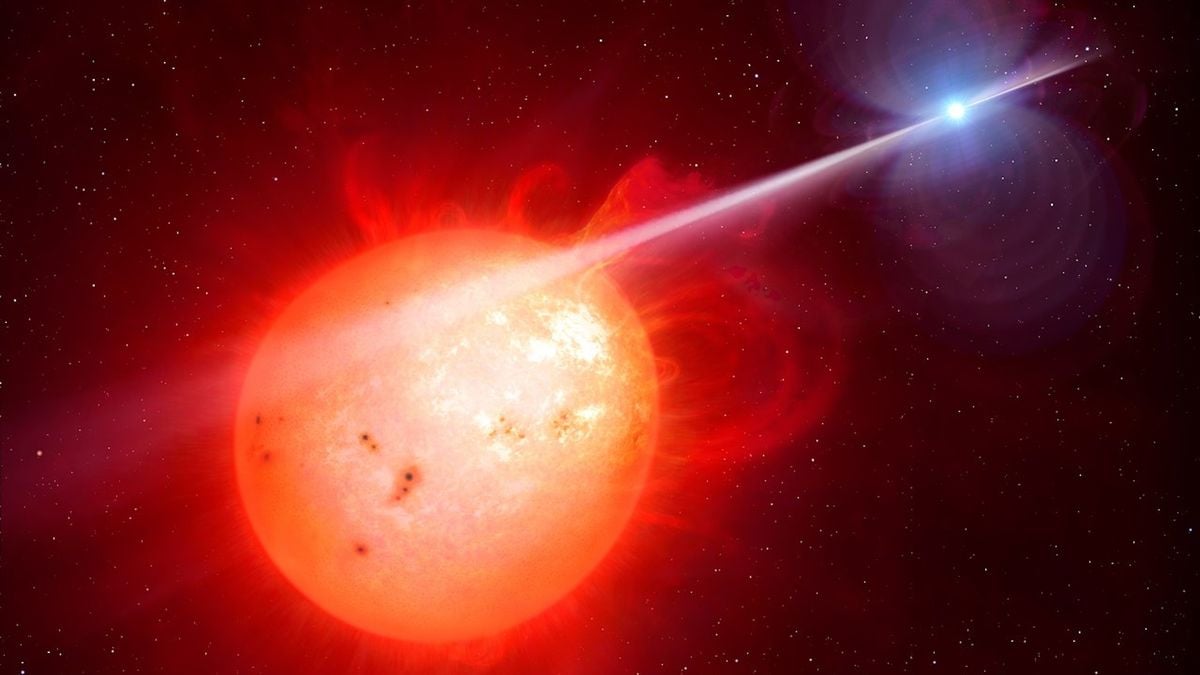
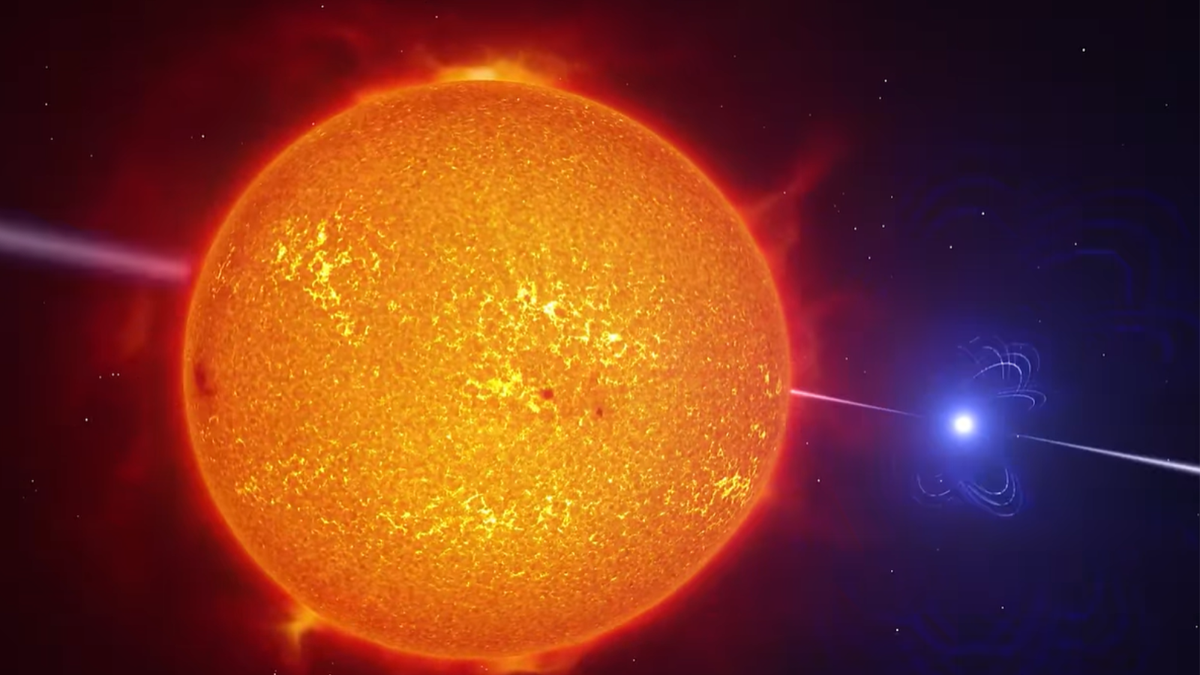
Astronomers identify a tight white dwarf–red dwarf binary, ASKAP J1745−5051, as the source of certain long-period galactic radio transients. Magnetic interactions in the system generate regular radio bursts and accretion-driven X-ray emission, offering a 'stellar Rosetta Stone' to decode these signals and help distinguish their origins, while providing a natural laboratory for extreme plasma and magnetic-field physics.

Upcoming Supernova Could Brighten Earth's Daytime Sky
science11 months ago

Upcoming Supernova Could Brighten Earth's Daytime Sky

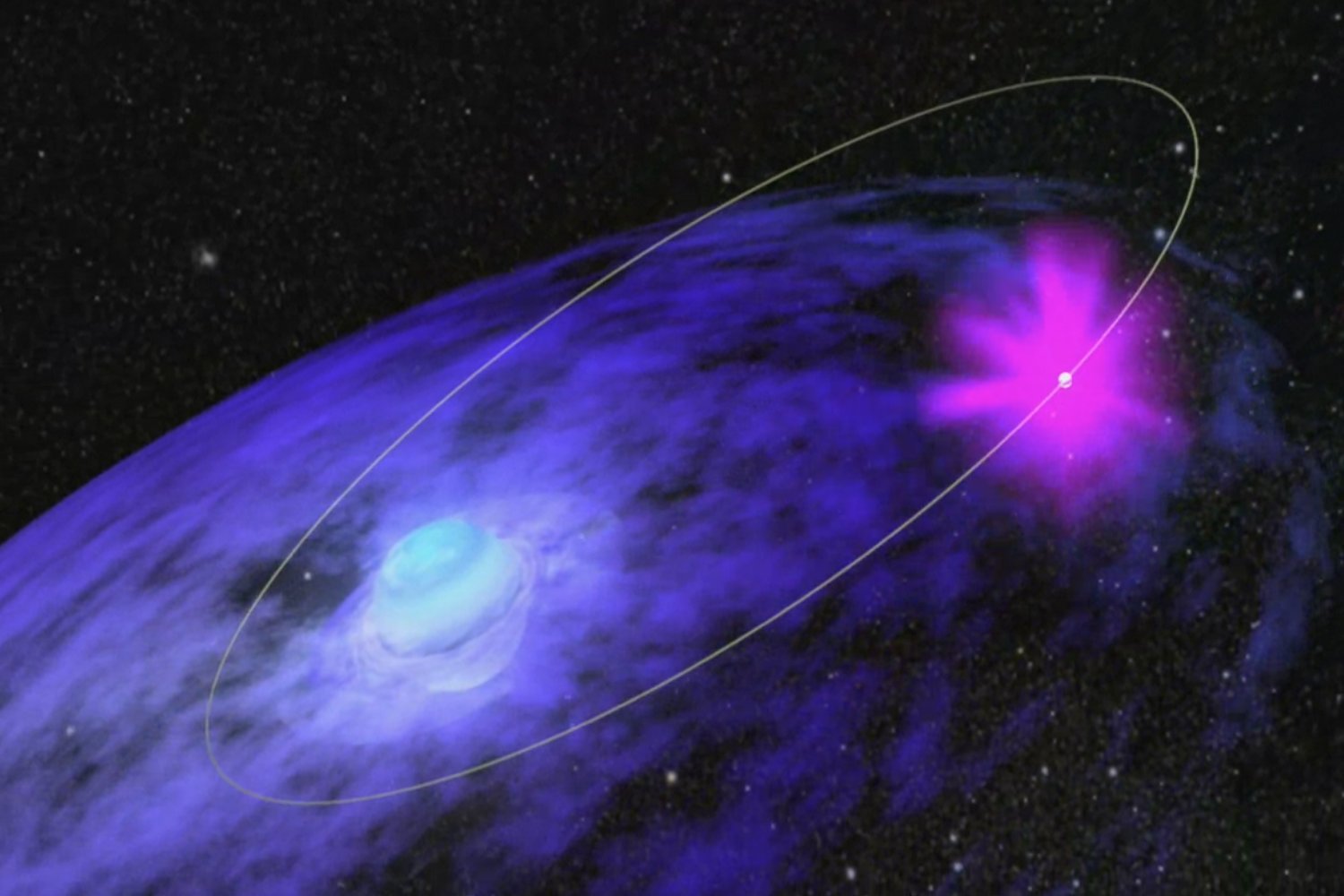
A binary star system called V Sagittae, located about 10,000 light-years away, is on the verge of a supernova explosion due to a white dwarf star rapidly consuming its larger companion, which will be visible from Earth during the day. The system's extreme brightness and impending explosion have been studied using the Very Large Telescope, revealing a giant gas ring and signs of an imminent nova or supernova event. This rare cosmic event could reshape our understanding of stellar life cycles.

Scientists Discover Retrograde Orbiting Planet, Challenging Astronomy
science1 year ago

Scientists Discover Retrograde Orbiting Planet, Challenging Astronomy

Astronomers have confirmed a planet in the nu Octantis binary star system orbiting in a retrograde direction, challenging existing theories of planetary formation and suggesting the possibility of second-generation planets formed from material expelled by a white dwarf star. This discovery, made using high-precision radial velocity data, opens new avenues for understanding planetary system evolution in complex environments.

Asteroid Impacts on Neutron Stars Could Explain Mysterious Radio Bursts
science1 year ago

Asteroid Impacts on Neutron Stars Could Explain Mysterious Radio Bursts

Astronomers have traced mysterious, repeating radio bursts to a red dwarf star likely in a binary orbit with a white dwarf. These long-period radio transients, first discovered in 2022, challenge existing theories as they pulse every 18 minutes, unlike typical radio pulsars. The discovery of a new source, GLEAM-X J0704-37, with pulses every 2.9 hours, suggests the radio waves may result from interactions between the red dwarf's stellar wind and the white dwarf's magnetic field. This finding could lead to a better understanding of such cosmic phenomena.

Astronomers Trace Mysterious Radio Bursts to Unlikely Cosmic Sources
science2 years ago

Astronomers Trace Mysterious Radio Bursts to Unlikely Cosmic Sources

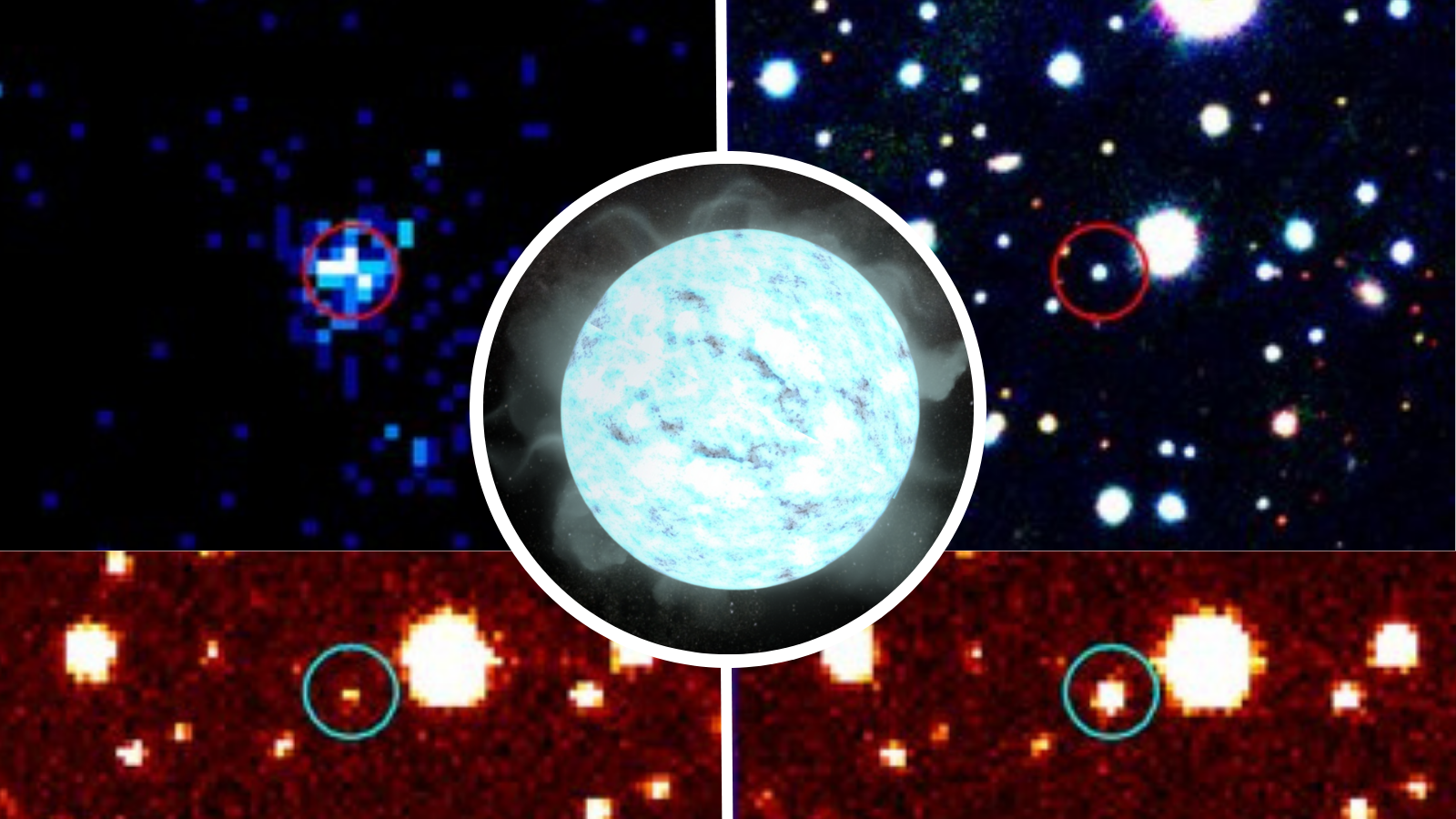
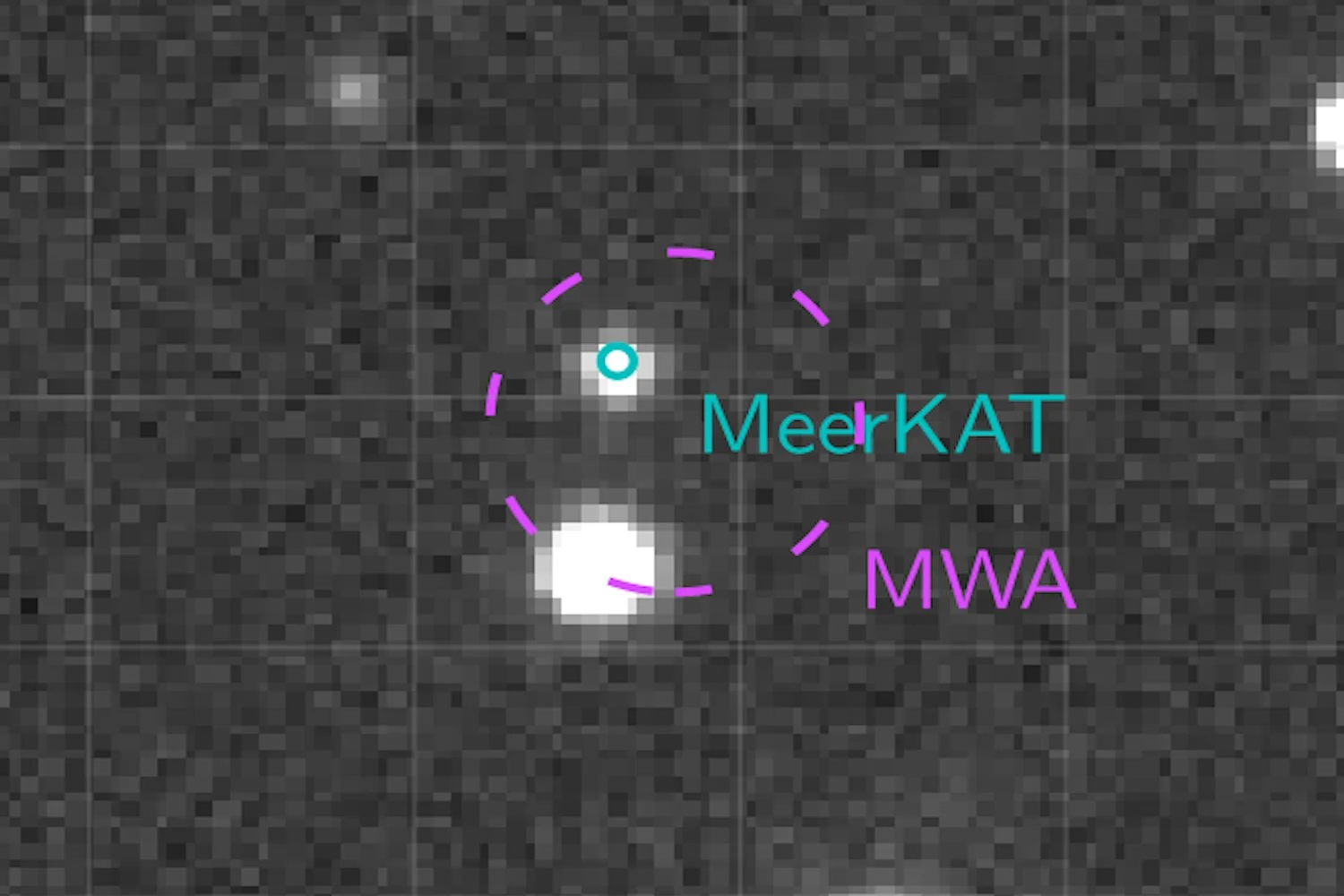
Astronomers have identified a mysterious radio signal emanating from the outskirts of the Milky Way, pinpointing its source to a binary star system consisting of an M dwarf and a white dwarf. This discovery, made using the Murchison Widefield Array and MeerKAT telescopes, marks the longest-period radio transient ever detected. The signal, named GLEAM-X J0704-37, challenges previous understanding as M dwarfs alone cannot produce such energy, suggesting a collaborative emission with the white dwarf. Researchers aim to explore more long-period radio transients in the universe.

Astronomers Unravel Mystery Behind Record-Breaking Radio Signal
science2 years ago

Astronomers Unravel Mystery Behind Record-Breaking Radio Signal

Astronomers have identified a record-breaking energy burst from a binary system containing a red dwarf and a white dwarf, located 5,000 light-years away. This burst, known as GLEAM-X J0704-37, is the longest-period example of long-period radio transients, a phenomenon that has puzzled scientists for nearly two decades. The discovery, made using data from the Murchison Widefield Array and the MeerKAT telescope, suggests that strong magnetic fields in the system may be responsible for the periodic energy emissions. This finding opens the possibility of uncovering more such transients in existing astronomical data.

Record-Breaking Neutron Star Spins 716 Times Per Second
science2 years ago

Record-Breaking Neutron Star Spins 716 Times Per Second

Astronomers have discovered a neutron star, part of the x-ray binary system 4U 1820-30, spinning at an extraordinary 716 times per second, making it one of the fastest-spinning objects ever observed. Located 26,000 light-years away in the Sagittarius constellation, this neutron star pulls material from its white dwarf companion, leading to powerful thermonuclear bursts. The discovery, made using NASA's NICER telescope, provides insights into the life cycles of binary star systems and the formation of elements in the universe.