Tag

Interferometry

All articles tagged with #interferometry

Quantum Galileo Interferometer Probes Gravity in a Superposed Atom
science28 days ago

Quantum Galileo Interferometer Probes Gravity in a Superposed Atom

A team led by Ron Folman built the Quantum Galileo Interferometer (QGI) to place a single atom in a superposition of two trajectories—one undergoing free fall and the other held stationary—and then recombine them to measure gravity’s effect on a quantum wave. The observed phase aligns with the equivalence principle within about 2.5%, demonstrating gravity can act on a quantum system in superposition and outlining future tests with heavier objects (like nanodiamonds) to probe whether gravity is truly quantum or induces wavefunction collapse.
Quantum Galileo interferometer confirms Einstein’s principle at quantum scales
science1 month ago

Quantum Galileo interferometer confirms Einstein’s principle at quantum scales

Physicists used a Bose-Einstein condensate of about 20,000 rubidium atoms in a two-path atom interferometer to measure a gravity‑induced quantum phase. The observed phase grows with the cube of the fall time, matching theoretical predictions and showing Einstein’s equivalence principle holds at quantum scales. The experiment, dubbed the quantum Galileo interferometer, ran 633 cycles across several hours, supporting compatibility between quantum mechanics and general relativity while outlining future tests with rotating frames and heavier objects to probe gravity’s effect on quantum superpositions.

First Image Captures Two Supermassive Black Holes Dancing in OJ287
space2 months ago

First Image Captures Two Supermassive Black Holes Dancing in OJ287

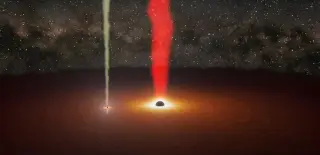
Astronomers using a radio telescope array that stretches from Earth toward the Moon, including the RadioAstron satellite, captured the first image of two supermassive black holes orbiting each other in the quasar OJ287 (18 billion and 150 million solar masses, 12-year period). The system’s disk-crossing bursts, revealed by high-resolution radio imaging, mark a milestone in black-hole physics and radio astronomy, with future gravitational-wave studies expected from the eLisa mission in the 2030s.

Astronomers Catch a Gamma-Ray Burst Minutes After Detonation With Breakthrough Millimeter Observations
space3 months ago

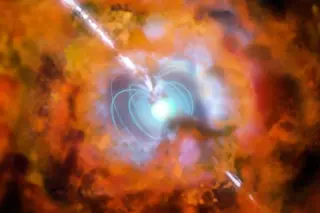
Astronomers Catch a Gamma-Ray Burst Minutes After Detonation With Breakthrough Millimeter Observations

Scientists used the Submillimeter Array on Maunakea to observe a gamma-ray burst within minutes of its discovery, marking the fastest-ever millimeter-wavelength observations of such an event after a Swift alert. The rapid follow-up enabled near real-time imaging of the burst and its fading afterglow, offering new insights into the jet physics of these colossal explosions and paving the way to even quicker responses in the future.

Metal Nanoparticles Demonstrate Quantum Superposition at Near-Macroscopic Scale
science5 months ago

Metal Nanoparticles Demonstrate Quantum Superposition at Near-Macroscopic Scale

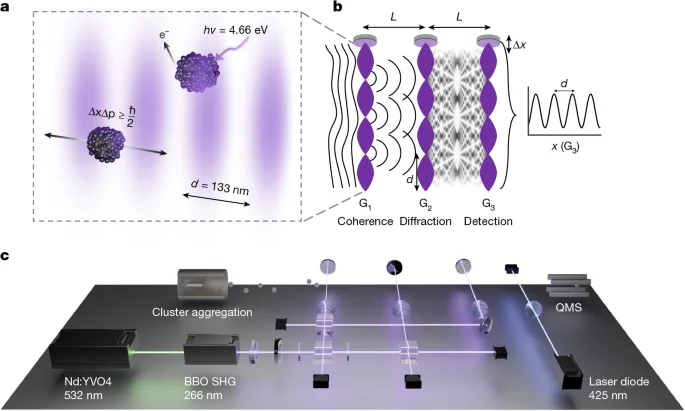
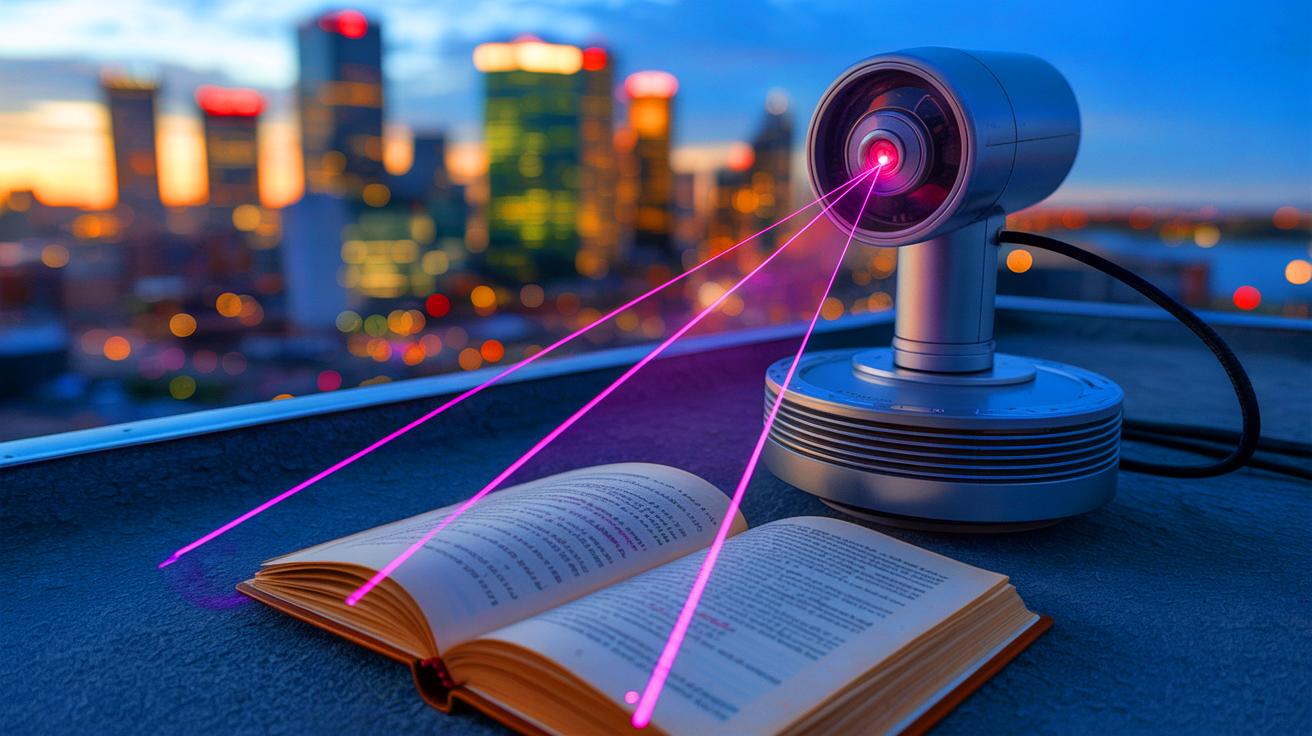
Vienna and Duisburg-Essen researchers show that sodium nanoparticle clusters (~8 nm, >170,000 amu) can exhibit quantum interference, existing in a superposition as they pass through three UV-laser diffraction gratings. Achieving a macroscopicity value of μ = 15.5, the experiment extends quantum behavior toward larger scales and opens the door to studying bigger particles and precision sensing.

Moon–Earth telescope network eyed to image dozens of black hole shadows
science-space8 months ago

Moon–Earth telescope network eyed to image dozens of black hole shadows

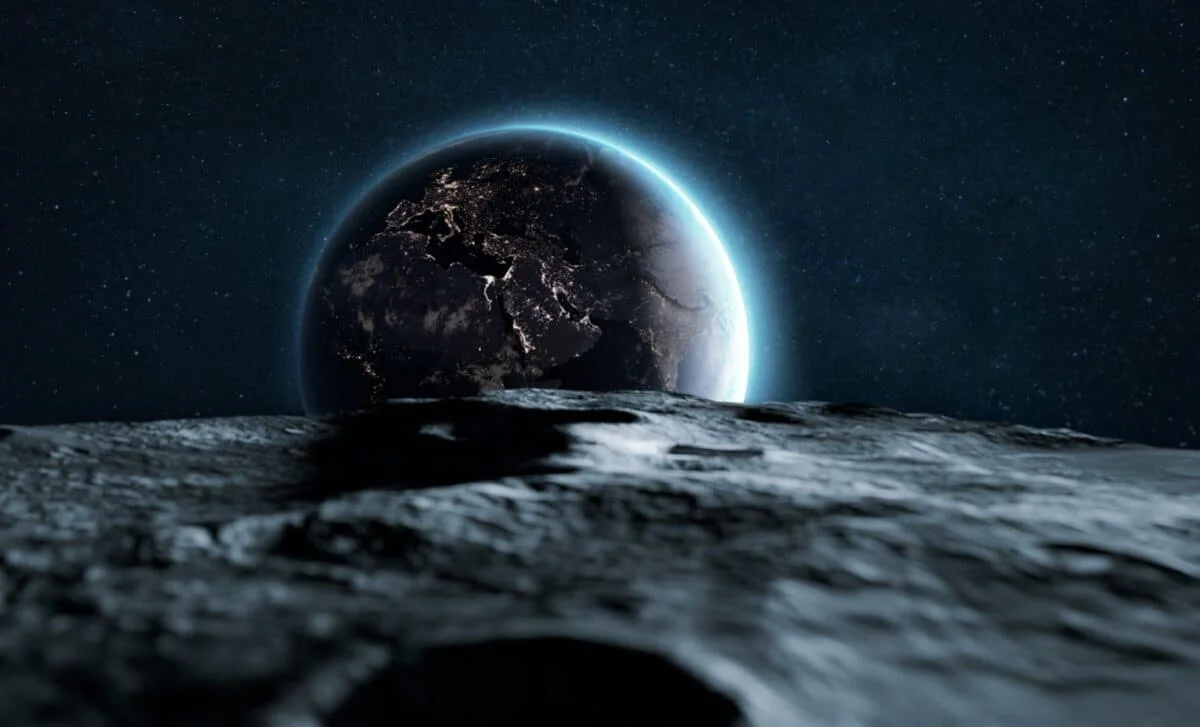
Researchers propose a Moon–Earth radio telescope network that could reach sub‑microarcsecond resolution, enabling direct shadows of dozens of supermassive black holes. Six strong targets are identified (including M104 and NGC 1052); a 100‑meter lunar dish paired with Earth baselines could detect all 31 candidates, with far‑side sites offering radio‑quiet observations. The approach relies on visibility data rather than traditional images and remains a decades‑long pursuit, but could greatly advance tests of general relativity and black hole imaging beyond current capabilities.

Quantum interference observed in sodium nanoclusters at 0.17 MDa
science8 months ago

Quantum interference observed in sodium nanoclusters at 0.17 MDa

Researchers demonstrate quantum interference of sodium clusters containing thousands of atoms (mass >170 kDa) in a near-field Talbot–Lau interferometer using three UV gratings, achieving fringe visibilities that align with quantum predictions and yielding a macroscopicity value of μ = 15.5—the highest reported to date. This shows the quantum superposition principle persists at this unprecedented mass/size and provides a platform to test macrorealist modifications of quantum mechanics, with future work aiming to reach even larger masses (MDa range) as experimental techniques improve.

Novae Unveiled: Real-Time Interferometry Reveals Multi-Stage Ejections and Gamma Rays
space8 months ago

Novae Unveiled: Real-Time Interferometry Reveals Multi-Stage Ejections and Gamma Rays

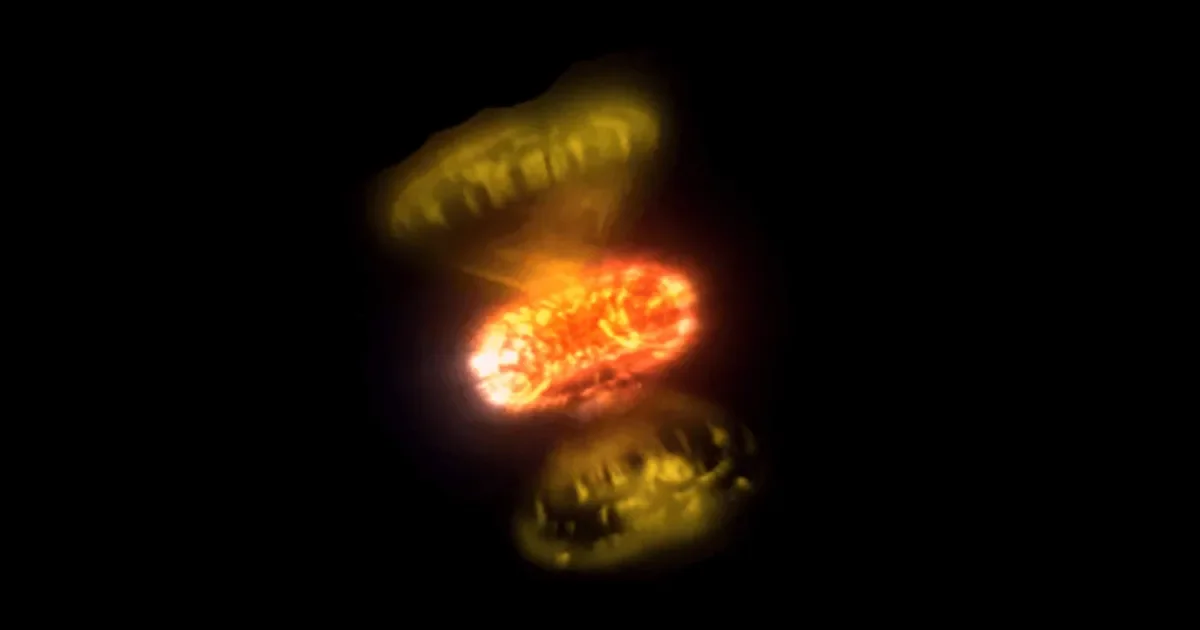
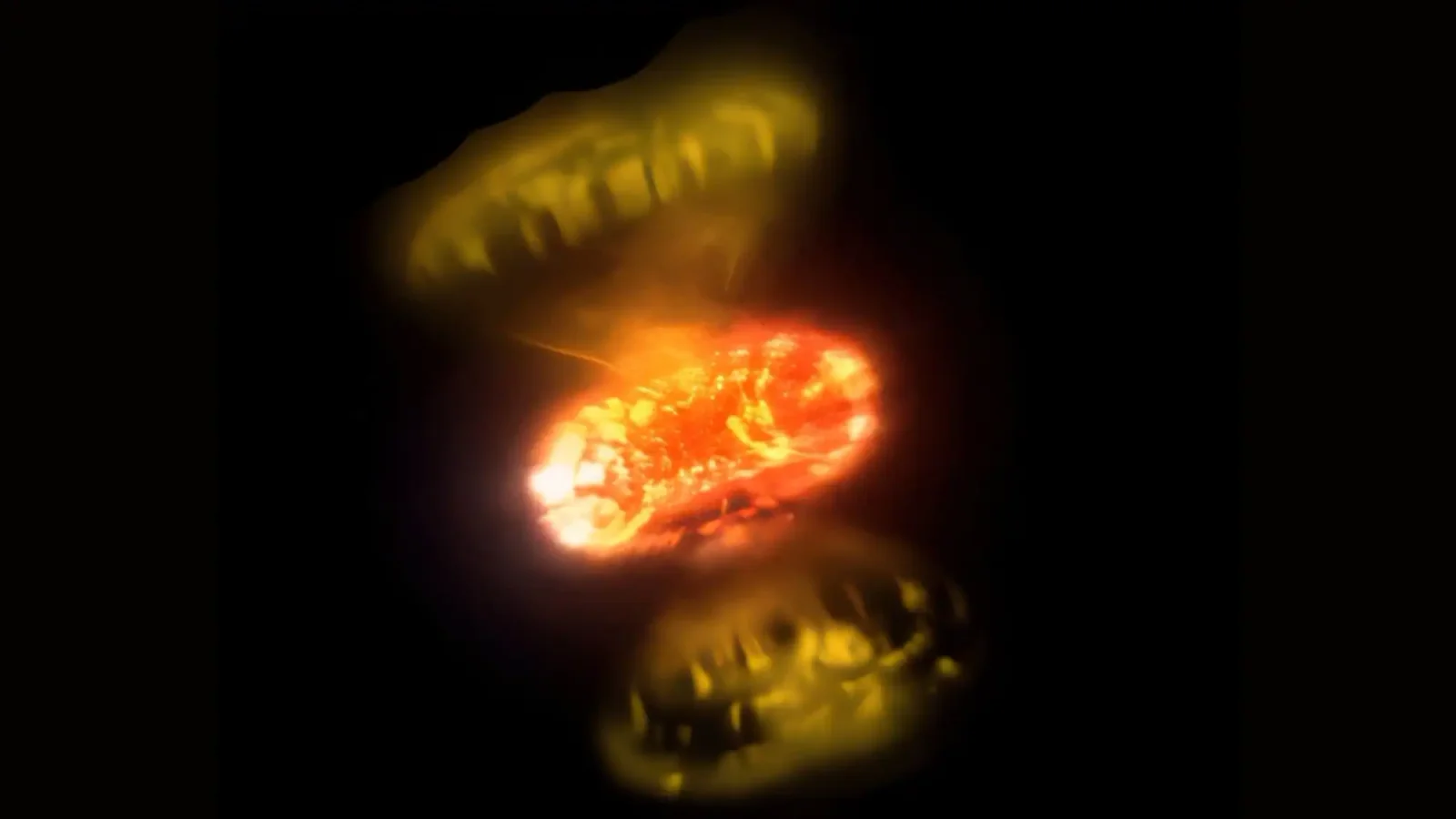
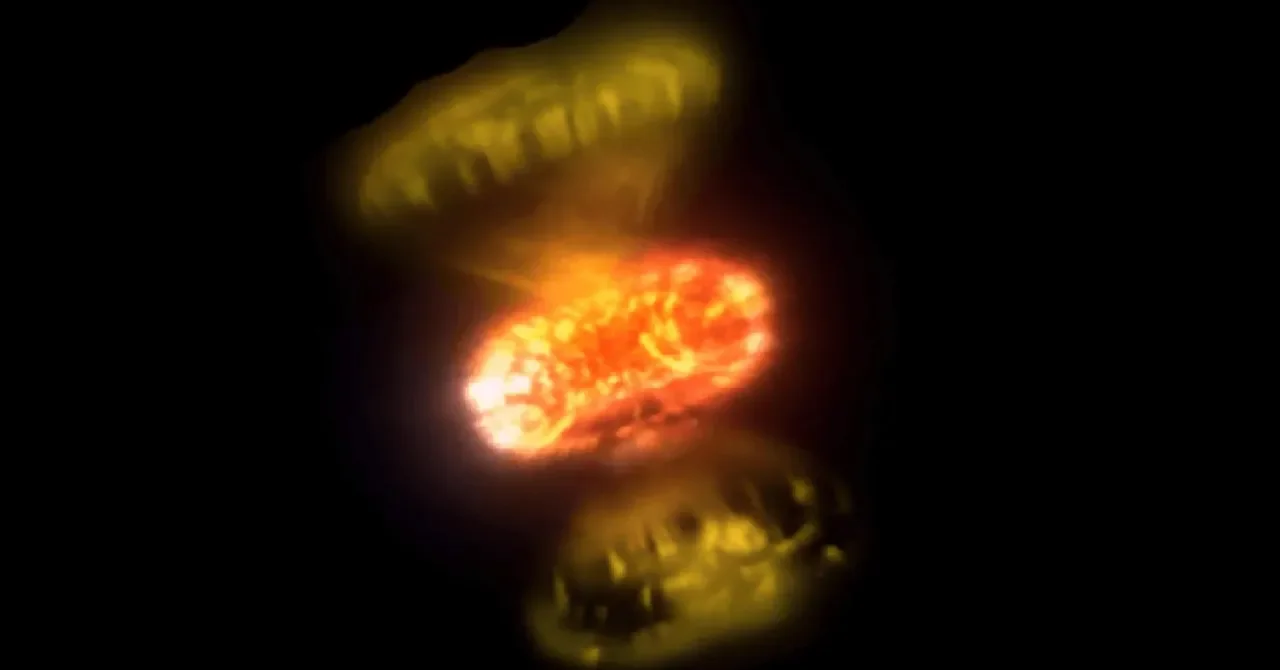
Astronomers using the CHARA Array and other telescopes captured real-time images of two novae (V1674 Herculis and V1405 Cassiopeiae), revealing complex, multi-stage gas outflows and gamma-ray emissions—showing that nova explosions are not single blasts and linking surface nuclear processes to the geometry of ejected material and high-energy radiation.

Novae Unleash Dual Jets: High-Res Images Rewrite Stellar Explosions
space8 months ago

Novae Unleash Dual Jets: High-Res Images Rewrite Stellar Explosions

High-resolution CHARA Array images of 2021 novae V1674 Herculis and V1405 Cassiopeiae reveal complex, jet-driven eruptions in binary white-dwarf systems, including perpendicular outflows and a delayed ejection likely tied to a common-envelope phase. The gamma-ray signals observed by NASA’s Fermi coincide with internal shocks in the debris, linking surface nuclear reactions to high-energy radiation and challenging the idea of novae as simple spherical shells. These findings, published in Nature Astronomy, position novae as natural laboratories for extreme physics.

JWST captures sharp image of Circinus black hole’s feeding disk
space8 months ago

JWST captures sharp image of Circinus black hole’s feeding disk

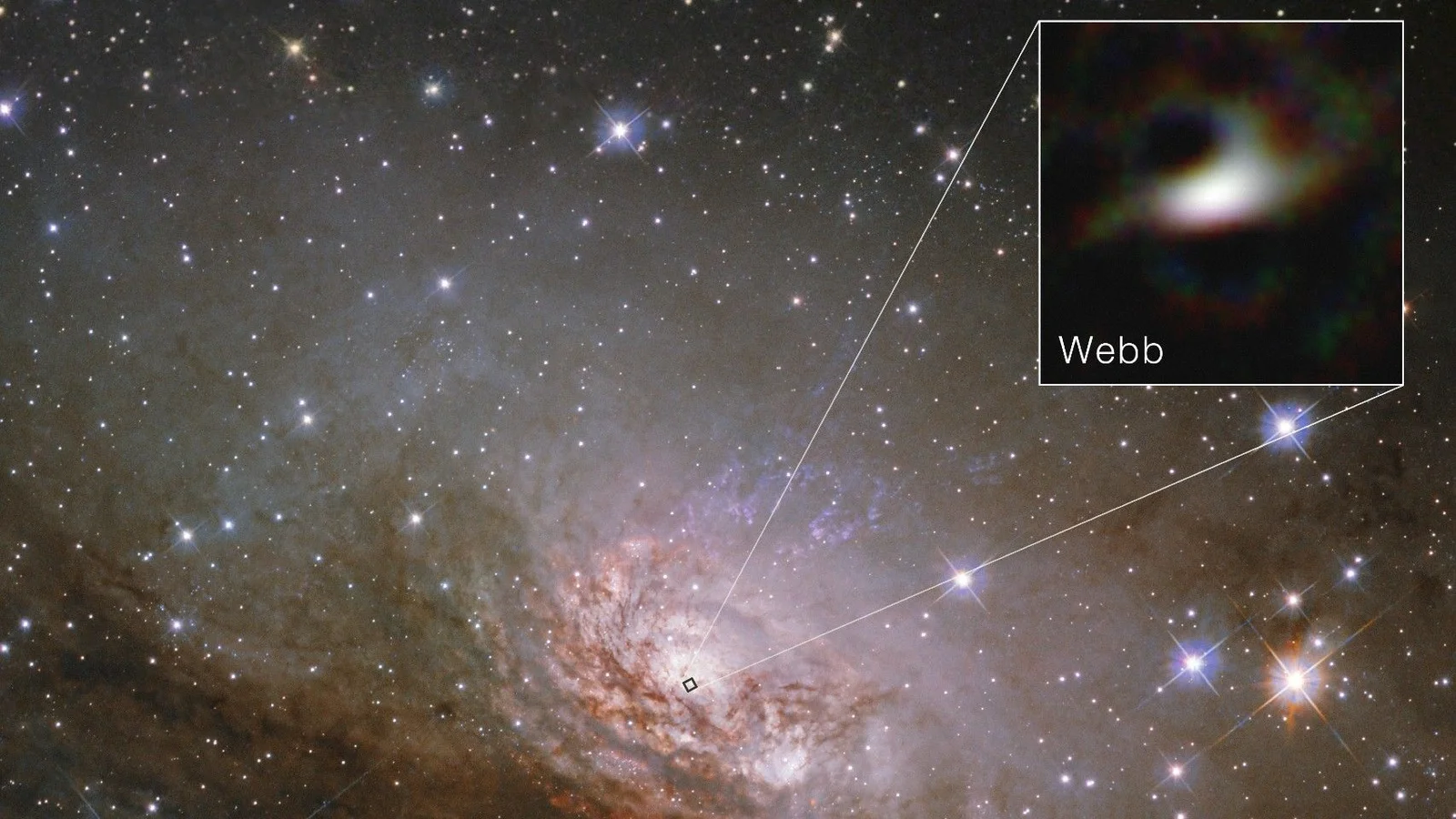
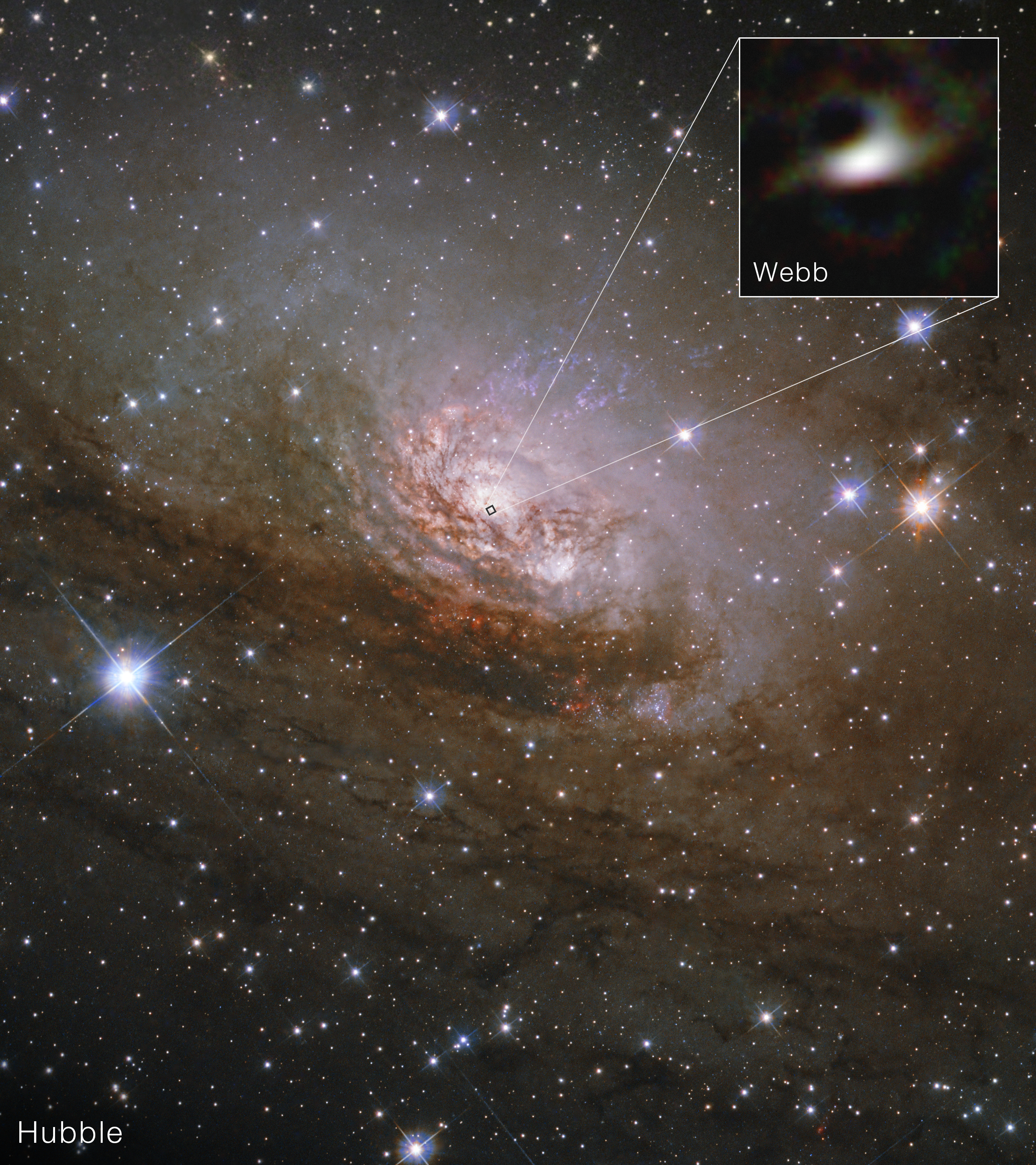
The James Webb Space Telescope’s interferometric imaging provides the sharpest view yet of Circinus galaxy’s center, revealing that the infrared glow around its supermassive black hole mainly originates from the dusty accretion disk feeding the hole rather than outflows, a finding that sheds light on how such black holes grow and influence their host galaxies.

Webb Reveals Dust Feeding Circinus Black Hole, Upending Core Emission Views
space8 months ago

Webb Reveals Dust Feeding Circinus Black Hole, Upending Core Emission Views

Webb’s Aperture Masking Interferometer on NIRISS allowed a high‑contrast look at Circinus’ core, yielding the sharpest view yet of a black hole’s surroundings. The study finds roughly 87% of the near‑infrared emission comes from hot dust near the black hole’s torus rather than from outflows, overturning decades of models that emphasized outflows. This marks the first extragalactic infrared interferometry in space and demonstrates Webb’s ability to double effective resolution in a focused region, offering a technique to study other bright black holes and build a broader picture of accretion versus outflow contributions.

"Preserving the Moon's Pristine Beauty: NASA's Plan for a High-Res Telescope on the Dark Side"
spacescience2 years ago

"Preserving the Moon's Pristine Beauty: NASA's Plan for a High-Res Telescope on the Dark Side"

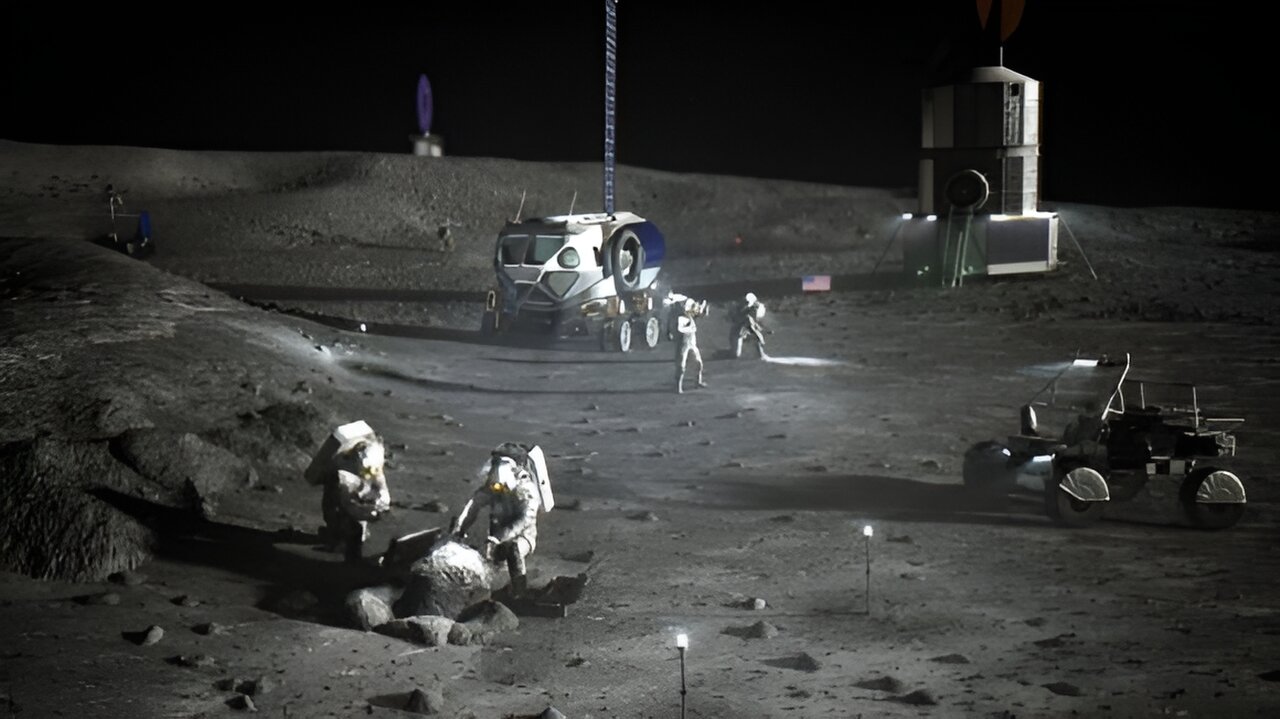
NASA is planning to establish a lunar Long-Baseline Optical Imaging Interferometer (LBI) on the moon's far side as part of the Artemis Program, which aims to create a sustained program of lunar exploration and development. The proposed array, known as the Artemis-enabled Stellar Imager (AeSI), could take detailed images of stellar surfaces and their environments, leveraging the moon's "radio quiet" environment and extended periods of darkness. The facility's construction and maintenance will address key engineering concerns and could lead to advancements in astrophysics, public engagement, and inspire future generations of STEAM workers.