Tag

Gamma Rays

All articles tagged with #gamma rays

Magnetar-powered gamma glow lights up a distant supernova
space1 day ago

Magnetar-powered gamma glow lights up a distant supernova

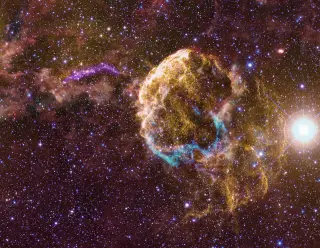
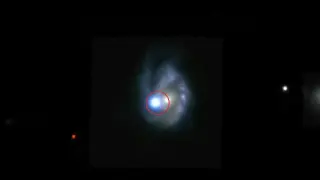
NASA’s Fermi detected gamma rays from the luminous core-collapse supernova SN 2017egm (NGC 3191, about 440 million light-years away), supporting the idea that a newborn magnetar—an ultra‑magnetized neutron star—powers the explosion. A magnetar wind nebula and related particle interactions could boost gamma-ray production and reprocess energy into visible light, explaining the unusually bright display; gamma rays begin to leak out as debris expands, with the early light curve matching models though late-time fading remains puzzling. The study also notes the upcoming Cherenkov Telescope Array could detect similar events up to ~500 million light-years, advancing understanding of magnetar engines. The work appeared in Astronomy & Astrophysics on May 20, 2026.

Novae Unveiled: Real-Time Interferometry Reveals Multi-Stage Ejections and Gamma Rays
space4 months ago

Novae Unveiled: Real-Time Interferometry Reveals Multi-Stage Ejections and Gamma Rays

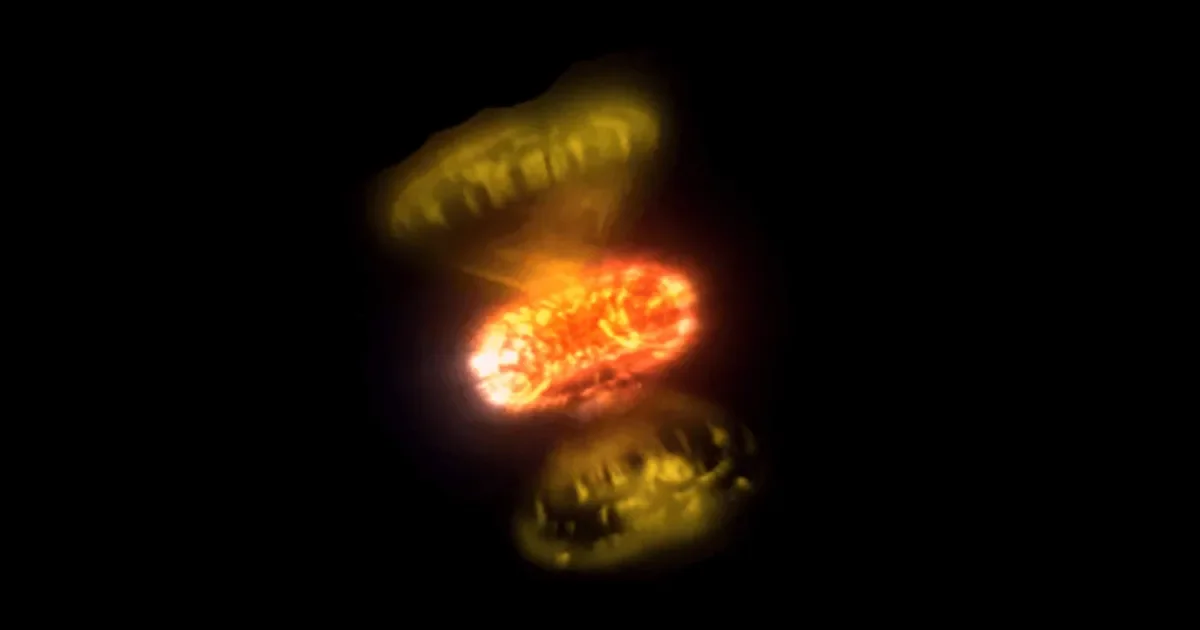
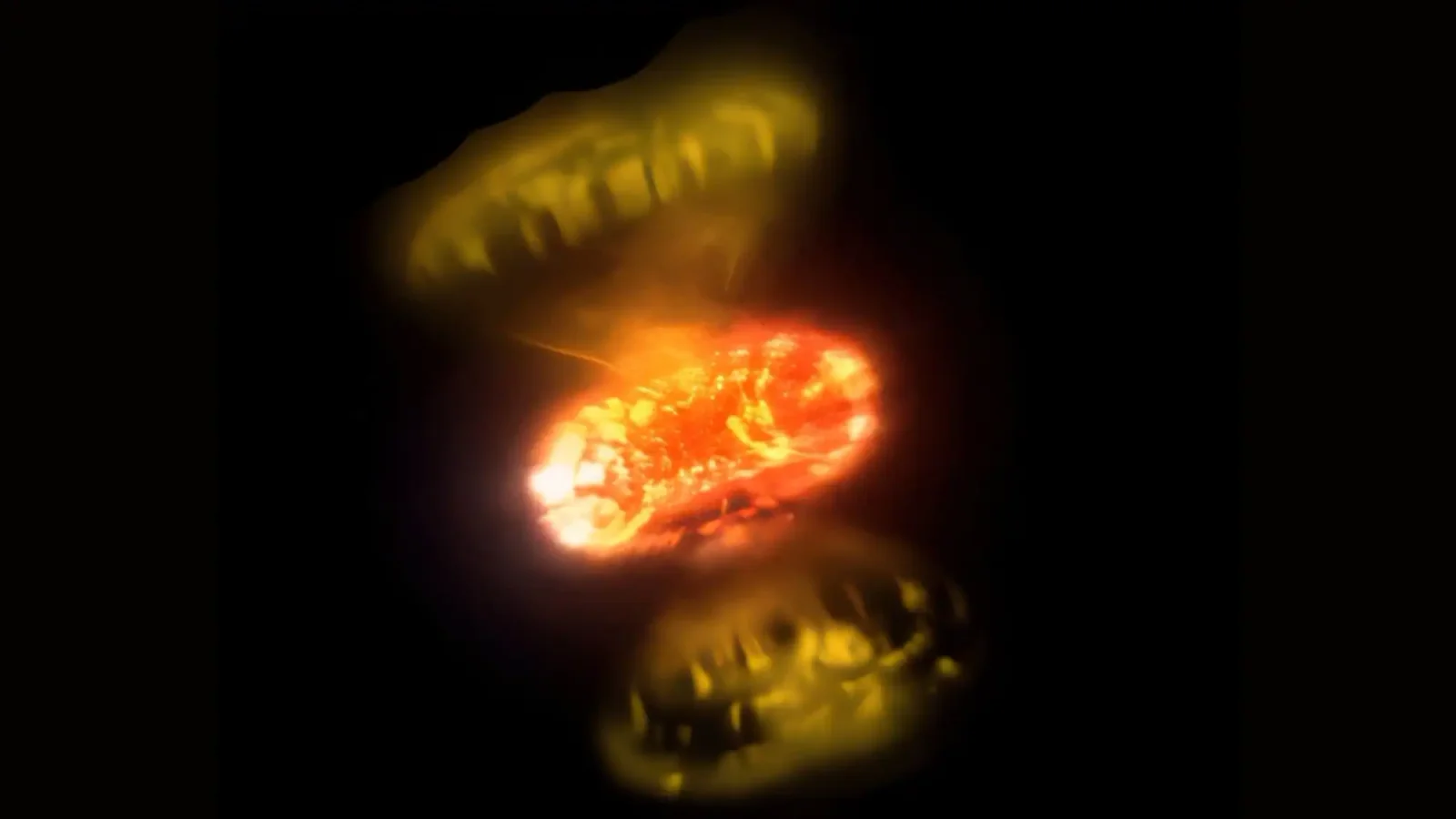
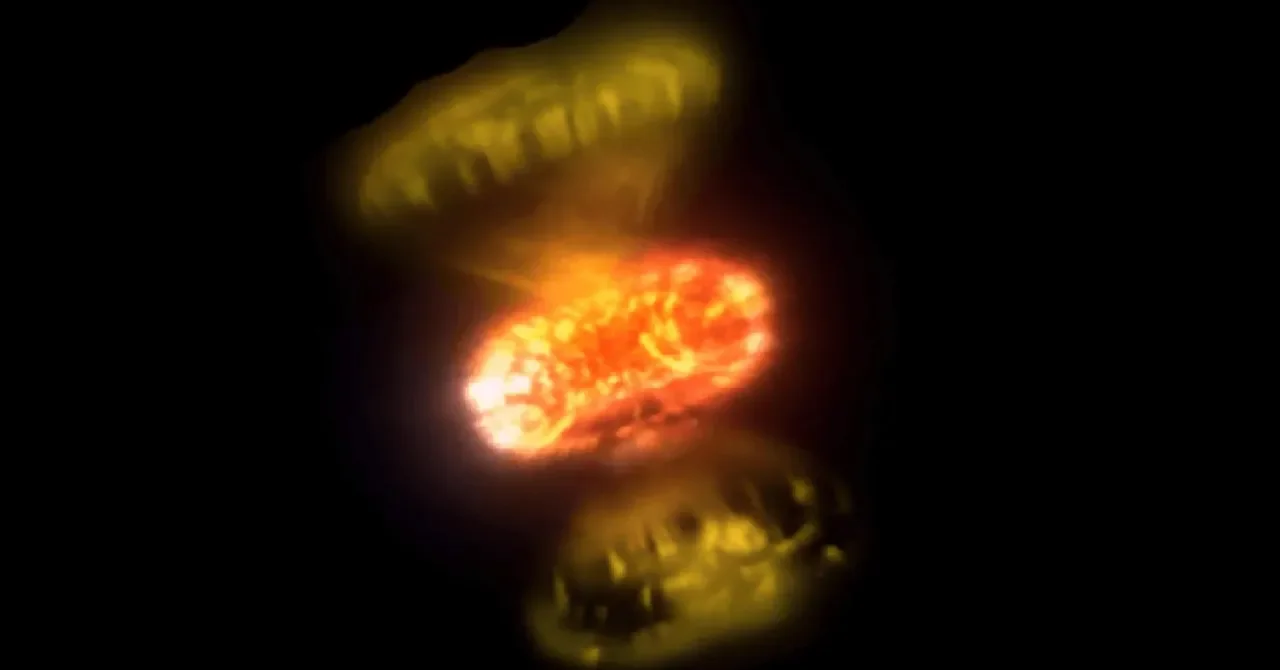
Astronomers using the CHARA Array and other telescopes captured real-time images of two novae (V1674 Herculis and V1405 Cassiopeiae), revealing complex, multi-stage gas outflows and gamma-ray emissions—showing that nova explosions are not single blasts and linking surface nuclear processes to the geometry of ejected material and high-energy radiation.

Novae Unleash Dual Jets: High-Res Images Rewrite Stellar Explosions
space4 months ago

Novae Unleash Dual Jets: High-Res Images Rewrite Stellar Explosions

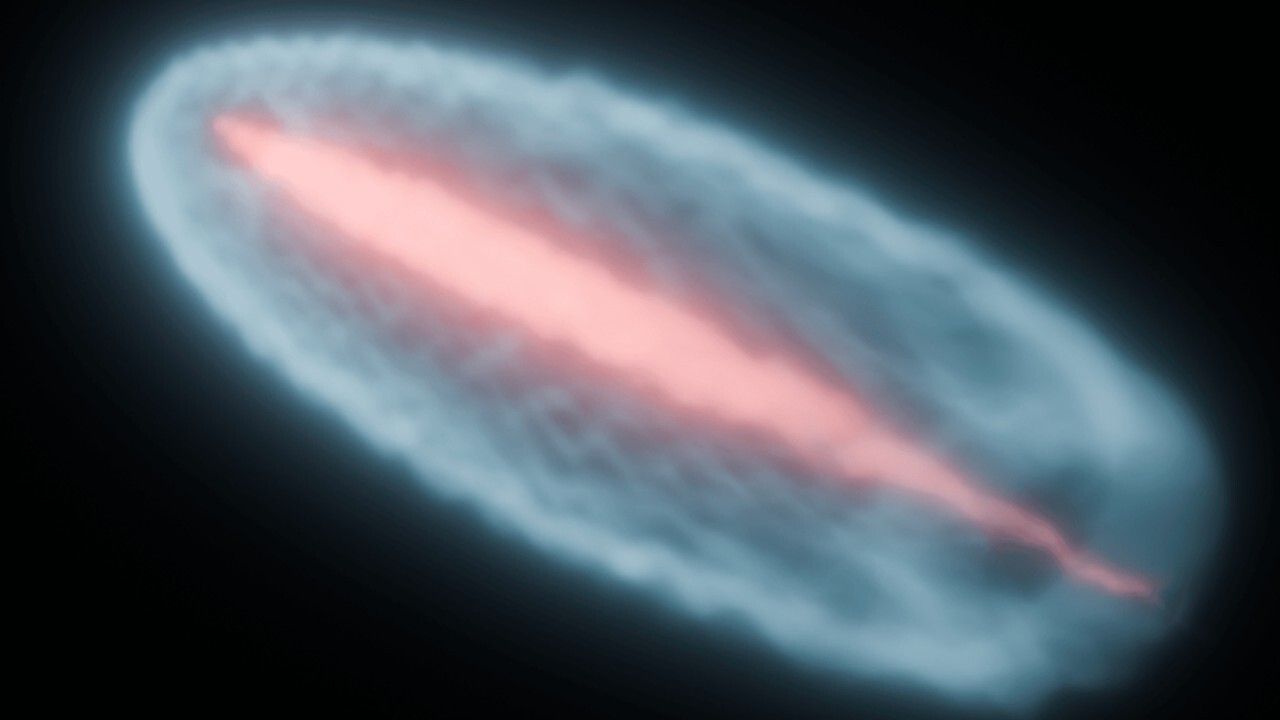
High-resolution CHARA Array images of 2021 novae V1674 Herculis and V1405 Cassiopeiae reveal complex, jet-driven eruptions in binary white-dwarf systems, including perpendicular outflows and a delayed ejection likely tied to a common-envelope phase. The gamma-ray signals observed by NASA’s Fermi coincide with internal shocks in the debris, linking surface nuclear reactions to high-energy radiation and challenging the idea of novae as simple spherical shells. These findings, published in Nature Astronomy, position novae as natural laboratories for extreme physics.

Gamma-Ray Tests Tighten Lorentz-Invariance Bounds, Not Break Special Relativity
science4 months ago

Gamma-Ray Tests Tighten Lorentz-Invariance Bounds, Not Break Special Relativity

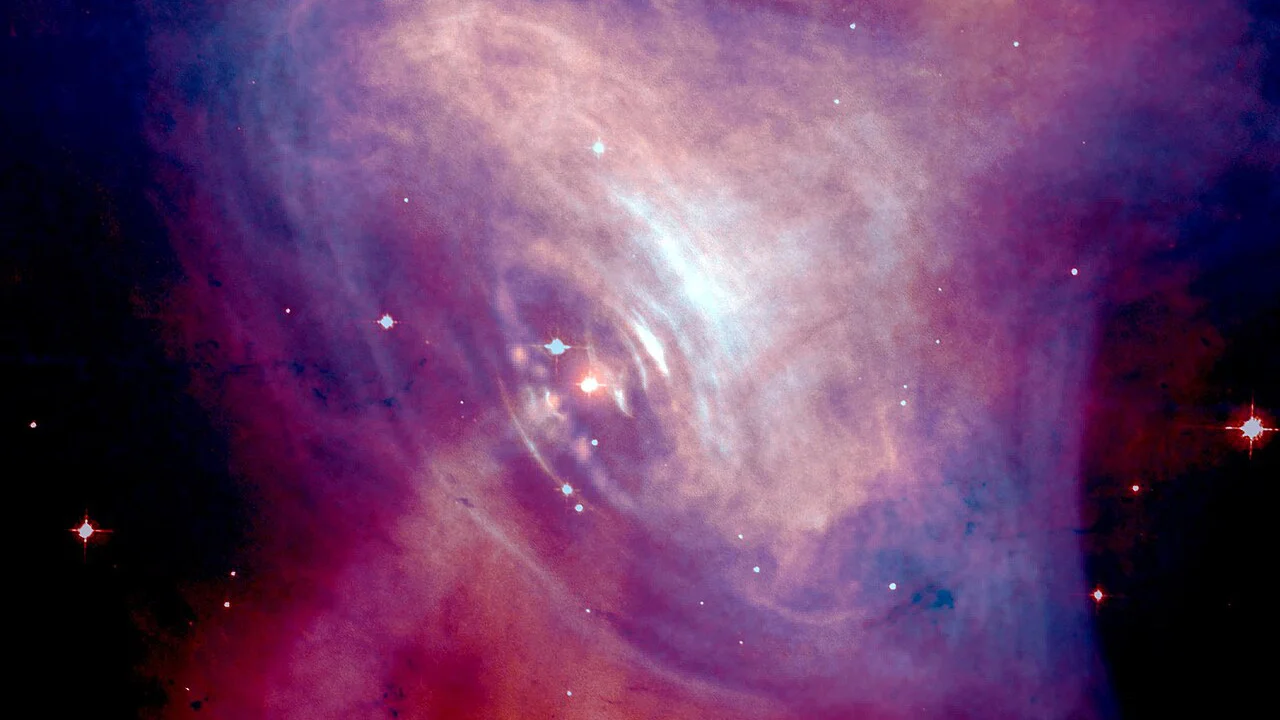
New analysis of gamma-ray flares from pulsars, active galactic nuclei, and gamma-ray bursts finds no energy-dependent speed of light, placing stricter bounds on Lorentz-violating effects predicted by some quantum gravity theories. The results tighten the allowed violations by about 1.5 orders of magnitude and offer a framework for integrating new data into the SME; in short, SR remains consistent, while the search for quantum-gravity signatures continues.

Scientists Recreate Cosmic Fireballs at CERN to Uncover Gamma-Ray Mysteries
science6 months ago

Scientists Recreate Cosmic Fireballs at CERN to Uncover Gamma-Ray Mysteries

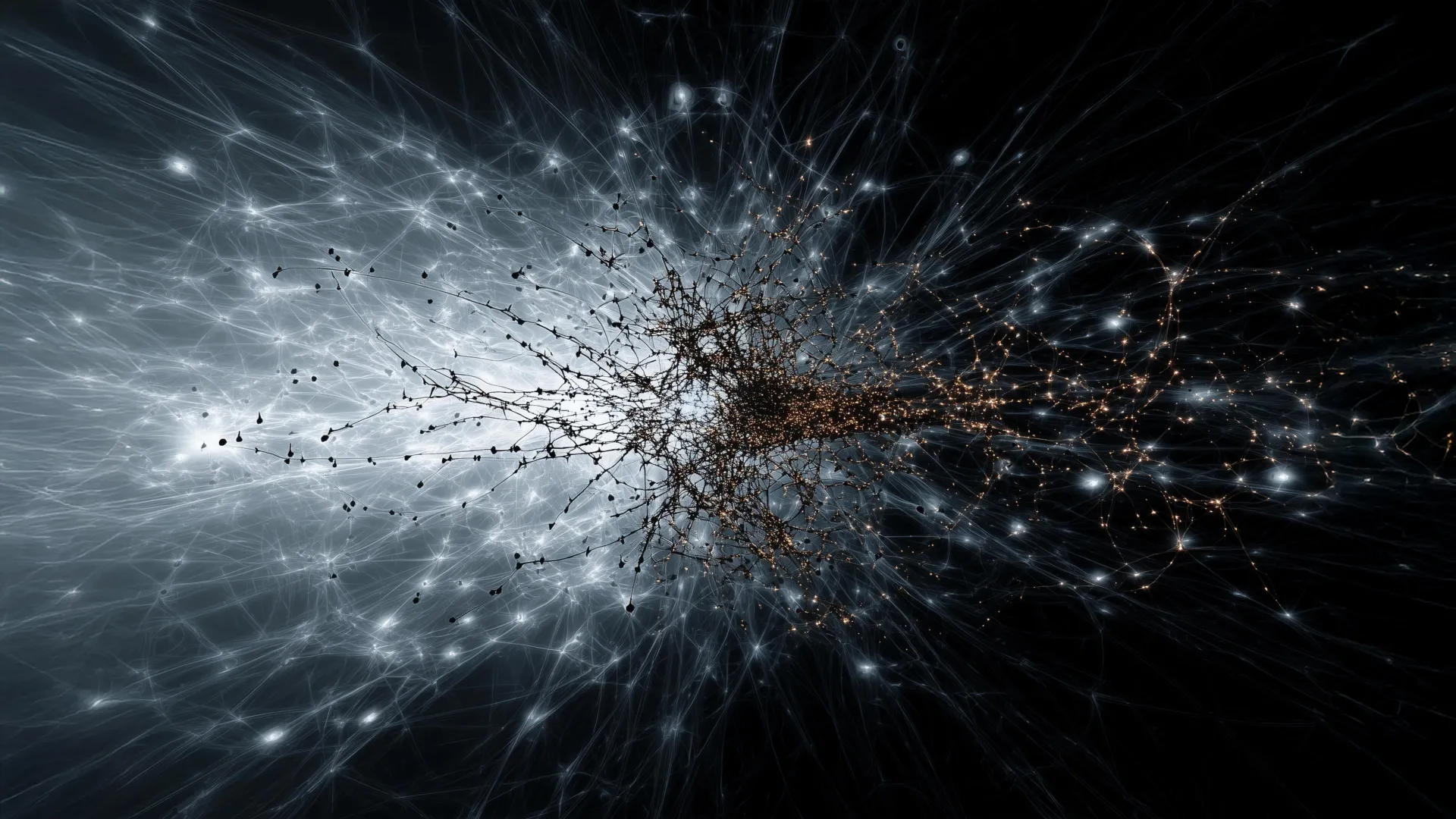
Scientists at CERN recreated cosmic jet conditions using particle accelerators to investigate missing gamma-rays from blazars, finding that plasma beam instabilities are too weak to explain the phenomenon, which supports the idea of relic magnetic fields in intergalactic space. This experiment provides new insights into cosmic jet physics and the universe's magnetic history.

Scientists Explore Dark Matter as Source of Milky Way's Mysterious Glow
science7 months ago

Scientists Explore Dark Matter as Source of Milky Way's Mysterious Glow

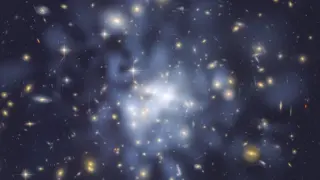
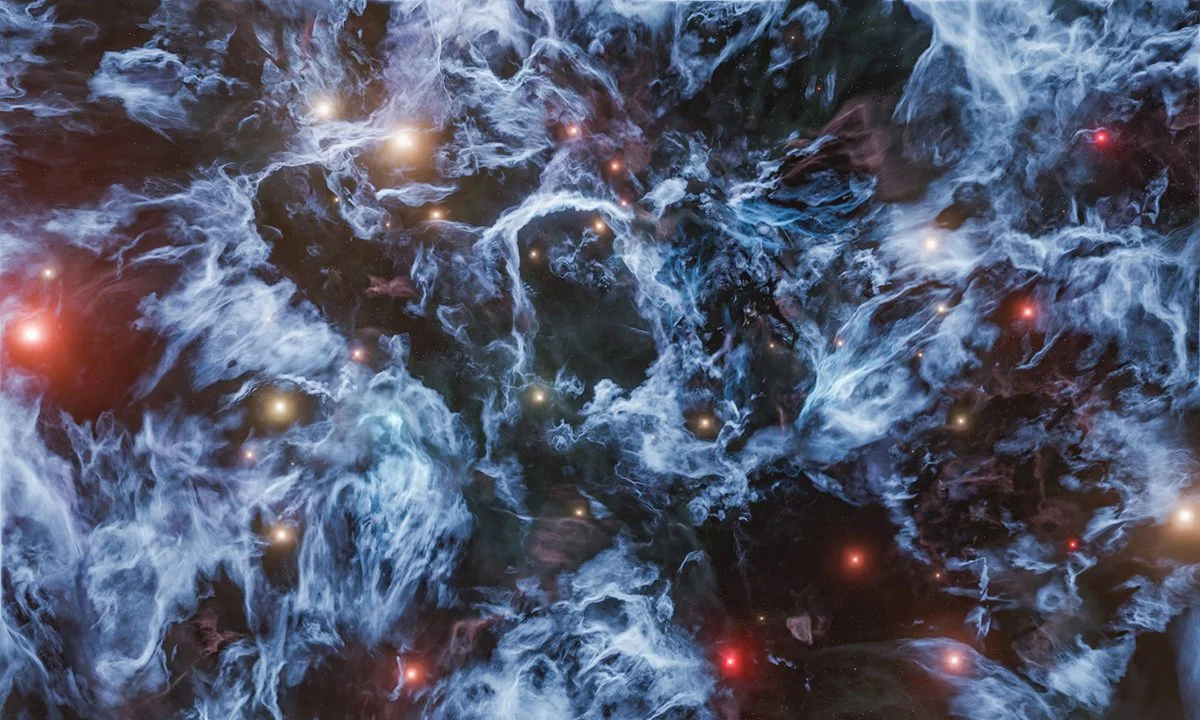
Scientists are exploring whether the mysterious gamma-ray glow at the center of our galaxy is caused by dark matter collisions or pulsars. Recent supercomputer simulations suggest the dark matter distribution could be egg-shaped, matching observations, which reopens the possibility that dark matter is responsible. Future observations with the Cherenkov Telescope Array could provide definitive evidence, potentially confirming dark matter's role and advancing our understanding of the universe's most elusive substance.