Tag

Nutrient Cycling

All articles tagged with #nutrient cycling

Ancient Poop May Have Jumpstarted the Cambrian Explosion
science24 days ago

Ancient Poop May Have Jumpstarted the Cambrian Explosion

A new review in Trends in Ecology & Evolution suggests that a fecal revolution—waste from expanding early animal life—could have accelerated the Cambrian explosion by increasing nutrient flux in oceans, supporting the growth of more complex guts and a burst of biodiversity. Fossilized feces (coprolites) from the Cambrian show increasing size and complexity as life diversified, indicating that waste management and nutrient recycling helped create conditions for modern ecosystems alongside other factors like oxygen and nutrients.

Saharan Dust Fuels the Amazon: A Hidden Transatlantic Nutrient Link
science1 month ago

Saharan Dust Fuels the Amazon: A Hidden Transatlantic Nutrient Link

NASA CALIPSO data estimate about 27.7 million tonnes of Saharan dust deposit over the Amazon each year, delivering roughly 22,000 tonnes of phosphorus to offset losses from rain and flooding, though these figures are variable and not the sole nutrient source. Other studies suggest deposition could be much lower (8–10 million tonnes) or higher, with regional differences in where dust lands. The Amazon’s fertility also relies on internal recycling and inputs from fires and local soils. The Sahara–Amazon link reveals a global atmospheric nutrient exchange, not a simple one-to-one fertilizer transfer, and the long-term tonnage remains uncertain as climate patterns shift.

"Rapid Agricultural Transformation: Impact on Ecosystems"
environment2 years ago

"Rapid Agricultural Transformation: Impact on Ecosystems"

A study published in Nature Communications reveals that agricultural grassland use accelerates entire ecosystems, affecting organisms at all levels and across food chains. The research shows that intensive agricultural practices lead to faster organisms dominating ecosystems, impacting functions such as decomposition and nutrient cycling. While this may increase agricultural productivity, it reduces carbon storage and biodiversity, making ecosystems less resilient. Urgent countermeasures are needed to address the accelerating impact of intensive agriculture on ecosystems worldwide.

"The Surprising Benefits of Leaving the Leaves Alone"
environment2 years ago

"The Surprising Benefits of Leaving the Leaves Alone"

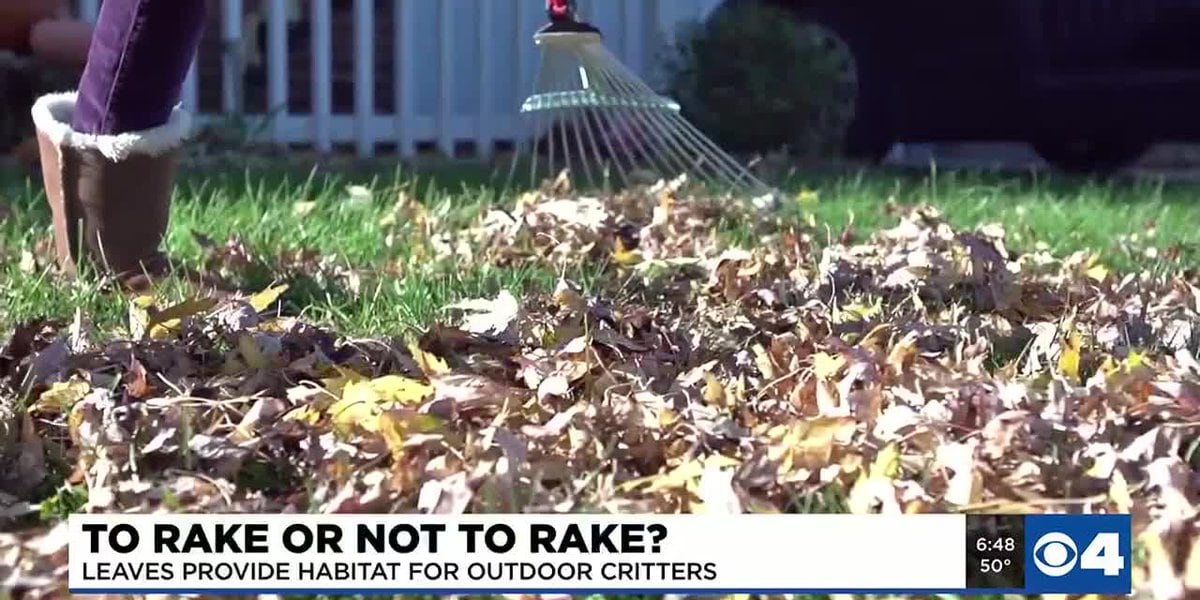
The "leave the leaves" movement encourages homeowners to let fallen leaves remain on their lawns, as they provide crucial habitat and food for species like bees, butterflies, and moths during the winter months. The decomposing leaves also return essential nutrients to the soil, benefiting the grass and plants. However, excessive leaves can harm the grass, so experts suggest transferring them to flower beds where they can break down and nourish the flowers while providing overwintering ground for bugs.

Cracking Darwin's Paradox: Corals' Vegetarian Side Unveiled
science3 years ago

Cracking Darwin's Paradox: Corals' Vegetarian Side Unveiled

Scientists from the University of Southampton have solved Darwin's Paradox of Coral Reefs by discovering that corals feed on their photosynthetic symbionts, microscopic algae that live inside their cells. This vegetarian diet allows corals to access a previously thought unavailable nutrient source, explaining how they thrive in nutrient-poor waters. The researchers found that corals digest some of their symbiont population to obtain nitrogen and phosphorus, which are essential for their growth. This mechanism enables corals to grow quickly even without additional food. The findings have important implications for understanding coral reef ecosystems and their response to nutrient availability and global warming.

Moss: A Vital Component for the Planet, Scientists Find.
science3 years ago

Moss: A Vital Component for the Planet, Scientists Find.

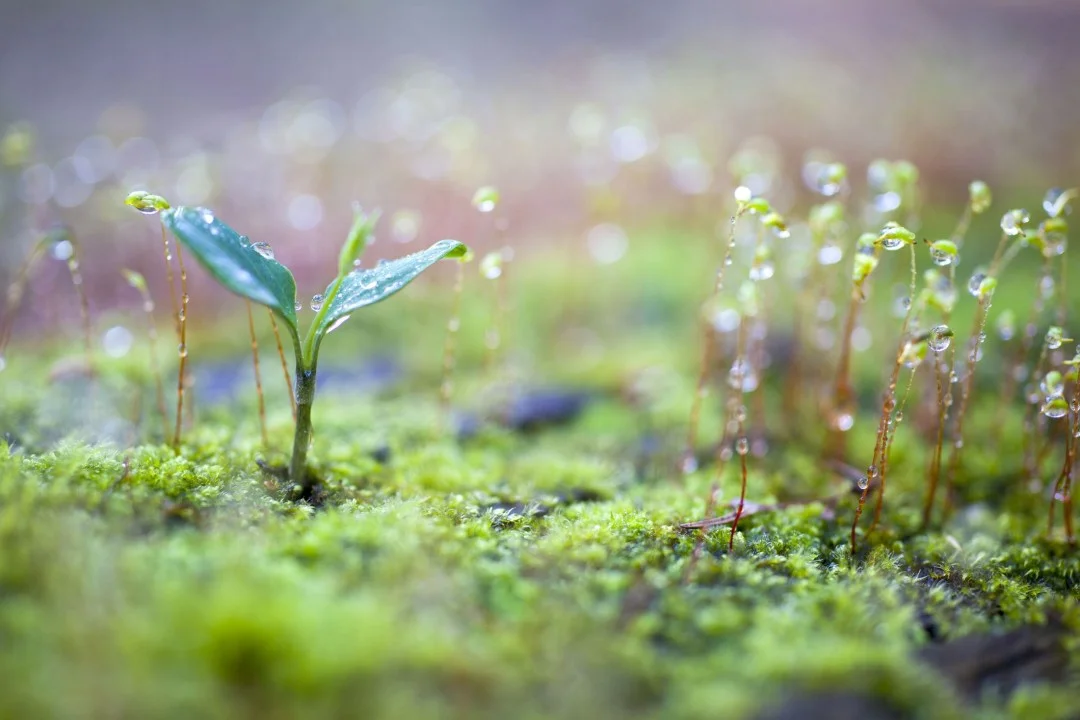
Mosses, which are under threat from climate change, land clearing, and overharvesting, are critical for sustaining life on our planet as they fuel the cycling of nutrients in soil, suck up carbon, and may even prevent the proliferation of pathogens and "antibiotic resistant genes," according to a new, worldwide study. Mosses are "potentially as significant" as vascular plants, and soil mosses, not counting those in boreal forests, cover an estimated 3.6 million square miles, or roughly the size of China.