Tag

Paper Mills

All articles tagged with #paper mills

Fraud by Proxy: How Paper Mills Sell Authorship and IP Rights in Science
science9 days ago

Fraud by Proxy: How Paper Mills Sell Authorship and IP Rights in Science

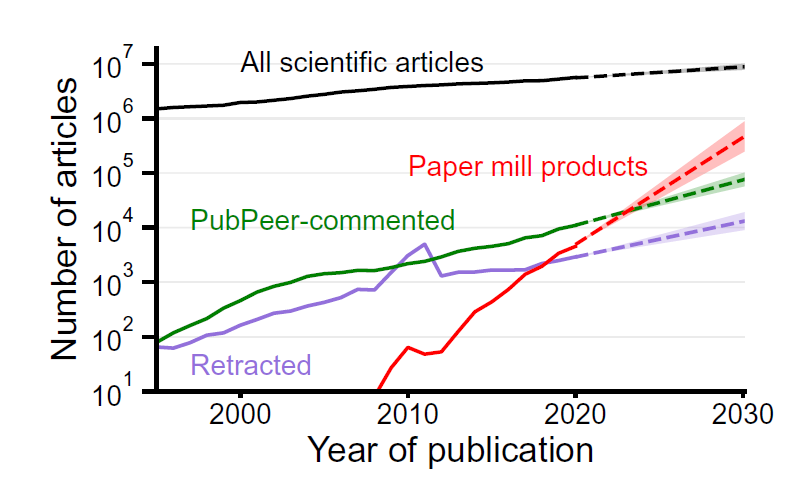
Scientists warn of a growing “paper mill” industry that sells fraudulent authorship and even design registrations for IP, often via Telegram, WhatsApp, and Facebook. A new dataset covering 18,000 ads from seven mills across seven countries (2020–2026) shows prices for authorship around $800 on average (with some as low as $30), and indicates papers frequently bypass peer review. The scam also extends to intellectual property, with fraudulent design registrations marketed as legitimate Australian design patents. The practice contributes to a massive pollution of the scientific record, evidenced by thousands of retractions in recent years, and experts warn that detecting and stopping these operations remains a major challenge.


Fix the incentives to curb AI-driven fraud in scientific publishing
science-policy27 days ago

Fix the incentives to curb AI-driven fraud in scientific publishing

Generative AI accelerates the publish-or-perish pressure by enabling rapid fabrication of papers, with detectors often lagging behind increasingly convincing AI-made content. While disclosure norms and screening tools help, experts say the core fix is systemic: reward quality over quantity, adopt data attestations and provenance standards, and align funders, institutions, and publishers to slow AI-enabled fraud. Detection buys time, but meaningful reform requires changing the incentives that drive researchers to publish large volumes.

Paper mills inflate cancer research metrics by doubling citations
science1 month ago

Paper mills inflate cancer research metrics by doubling citations

A large analysis of 33,159 papers across 20 high‑impact molecular-oncology journals finds papers likely produced by paper mills receive about twice as many citations as genuine papers, often citing other suspect papers and inflating journal impact factors. Using a BERT-based detector on bioscience articles, 12.3% of papers were flagged; Nature Cancer had none; patterns suggest coordinated manipulation and risks for publishers, though some false positives may exist.

ArXiv tightens grip on AI-created references with year-long bans
science-policy3 months ago

ArXiv tightens grip on AI-created references with year-long bans

ArXiv will bar authors from posting for one year if a submission contains AI-generated hallucinated citations or other clear signs of unverified AI use, and authors must have work accepted at a reputable peer-reviewed venue before reposting. The policy aims to curb AI 'slop' in preprints but has sparked debate about whether bans address root causes, with supporters praising accountability and critics arguing for broader fixes and cross-platform cooperation.

Dataset unmasks the price range of fake first-author slots in the paper-mill market
science4 months ago

Dataset unmasks the price range of fake first-author slots in the paper-mill market

A dataset called BuyTheBy compiles over 18,000 advertisements from seven paper mills across multiple countries, revealing first-author slots selling for roughly $56 to $5,631 and showing some ads align with published papers. The study notes the market is evolving with AI, making enforcement difficult, but provides a starting point for publishers to curb fraud. The dataset isn’t comprehensive (omits Iran/China mills) and can’t confirm completion of purchases or final publications.

Five red flags that a research paper may be fraudulent
technology6 months ago

Five red flags that a research paper may be fraudulent

Science sleuths outline five practical checks to spot dubious papers: vet the references for relevance and possible fake or self-citing patterns; verify authors and affiliations (and ORCID IDs); examine figures and images for manipulation; evaluate the science itself for formulaic, boring, or implausible findings often produced by paper mills; and read the abstract for clarity and consistency, using community resources like PubPeer and Retraction Watch to corroborate concerns.

Stolen study, sold authorship, and a plagiarism trap for the victim
science7 months ago

Stolen study, sold authorship, and a plagiarism trap for the victim

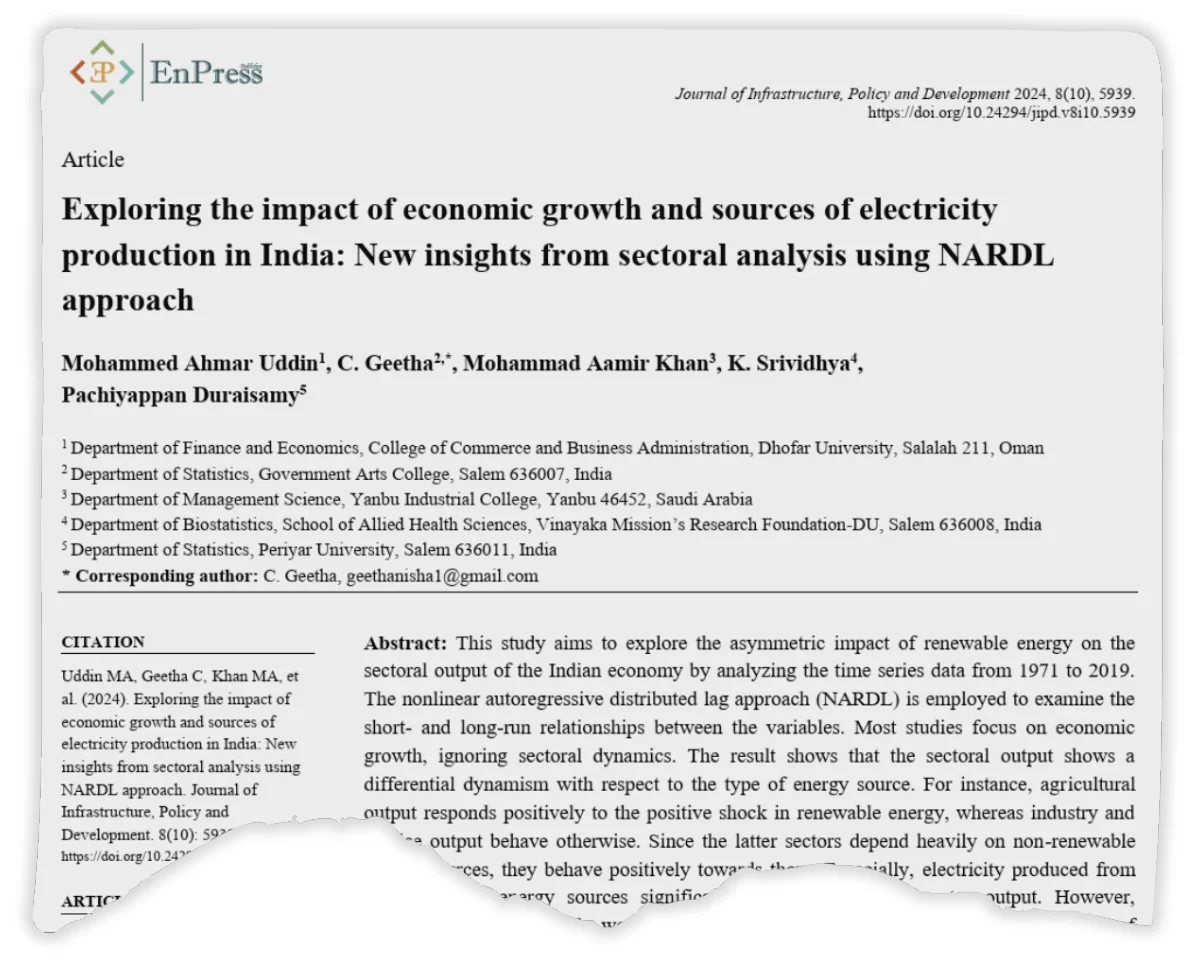
A Bengaluru economist discovers her study was stolen and published by others, with authorship slots allegedly sold on Telegram for roughly $165–$200. The misappropriated paper, later indexed by a different journal, prompts plagiarism concerns when editors find it nearly identical to her rejected draft. The incident underscores how paper mills operate, the push for retractions, and ongoing investigations by publishers, even as some listed authors deny involvement.

Rising Academic Fraud: The Role of AI and Paper Mills in Scientific Misconduct
science-and-research-integrity10 months ago

Rising Academic Fraud: The Role of AI and Paper Mills in Scientific Misconduct

The article discusses the problem of fake scientists and paper mills in academic publishing, highlighting cases of fabricated authors and reviewers used to manipulate peer review and publish fraudulent research, and explores potential measures to improve identity verification and uphold research integrity.

Rising Threat of Scientific Research Fraud and Fake Publications
science1 year ago

Rising Threat of Scientific Research Fraud and Fake Publications

A study from Northwestern University reveals that research fraud in scientific papers is widespread and increasing, with estimates suggesting actual fraud rates could be 10 to 100 times higher than detected. The rise is driven by paper mills, corrupt editors, and the pressure to publish, with the problem exacerbated by online publishing and the potential of generative AI to produce fake research. Experts call for collective action, accountability, and stricter enforcement to combat this growing threat to scientific integrity.

Rising Tide of Fake Scientific Papers Exposes Global Fraud Networks
science1 year ago

Rising Tide of Fake Scientific Papers Exposes Global Fraud Networks

A new study highlights the widespread issue of fraudulent scientific research, with thousands of fake papers, often produced by paper mills and linked to unethical practices, polluting the scientific record and threatening trust in science. The study found significant collusion among some editors and authors, especially in countries like China and India, where publication pressure is high, and noted that current measures to combat this fraud are insufficient as the problem grows rapidly.

Rising Tide of Scientific Fraud: Criminal Networks Behind Fake Research
science1 year ago

Rising Tide of Scientific Fraud: Criminal Networks Behind Fake Research

A 2025 study reveals that organized scientific fraud, involving large networks and paper mills, is rapidly growing and infiltrating reputable journals, threatening the integrity of science and leading to significant real-world consequences. Experts call for systemic reforms to combat this industrialized deception, especially as AI complicates detection efforts.