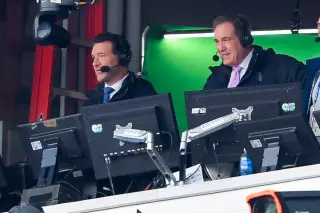
Romo Faces Three New Citations in July Arrest Case
CBS broadcaster Tony Romo faces three additional citations connected to a July arrest, expanding the legal matter with limited details released.

All articles tagged with #citations
CBS broadcaster Tony Romo faces three additional citations connected to a July arrest, expanding the legal matter with limited details released.
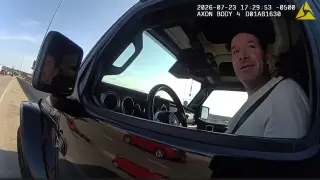
Former Dallas Cowboys quarterback Tony Romo was hit with three new citations in Milwaukee on Aug. 27 tied to his July 23 arrest for suspected operating a vehicle while intoxicated, including first-offense OWI, unsafe passing on the right and possessing open intoxicants in his vehicle; he had previously been cited July 27 for refusing to take an intoxication test. Romo is due in court Sept. 21 for all four citations. CBS placed him on leave after the arrest, and a team spokesperson said he accepts responsibility and is working with authorities to resolve the matter.
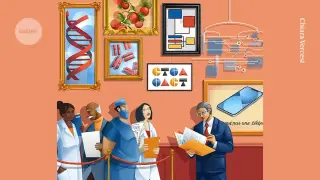
Nature analyzes which scholarly papers appear most often on patent front pages and in their text, revealing that life-science research—especially antibody science and bioinformatics tools like BLAST—dominates patent citations. Notable examples include the 1975 Köhler–Milstein monoclonal antibody paper (highly cited in patents), a 1994 Colman antibody paper with thousands of patent mentions despite few journal citations, and the 1990 BLAST software paper as the most-cited front-page patent reference. The study, drawing on The Lens and Reliance on Science datasets, shows patent references are driven by legal needs to map state of the art and that many top-cited papers are publicly funded; differences between front-page and in-text citations also reveal how methods and plant biology papers accrue patent mentions.

Google rebrands NotebookLM as Gemini Notebook and expands its role within the Gemini ecosystem; Pro accounts will gain a dedicated cloud computer per notebook for deeper source analysis and native code execution, plus expanded capabilities to create PDFs, charts, and slides from notes; the notebook remains a research-focused tool that pulls from sources for cited summaries and can generate podcasts, mind maps, flashcards, infographics, and slides, with a new Short Video Overview feature.

A large analysis of 33,159 papers across 20 high‑impact molecular-oncology journals finds papers likely produced by paper mills receive about twice as many citations as genuine papers, often citing other suspect papers and inflating journal impact factors. Using a BERT-based detector on bioscience articles, 12.3% of papers were flagged; Nature Cancer had none; patterns suggest coordinated manipulation and risks for publishers, though some false positives may exist.
arXiv announced it can ban authors for up to a year if their papers contain AI-generated hallucinated references, illustrating a push to hold researchers accountable for AI-assisted content. While the policy clarifies that authors are responsible for all material, many academics argue the standard is overly strict and difficult to verify, given language barriers and potential copy-paste errors in long papers. The debate highlights growing tensions over AI's role in scholarly publishing and the need for rigorous verification of AI-generated claims.

An AI-assisted analysis of public peer-review reports for 8,000 Nature Communications papers (2017–2024) finds that papers subjected to tougher criticism and larger revision costs tend to be more highly cited in the following three years. While the quality of reviewer comments correlates with impact, how constructive the feedback is does not, suggesting that rigorous review can both reflect ambitious work and help raise its future influence.

An audit of millions of biomedical papers found more than 4,000 citations to non-existent or misattributed studies, many generated by AI, across nearly 3,000 papers; the number has grown 12-fold in three years and could skew clinical guidelines unless researchers and editors rigorously fact-check AI-assisted citations.
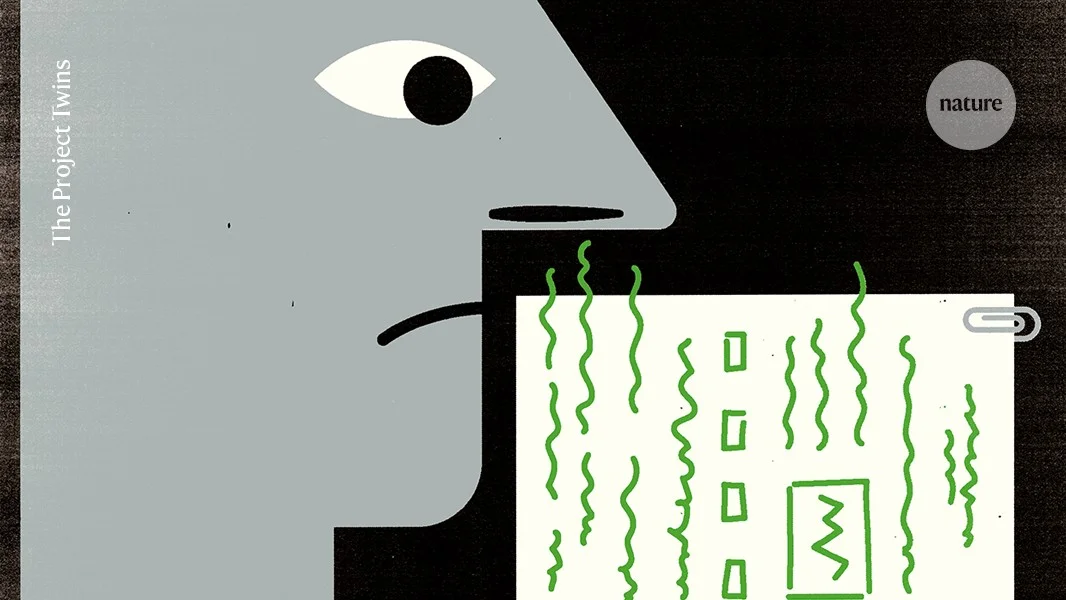
Science sleuths outline five practical checks to spot dubious papers: vet the references for relevance and possible fake or self-citing patterns; verify authors and affiliations (and ORCID IDs); examine figures and images for manipulation; evaluate the science itself for formulaic, boring, or implausible findings often produced by paper mills; and read the abstract for clarity and consistency, using community resources like PubPeer and Retraction Watch to corroborate concerns.

An open-source AI called OpenScholar combines a language model with a 45-million-open-access-article database to perform literature reviews and cite sources directly, reducing hallucinations and allowing local deployment at a fraction of the cost of commercial deep-research tools; it’s powerful but may miss representative papers and is limited by its data coverage.
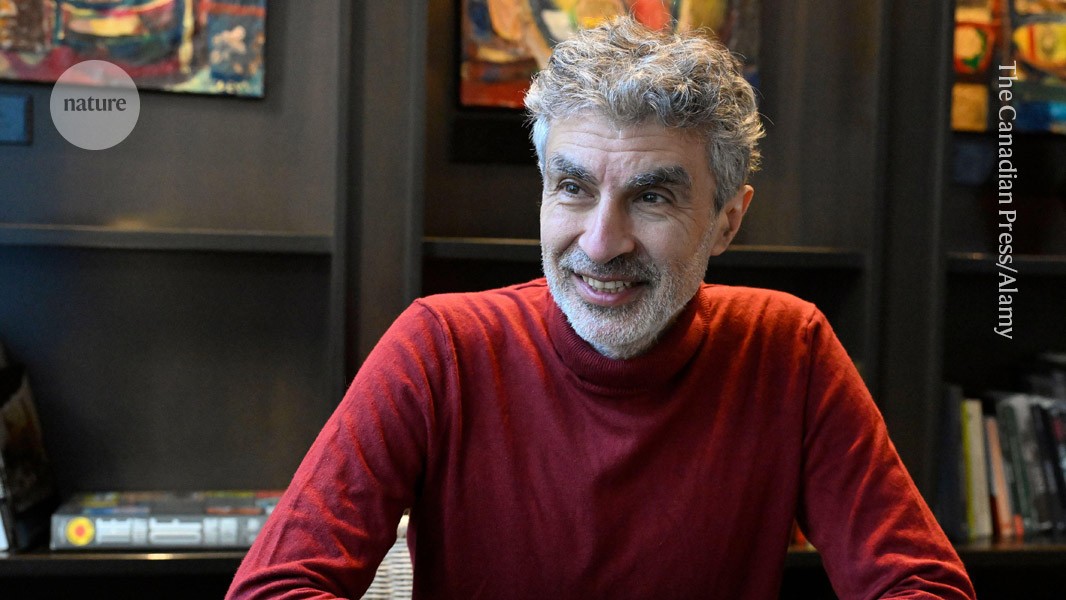
Yoshua Bengio, a pioneer in AI and machine learning, has become the first researcher to be cited over one million times on Google Scholar, highlighting his influential work on neural networks and the rapid growth of AI technology.
The UK High Court warns lawyers about the risks of using AI-generated citations, emphasizing the need for verification and caution, as misuse could lead to severe penalties, including sanctions or referral to authorities.
A study by the Tow Center for Digital Journalism reveals that ChatGPT often inaccurately cites sources, posing challenges for publishers who have licensing deals with OpenAI. The research found that ChatGPT frequently misrepresents or invents information, regardless of whether publishers allow OpenAI to crawl their content. This inconsistency in citations raises concerns about the reliability of ChatGPT's sourcing and the potential reputational risks for publishers. The study suggests that OpenAI's technology treats journalism as decontextualized content, leading to unreliable and varied responses.
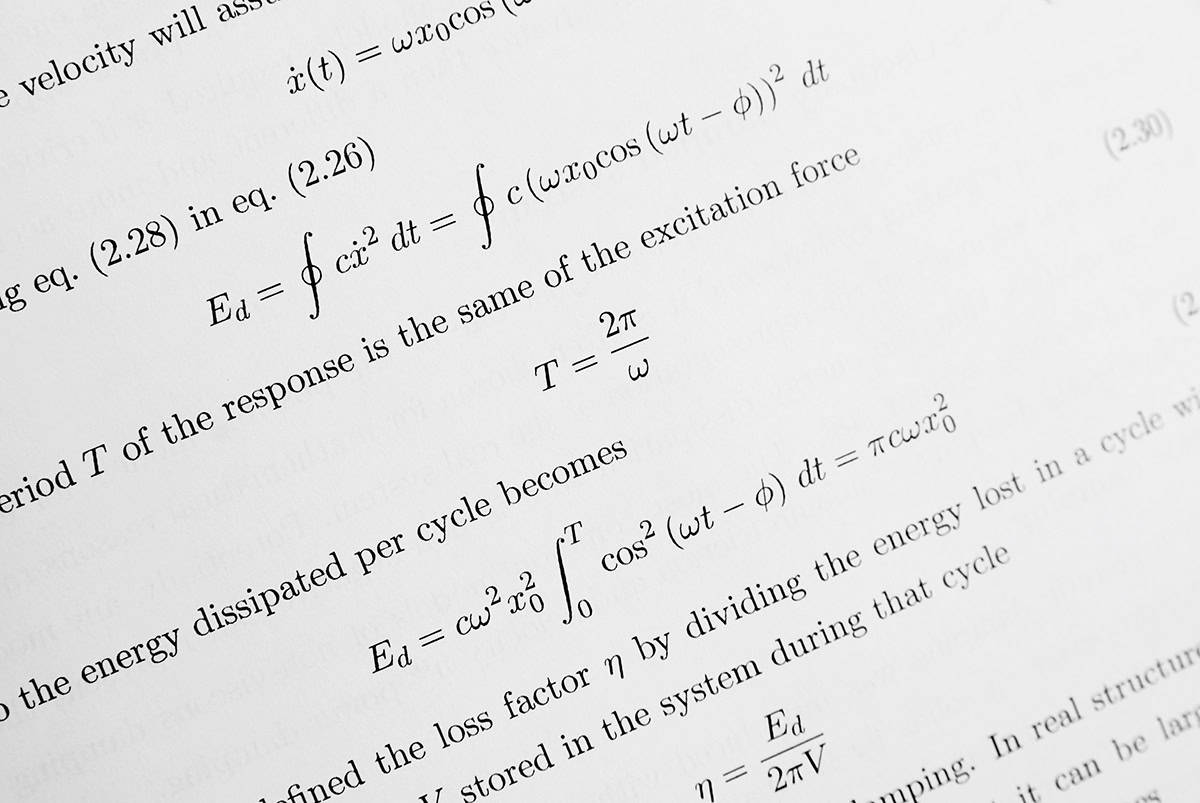
A new study using machine learning reveals that foundational scientific papers often receive "hidden citations," where their concepts are widely used but not explicitly cited. This skews the perceived impact of these papers, suggesting that traditional citation counts may not fully capture their true influence. The study found that accounting for hidden citations can significantly alter the ranking of influential papers and authors, highlighting the need for more accurate bibliometric measures.
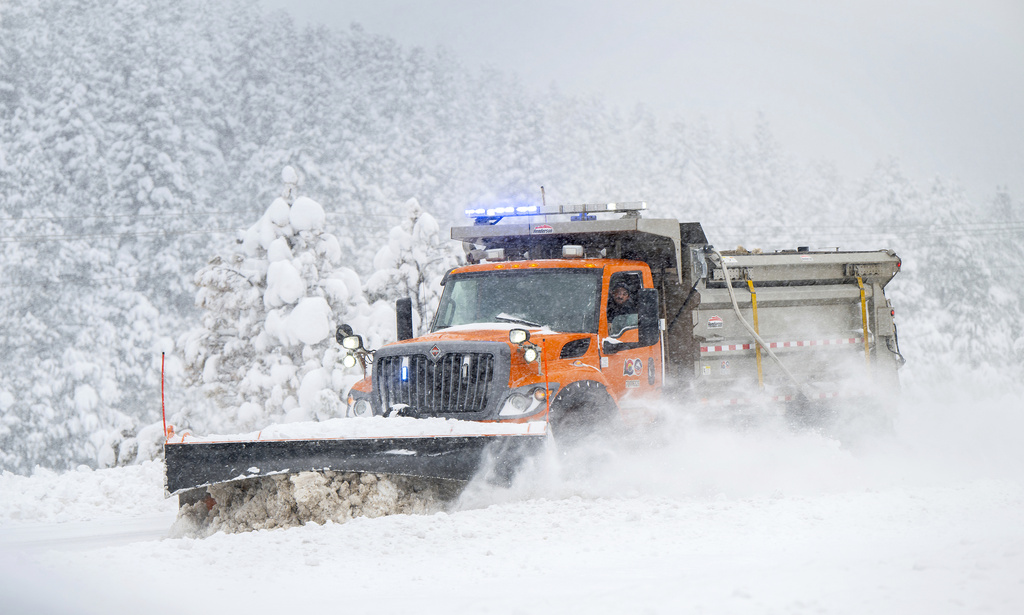
Colorado State Patrol issued 12 citations to truck drivers who did not use chains on Interstate 70 during a massive winter storm, leading to gridlock and road closures. The storm caused significant disruptions, with a 90-mile stretch of I-70 reopening to commercial vehicles at 9 a.m. Friday. Additionally, several mountain roads and ski areas remained closed due to unsafe driving conditions and avalanche danger, with one ski resort reporting the biggest snow event it’s seen in decades.