Trump-era policy moves—global tariffs and the Iran situation—have pushed U.S. inflation to a three-year high, with core PCE rising even as oil retreats; the data suggest inflation pressures could keep the Fed on track for rate hikes, potentially cooling yet still challenging stock valuations.
US May 2026 personal income grew 0.7% (+$181.6B), with disposable income and PCE also up 0.7%; personal saving reached $704.2B (3.0%). The gain was led by farm proprietors’ income and compensation (aided by relief payments), while real PCE rose 0.3% as the PCE price index climbed 0.4% for the month. BEA notes upcoming 2026 annual updates to national, industry, state, and county accounts beginning Sept. 30, 2026.
The Fed’s preferred inflation gauge, the PCE index, rose 4.1% in May (year over year) and 0.4% month over month, with core PCE up 3.4% year over year and 0.3% month over month, signaling persistent price pressures and keeping the door open for a rate increase within the next 12 months, according to economists who differ on the path ahead.
Cheaper crude may cool headline inflation and ease consumer pressure, but it could also spur extra demand in an economy that’s already running hot, potentially nudging the Fed toward higher rates. Apollo economist Torsten Sløk notes a shift in market logic: oil prices falling below $70 hasn’t dragged the 2-year yield down in lockstep, suggesting cheaper oil could lift spending and inflation instead of just cooling it. With core PCE expected to rise to about 3.4% in May, and risks from events like the Strait of Hormuz reopening, investors face a mixed picture where oil’s drag on inflation could be offset by renewed demand, complicating Fed policy.
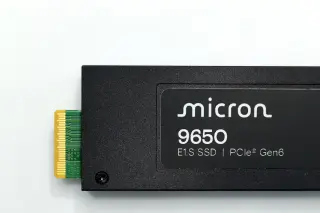
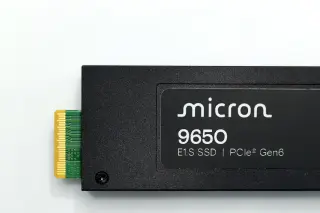
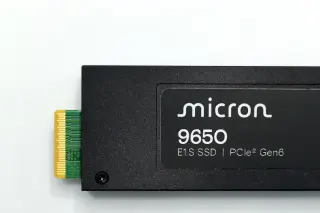
Stocks finished mixed as the Dow rose about 1.1% and the S&P 500 gained 0.1%, while the Nasdaq slipped around 0.3%. Micron's blowout results boosted memory-chip optimism and lifted the market, and Qualcomm gained on AI data-center opportunities, but hotter inflation from the PCE index in May (4.1% year-over-year, 0.4% month-over-month) kept rate-hike bets alive. Oil prices eased overall with Brent near 74 and WTI around 70 amid supply dynamics and geopolitical tensions.
Stock futures climbed after Micron Technology beat earnings and boosted AI enthusiasm, with Nasdaq futures up about 2.4%, S&P 500 futures up about 0.8%, and Dow futures up around 0.3% as investors eye the Fed’s inflation data; Micron’s strong outlook spurred relief over AI valuations, while Qualcomm expanded into data-center products. Brent and WTI oil slid to multi-week lows on easing supply concerns. The latest Personal Consumption Expenditures price index showed prices up 4.1% year over year in May and 0.4% month over month, keeping a rate-hike debate alive.
Tech stocks jump in premarket trading as Micron’s strong earnings calm AI jitters. Nasdaq-100 futures rise about 2.2%, S&P 500 futures up ~0.8%, and Dow futures inch higher (~0.1%) as Qualcomm’s AI-expansion plans add to sentiment. Investors await the Federal Reserve’s preferred inflation gauge, the PCE price index, which could shape expectations for rate moves.
U.S. Treasury yields slipped on Tuesday despite fears of higher rates weighing on tech stocks, with the 10-year yield around 4.495%, the 2-year about 4.198%, and the 30-year near 4.943%. Investors await May’s PCE inflation data—the Fed’s preferred gauge—with core PCE expected to rise from April per economists polled by FactSet.
April’s PCE inflation rose 3.8% year over year—the highest in nearly three years, with core PCE at 3.3%—as energy costs led broad price gains across housing, utilities and services; personal income growth lagged inflation and the saving rate slipped to 2.6%, while spending rose 0.5% in April, signaling households are feeling the squeeze and fueling expectations for a potential Fed rate hike later this year under new chair Warsh.
BEA's April 2026 personal income fell marginally (less than $0.1B) while disposable personal income slipped 0.1%; meanwhile personal consumption expenditures rose 0.5%, lifting total outlays by about $114B. Personal saving was $611.7B (2.6% saving rate). Real DPI dropped 0.5% and real PCE increased 0.1%, with the PCE price index up 0.4% (0.2% excluding food and energy). The income decline was mainly due to farm proprietors’ income tied to the Farmer Bridge Assistance Program, with compensation led by private wages and salaries. Next BEA release is June 25, 2026.
April’s core PCE rose 0.2% to 3.3% year over year, with the broader PCE up 0.4% to 3.8%, while Q1 GDP was revised to 1.6% annualized and consumer spending rose 0.5% in April. The data suggest inflation remains elevated but cooling, keeping the Fed on hold for now, with markets pricing potential rate moves in early next year.
New Fed chair Kevin Warsh faces a stubborn inflation backdrop as April’s PCE is expected to rise to about 3.9%, complicating expectations for rate cuts. He pledges reform and independence while contending with Trump’s push for cheaper borrowing. Analysts see a delicate path ahead, with holding rates through 2026 and only a later-year chance of hikes depending on inflation.
March’s PCE price index—the Fed’s preferred inflation gauge—rose 0.7% from February, lifting the annual rate to 3.5% (its highest since May 2023). Core PCE rose 0.3% month over month to 3.2% year over year. The jump was driven largely by higher energy costs linked to the Iran–Israel conflict and shipping disruptions in the Persian Gulf, while consumer spending rose 0.9% in February but inflation left real spending up only 0.2%.
US personal income fell 0.1% in February 2026 (-$18.2B), with disposable income down 0.1% (-$18.3B), while personal consumption expenditures increased 0.5% (+$103.2B), boosting total personal outlays by 0.5% (+$106.5B). Personal saving reached $931.5B (4.0% saving rate). The income drop was mainly due to lower personal dividend income and fewer transfer receipts, even as compensation rose. The PCE increase was split between goods (+$58.7B) and services (+$44.5B); real PCE rose 0.1%, and the PCE price index climbed 0.4% (0.4% excluding food and energy). Year over year, PCE prices were up 2.8% (3.0% ex food and energy). BEA notes data revisions and ongoing improvements; the next release is April 30, 2026, at 8:30 a.m. ET.
February core PCE rose 3% and headline inflation 2.8%, while consumer spending fell 0.1% and personal income rose 0.4%. GDP for Q4 was revised down to 0.5% growth (down from 0.7%), driven by weaker investment and lower real final sales. The report suggests stagflation pressures even before the Iran conflict boosts energy prices, with Fed officials expected to keep rates on hold as inflation remains above target.