Tag

Pet

All articles tagged with #pet

From Plastic Slurry to Cookies: SIU's Microbites Move Waste Toward Food
science17 hours ago

From Plastic Slurry to Cookies: SIU's Microbites Move Waste Toward Food

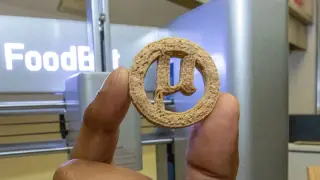
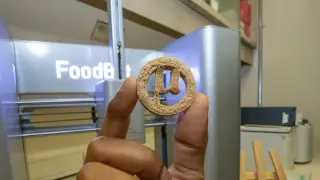
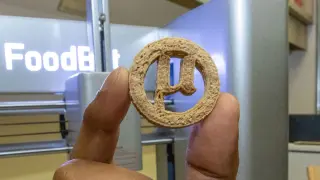
Researchers at Southern Illinois University Carbondale have developed µBites—cookies produced by converting PET plastic and agricultural waste into a liquid feedstock via oxidative hydrothermal dissolution, then using engineered yeast to create ingredients like proteins, lipids, aromas (vanillin) and colors (beta-carotene) which are 3D-printed into dough and microwaved into cookies. Aimed at near-zero-waste carbon conversion for remote or space environments, the system currently converts about half of feedstock carbon; safety tests are ongoing and human tasting is pending. Microgravity remains a hurdle, but potential uses include disaster relief and on-demand food in extreme conditions.

Plastic-to-cookie: Microbes bake vanilla cookies from PET bottles
science19 hours ago

Plastic-to-cookie: Microbes bake vanilla cookies from PET bottles

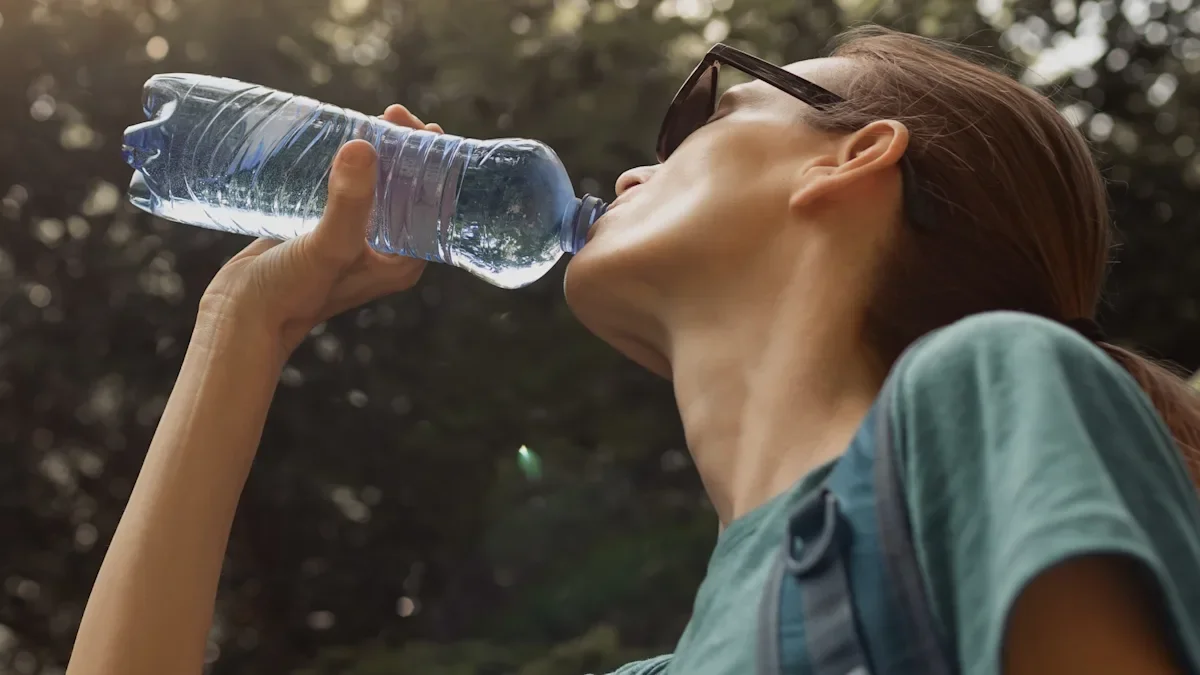
Researchers at Southern Illinois University converted plastic bottles’ PET into edible μBites by breaking PET down with biomass and using engineered yeasts to turn plastic-derived molecules into proteins, vitamins, and flavors, then forming cookie-shaped dough via 3D printing. Aimed at disaster or deep-space food, the approach requires taste-testing approval and currently costs about $60 per kilogram, with ongoing work to add vanilla flavoring and beta-carotene while public acceptance remains a hurdle.

Trash-to-Treat: Scientists Demo Cookies Made from Recycled Plastic
science1 day ago

Trash-to-Treat: Scientists Demo Cookies Made from Recycled Plastic

Researchers unveiled µBites, cookies produced by converting waste PET plastic into a liquid feedstock via oxidative hydrothermal dissolution, then using engineered yeast to synthesize proteins, aromas, and colors, which are 3D-printed into dough and microwaved into cookies. Sensory tests suggest the aroma and texture are promising, but human taste and safety trials are still pending. The project aims for on-site, zero-waste food production in extreme environments (space, disasters), with current conversion around half of the carbon in feedstocks and ongoing work to address microgravity and efficiency.”,

science7 days ago

Hybrid Imaging Bridges Whole-Body Scans With Cellular Detail

Researchers at University of Glasgow have developed a preclinical imaging system that links whole-body PET scans with cellular-level microscopy by combining PET, bioluminescence and fluorescence. This enables tracking of cancer from the body down to individual tumor cells in mouse models, revealing how tumors grow, interact with nearby immune cells and blood vessels, and why different lesions respond differently to therapy. The technique could improve understanding of cancer biology and guide more precise preclinical testing and treatments, though it is not yet available for humans.

Long COVID Linked to 18% Drop in Brain Dopamine Nerve Endings, PET Study Finds
health15 days ago

Long COVID Linked to 18% Drop in Brain Dopamine Nerve Endings, PET Study Finds

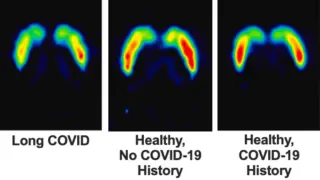
A small PET study (24 long COVID patients and 24 controls) found about an 18% reduction in dopamine nerve endings in the striatum of people with long COVID, with ventral striatum changes linked to lower motivation and dorsal striatum changes tied to slower movement and memory issues. The alterations persisted for up to 4.6 years after infection, suggesting the dopaminergic system as a potential biomarker for diagnosis and a target for treatment. The study’s sample is small, but researchers plan a clinical trial repurposing a dopamine-influencing drug, highlighting the need for validated long COVID therapies and better access to care.

Microplastics Found in Every Artery Sample, Study Raises Cardiovascular Questions
science23 days ago

Microplastics Found in Every Artery Sample, Study Raises Cardiovascular Questions

A Chinese-led study analyzed 17 arterial samples from surgical procedures and detected microplastics in all of them, with higher levels in arteries containing fatty plaques (coronary and carotid) than in the aorta; PET was the dominant plastic. While the findings raise concerns about potential cardiovascular effects, the researchers caution that a direct causal link isn’t proven and call for further study, alongside other 2024 findings that microplastics may associate with arterial plaques and stroke risk.

15-Year-Old Doctoral Student Engineers Enzymes to Break Down PET Plastic
technology3 months ago

15-Year-Old Doctoral Student Engineers Enzymes to Break Down PET Plastic

Ian Emmanuel González Santos, who was told he had an attention deficit in grade school, became the youngest graduate in University of Guadalajara history at 13 and is now a 15-year-old doctoral student researching engineered enzymes to depolymerize PET plastic, building on FAST-PETase work while underscoring that real‑world recycling requires clean, well‑sorted plastics and scalable industrial deployment.

Bottle-to-Drug: Bacteria Convert Plastic Waste into Levodopa
science4 months ago

Bottle-to-Drug: Bacteria Convert Plastic Waste into Levodopa

Researchers engineered E. coli to convert PET-derived terephthalic acid into levodopa, a Parkinson’s drug, via a two-step metabolic pathway in a lab proof-of-concept using sequential bacterial strains; not yet scalable, but it demonstrates a potential plastic-to-pharma recycling route and eco-friendly drug production, building on earlier work turning PET into other medicines. Published in Nature Sustainability with EPSRC funding.

Plastic Bottles Refined Into Parkinson’s Drug: Bacteria Drive Upcycling Breakthrough
science5 months ago

Plastic Bottles Refined Into Parkinson’s Drug: Bacteria Drive Upcycling Breakthrough

Engineers at the University of Edinburgh used engineered E. coli to break down PET plastic waste into L-DOPA, the main drug for Parkinson’s, creating a sustainable upcycling pathway from discarded bottles and signaling potential expansion to other products, with work now focusing on industrial scalability and environmental performance.

PET Microplastics in Bottles Linked to Pancreatic Changes in Animal Study
science7 months ago

PET Microplastics in Bottles Linked to Pancreatic Changes in Animal Study

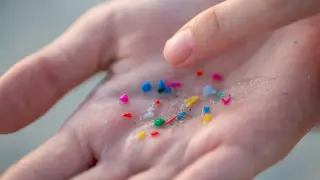
A study published in BMC Genomics found that microplastics from polyethylene terephthalate (PET)—common in plastic water bottles—caused dose‑dependent changes in pig pancreatic cells, including altered protein abundance and increased fat accumulation and inflammation, suggesting potential pancreatic disruption in humans with PET exposure. While not yet proven for people, the findings add to concerns about microplastics and support policies to curb plastic usage and promote alternatives like reusable bottles.

"Family's Pet Octopus Multiplies into 50, Turning Life Upside Down"
animals2 years ago

"Family's Pet Octopus Multiplies into 50, Turning Life Upside Down"

After buying a pet octopus for his son, Cameron Clifford discovered that the octopus, named Terrance, had laid dozens of eggs, resulting in 50 baby California two-spot octopuses. Caring for the hatchlings has been complex, time-consuming, and expensive, but Clifford's TikTok videos documenting the experience have garnered support and attention. With the help of a retired radiologist, Tim Tytle, they are now seeking good homes for the octopuses, aiming to place them in research institutes, aquariums, and sanctuaries. While raising octopuses can be challenging, their efforts have introduced more people to the mysterious species and may inspire future marine biologists.

Viral Sensation 'Dunkin Duck' Munchkin Passes Away After Vet Visit
animal-news2 years ago

Viral Sensation 'Dunkin Duck' Munchkin Passes Away After Vet Visit

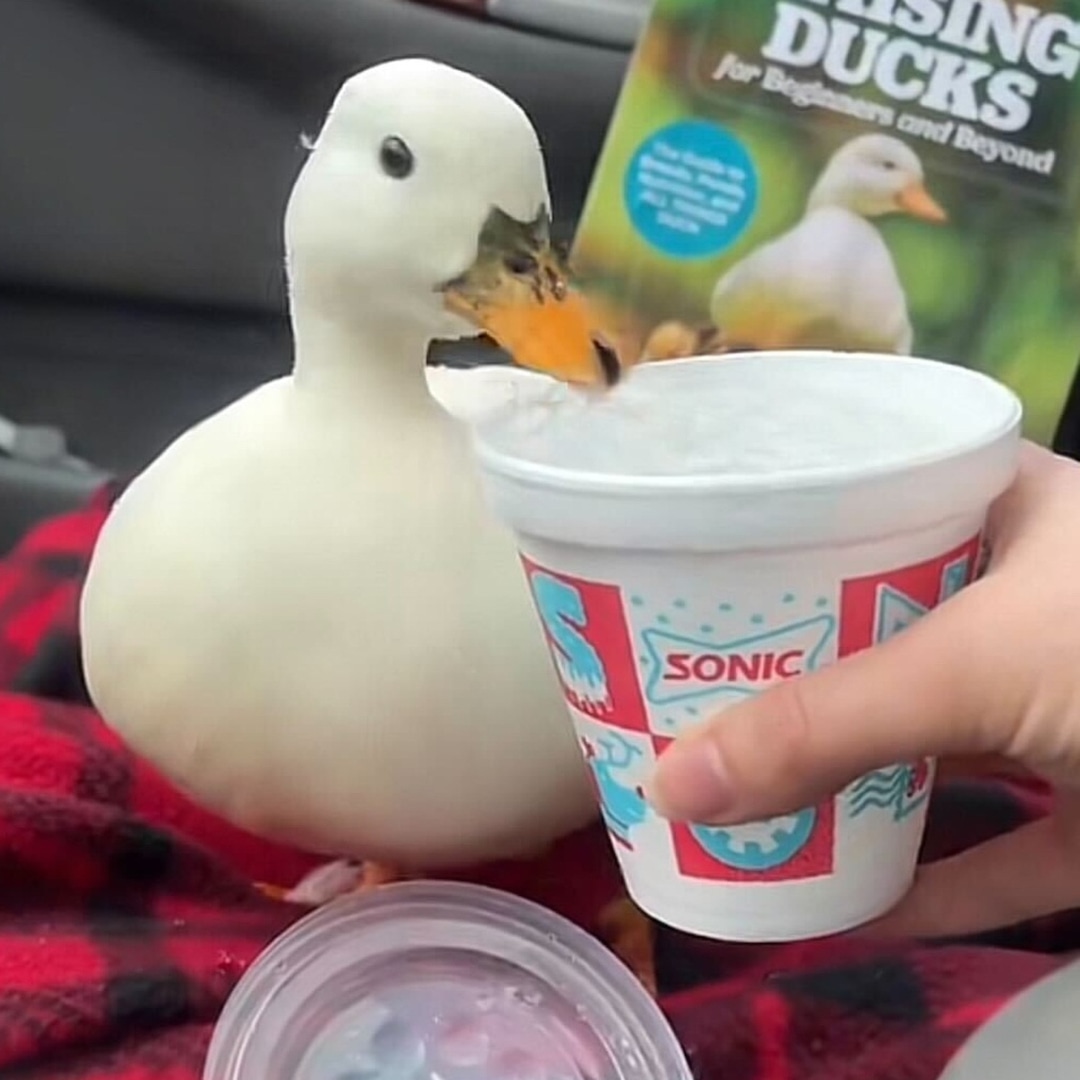
Munchkin, the beloved TikTok duck known for drinking iced water in viral videos, has passed away at the age of 6 after a visit to the vet. Her owner, Krissy, expressed deep sadness and is awaiting more information on the cause of death. Munchkin, who had been undergoing tests for a heart condition, leaves behind a legacy on social media, with plans to continue educating followers about responsible pet duck care.

"Fatal Bite: Pet Gila Monster Kills Lakewood Man"
tragedy2 years ago

"Fatal Bite: Pet Gila Monster Kills Lakewood Man"

A 34-year-old man in Lakewood died after being bitten by his pet Gila monster, a venomous lizard. Despite the rarity of Gila monster bites causing death in humans, the man did not survive his injuries. Authorities removed the two Gila monsters from the man's home, as it is illegal to own them in Lakewood, and they have been taken to a wildlife rehabilitation facility.