Tag

Photobiomodulation

All articles tagged with #photobiomodulation

Shining light on mitochondria: the cellular science of red-light therapy
science15 days ago

Shining light on mitochondria: the cellular science of red-light therapy

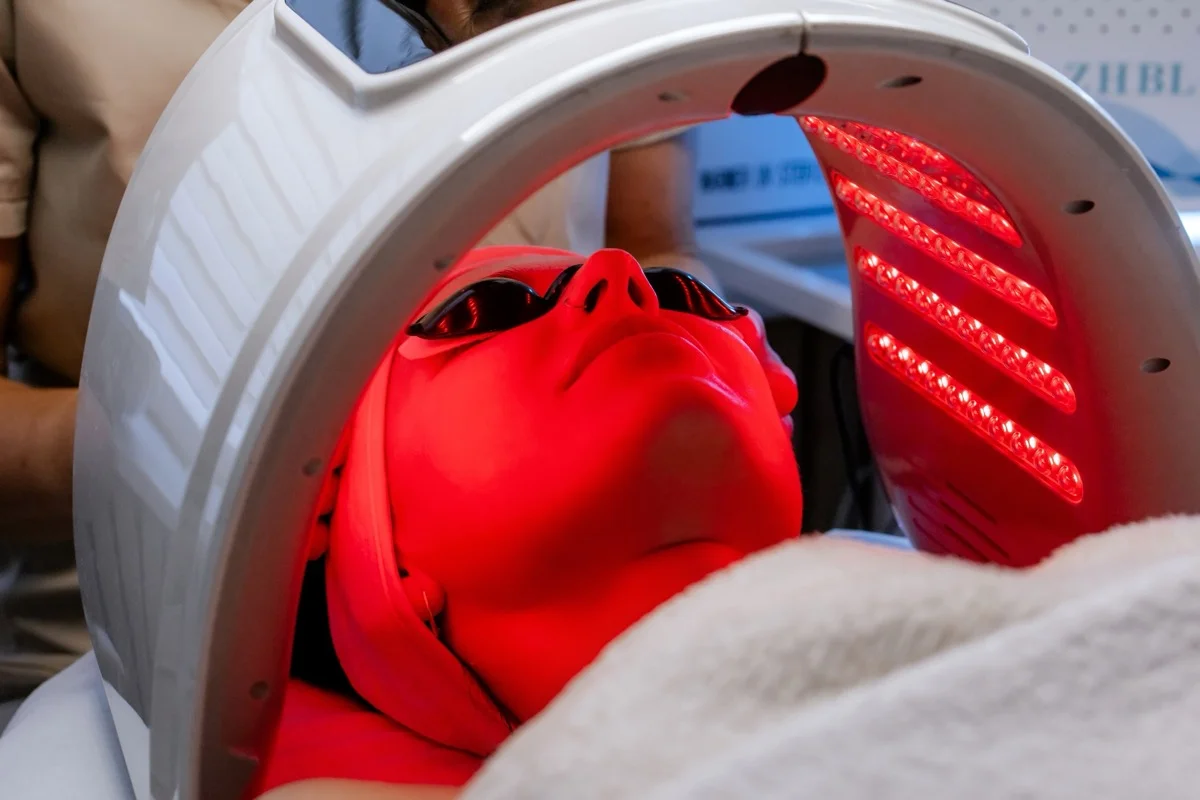
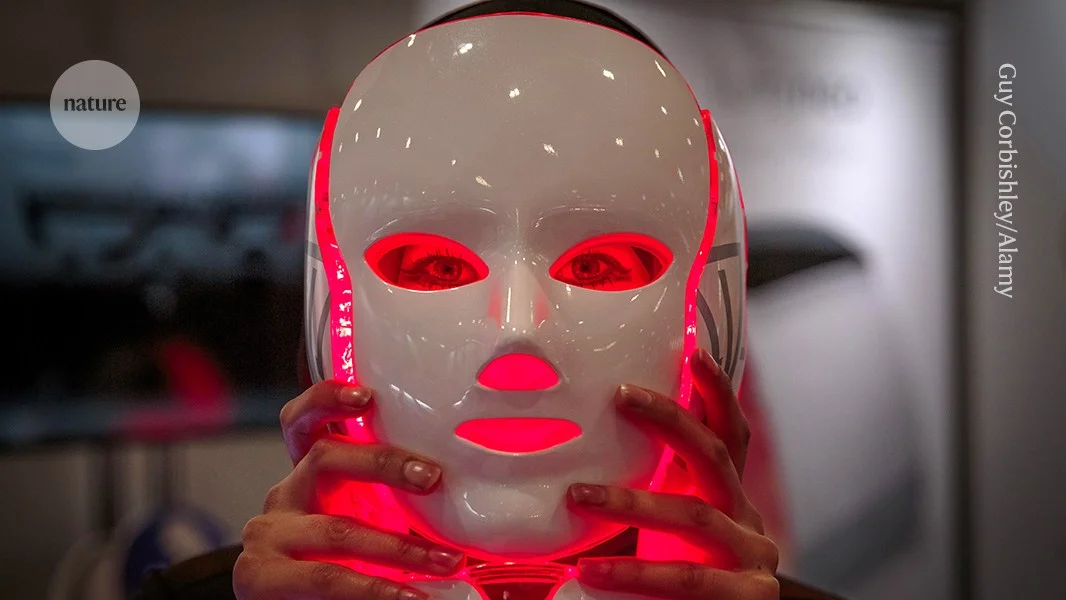
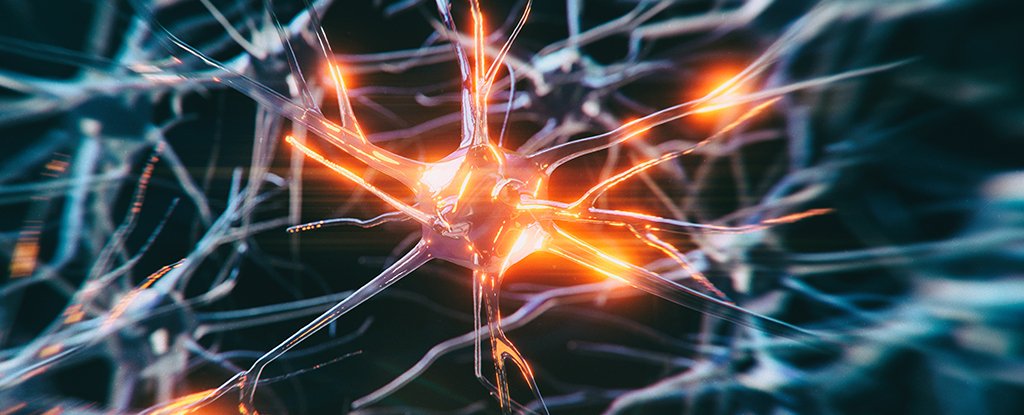
Red and near-infrared light (600–1,100 nm) is thought to stimulate mitochondria by activating cytochrome c oxidase, boosting ATP production and triggering downstream changes in blood flow and inflammation. Alongside dermatology uses, a growing evidence base links photobiomodulation to benefits for ulcers, neuropathy, radiation skin damage, and hair loss, with FDA clearance for dry macular degeneration and ongoing trials in Parkinson's, depression, and post-exercise recovery. Notably, healthy cells respond little while metabolically stressed cells show stronger responses.

From fringe to clinic: the real science of red-light therapy
health-care16 days ago

From fringe to clinic: the real science of red-light therapy

Red- and near-infrared light may boost mitochondrial function and blood flow, with evidence of safety and some benefit for ulcers, peripheral neuropathy, dry age-related macular degeneration, and cancer-therapy–related mucositis; however, the overall clinical picture is mixed, optimal doses and delivery methods are unresolved, and while trials are expanding into brain and metabolic effects, hype often outpaces solid, large-scale evidence.

Broad-spectrum lighting boosts color-contrast vision under LEDs with lasting effects
science2 months ago

Broad-spectrum lighting boosts color-contrast vision under LEDs with lasting effects

A University College London study found that standard LED lighting (350–650 nm) can undermine visual performance by suppressing mitochondrial function, while supplementing with broad-spectrum incandescent light (400–1500+ nm) significantly improved color-contrast sensitivity across protan and tritan axes by about 25%. These improvements persisted for up to six weeks after incandescent lighting was removed. The findings imply LEDs may have systemic physiological effects via mitochondrial pathways and suggest public-health benefits from incorporating wider-spectrum lighting, despite trade-offs with energy efficiency.

Breakthrough Devices Offer Hope for Spinal Cord Injury Recovery
health-and-medicine1 year ago

Breakthrough Devices Offer Hope for Spinal Cord Injury Recovery

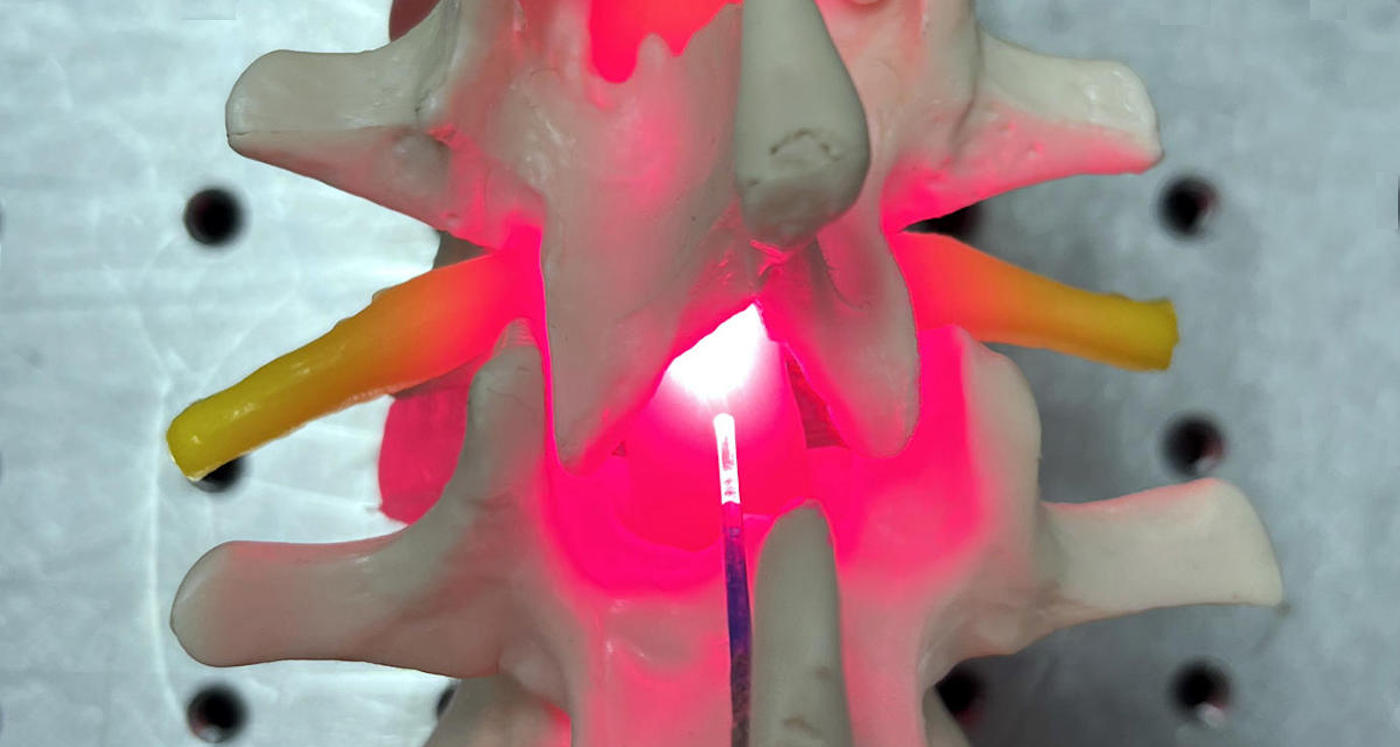
Scientists at the University of Birmingham have developed a novel implantable device that uses red and near-infrared light to treat spinal cord injuries. This method, which can be implemented during routine spinal surgeries, has shown significant improvements in nerve cell regeneration and functional recovery in preclinical models. The therapy, known as photobiomodulation, has demonstrated both neuro-protective and neuro-regenerative effects, marking a significant milestone in spinal cord injury treatment.

The Remarkable Effect of Simulated Sunshine on Alzheimer's Symptoms
health2 years ago

The Remarkable Effect of Simulated Sunshine on Alzheimer's Symptoms

A review of studies involving nearly 600 people with Alzheimer's disease suggests that stimulating a key part of the brain using light therapy, or photobiomodulation (PBM), can improve sleep and psycho-behavioral symptoms. The therapy showed promise in alleviating symptoms such as apathy, depression, agitation, and aggression. Light therapy involves exposing patients to bright light that mimics the Sun's illumination, which helps regulate circadian rhythms. While light therapy for Alzheimer's has gained attention, comprehensive research on its efficacy and safety is still lacking. Further, larger trials are needed to confirm its effectiveness as a treatment option for Alzheimer's symptoms.

"Light Therapy and Motionless Approach: Promising Ways to Slow Aging"
health3 years ago

"Light Therapy and Motionless Approach: Promising Ways to Slow Aging"

A recent study in mice suggests that light therapy, specifically photobiomodulation (PBM) therapy, could be an effective means of slowing down cardiovascular aging. The study focused on heart condition and function in middle-aged mice and showed an improvement in heart function after exposure to PBM therapy. PBM also mitigated the thickness of the cardiac wall. The experiment exposed mice to a dose of near-infrared light by using an overhead LED light source rather than a focused light source. The results were significant even though the eight-month study was interrupted for three months by COVID-19. The next step is controlled human clinical trials.