Tag

Pollen

All articles tagged with #pollen

Postwar monocultures fuel Japan's pollen crisis
health6 days ago

Postwar monocultures fuel Japan's pollen crisis

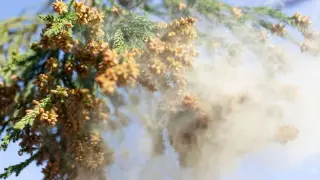
Japan's spring allergies are blamed on postwar monocultures of sugi and hinoki, whose heavy pollen blankets cities each spring; the government aims to cut 20% of these plantations and replace them with biodiverse broadleaf forests, while using pollen forecasting and new treatments, though the transition faces soil erosion, biodiversity loss, and climate-change challenges.

Canada braces for tougher allergy season as pollen levels rise
canada7 days ago

Canada braces for tougher allergy season as pollen levels rise

Canadian researchers say pollen levels across the country have doubled in recent years, driven by warmer weather and shifting seasons, worsening allergies from hay fever to hives. With cedar, maple, birch, oak and poplar pollen overlapping this spring and urban heat islands amplifying the effect, experts say the season may be more intense in 2026. People are advised to limit outdoor activity and keep windows closed on high-pollen days to manage symptoms.

Boston allergy season arrives late but hits hard as pollen peaks
health23 days ago

Boston allergy season arrives late but hits hard as pollen peaks

Boston’s allergy season arrived late but is hitting hard, with high pollen counts from birch and oak and grasses entering May, triggering itchy, watery eyes, congestion and sleep disruption as overlapping pollen types intensify symptoms. Doctors say warmer temperatures and higher CO2 are extending growing seasons, making the season tougher even for people who don’t usually suffer. Treatments include nasal sprays, antihistamines and eye drops, with some patients needing daily meds; nonmedication steps (showering after outdoor time, changing clothes, keeping windows closed) and allergy shots can help for longer-term relief.

Nine science-backed tips to beat pollen season
health28 days ago

Nine science-backed tips to beat pollen season

A BBC guide outlines nine science-based strategies to reduce hay fever symptoms: use nasal corticosteroid or combined sprays (not pills) as first-line treatment, avoid prolonged use of nasal decongestants, if using pills choose second-generation antihistamines, start treatment weeks before pollen season and take it regularly and correctly, ensure proper nasal-eye drop technique, reduce exposure to triggers (keep windows closed, wear sunglasses or a mask, shower after outdoors), and seek medical help if symptoms persist (allergen immunotherapy may offer longer-term relief).

Honey Won’t Cure Seasonal Allergies, Experts Say
health1 month ago

Honey Won’t Cure Seasonal Allergies, Experts Say

Experts say ingesting honey hasn’t been scientifically proven to relieve seasonal allergy symptoms, though honey offers anti-inflammatory and antioxidant benefits. Local honey is not proven to reduce pollen sensitivity because bees don’t pollinate wind-pollinated plants. Honey is safe for adults and children over one year, but not for babies under one. For allergies, doctors recommend a management plan with avoidance strategies and treatments (nasal sprays, antihistamines, and immunotherapy), along with tracking pollen counts to limit outdoor exposure. The piece also reviews unfiltered, pure honeys as pantry options rather than allergy cures.

Experts name the OTC allergy meds that truly relieve spring symptoms
health1 month ago

Experts name the OTC allergy meds that truly relieve spring symptoms

Allergists say several OTC meds—particularly second-generation antihistamines like Zyrtec, Allegra, and Claritin, plus nasal steroids like Flonase—provide strong relief for runny noses, watery eyes, and sneezing, and can be as effective as prescription options. They caution that the best choice depends on symptoms and health conditions, including kids (Claritin Children’s Chewables). Start with a consult with a doctor or pharmacist to tailor your plan, and be aware that pollen counts are higher and springs are starting earlier due to climate change, so consider starting treatment earlier in the season.

Pollen Season Targets America's Allergy Capitals This Spring
health-news1 month ago

Pollen Season Targets America's Allergy Capitals This Spring

Pollen counts are rising nationwide as tree pollen peaks mid-April in the central U.S. and mid-May in the north, with grass pollen peaking May–July in the South before moving north; the Asthma and Allergy Foundation lists Boise, San Diego, Tulsa, Provo, Rochester, Wichita, Raleigh, Ogden, Spokane, Greenville, San Francisco, Minneapolis, Salt Lake City, Richmond, Colorado Springs, Little Rock, Toledo, New Orleans, Winston-Salem and Lakeland as the hardest-hit cities this year, affecting more than 80 million Americans who suffer from seasonal allergies.

The Immune Drama Behind Seasonal Allergies
health1 month ago

The Immune Drama Behind Seasonal Allergies

Seasonal allergies happen when pollen is misread as a threat by the immune system. Dendritic cells help sensitization, antibodies cluster on mast cells, and subsequent pollen exposure releases histamine and other chemicals that inflame the eyes, nose, and airways, causing itching, congestion, and a runny nose. Eosinophils can prolong symptoms, and about a quarter of US adults are affected, sometimes after one exposure or across several seasons. Treatments like antihistamines and nasal steroids dampen the inflammatory response, while saline rinses help flush out irritants. Different seasons bring different pollen, but effective management is possible with medication and avoidance strategies.

Climate change lengthens allergy seasons, and here’s how to cope
health2 months ago

Climate change lengthens allergy seasons, and here’s how to cope

Climate change is extending pollen seasons, making allergy symptoms worse for millions. Experts suggest tracking local pollen counts, staying indoors with windows closed, wearing long sleeves, and showering and changing clothes after outdoor activity to reduce exposure. Saline eye/nose rinses and masks can help, though masks won’t address eye symptoms. For relief, OTC options like nasal sprays and antihistamines are useful, and seeing an allergist is advised if sleep or concentration is affected. Debunked myths include using local honey for allergy relief. The season’s length and severity have grown, with notable allergy capitals this year including Boise, San Diego, Tulsa, Provo, and Rochester.

Longer Pollen Seasons Signal a Tougher Spring for Allergies—and How to Prepare
health2 months ago

Longer Pollen Seasons Signal a Tougher Spring for Allergies—and How to Prepare

Climate change is lengthening pollen seasons, potentially worsening allergy symptoms for millions of Americans as tree, grass and weed pollen rise earlier and higher; experts recommend checking local pollen counts, starting treatment before peak pollen, using high-efficiency air filters, and keeping windows closed to reduce indoor pollen exposure.

Allergy Season Arrives Earlier in 2026, Prompting Early Prep
health2 months ago

Allergy Season Arrives Earlier in 2026, Prompting Early Prep

Allergy seasons in 2026 are starting earlier and lasting longer across the U.S. due to rising temperatures from climate change, with the Southeast already reporting symptoms. Experts urge proactive management: start allergy meds early (24-hour antihistamines often work best), choose appropriate options (nasal or steroid sprays if needed), keep windows closed at night to avoid morning pollen, change clothes and shower after outdoor exposure to prevent spreading pollen indoors, and address dust mites and pet dander with regular cleaning and HEPA filtration.

Wet Winter Spurs a Brutal Tree Pollen Season on Long Island
health2 months ago

Wet Winter Spurs a Brutal Tree Pollen Season on Long Island

Long Island's snowy, wet winter is expected to fuel an intense tree pollen season this spring, with early bloom and rising pollen counts already appearing. Doctors advise preemptive use of nasal steroids or antihistamines and practical steps to minimize exposure (close windows, use AC, air filters, and shower before bed), especially for those with asthma or respiratory conditions.

Nighttime Allergy Meds May Help Prevent Morning Sniffles
health2 months ago

Nighttime Allergy Meds May Help Prevent Morning Sniffles

With climate change lengthening and intensifying pollen seasons, experts say the best strategy is to time allergy meds: take antihistamines at night to blunt the morning surge of congestion, sneezing and itchy eyes; newer antihistamines cause less daytime drowsiness, while nasal sprays like Flonase work best with consistent daily use. If your symptoms peak in the evening, adjust timing accordingly. Start medications early and pair them with home steps (close windows, wipe down pets, check pollen counts) to reduce exposure.

Pollen Linked to Slight Dip in Finnish Students’ Exam Scores
health2 months ago

Pollen Linked to Slight Dip in Finnish Students’ Exam Scores

A Finnish study of nearly 100,000 students from 2006–2020 found that final exams taken on days with alder or hazel pollen had lower scores than pollen-free days. Each 10 grains per cubic meter of alder pollen correlated with a 0.042-point drop and hazel pollen with a 0.17-point drop on a 66-point scale, suggesting pollen exposure may hinder academic performance. The study is observational, so it shows correlation rather than causation, but researchers suggest actions like scheduling exams outside pollen season and improving allergy management to mitigate potential impacts on vulnerable students.

Ditch the Pollen: Simple Ways to Allergy-Proof Your Home This Spring
lifestyle3 months ago

Ditch the Pollen: Simple Ways to Allergy-Proof Your Home This Spring

Outdoor pollen can sneak into homes on shoes, clothing, hair, pet fur, and via HVAC or open windows. Experts advise a proactive routine: damp-dust with microfiber, vacuum with a HEPA filter, wash bedding and curtains weekly, wipe window treatments and baseboards, and declutter. Also seal entry points, keep doors/windows closed on high pollen days, use doormats and have people change clothes and shoes at the door, groom pets outdoors, purify the air with HEPA filters, maintain HVAC filtration, and avoid synthetic fragrances that can irritate airways.