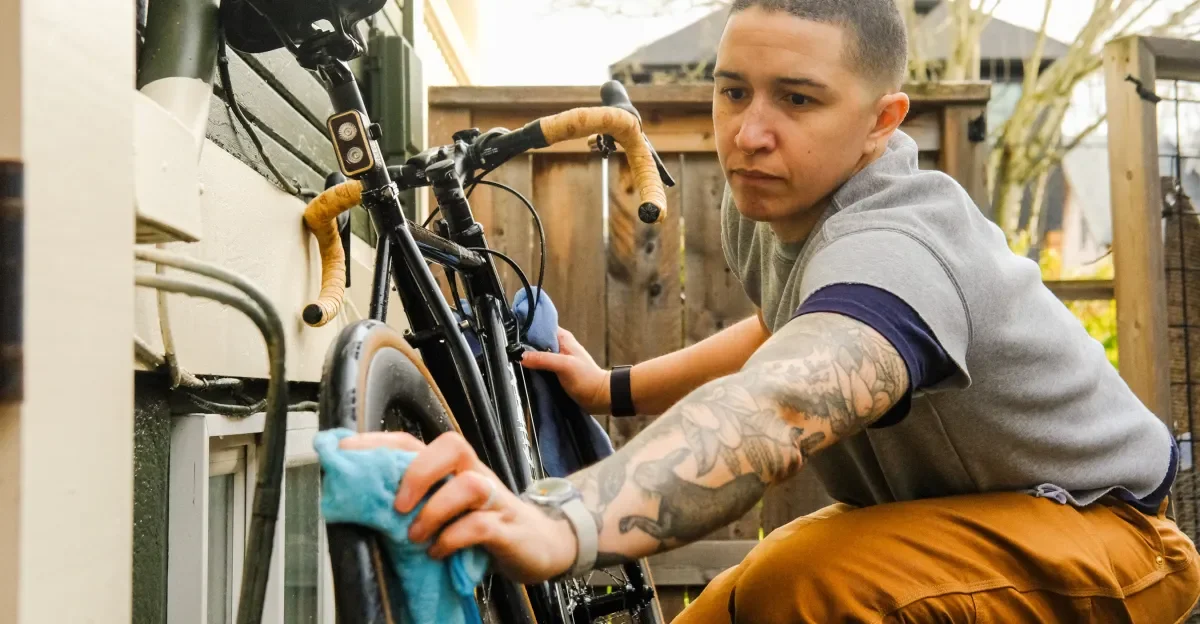
A Verge feature explains how the author uses wearables to pace energy for long covid and POTS—using Whoop, Visible, and Garmin not to push harder but to manage daily life, gain data that validates changes to doctors and family, and influence wearable design for disability.
Golden State coach Steve Kerr admitted he overstepped in discussing Kristaps Porzingis’s illness after doctors had diagnosed a condition (POTS) that Kerr had questioned; he later said medical matters are beyond his qualifications. Porzingis remains out indefinitely as the Warriors navigate injuries and lineup uncertainty following the trade and his ongoing illness.
Warriors coach Steve Kerr said he misspoke by calling Kristaps Porzingis’ illness and supposed POTS diagnosis misinformation, calling it a stupid mistake and noting medical details are for professionals. Porzingis has been out with a contagious illness, with Kerr saying the issue is unrelated to any prior POTS diagnosis; the 7-foot-2 center has been limited in games since joining Golden State, recently returned to practice, and his status for Monday’s game versus the Clippers remains uncertain.
A Cedars-Sinai doctor advances a novel “gravity intolerance” theory suggesting IBS risk may hinge on how the body tolerates gravity. Using a framework called the G-force cube (resistance, detection, vigilance), he argues gravity-related factors could unify IBS with related conditions like anxiety, pain sensitivity (fibromyalgia), and POTS. The idea is preliminary and not a replacement for established IBS factors (bacteria, inflammation, diet, genetics); more research is needed, but gravity may help organize known risk factors and guide future study.
A Swedish study found that nearly one-third of adults with severe long COVID develop a rare heart-rhythm disorder called POTS, predominantly affecting middle-aged women, with most patients previously healthy and active before infection.
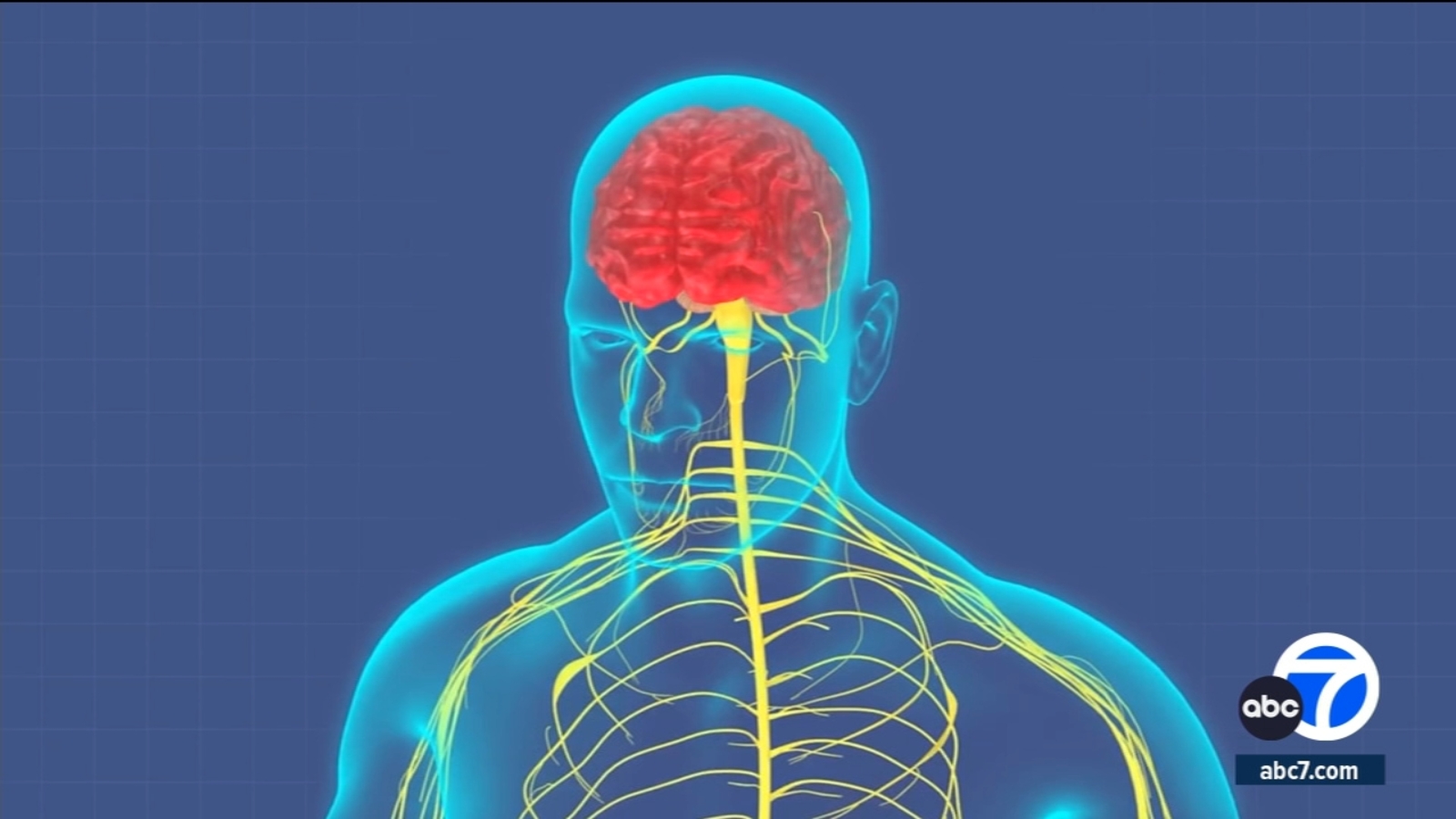
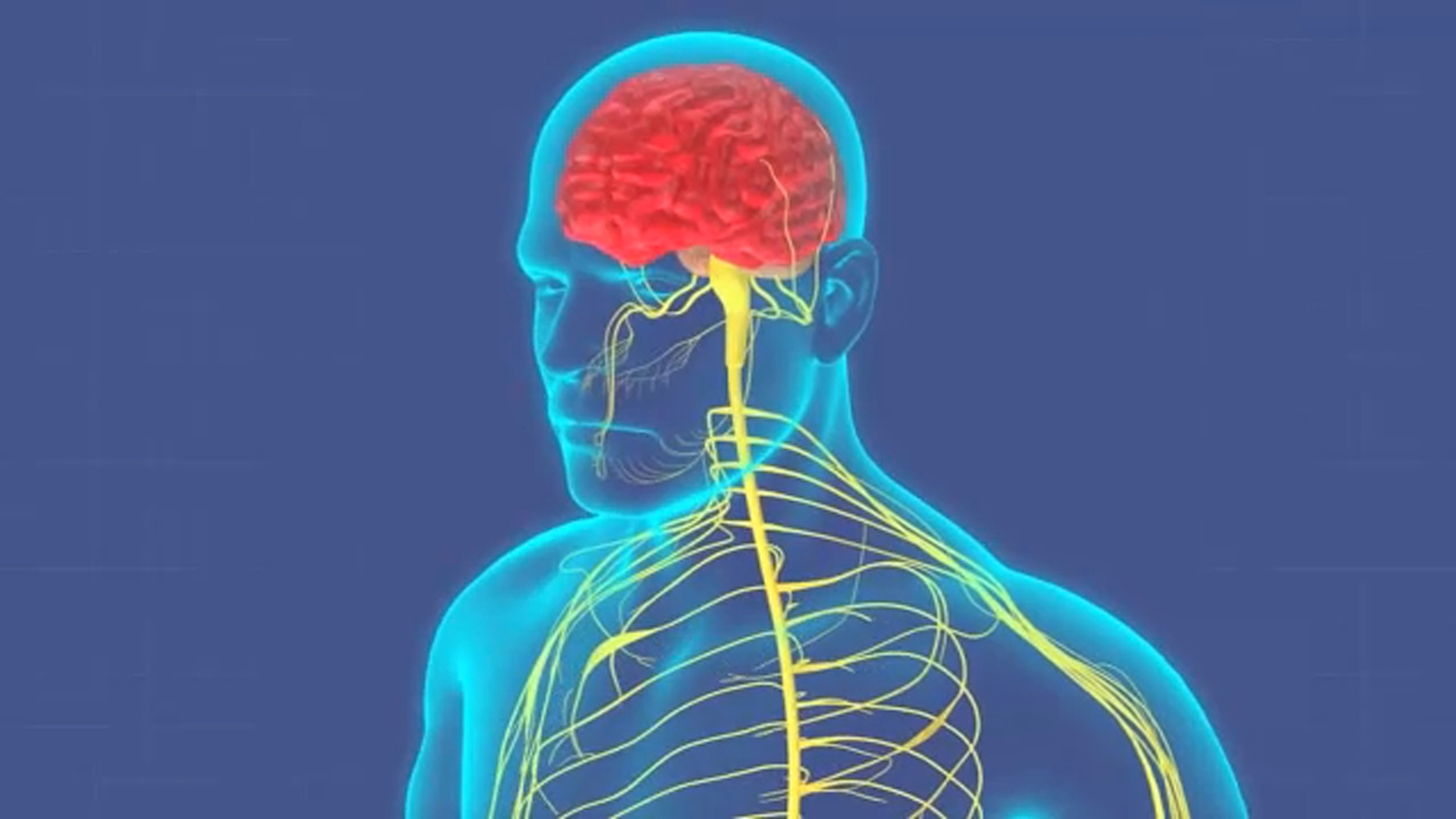
Postural orthostatic tachycardia syndrome (POTS) is a blood circulation disorder that affects heart rate when changing positions, often misdiagnosed as other conditions. It is more common in women aged 15-50 and can be triggered by major health events like surgery or infections, including COVID-19. Symptoms include dizziness, fatigue, sleep problems, brain fog, and a racing heart. Despite its prevalence, POTS is frequently mistaken for anxiety or other issues, delaying proper diagnosis and treatment. Lifestyle changes and medications can help manage the condition.
Despite battling postural orthostatic tachycardia syndrome (POTS), a debilitating autonomic nervous system disorder, the author embarked on marathon training, defying the limitations of their condition. With the support of friends and a modified running method, they completed an unofficial marathon, finding joy and solidarity in the process. The experience reframed their perspective on chronic illness and showcased the transformative power of running, demonstrating that accommodations can be an invitation to inclusion and solidarity.
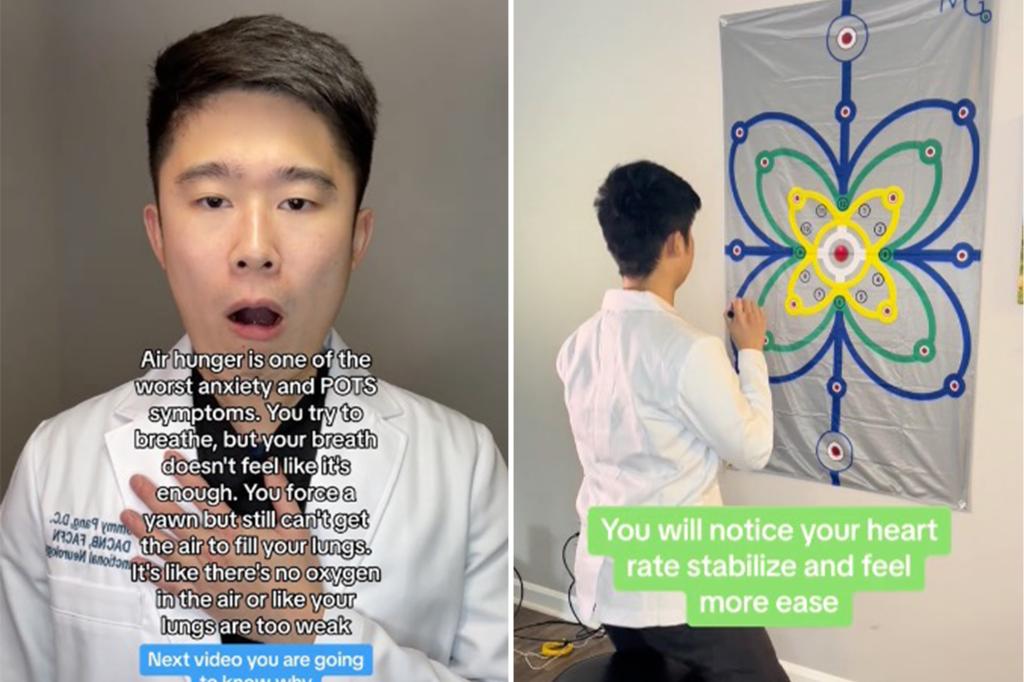
Chiropractic neurologist Dr. Kwan Kin (Tommy) Pang explains "air hunger," a common symptom of anxiety and POTS, as the feeling of not getting enough air into the lungs. He suggests a simple brain exercise involving focusing on a point and slowly turning the head to alleviate this sensation. The exercise aims to stabilize the nervous system and reduce air hunger, providing relief for those experiencing this symptom.
Chiropractic neurologist Tommy Pang, known as 'Dr. TPang' on TikTok, has brought attention to "air hunger," a surprising symptom of anxiety and postural orthostatic tachycardia syndrome (POTS), which causes a feeling of not being able to breathe in sufficient air. Pang's viral video has garnered over 18.2 million views, with many viewers expressing relief at finding a term for their experience. He also shared a brain exercise to stabilize the nervous system and alleviate air hunger, receiving positive feedback for raising awareness about POTS and providing helpful techniques.
Postural orthostatic tachycardia syndrome (POTS) is a serious lingering effect of COVID-19 that disrupts the autonomic nervous system, heart function, and blood pressure, causing symptoms such as dizziness, extreme fatigue, anxiety, and depression. A recent survey shows that Americans are becoming less cautious about respiratory viruses like COVID-19. POTS can be triggered by viral illnesses, including COVID-19, and individuals who have had even mild cases of COVID-19 are at an increased risk. While there is no cure for POTS, a multi-disciplinary approach involving lifestyle changes, exercise, and medication management can help manage symptoms. It is crucial to prioritize heart health and take preventive measures to avoid contracting any viruses.
Postural orthostatic tachycardia syndrome (POTS) is a serious lingering effect of COVID-19 that affects the autonomic nervous system, heart function, and blood pressure. Symptoms include increased heart rate, extreme fatigue, anxiety, and depression. POTS can disrupt daily life and may require lifestyle changes, exercise, and medication management. A recent survey shows that a third of Americans believe they don't need vaccines if they're not high risk, but even a mild case of COVID-19 increases the risk of developing POTS. It is important to take precautions to prevent COVID-19 and other respiratory viruses to avoid potential long-term health complications.
The pots for the 2023-24 Champions League group stage draw have been finalized, with Manchester City and Sevilla in Pot 1 as titleholders. The draw will take place on Thursday, and the first fixtures are scheduled for September 19 and 20. This will be the last group draw before the UCL is revamped into a 36-team league next season. The final will be held at Wembley Stadium on June 1.
Julia Ranney shares her experience of being diagnosed with postural orthostatic tachycardia syndrome (POTS) after contracting COVID-19. POTS is a condition that causes symptoms such as dizziness, fatigue, and rapid heart rate when transitioning from lying down to standing up. Julia's daily life has been dramatically affected, requiring careful planning and organization due to fatigue and limited physical activity. Despite the challenges, she remains hopeful and emphasizes the importance of a strong support system.
A mother shares her journey of seeking answers for her son's mysterious fainting incidents and subsequent symptoms over a span of four years. Despite numerous doctor appointments and tests, no clear cause was found until he was finally diagnosed with postural orthostatic tachycardia syndrome (POTS). The mother's persistence in finding the right doctor and implementing various strategies to manage his symptoms has provided her son with medication and tools to keep the disorder at bay.
A 61-year-old woman with shortness of breath, leg pain, and weight loss was referred to Yale's Long Covid Multidisciplinary Care Center. The medical director suspected she had POTS, a disorder that can appear after a viral infection, and prescribed treatment. However, when the patient continued to lose weight, the doctor realized he had made assumptions based on the referral diagnosis and skipped an essential step. The patient was diagnosed with hyperthyroidism, a condition that revs up the body's engine, and started on medication to block hormone production. The doctor reminds us that the first diagnosis to come to mind can never be the only one considered.