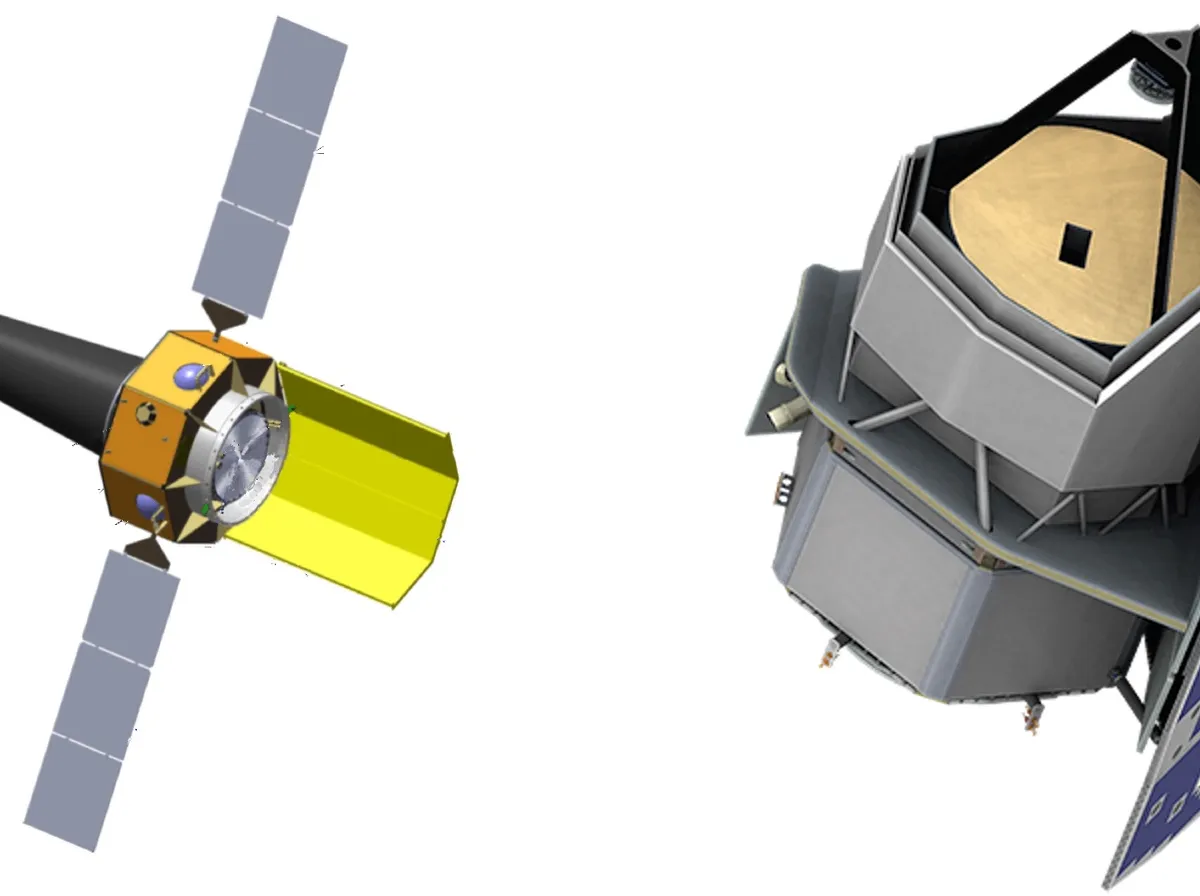
NASA has selected the PRIMA mission to advance to Phase B development, making it the first project in the new 'Probe Explorer' class. Targeting a 2033 launch, the $1.2 billion observatory will use a 1.8-meter telescope to survey the universe in far-infrared light, bridging the observational gap between the James Webb Space Telescope and radio telescopes.
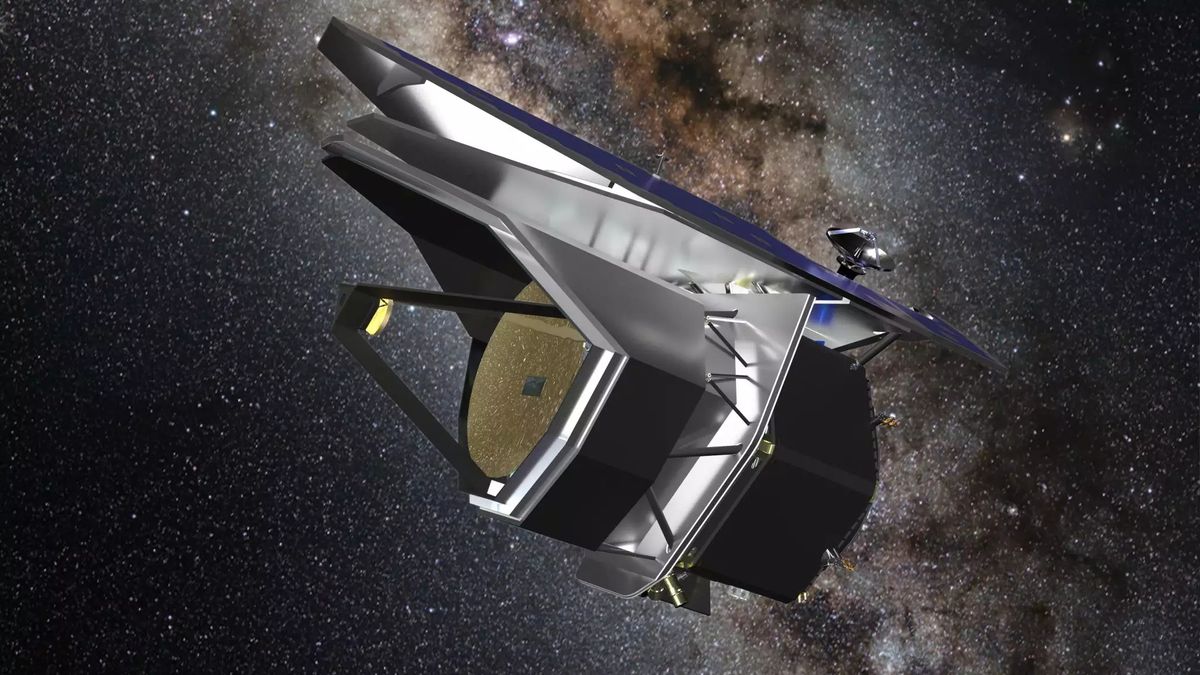
NASA has selected the Probe far-Infrared Mission for Astrophysics (PRIMA) as the first mission in its new 'Probe Explorer' class, targeting a 2033 launch. The $1.2 billion observatory will use a modified spare cryocooler from the James Webb Space Telescope to observe the universe in far-infrared light, bridging the gap between existing infrared telescopes and radio observatories.
NASA has selected the Probe far-Infrared Mission for Astrophysics (PRIMA) as the first mission in a new 'Probe Explorer' class, targeting a 2033 launch. Managed by JPL with international partners, the $1.2 billion observatory will bridge the gap between the James Webb Space Telescope and radio telescopes using advanced detectors developed over three decades.
NASA has selected the PRIMA mission to become the first in a new 'Probe Explorer' class, advancing to Phase B development with a 2033 launch target. The $1.2 billion far-infrared telescope, managed by JPL, will bridge the observational gap between the James Webb Space Telescope and radio telescopes. It features a 1.8-meter cryogenically cooled telescope and advanced detectors developed over three decades by Caltech and JPL, aiming to study galaxy evolution, black holes, and exoplanet atmospheres with unprecedented sensitivity.
Slovakian pop artist Adéla Jergová uses Prima to stage a sharp, self-aware critique of the fame economy, pairing Auto-Tune-heavy, 00s-inspired production with meta lyrics about what it means to be a female pop star. The album nods to Madonna and late-2000s producers while delivering brisk, witty tracks (and some boilerplate moments like Hitachi and Fantasize), showing she has a distinctive voice and room to grow as she heads toward a Demi Lovato tour slot.
NASA has disqualified the AXIS X-ray telescope from the Astrophysics Probe Explorer competition, saying the concept did not meet the program’s cost and schedule requirements. AXIS’s lead says the setback stems from widespread 2025 agency upheaval and disruptions at NASA Goddard Space Flight Center, including staffing losses and a government shutdown, while NASA maintains AXIS was not compliant with the 2023 AO. With AXIS eliminated, PRIMA remains the sole Probe candidate, prompting concern in the X-ray astronomy community about the field’s future and prompting discussion of pursuing smaller Explorer-class missions and awaiting future opportunities NASA plans to announce.
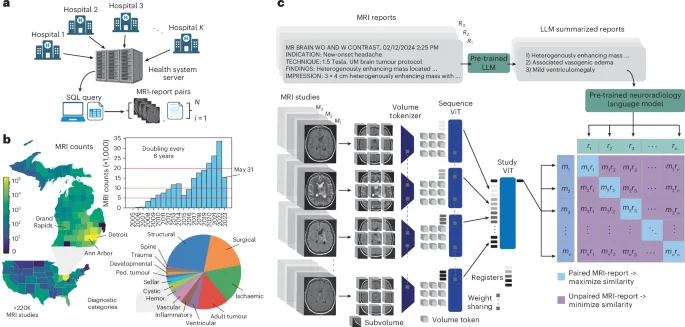
A team trains Prima, a health-system-scale AI foundation model for MRI, using over 220,000 studies. In a one-year, system-wide study (29,431 MRIs across 52 neurologic diagnoses), Prima achieves a mean AUC of 92.0%, outperforming state-of-the-art models, and offers explainable predictions, radiologist worklist prioritization, and clinical referral recommendations. The model demonstrates algorithmic fairness across sensitive groups and leverages a hierarchical ViT with a VQ-VAE-based volume tokenizer and CLIP objective, aided by LLM-assisted report summarization. Data originates from the University of Michigan with MIT-licensed code; data sharing is governed by IRB and institutional agreements. Overall, the work showcases health system-scale AI training as a pathway to faster, fairer AI-driven neuroimaging in clinical care.
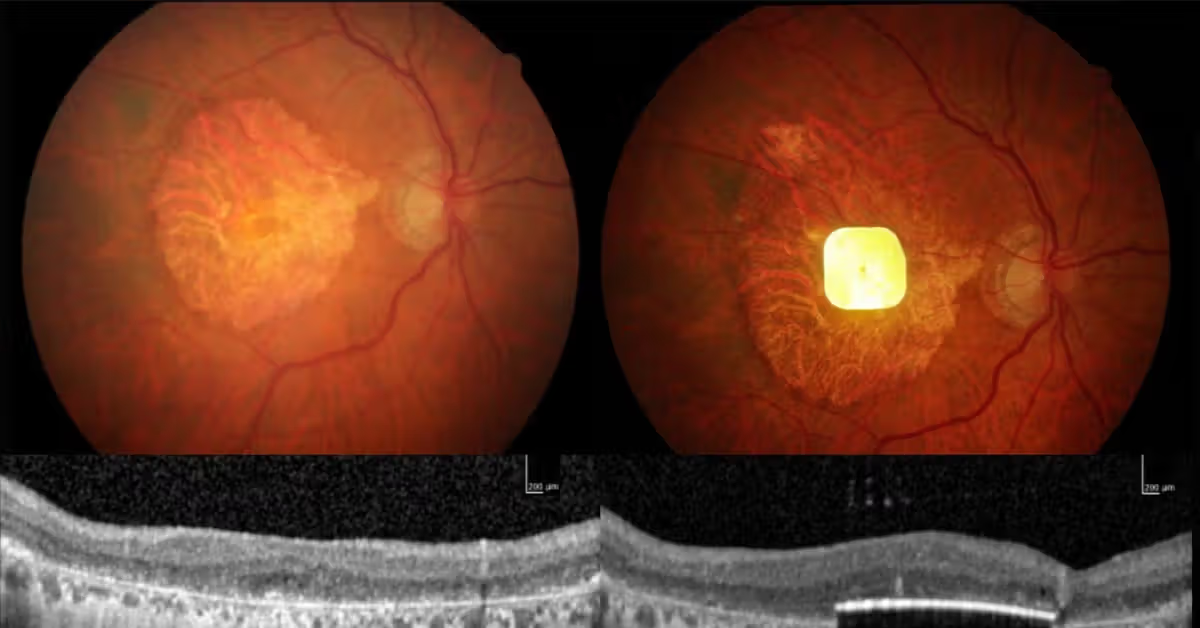
A new wireless retinal implant called PRIMA shows promise in restoring central vision in patients with advanced age-related macular degeneration (AMD), specifically geographic atrophy, with over 80% of trial participants experiencing meaningful improvements in visual acuity and reading ability after one year, although further research is needed to assess long-term safety and efficacy.
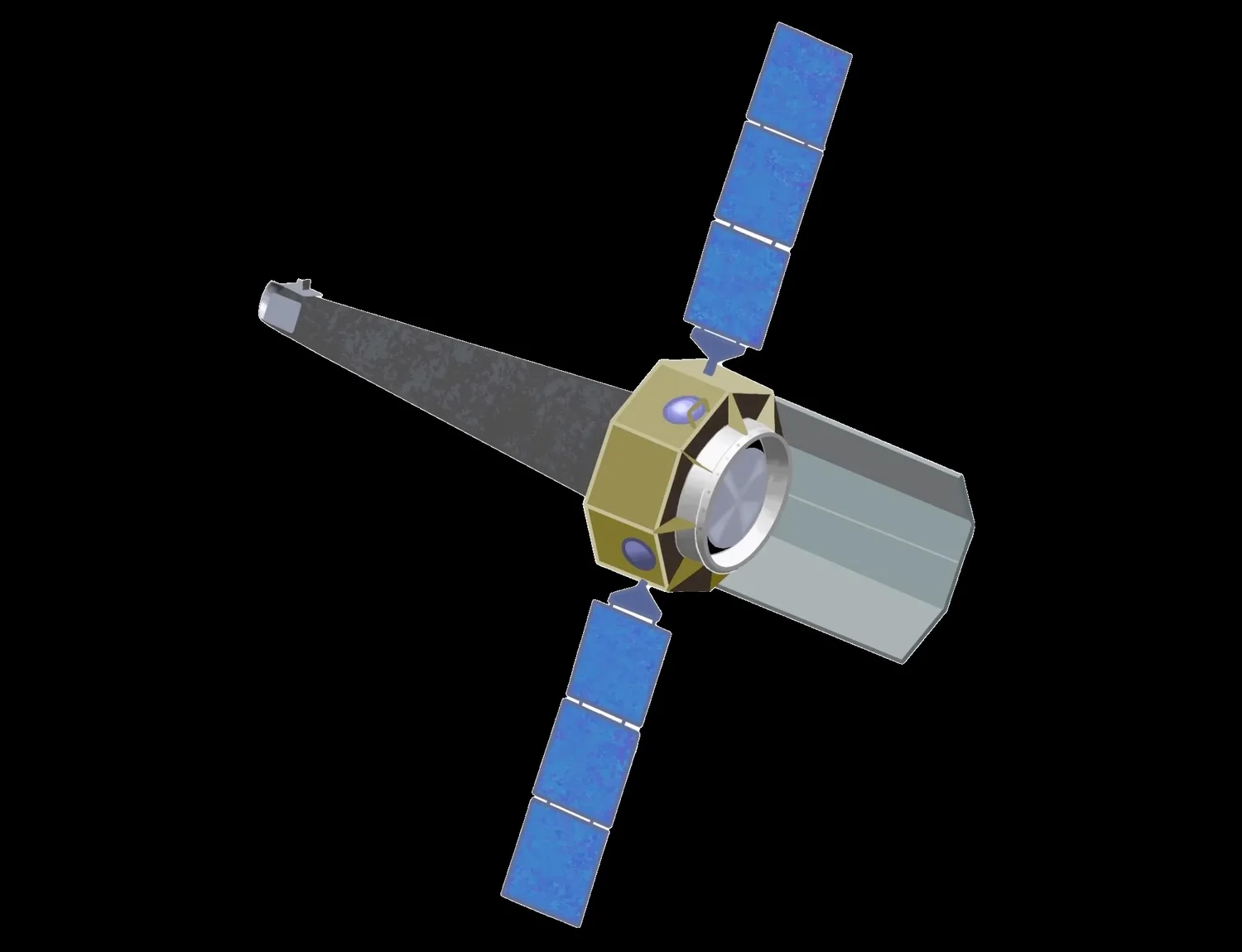
NASA is evaluating two new space telescope designs, PRIMA and AXIS, to determine which will become the next "Probe" class mission. PRIMA aims to study the universe in far-infrared wavelengths, while AXIS focuses on X-ray imaging of black holes and supernovae. Both projects have until 2026 to finalize their designs, with a $5 million budget each, and the selected mission is expected to launch in 2032. These missions are part of a new class of medium-scale projects proposed to bridge the gap until the next generation of large observatories is developed.
NASA defended its selection of two proposals, AXIS and PRIMA, for its Astrophysics Probe Explorer program, despite community concerns about their unequal footing. The agency emphasized that the choices align with decadal priorities and aim to balance the astrophysics portfolio. Questions arose about the selection process, particularly regarding the perceived lower ranking of AXIS, but NASA maintained that both proposals were chosen based on their scientific merit and potential to enhance current capabilities.