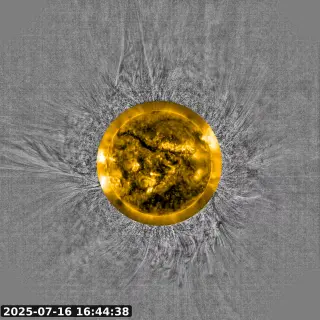
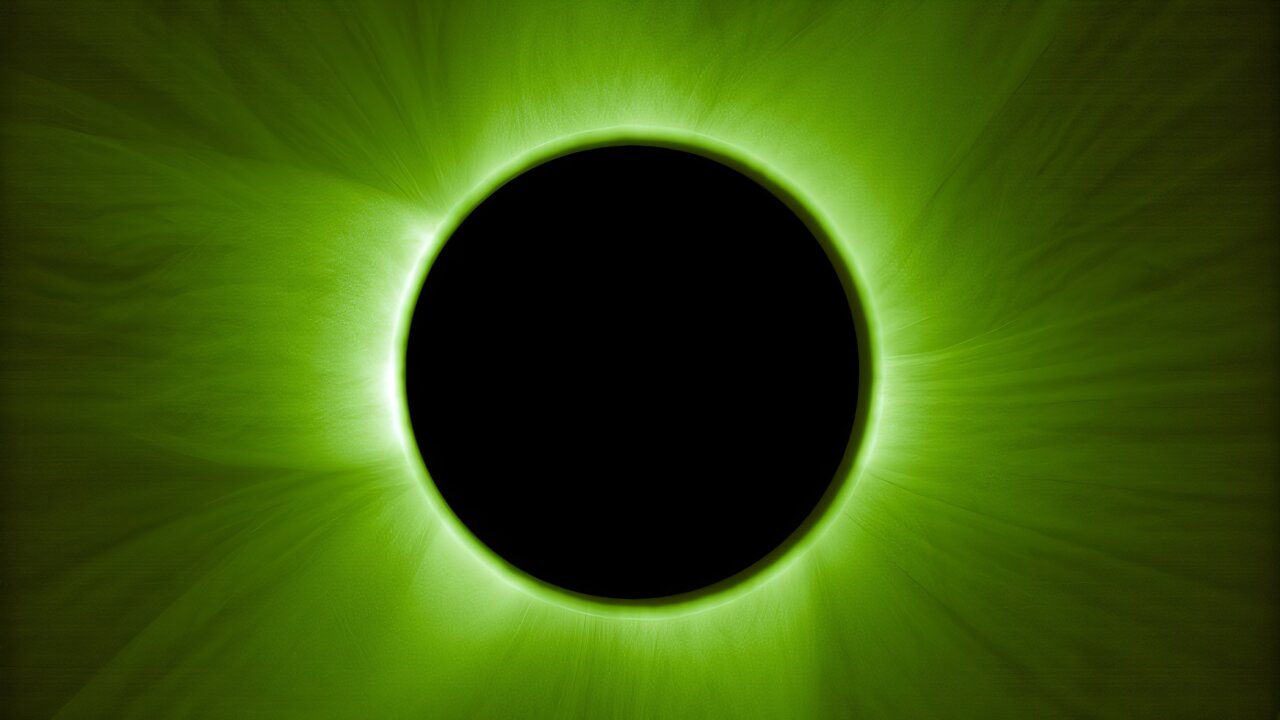
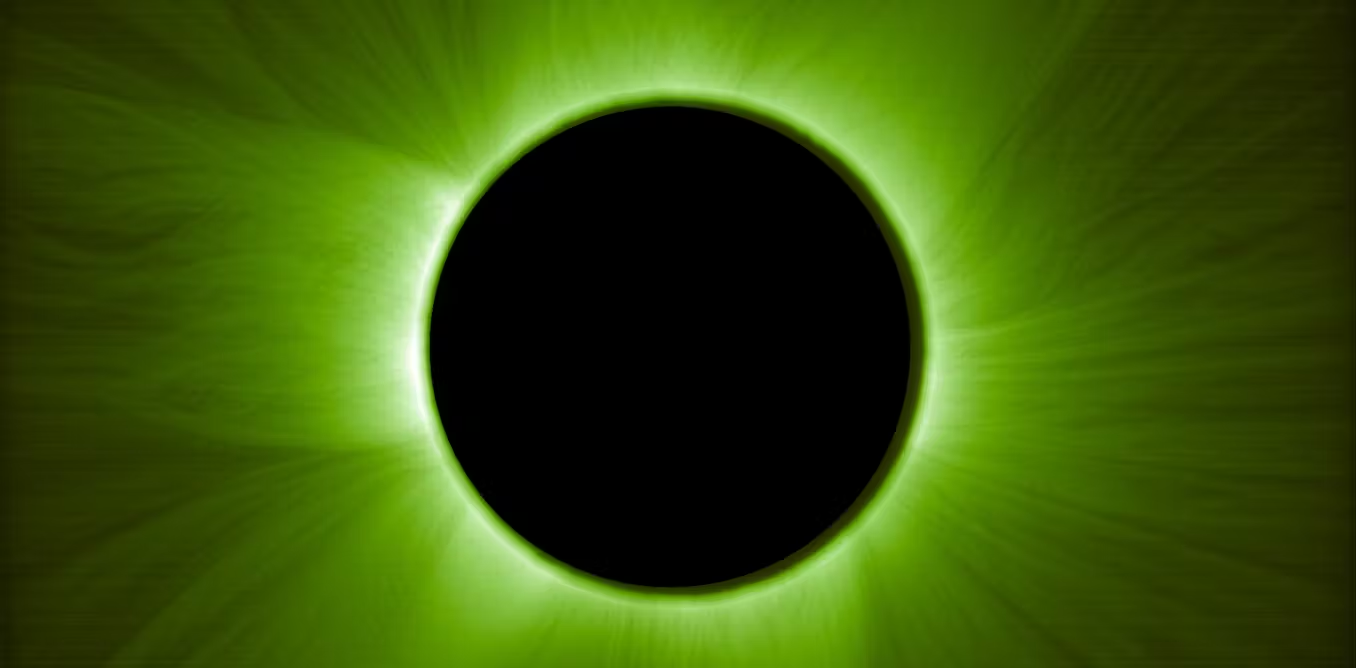
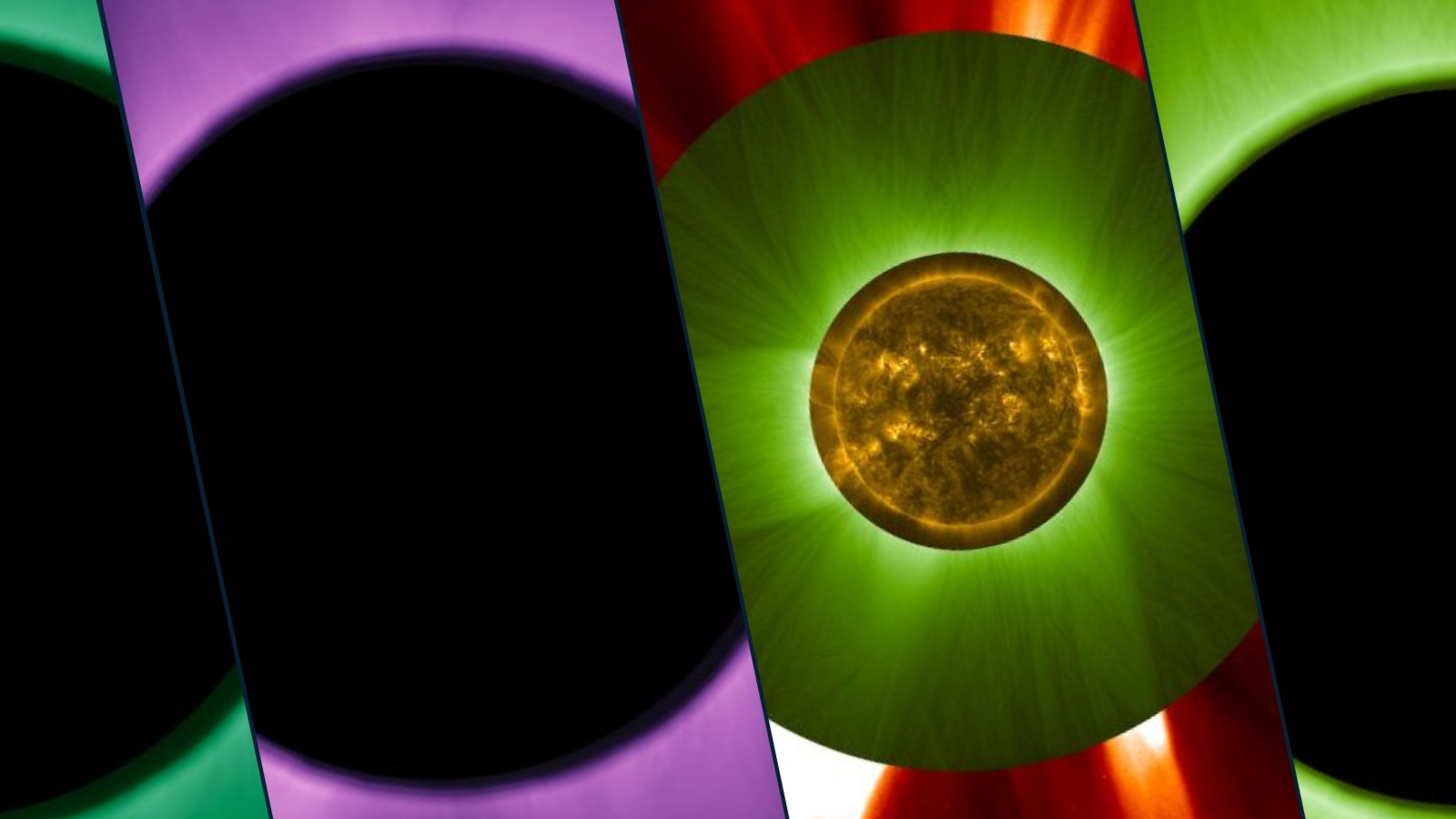
ESA's Proba-3 mission, using artificial eclipses to study the Sun's inner corona, has revealed slow solar wind speeding up to 250–500 km/s near the Sun—three to four times faster than previously thought—with thousands of hours of data still to be analyzed.
ESA's Proba-3 regained contact after about a month of silence thanks to a rare sunlight window that provided power to the tumbling coronagraph satellite; engineers will carefully re-power and test the two-satellite formation as they continue to study the solar corona.
ESA says its Proba-3 Coronagraph spacecraft has reconnected with Earth after a month of silence; an anomaly in February disrupted attitude control and prevented safe-mode entry, and the spacecraft is now in safe mode with its solar panels powering the systems while health checks are conducted to assess possible damage as the Coronagraph and its Occulter continue their formation to study the solar corona by creating artificial eclipses.
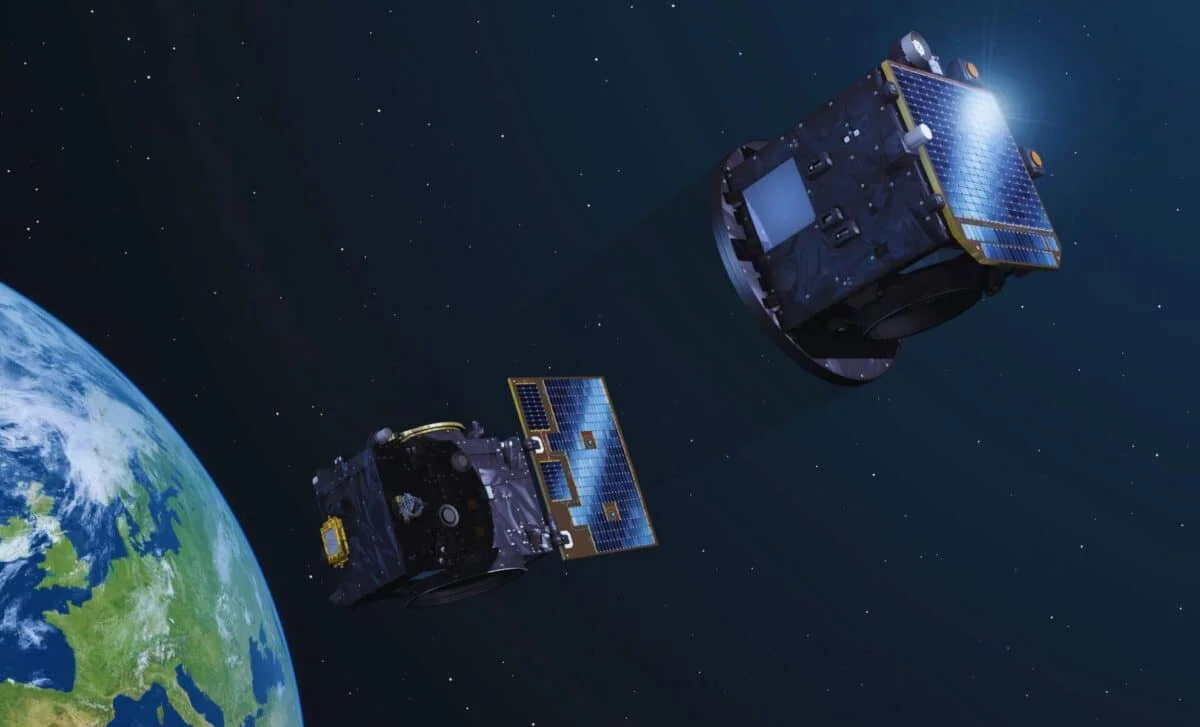
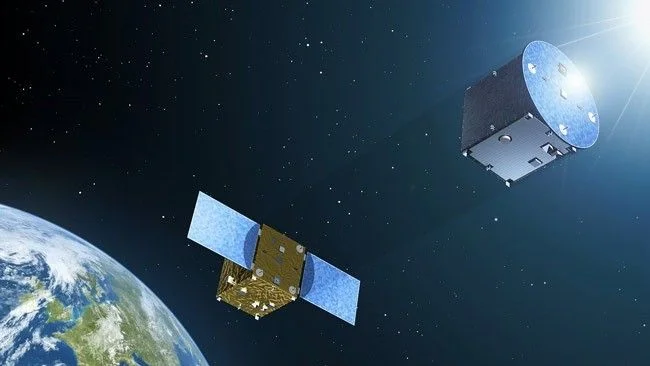
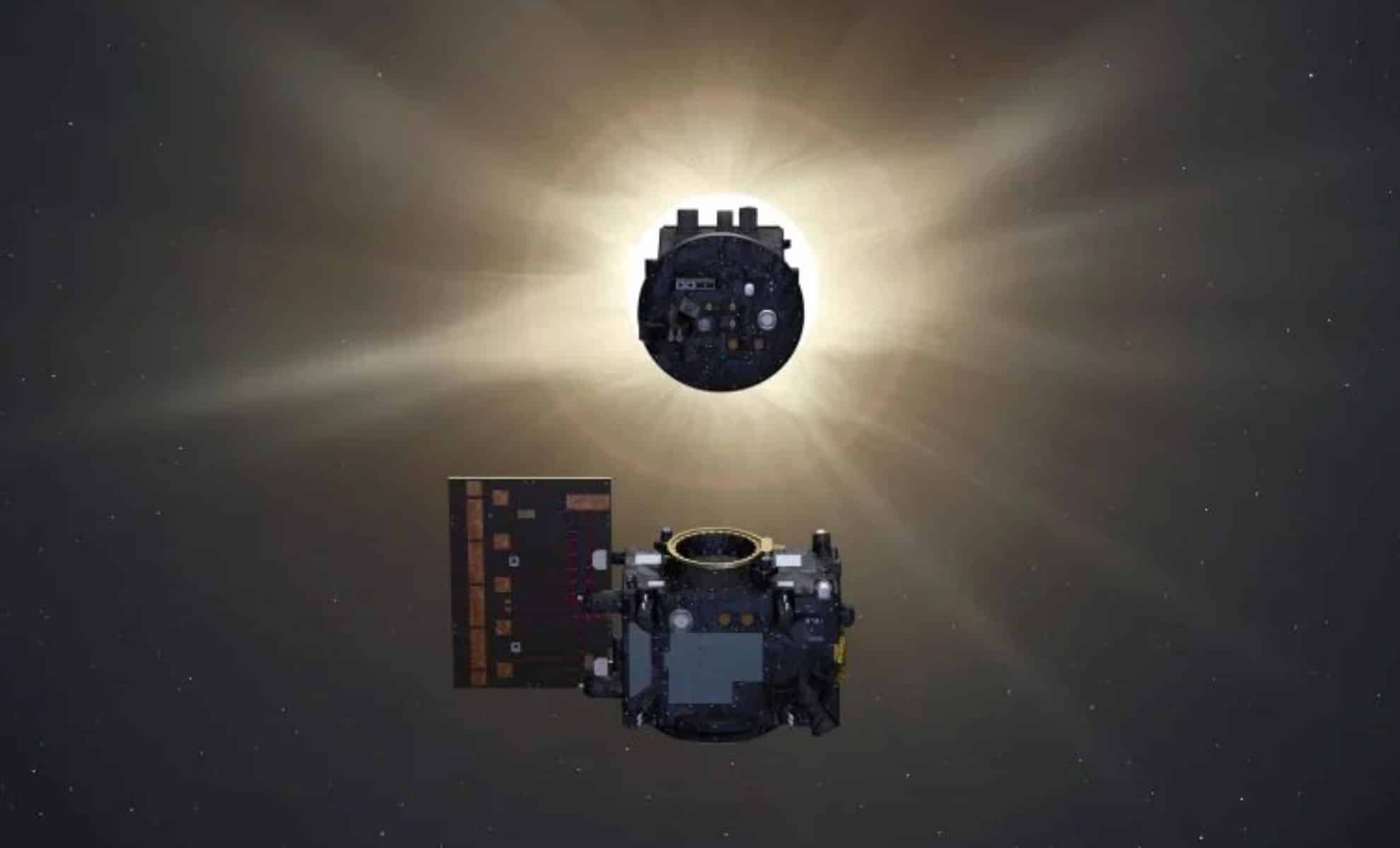
Europe’s Proba-3 formation (two satellites designed to create artificial solar eclipses and study the corona) has lost contact after an anomaly caused one probe to lose orientation. The Coronagraph, which images the sun’s outer atmosphere, and its Occulter partner must stay precisely aligned about 150 meters apart; the incident has led to a progressive attitude loss and solar-power drain, pushing the spacecraft into survival mode. ESA says the root cause is under investigation and teams are exploring ways to steer the Occulter closer to the Coronagraph to diagnose the issue and reestablish contact, with updates expected as the investigation continues (reported after Feb. 14 anomaly, with March 6 ESA update cited).
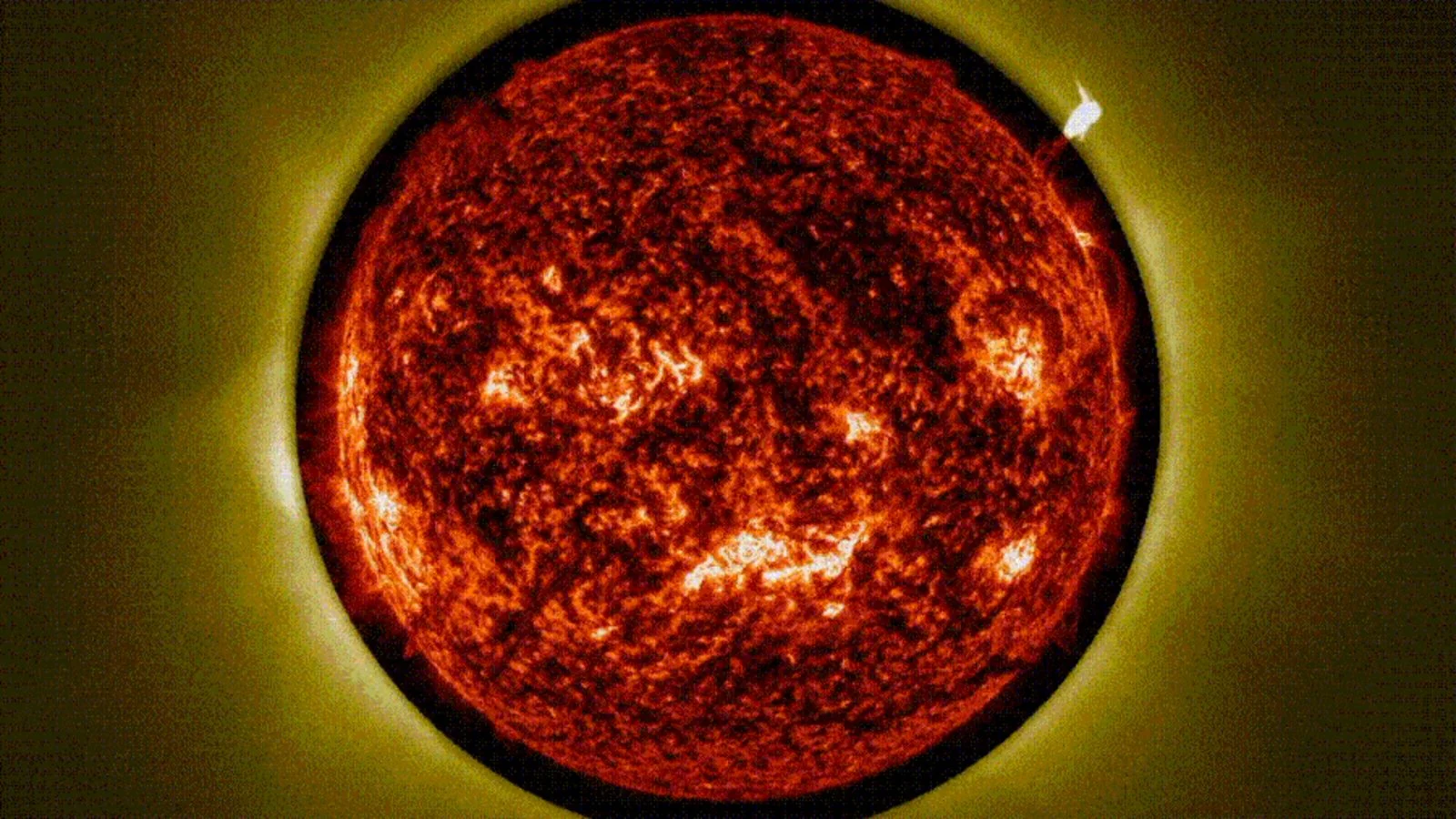
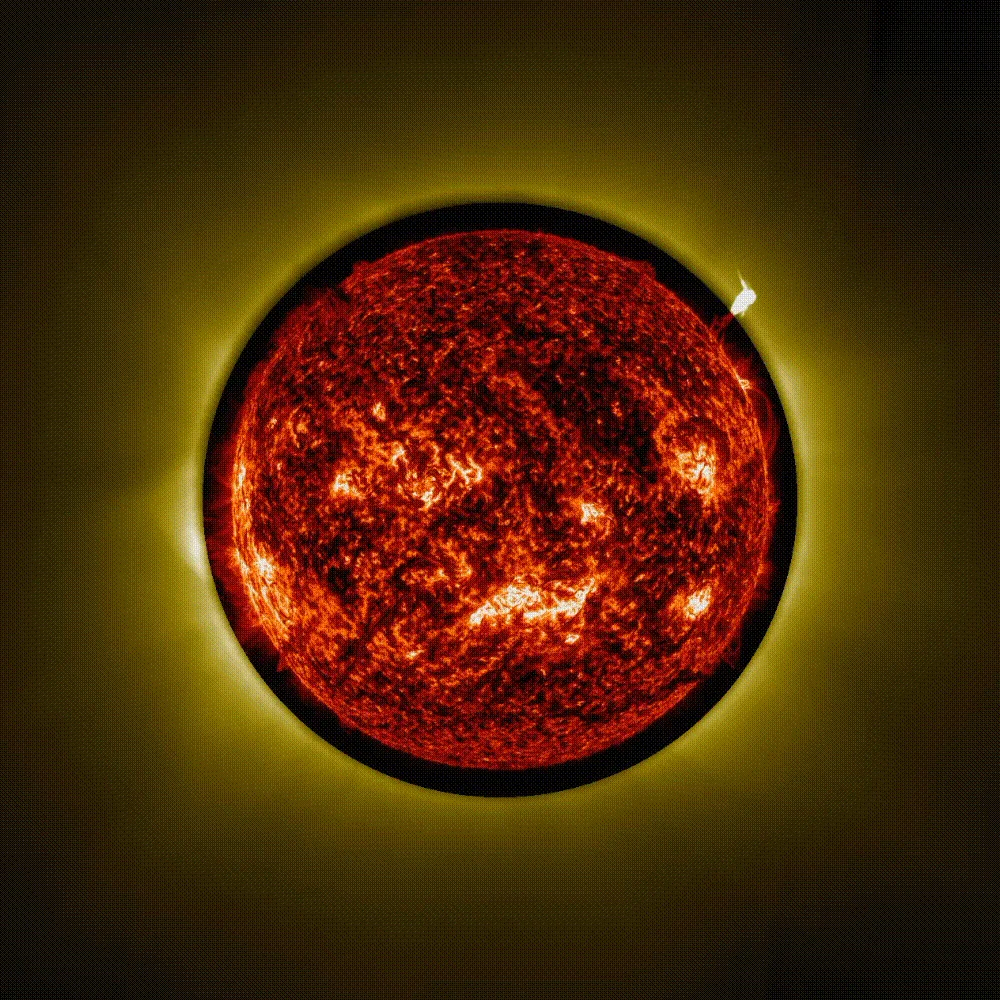
ESA's Proba-3 mission captured a five-hour artificial eclipse, producing a time-lapse of three solar prominences erupting from the Sun's corona. By aligning the coronagraph with an occulter, scientists can study the sun’s faint outer atmosphere in unprecedented detail, combining Proba-3 data with NASA's Solar Dynamics Observatory imagery. The prominences appear to erupt without the bright flares typical of solar explosions and are cooler than the million-degree corona, offering clues to why the corona is so hot and how these plasma eruptions contribute to solar activity.
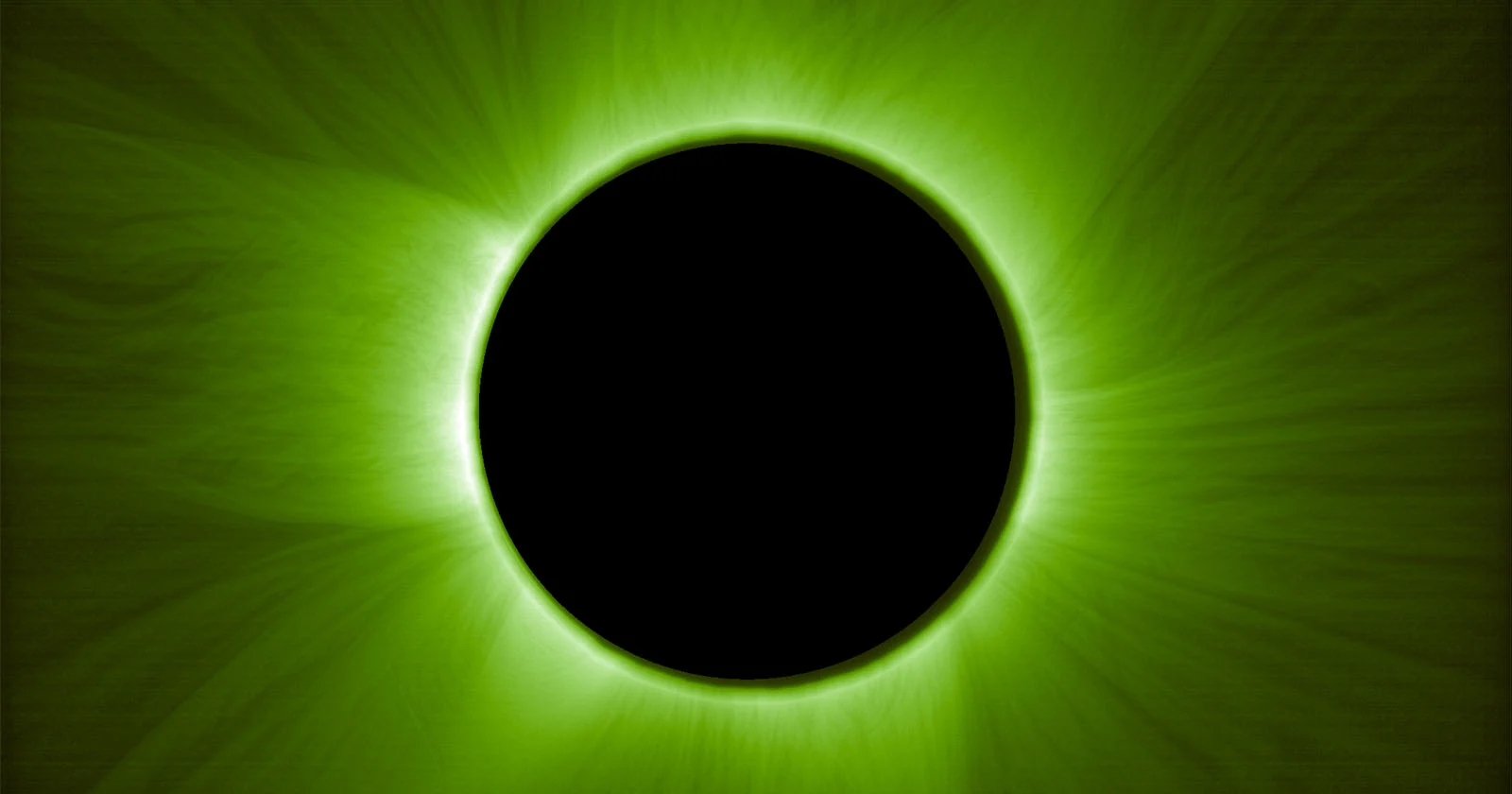
ESA’s Proba-3 uses two formation-flying spacecraft and the ASPIICS coronagraph to image the Sun’s inner corona, showing the hot, faint yellow halo and three helium-emission prominence eruptions observed during a five-hour window on Sept. 21, 2025. The animation combines ASPIICS data with NASA’s SDO/AIA imagery to illustrate how artificial eclipses let scientists study the corona’s dynamics, including prominences (cooler plasma) erupting into space and the corona’s light from scattered sunlight and helium emission.
European Space Agency's Proba-3 mission involves two spacecraft flying in precise formation to simulate a solar eclipse, allowing scientists to study the sun's corona and space weather while testing advanced technology for future space missions.
European Space Agency's Proba-3 mission involves two spacecraft flying in precise formation to create artificial solar eclipses, allowing scientists to study the Sun's corona and space weather while testing advanced formation-flying technology for future space missions.
ESA's Proba-3 mission successfully created an artificial solar eclipse using two satellites in precise formation, revealing detailed images of the Sun's corona and advancing our understanding of solar phenomena and space weather impacts.
The ESA Proba-3 mission successfully created an artificial eclipse in orbit using two spacecraft in precise formation, capturing the clearest images yet of the Sun’s corona, which could lead to better understanding of solar activity and space weather impacts on Earth.
ESA's Proba-3 mission successfully created the first artificial solar eclipse in space, capturing detailed images of the Sun's corona using two precisely aligned satellites, which will enhance understanding of solar phenomena and space weather effects on Earth.
The ESA's Proba-3 mission successfully created the world's first artificial total solar eclipse by autonomously aligning two satellites to block the Sun's surface, enabling detailed observation of the solar corona and advancing solar physics and satellite formation technology.
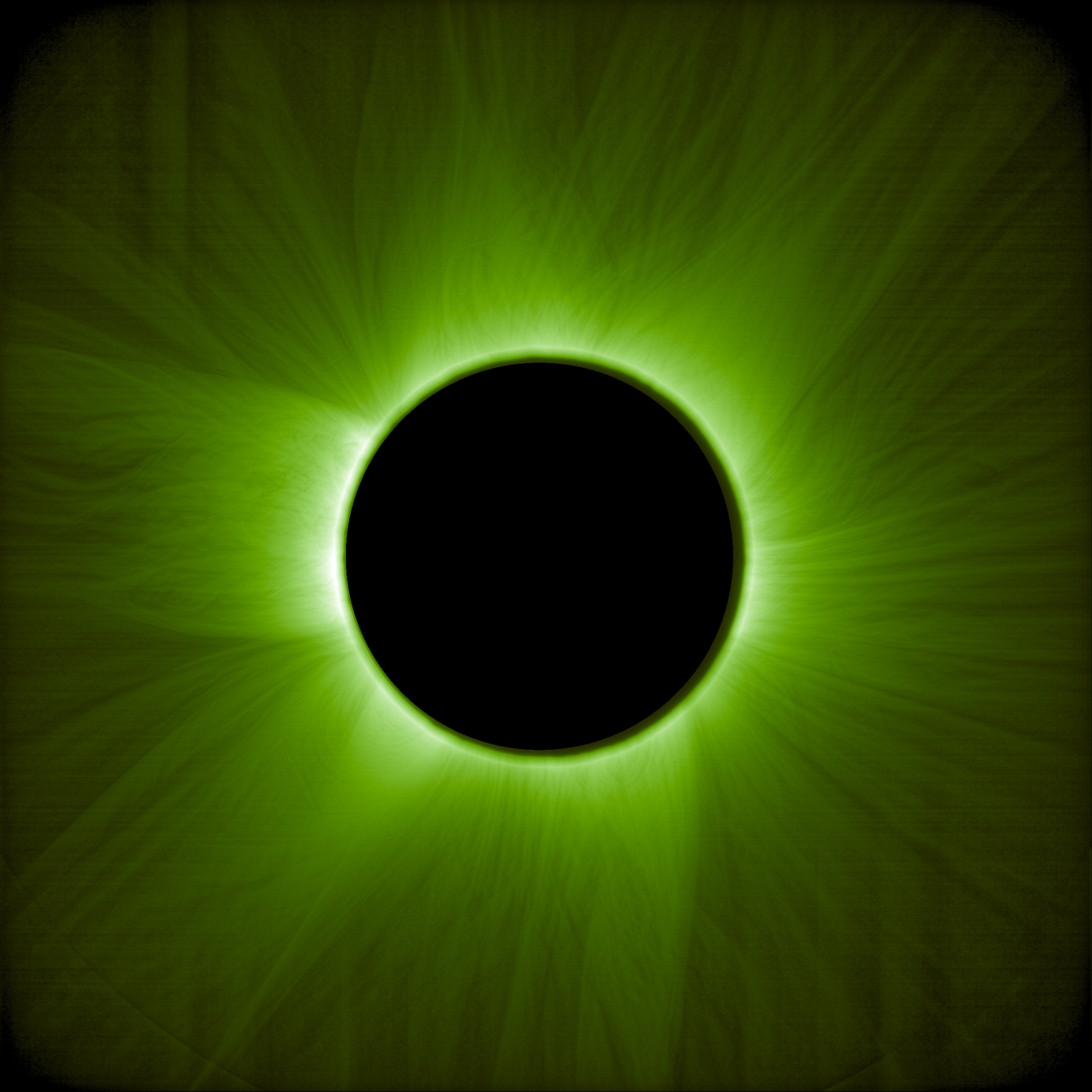
ESA's Proba-3 mission has captured the first images of an artificial solar eclipse using two satellites in precise formation, allowing detailed observation of the sun's corona and phenomena like prominences, which are crucial for understanding space weather and solar physics. This technology enables continuous observation of the corona without waiting for natural eclipses, marking a significant advancement in solar research.
The ESA Proba-3 mission successfully created its first artificial total solar eclipse in orbit using two precisely coordinated satellites, capturing detailed images of the Sun's corona to advance solar science and improve space weather modeling.
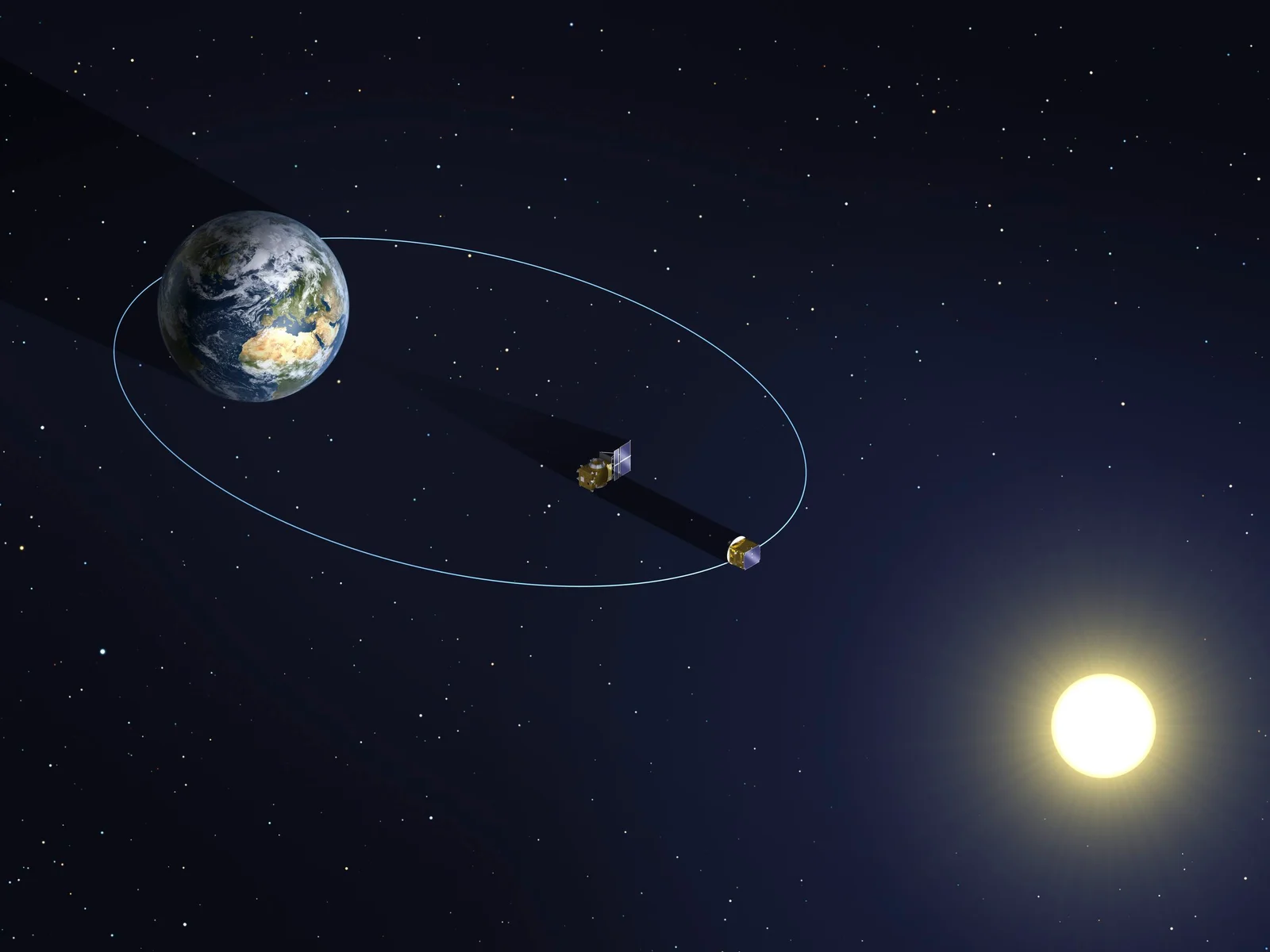
The European Space Agency's Proba-3 mission has successfully created its first artificial solar eclipse using two spacecraft in precise formation, allowing for continuous observation of the Sun's corona every 19.6 hours, providing new insights into solar phenomena.