Tag

Coronagraph

All articles tagged with #coronagraph

Roman Space Telescope Poised to Directly Image Exoplanets
science1 month ago

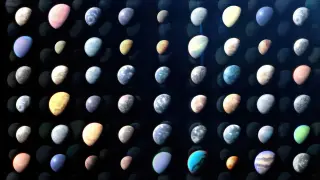
Roman Space Telescope Poised to Directly Image Exoplanets

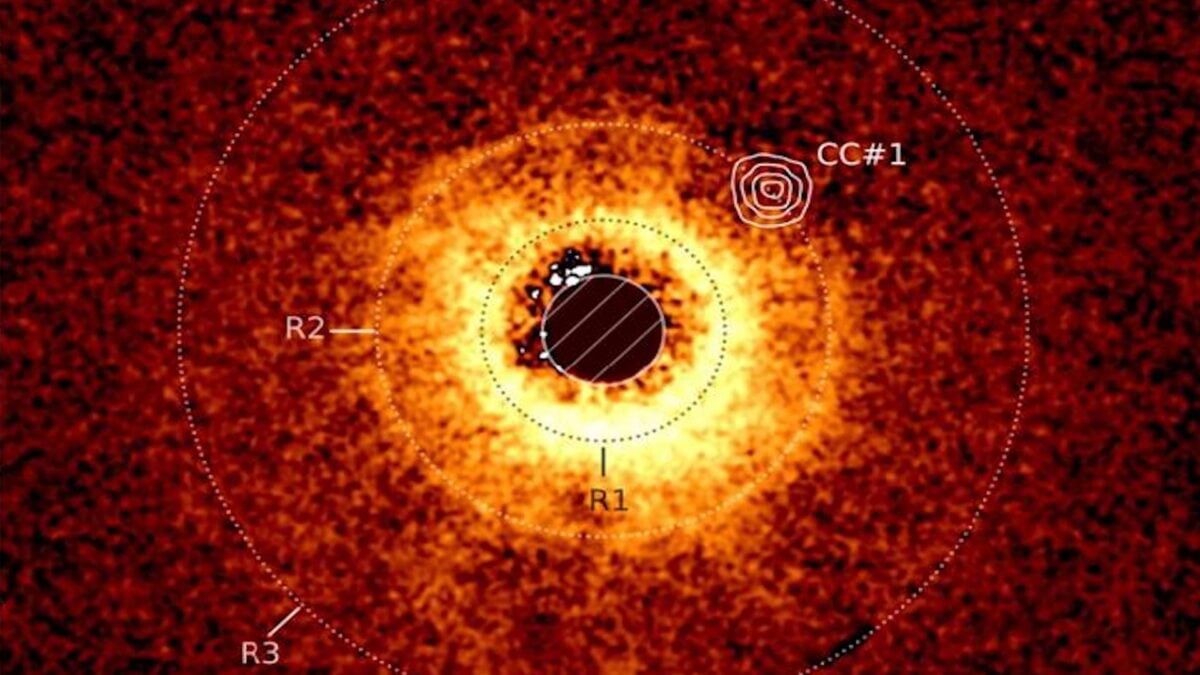
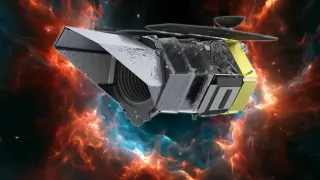
NASA's Nancy Grace Roman Space Telescope, launched Aug 30, will use an advanced, active coronagraph—featuring deformable mirrors and patterned disks—to directly image planets around other stars, aiming to reveal Jupiter-like worlds a hundred million times fainter than their stars and study their atmospheres; paired with the Wide Field Instrument, Roman will survey large swaths of the sky via transit and microlensing, potentially expanding the known exoplanet catalog from about 6,000 to up to 100,000 and guiding future Habitable Worlds Observatory plans.

NASA's Roman Space Telescope Lifts Off to Chart Exoplanets and the Dark Cosmos
space1 month ago

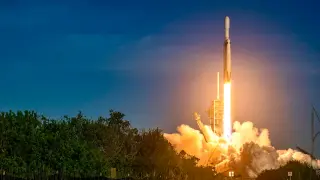
NASA's Roman Space Telescope Lifts Off to Chart Exoplanets and the Dark Cosmos

NASA's Nancy Grace Roman Space Telescope launched atop a SpaceX Falcon Heavy from Cape Canaveral, carrying a wide-field infrared imager and the first active space-based coronagraph designed to directly image exoplanets. After a 90-day commissioning at the Sun-Earth L2 point, Roman will operate with other major observatories (Hubble, JWST, Euclid, Rubin) to survey huge swaths of the sky and study dark matter and dark energy, while generating an immense data stream (~500 terabytes per year). With a roughly $4 billion price tag, the mission was completed under budget and ahead of schedule, marking a major advance in space astronomy.

Tiny Deformable Mirrors Could Let NASA's Roman Telescope Image Earthlike Worlds
science1 month ago

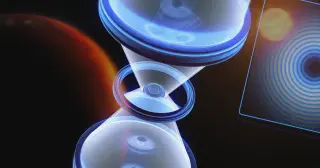
Tiny Deformable Mirrors Could Let NASA's Roman Telescope Image Earthlike Worlds

NASA’s Nancy Grace Roman Space Telescope will test a next-generation coronagraph using two palm-sized deformable mirrors and adaptive optics to block starlight and directly image exoplanets by reflected light; success could guide future Earth-like planet missions such as Habitable Worlds Observatory and Lazuli Space Observatory, though achieving the required level of light suppression remains a major engineering hurdle.

Roman Space Telescope Lifts Off After Budget Battle
science1 month ago

Roman Space Telescope Lifts Off After Budget Battle

NASA's $4.3 billion Nancy Grace Roman Space Telescope is set to launch from Kennedy Space Center after surviving White House budget cuts; the infrared observatory will map vast swaths of the sky, image exoplanets with a coronagraph, and operate near the L2 point about a million miles from Earth to augment Hubble and Webb. First images are expected in early 2027, with a five-year primary mission (potentially extendable to ten), and the launch uses SpaceX's Falcon Heavy in its final flight.

ESA's Proba-3 Coronagraph re-establishes contact after month-long silence
space-exploration6 months ago

ESA's Proba-3 Coronagraph re-establishes contact after month-long silence

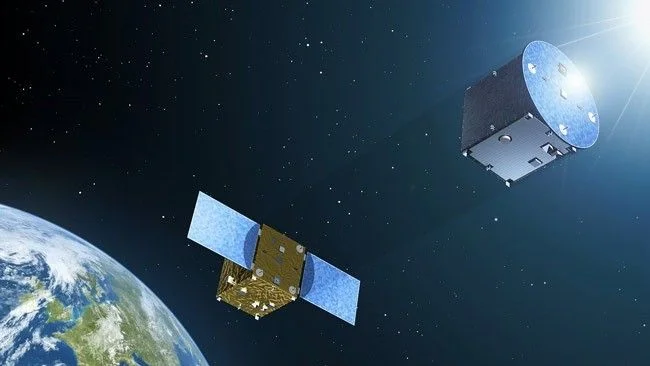
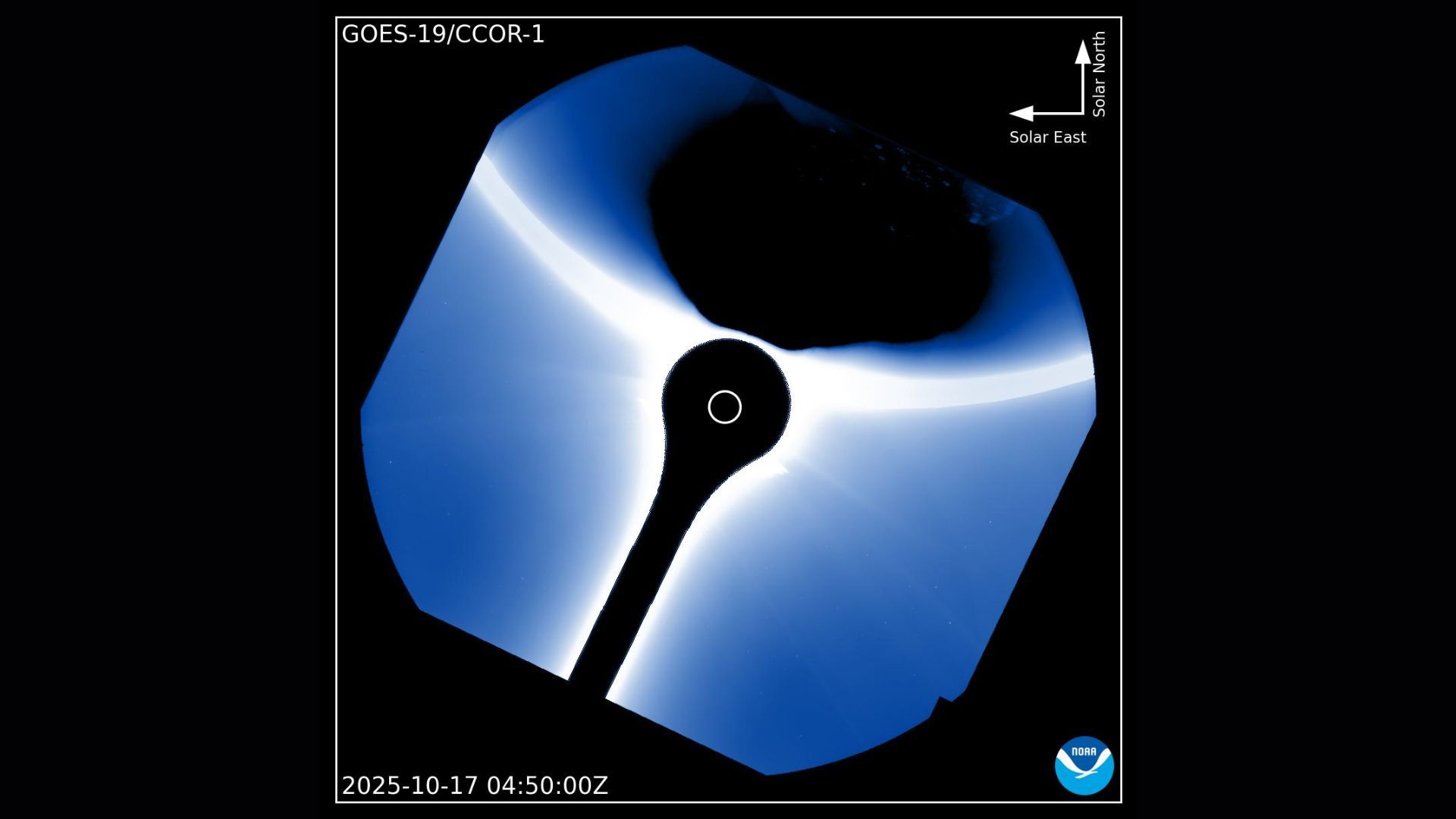
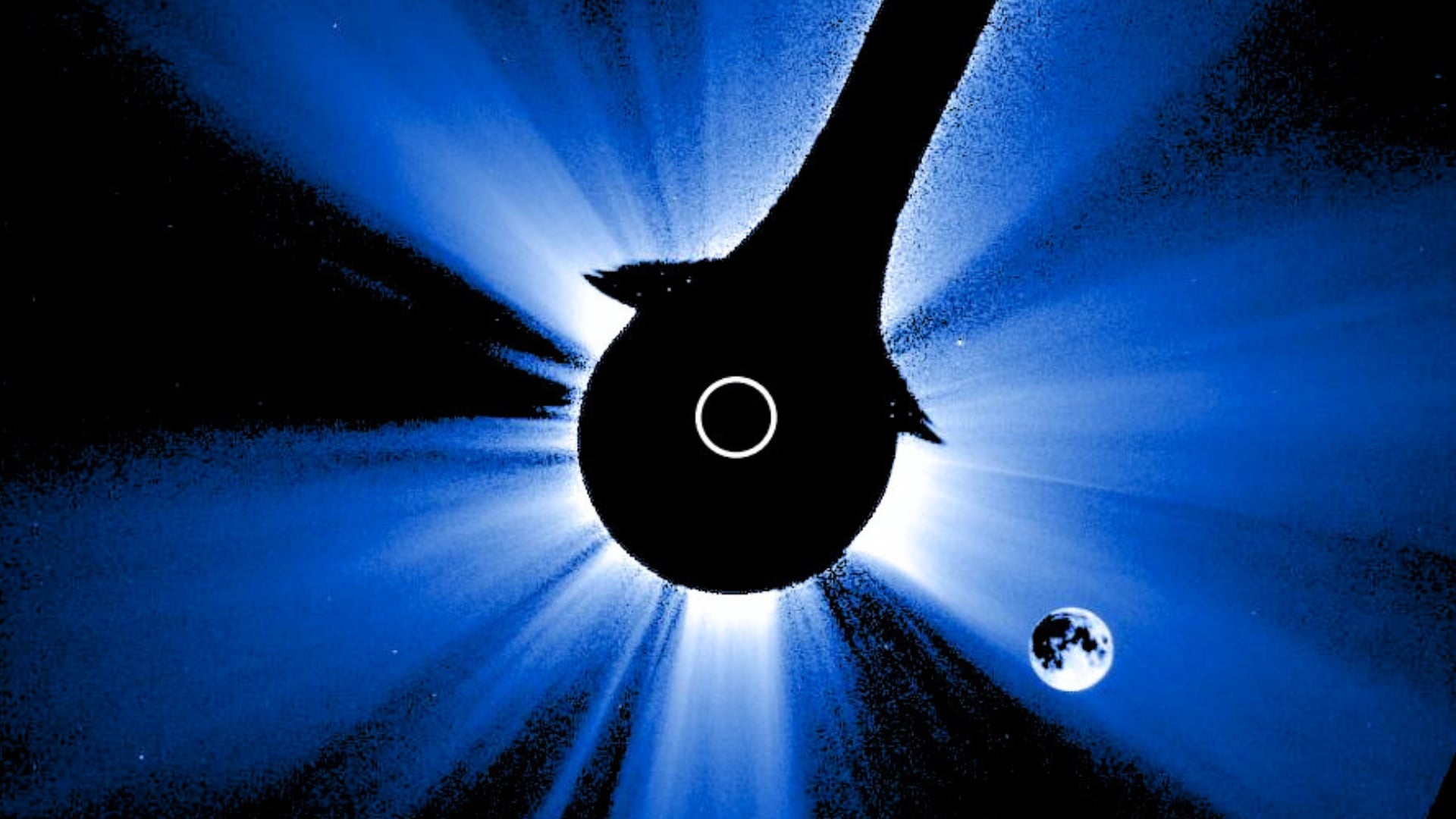
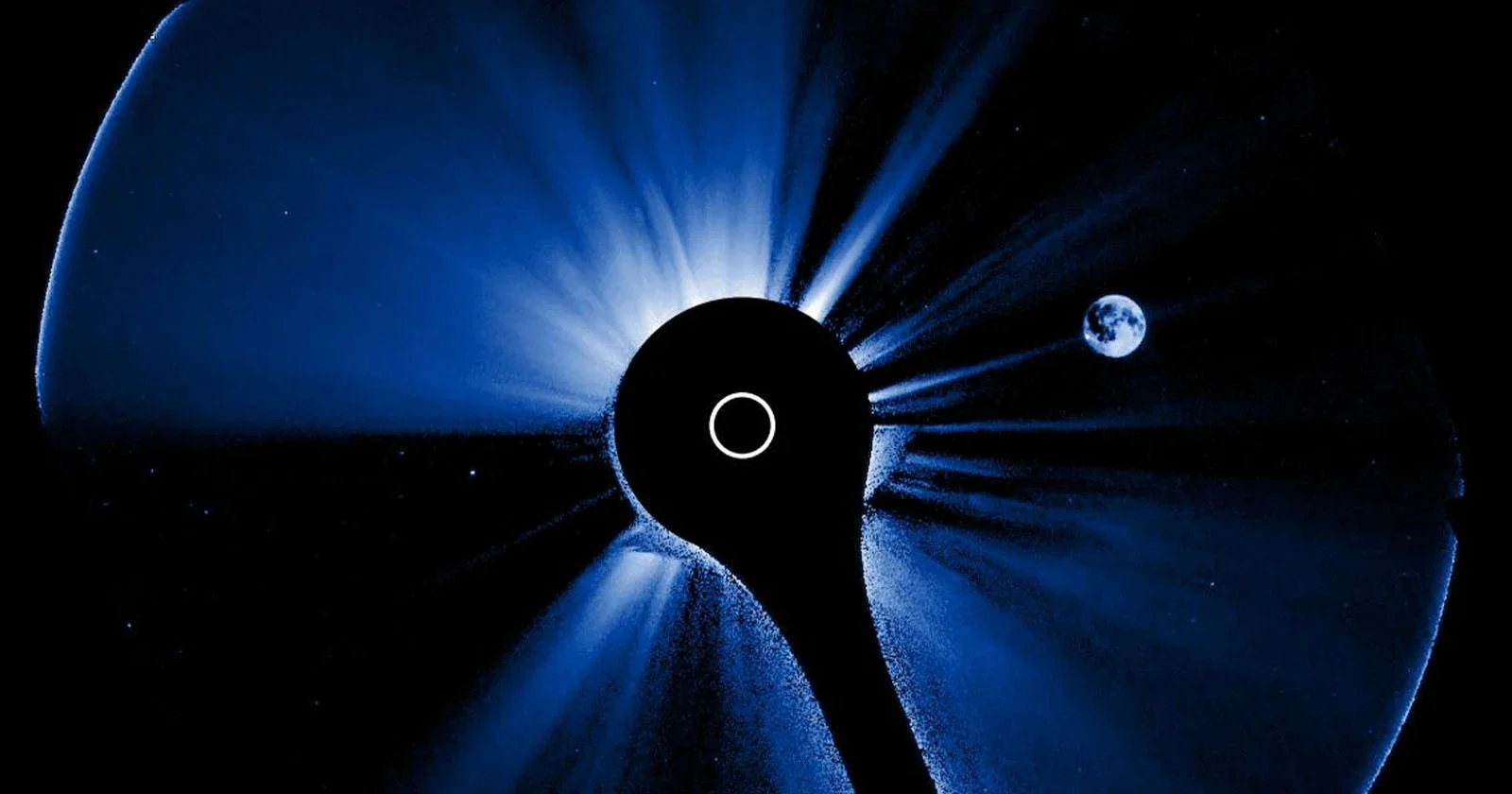
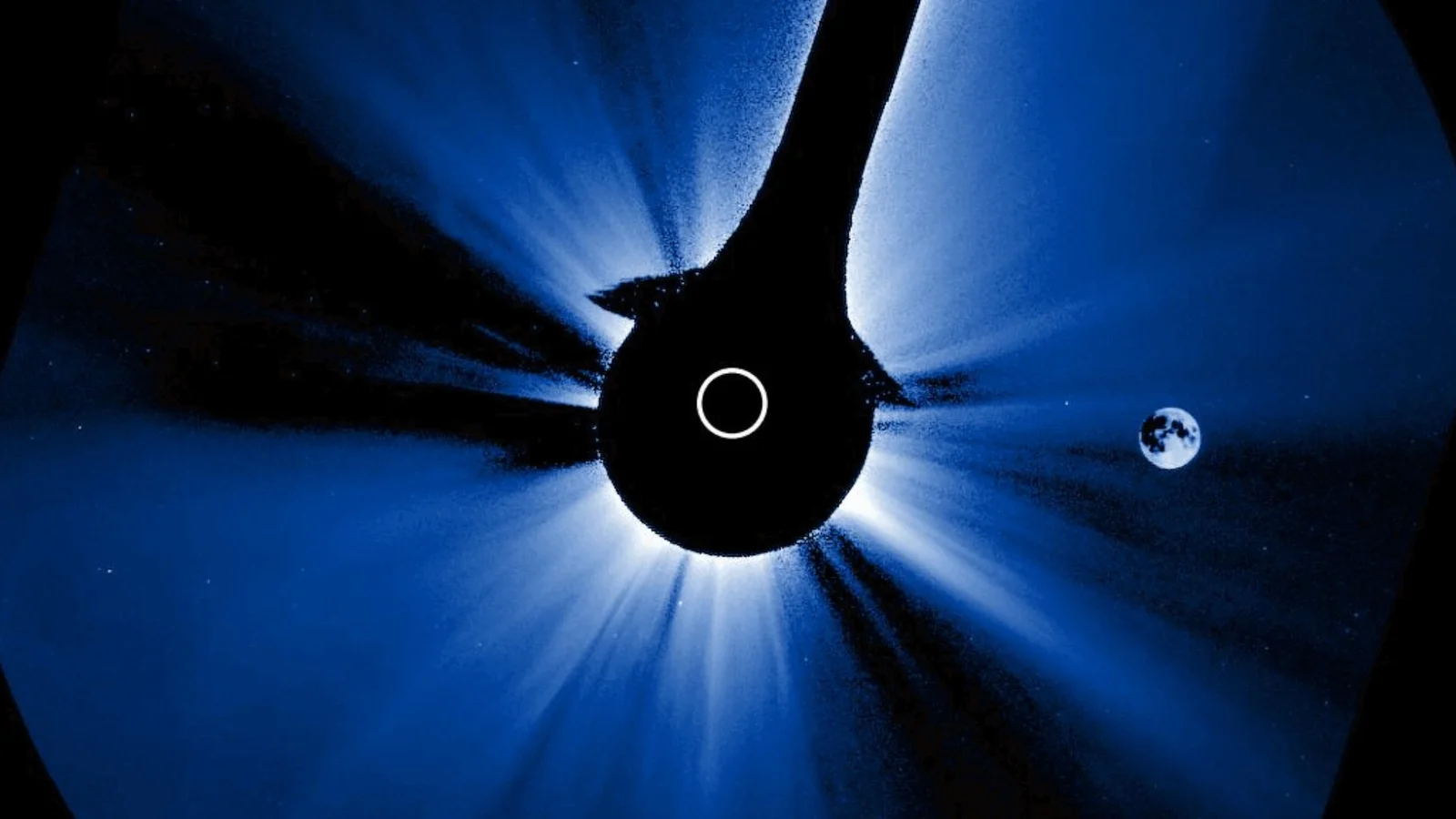
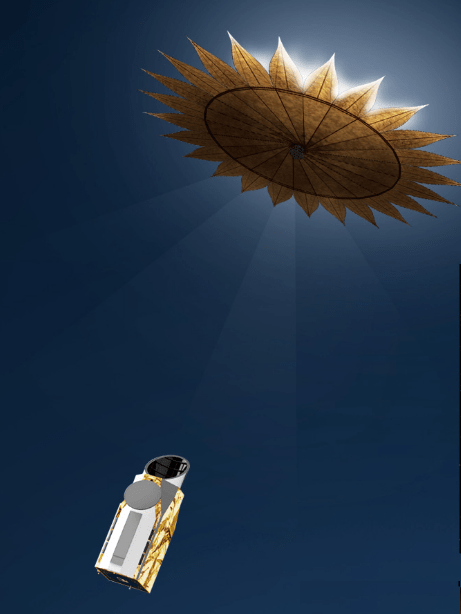
ESA says its Proba-3 Coronagraph spacecraft has reconnected with Earth after a month of silence; an anomaly in February disrupted attitude control and prevented safe-mode entry, and the spacecraft is now in safe mode with its solar panels powering the systems while health checks are conducted to assess possible damage as the Coronagraph and its Occulter continue their formation to study the solar corona by creating artificial eclipses.

Proba-3 falters as ESA’s twin-satellite eclipse mission goes dark
space-exploration7 months ago

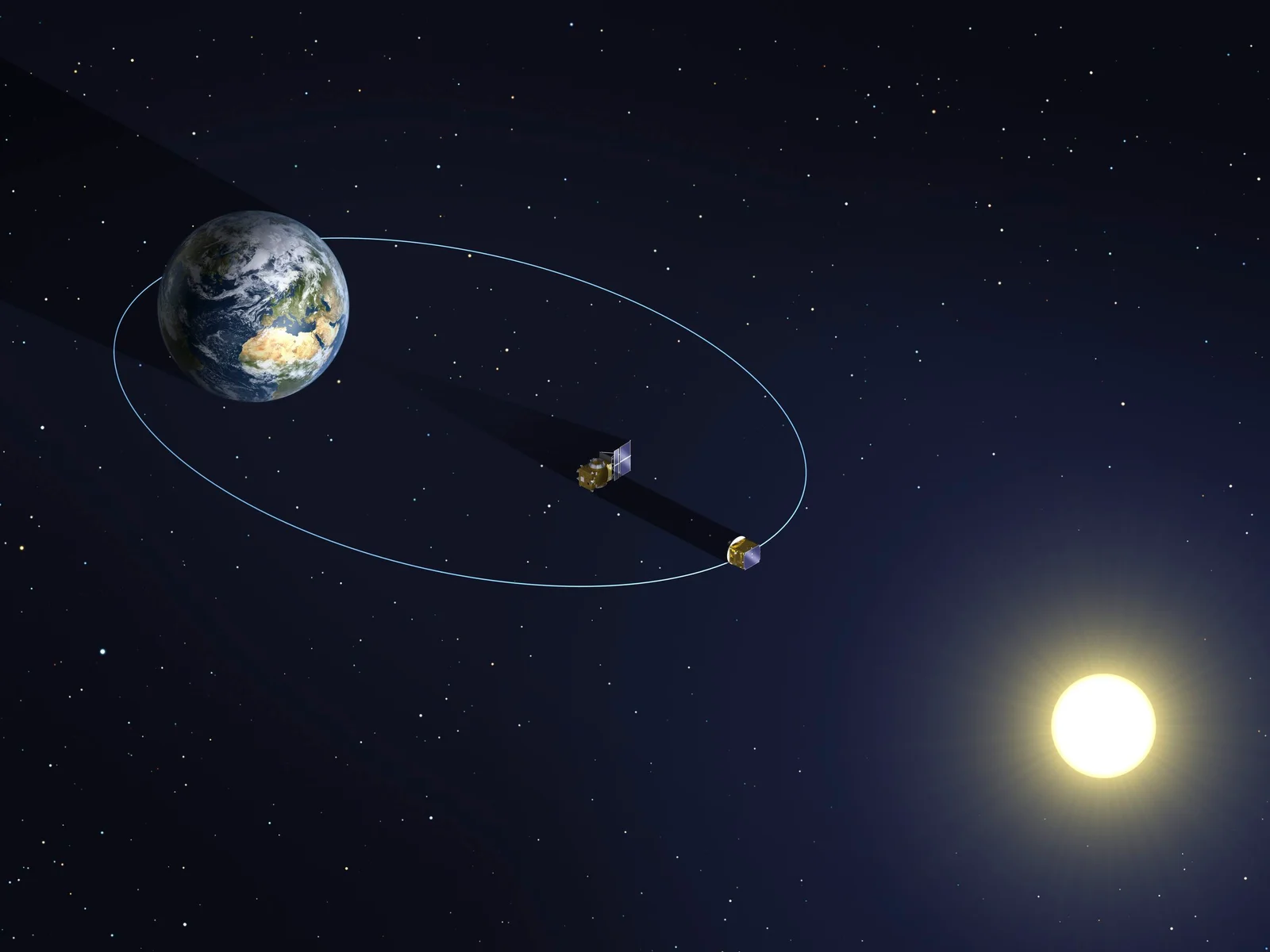
Proba-3 falters as ESA’s twin-satellite eclipse mission goes dark

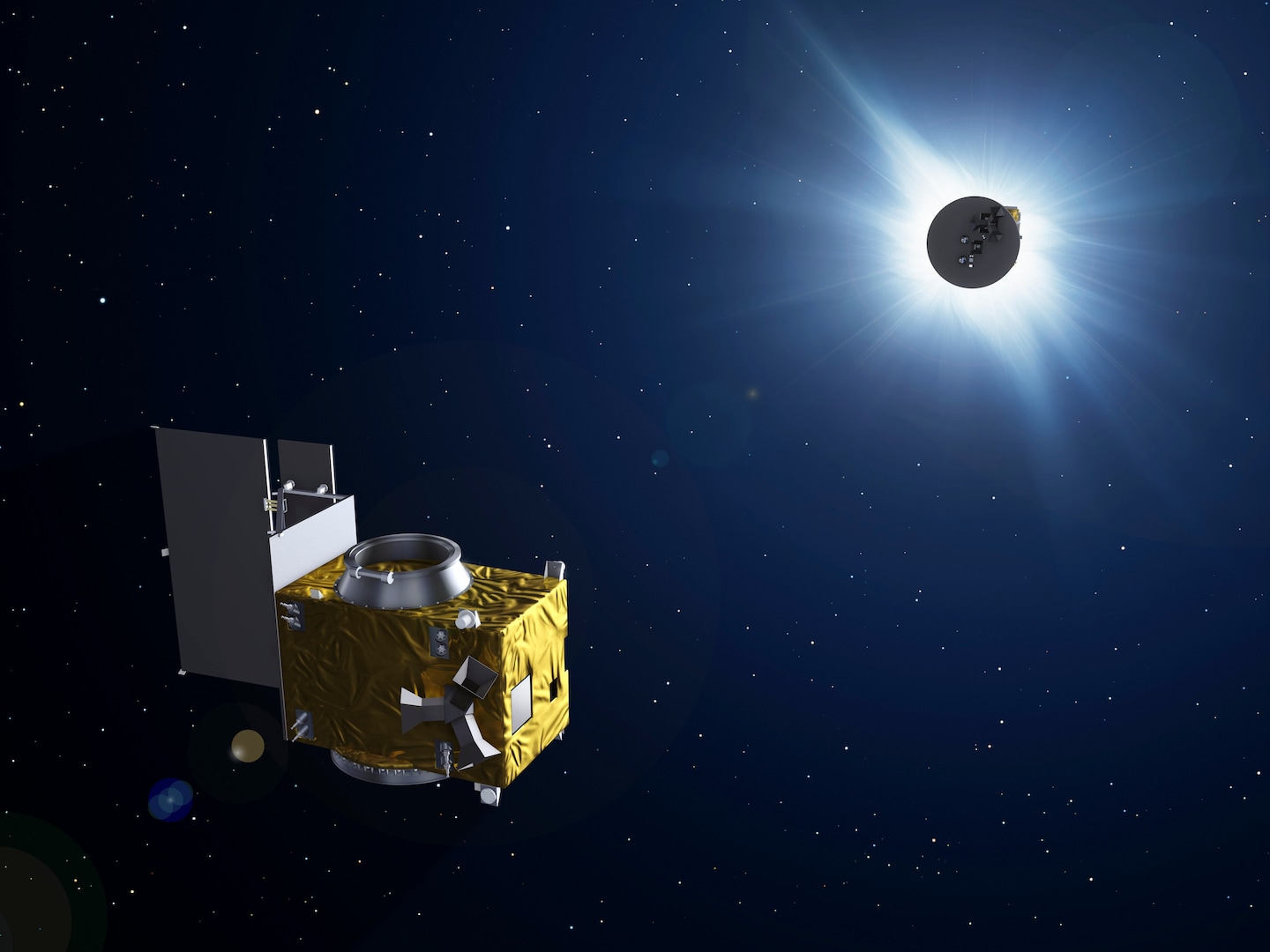
Europe’s Proba-3 formation (two satellites designed to create artificial solar eclipses and study the corona) has lost contact after an anomaly caused one probe to lose orientation. The Coronagraph, which images the sun’s outer atmosphere, and its Occulter partner must stay precisely aligned about 150 meters apart; the incident has led to a progressive attitude loss and solar-power drain, pushing the spacecraft into survival mode. ESA says the root cause is under investigation and teams are exploring ways to steer the Occulter closer to the Coronagraph to diagnose the issue and reestablish contact, with updates expected as the investigation continues (reported after Feb. 14 anomaly, with March 6 ESA update cited).

NASA's Roman Telescope Prepares to Hunt for Exoplanets
science-and-technology1 year ago

NASA's Roman Telescope Prepares to Hunt for Exoplanets

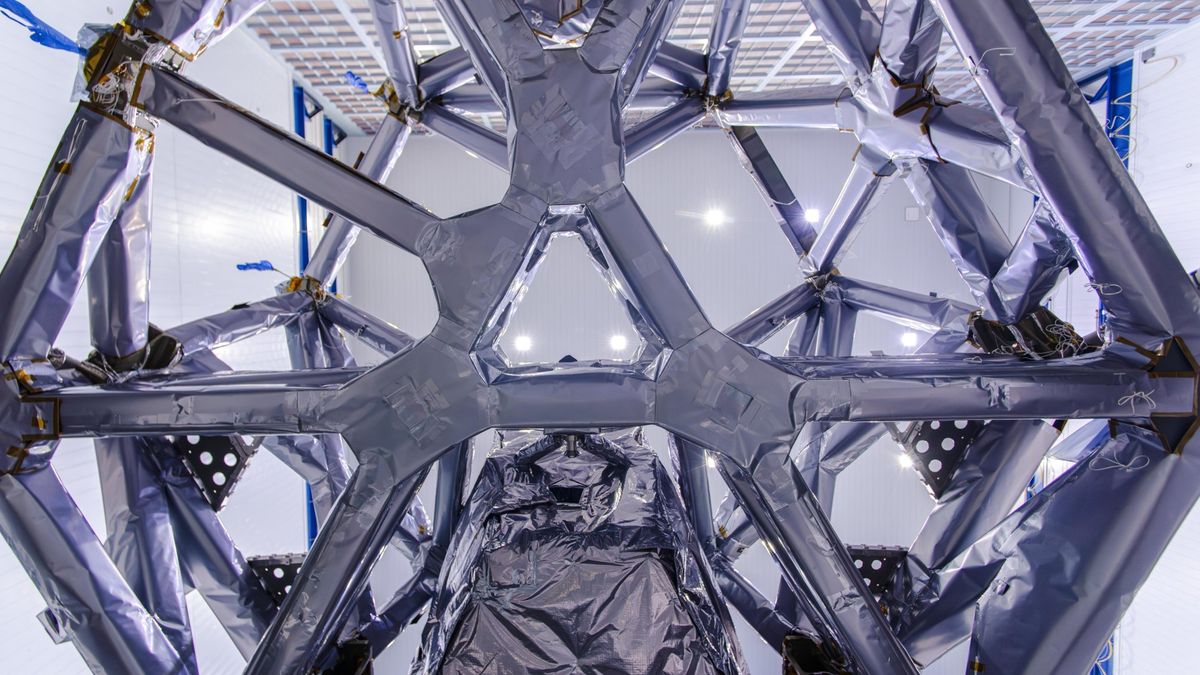
NASA's Nancy Grace Roman Space Telescope has successfully integrated the Roman Coronagraph Instrument, a key component designed to block starlight and detect faint light from exoplanets. This marks a significant step towards the telescope's 2027 launch, where it will explore dark energy, exoplanets, and infrared astrophysics. The coronagraph, a technology demonstration, aims to improve direct imaging of exoplanets, paving the way for future missions like the Habitable Worlds Observatory, which will search for Earth-like planets.

"Studying the Sun: Artificial Solar Eclipses Unveil Scientific Insights"
science-and-technology2 years ago

"Studying the Sun: Artificial Solar Eclipses Unveil Scientific Insights"

Scientists are attempting to create an artificial solar eclipse to study the solar corona, a layer of the sun's atmosphere with significant effects on Earth. Using specialized instruments called coronagraphs, they aim to simulate eclipses and view the corona, which is mysteriously hotter than the solar surface. Despite challenges such as Earth's atmosphere scattering sunlight, scientists are conducting experiments to better understand the corona, including a forthcoming European Space Agency mission called Proba-3. The upcoming total solar eclipse on April 8 will provide a scientific bonanza for researchers, who are preparing to gather data using various instruments and techniques, including a citizen science project called Citizen CATE.

NASA Prepares for Launch of Next Generation Flagship Space Telescope
space-science3 years ago

NASA Prepares for Launch of Next Generation Flagship Space Telescope

NASA is already planning for its next flagship space telescope, the Habitable Worlds Observatory (HWO), which could serve as the successor to the James Webb Space Telescope (JWST). The HWO aims to study exoplanets, stars, galaxies, and other celestial objects for signs of life beyond Earth. The Technical Assessment Group (TAG) for HWO, consisting of 56 individuals, will focus on developing key technologies and design requirements. The HWO is expected to launch in the late 2030s or early 2040s and will utilize a coronagraph to block out starlight and analyze exoplanet atmospheres for potential biosignatures.