
Nintendo pares Switch 2 production on cooling demand
Nintendo reportedly lowers Switch 2 production from 6 million to 4 million units as demand flags, with weak launch sales for Metroid Prime 4: Beyond contributing to a cautious year-two outlook.

All articles tagged with #production cuts
Nintendo reportedly lowers Switch 2 production from 6 million to 4 million units as demand flags, with weak launch sales for Metroid Prime 4: Beyond contributing to a cautious year-two outlook.

Apple's iPhone Air is experiencing poor sales, leading to an 80% reduction in production, while iOS 26.1 introduces a toggle for Liquid Glass transparency and rumors suggest upcoming foldable iPhones and a new anniversary model. Additionally, GM plans to remove CarPlay from all future vehicles, and Apple is expanding its digital driver's license feature in the US.
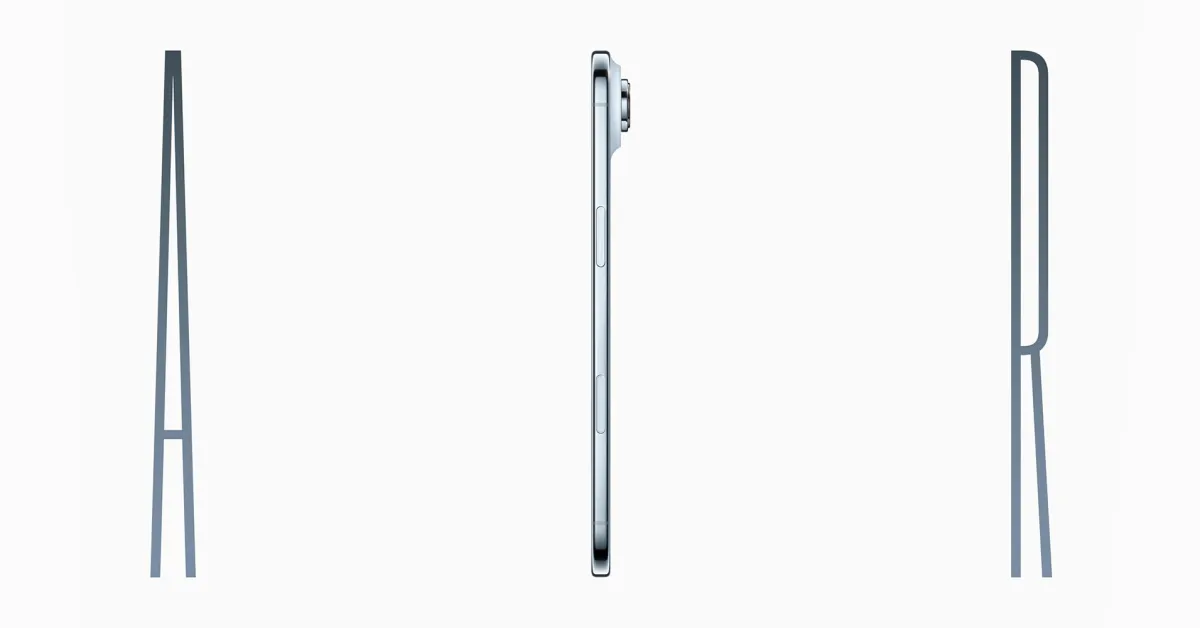
Apple has significantly reduced its production orders for the iPhone Air due to weak demand, despite initial strong sales reports, with overall iPhone production remaining aligned with forecasts thanks to higher demand for other models like the iPhone 17 and iPhone 17 Pro Max.

Apple is significantly reducing production orders for the iPhone Air while increasing those for other iPhone 17 models, as the overall sales of the new lineup remain strong despite a weak market and tariff challenges.

Apple has reduced the production of the iPhone Air model due to a shift in consumer preference towards other iPhone models, reflecting changing dynamics in the smartphone market.

Reuters reports that OPEC+ is considering a significant supply increase in November, but actual production may not meet the announced quotas due to member limitations, leading to market speculation and price swings despite no real increase in barrels.
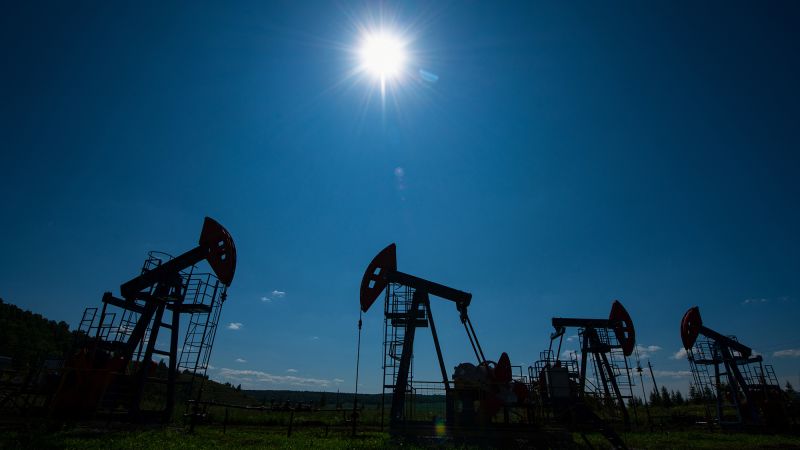
OPEC+ is expected to increase oil production in October, but likely by less than recent months due to slowing global demand and existing production constraints, with the group planning to unwind some of its previous output cuts gradually.
Opec+ has announced a third consecutive increase in oil output for July, signaling a rapid unwinding of previous production cuts to boost supply and test oil prices amid economic uncertainties and internal disagreements among member countries.
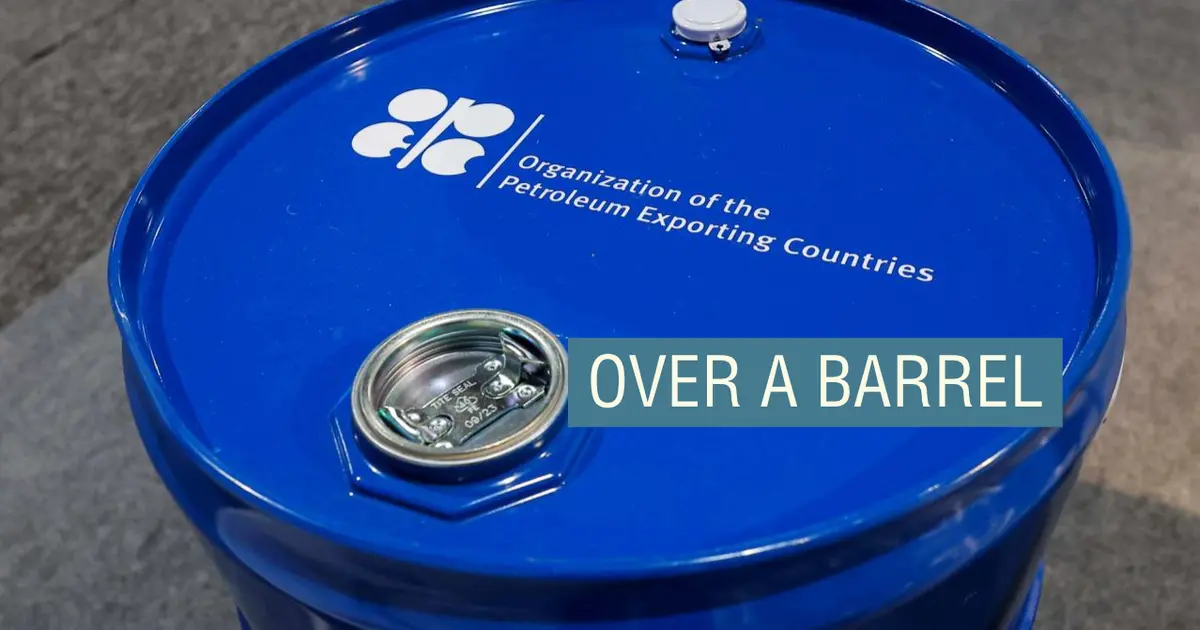
As Trump potentially returns to office, he faces a strategic challenge with OPEC, which is maintaining production cuts to keep oil prices profitable for US producers. However, these cuts are straining OPEC's smaller members, risking their exit and weakening the cartel's influence. While OPEC's low production costs give it an edge, US producers are consolidating and reducing costs, making them more resilient. The US market's saturation means increased production relies on exports, but Trump's trade policies could complicate this. OPEC's dilemma is whether to continue cuts or risk a price war that could impact US producers.
Oil prices increased as OPEC+ decided to delay planned production increases, maintaining cuts of 2.2 million barrels per day until March 2025, with a gradual phase-out by September 2026. Additional cuts of 1.65 million barrels per day will continue through December 2026. This decision aims to stabilize the market amid challenges like soft demand in China and high U.S. production, despite the International Energy Agency's warning of a potential supply surplus next year.
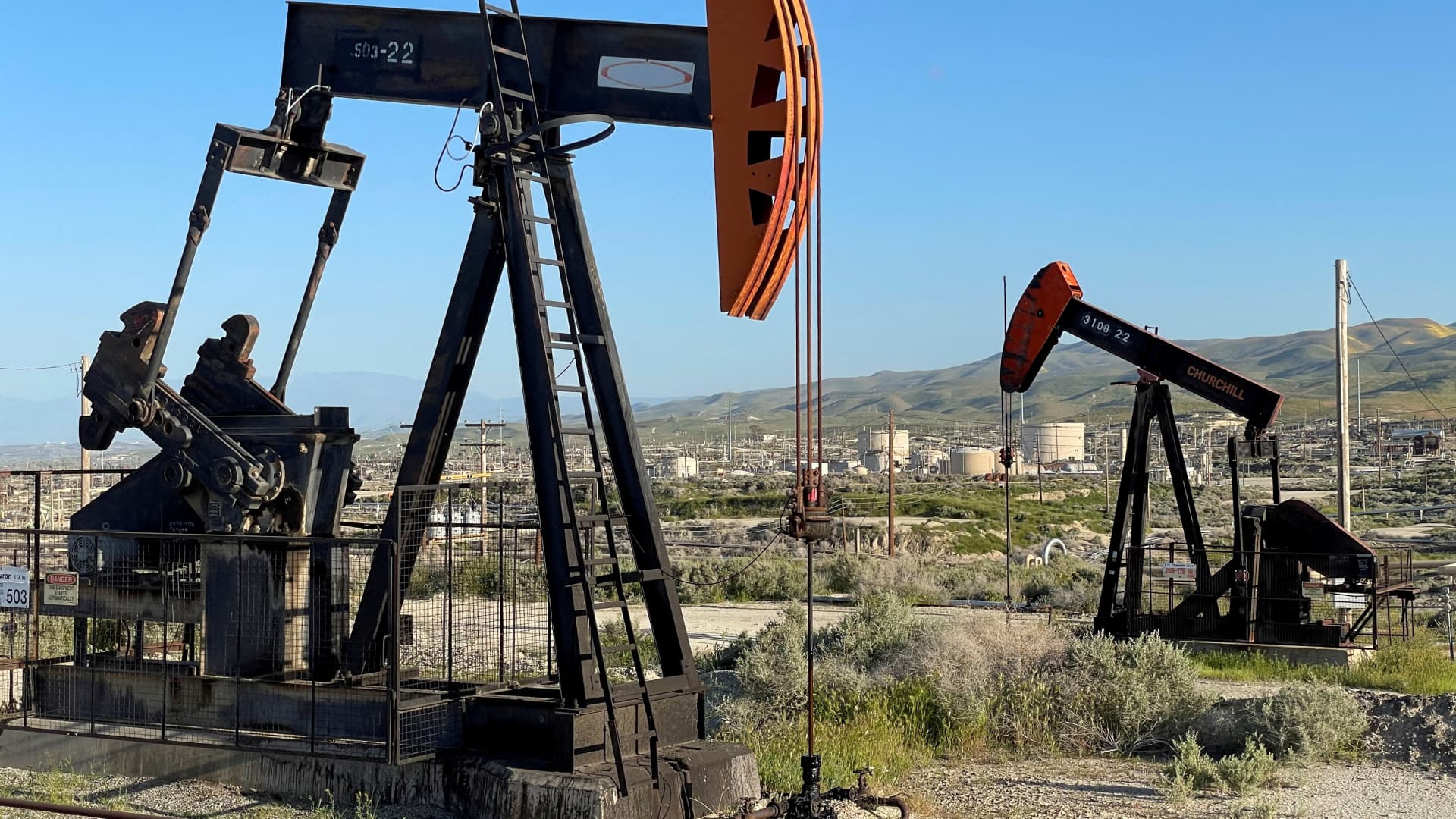
Oil prices rose slightly as investors awaited the outcome of an OPEC+ meeting, where the group is expected to extend production cuts to support the market. The decision comes amid Middle East tensions and a larger-than-expected draw in U.S. crude stockpiles. Analysts suggest the market may rise by year-end due to expectations of a U.S. economic recovery and ongoing geopolitical issues.

Oil prices rebounded from four-month lows, rising over 1% after a selloff triggered by OPEC+'s decision to increase production. Despite the selloff, analysts suggest the market is oversold and could rally before potentially declining again. U.S. crude and Brent prices closed higher, with OPEC+ production increases not set to begin until October. Rising U.S. oil inventories also impacted prices.

OPEC+ extended its oil production cuts through 2025, but oil prices dropped sharply due to the possibility of winding down cuts if market conditions improve. Traders reacted negatively, doubting OPEC's demand growth projections and influenced by lower U.S. gasoline prices. This leaves OPEC+ with limited options but to maintain cuts and hope for stronger demand.
Oil prices have continued to decline following OPEC+'s decision to extend production cuts into 2025 but ease voluntary cuts for member countries. The market had expected more significant cuts, leading to disappointment and a drop in prices. Additionally, weak manufacturing data and a shift in trading strategies have further pressured oil prices.

Oil prices fell by up to 3.5% as OPEC+ decided to start unwinding some production cuts earlier than expected amid demand concerns. West Texas Intermediate futures dropped below $75 per barrel, and Brent hovered around $78.60. The decline was driven by technical pressure and limited buying interest. OPEC+ extended existing cuts but will reduce additional cuts starting in October. Analysts view the move as market neutral, with a demand slowdown forecast for 2024. Gasoline prices have also eased, with the national average dropping to $3.53 per gallon.