Tag

Personality Traits

All articles tagged with #personality traits

Speed Dating Study: Higher Psychopathy and Sadism Scores Linked to 25-28% Increased Odds of Second Date
science5 days ago

Speed Dating Study: Higher Psychopathy and Sadism Scores Linked to 25-28% Increased Odds of Second Date

A study of 129 college students found that individuals scoring higher on psychopathy and sadism were 24.6% and 28.4% more likely, respectively, to be chosen for a second date in speed-dating events. The advantage stemmed from being perceived as attractive, humorous, and extraverted, though physical attractiveness remained the strongest predictor of success.

Psychologist Links Fast Walking Pace to High Conscientiousness and Low Neuroticism
science1 month ago

Psychologist Links Fast Walking Pace to High Conscientiousness and Low Neuroticism

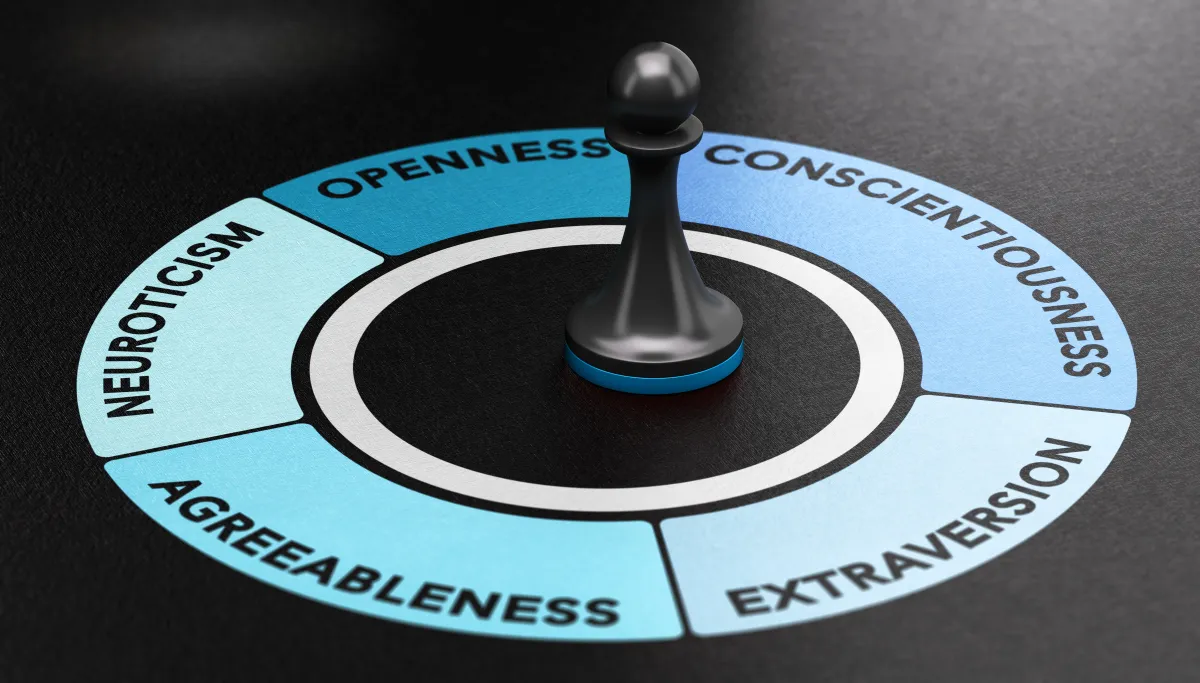
A clinical psychologist suggests that walking speed correlates with specific personality traits, including high conscientiousness, extraversion, and low neuroticism. Fast walkers are described as goal-directed, socially engaged, and emotionally stable, while slow walkers may exhibit different behavioral patterns. The analysis draws on psychological research linking physical movement to character traits.

Musical Skills Linked to Unique Cognitive and Personality Traits
science11 months ago

Musical Skills Linked to Unique Cognitive and Personality Traits

A large international study found that experienced musicians have a significant advantage in musical short-term memory and a small advantage in visuospatial memory, but only a minimal benefit in verbal memory, which is largely explained by general intelligence and personality traits like openness. The research emphasizes that musical training's cognitive benefits are domain-specific and influenced by personality and socioeconomic factors, rather than a direct cause-effect relationship.

Exploring AI Personalities: From Psychometrics to Human Mimicry
technology11 months ago

Exploring AI Personalities: From Psychometrics to Human Mimicry

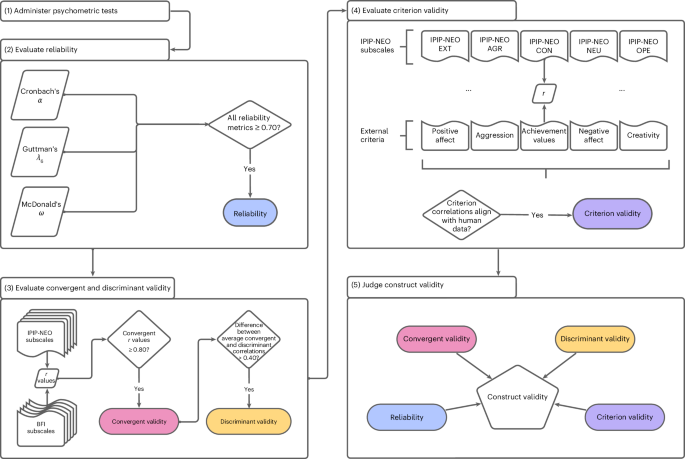
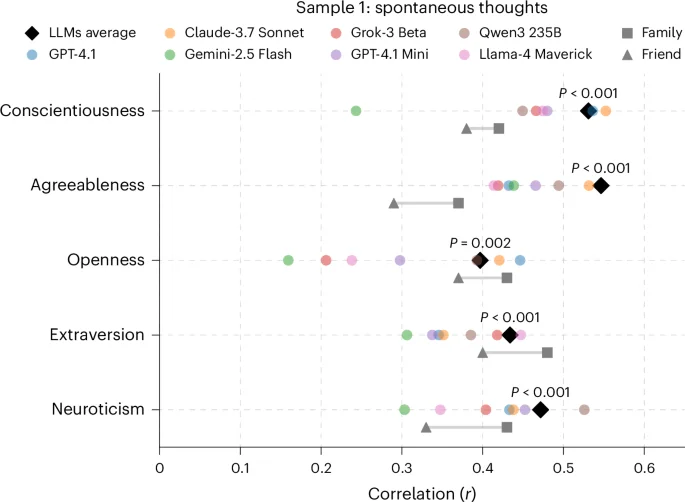
This article presents a psychometric framework for reliably measuring and shaping personality traits in large language models (LLMs), demonstrating that larger, instruction-tuned models exhibit more human-like, valid, and reliable personality profiles, which can be systematically manipulated to influence model behavior, with significant implications for AI safety, responsibility, and personalization.

Dark Traits Drive Higher AI Usage Among Users
technology1 year ago

Dark Traits Drive Higher AI Usage Among Users

A study analyzing over 14 million website visits found that AI is rarely used in daily online activity, accounting for less than 1% of browsing, with higher usage linked to certain personality traits like narcissism and psychopathy. The research highlights discrepancies between self-reported and actual AI use and suggests AI is primarily used as a productivity tool rather than for entertainment.

30 Years of Insights into Narcissism Psychology
psychology1 year ago

30 Years of Insights into Narcissism Psychology

Over the past 30 years, our understanding of narcissism has evolved from viewing it as simple arrogance to recognizing it as a complex set of personality traits with distinct subtypes, such as grandiose and vulnerable narcissism, each with different emotional and social implications. This nuanced view helps differentiate between normal traits and clinical disorders, emphasizing the importance of moving beyond stereotypes to better understand individual behaviors.

Organization and activity linked to increased longevity, study shows
health1 year ago

Organization and activity linked to increased longevity, study shows

A study published in the Journal of Psychosomatic Research suggests that specific personality traits such as being active, organized, responsible, and helpful are associated with a longer lifespan, while traits like neuroticism may predict a shorter life. The research emphasizes the importance of nuanced personality descriptions over broad traits in predicting health outcomes and highlights potential for incorporating personality assessments into health risk evaluations.