New Theory Resolves Glueball Decay Puzzle, Strengthening Case for f0(1710)
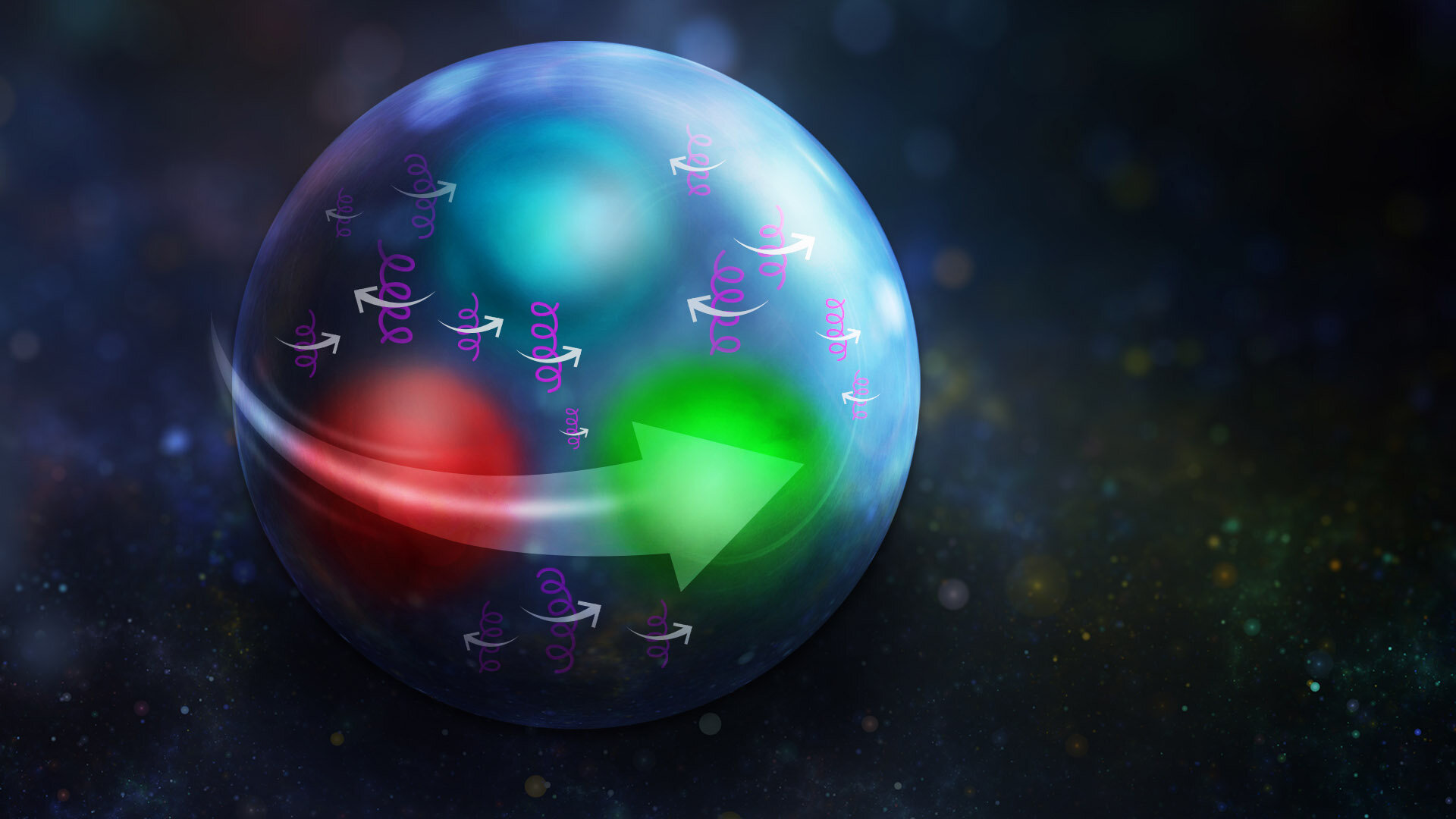
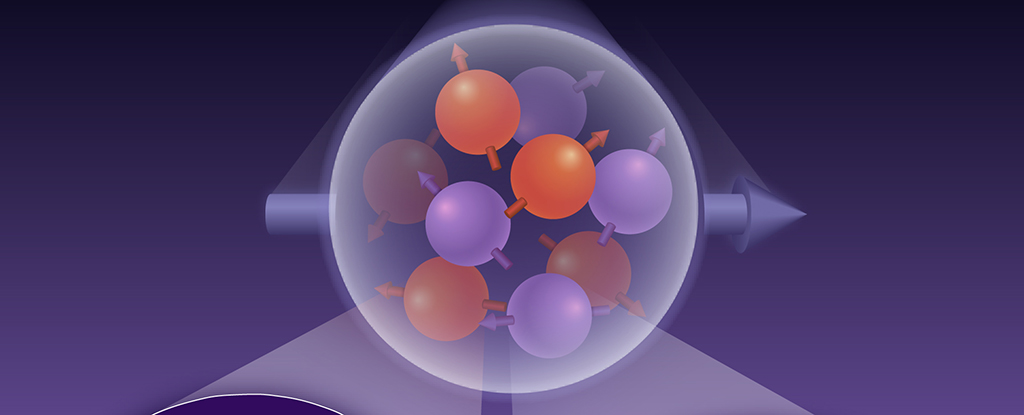
Physicists at TU Wien have provided new theoretical support for the f0(1710) particle as a glueball, a state made primarily of gluons. By using a holographic model that accounts for realistic meson masses, researchers explained why f0(1710) decays into strange quarks, a pattern that previously contradicted glueball predictions. While experimental data from the BESIII collider aligns with this theory, definitive confirmation remains elusive due to the complex mixing of gluonic and quark-antiquark states.